Teacher Attitudes Toward AI Writing Tools Data: Top 20 Sentiment Signals

2026 marks a quiet inflection point where teacher attitudes toward AI writing tools are shaped less by novelty and more by workload reality. Adoption rises alongside time savings, yet uncertainty, training gaps, and classroom boundaries continue to define how far trust extends.
What stands out here is not simple acceptance or rejection, but a working tension between curiosity and caution. Teachers seem far more open when tools reduce routine friction, yet they still want clear boundaries before those tools move closer to student writing.
Plenty of the movement comes from workload pressure, not novelty, which changes how the numbers should be read. Once time savings enter the picture, resistance softens, but questions around trust, quality, and voice stay close to the surface.
School context matters more than broad headlines make it seem. Training access, grade level, and local policy appear to shape sentiment almost as much as the software itself, which is a useful cue for anyone benchmarking adoption.
What makes this set especially revealing is how often attitude follows exposure rather than leading it. Even a quick look suggests that practical classroom use, feedback habits, and concern over student-facing output such as captions are getting judged in the same breath.
Top 20 Teacher Attitudes Toward AI Writing Tools Data (Summary)
| # | Statistic | Key figure |
|---|---|---|
| 1 | K-12 teachers who used an AI tool for work during the 2024-25 school year | 60% |
| 2 | Early-career teachers who used AI tools for work | 69% |
| 3 | High school teachers who used AI tools for work | 66% |
| 4 | Suburban teachers reporting AI use for work | 65% |
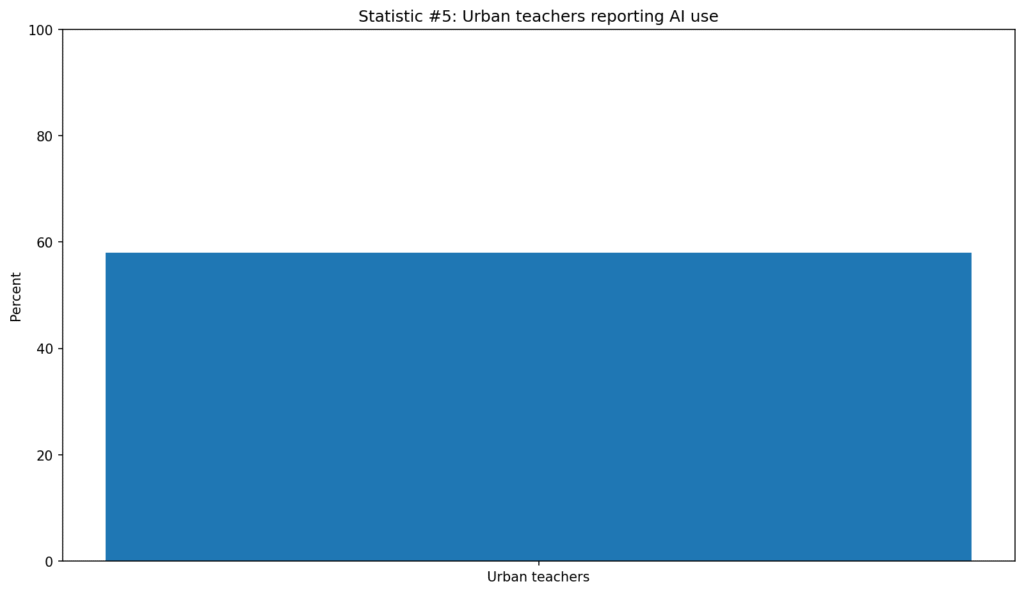
| 5 | Urban teachers reporting AI use for work | 58% |
| 6 | Town and rural teachers reporting AI use for work | 57% |
| 7 | Weekly hours saved by teachers who use AI tools at least weekly | 5.9 hours |
| 8 | Teachers without school or district AI training in the 2024-25 school year | 68% |
| 9 | ELA, math, and science teachers who used AI for school in 2025 | 53% |
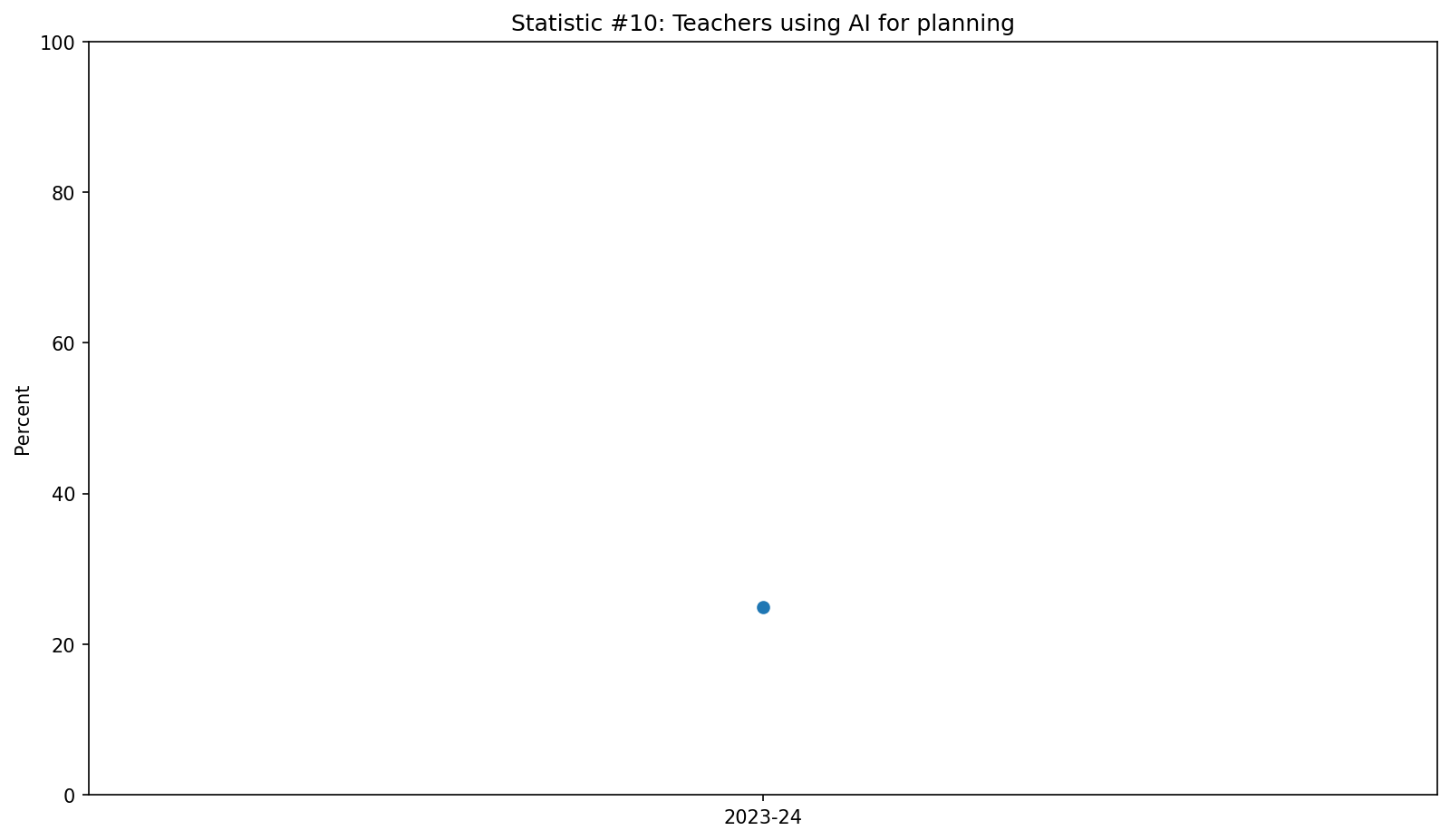
| 10 | Teachers who used AI tools for planning or teaching in the 2023-24 school year | 25% |
| 11 | AI-using teachers who said they used the tools for instructional planning only | 64% |
| 12 | AI-using teachers who introduced AI tools to students | 36% |
| 13 | Teachers using AI for instructional planning at least weekly | 19% |
| 14 | Teachers using AI in some capacity in 2025 | 61% |
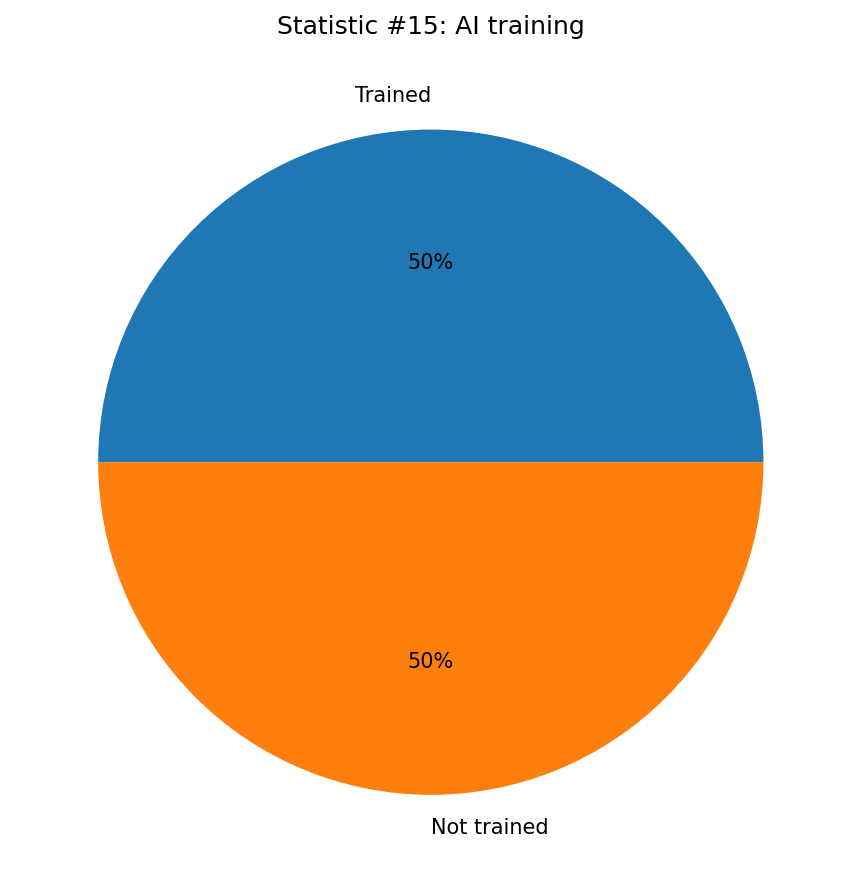
| 15 | Teachers reporting at least one AI professional development session in 2025 | 50% |
| 16 | Teachers reporting at least one AI training session by fall 2024 | 43% |
| 17 | Public K-12 teachers who say AI tools do more harm than good in education | 25% |
| 18 | Public K-12 teachers who are unsure whether AI helps or harms education | 35% |
| 19 | Teachers favorable toward AI chatbots in a 2024 national education survey | 59% |
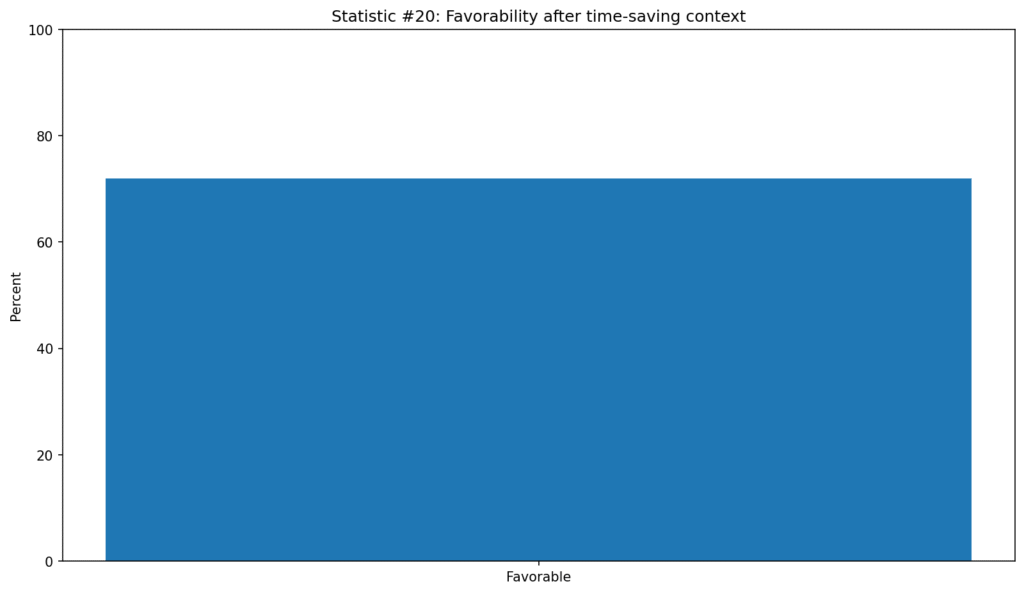
| 20 | Teachers favorable toward AI chatbots after hearing time-saving context | 72% |
Top 20 Teacher Attitudes Toward AI Writing Tools Data and the Road Ahead
Teacher Attitudes Toward AI Writing Tools Data #1. Teachers using AI for work
60% of K-12 teachers using AI for work suggests the debate has moved into routine experimentation across schools. Once more than half a group tries a tool, attitudes usually become more mixed, practical, and less ideological. Teachers judge writing systems against classroom pressure, student needs, and daily administrative load, not polished vendor claims.
Time pressure across planning, feedback, emails, and drafting is likely the main force here. When repetitive writing tasks stack up, even cautious educators test tools that reduce friction without erasing judgment. That makes the figure look less like enthusiasm and more like selective problem-solving under everyday professional strain.
A teacher still decides tone, appropriateness, and student fit, while AI speeds first-pass language and organization. That is why 60% of K-12 teachers does not signal automated classrooms, only targeted assistance in low-risk tasks. The implication is that adoption should keep growing where schools protect teacher control and clarify limits.
Teacher Attitudes Toward AI Writing Tools Data #2. Early-career teachers using AI for work
69% of early-career teachers using AI for work points to a generational difference in comfort with emerging systems. Newer teachers are often building materials from scratch, so they feel the drag of drafting tasks more immediately. That makes experimentation easier to justify because the payoff appears quickly in planning time.
The cause is not simply age, but workload position and digital fluency working together. Teachers early in their careers usually need more templates, examples, and wording support across lessons, emails, and assessments. A writing tool fits neatly into that gap because it offers momentum before confidence is fully built.
A veteran teacher may rely on an established library of resources, while a newer teacher often starts with less. That is why 69% of early-career teachers signals need as much as openness, which is an important distinction. The implication is that AI uptake will stay strongest where newer staff need fast scaffolding without losing authorship.
Teacher Attitudes Toward AI Writing Tools Data #3. High school teachers using AI for work
66% of high school teachers using AI for work suggests secondary settings feel stronger pressure to process language at scale. Older students generate longer essays, more complex feedback cycles, and heavier subject-specific writing demands across classes. That creates a clear environment where assistance with drafting and revision support becomes appealing.
The underlying cause is the density of text-heavy tasks in upper grades. High school teachers often manage rubrics, recommendation letters, parent communication, and planning for content that demands precision. In that kind of workflow, a tool that structures first drafts can look helpful even to educators who remain cautious.
A human teacher still supplies subject judgment, developmental expectations, and context that generic outputs cannot fully match. That is why 66% of high school teachers should be read as selective adoption inside demanding writing environments. The implication is that secondary classrooms will remain the leading edge for teacher experimentation with AI writing tools.
Teacher Attitudes Toward AI Writing Tools Data #4. Suburban teachers reporting AI use
65% of suburban teachers reporting AI use for work suggests adoption is being shaped by access as much as attitude. Suburban schools often have stronger device availability, steadier connectivity, and more room for trial within existing workflows. That kind of environment lowers the friction that can keep interest from turning into use.
The pattern likely comes from infrastructure and policy conditions rather than a uniquely positive mindset. When staff have easier access to paid tools, informal peer sharing, and administrative breathing room, experimentation feels safer. Better access also means fewer practical barriers between curiosity and repeat use during a busy week.
A teacher in any setting can value good writing support, but the path to regular use is not equally smooth. That is why 65% of suburban teachers reflects context, not just personal enthusiasm for AI. The implication is that attitude gaps may narrow later if resource conditions improve across less supported districts.
Teacher Attitudes Toward AI Writing Tools Data #5. Urban teachers reporting AI use
58% of urban teachers reporting AI use for work shows interest remains strong even in more complex school environments. Urban classrooms often carry higher administrative demands, broader learner variation, and faster communication cycles with families and staff. Those pressures can make writing assistance attractive even when implementation conditions are uneven.
The figure likely reflects both urgency and uneven support working at the same time. Teachers may see obvious value in tools that speed planning and drafting, yet they also face policy uncertainty, training gaps, or procurement limits. That tension helps explain why usage is high, though not as high as the strongest-access settings.
A human educator still adapts language to community context, student history, and real classroom dynamics. That is why 58% of urban teachers suggests practical experimentation rather than unreserved trust in machine output. The implication is that clearer governance and better tool access could unlock much broader adoption in urban schools.
Teacher Attitudes Toward AI Writing Tools Data #6. Town and rural teachers reporting AI use
57% of town and rural teachers reporting AI use for work suggests interest survives even where adoption infrastructure is thinner. Smaller communities often have fewer local peers using the same tools, which can slow confidence and practical learning. Even so, more than half trying AI indicates the workload appeal is hard to ignore.
Distance, bandwidth, and procurement limits likely explain part of the lower figure. Teachers in rural settings may have less formal training and fewer opportunities to compare use cases with nearby colleagues. That makes every new tool feel like a bigger decision, especially when policy guidance arrives slowly or not at all.
The human side matters because rural teachers often tailor communication closely to local families and community expectations. That is why 57% of town and rural teachers still looks meaningful despite the modest gap from suburban schools. The implication is that training delivery, not teacher willingness alone, may determine the next stage of growth.
Teacher Attitudes Toward AI Writing Tools Data #7. Weekly time saved by frequent AI users
5.9 hours per week saved by teachers who use AI at least weekly helps explain why attitudes soften after trial. A promise sounds abstract until it returns nearly six hours inside a crowded school week. Once saved time becomes visible, skepticism tends to compete with relief instead of standing alone.
The cause is simple and powerful: writing tasks are everywhere in teaching work. Lesson planning, differentiation, parent replies, quiz creation, and resource adaptation all consume time before students even enter the room. Tools that compress those steps can change how a teacher feels long before they change what a teacher believes.
A human still reviews fit, accuracy, and tone, but the machine can clear the blank-page hurdle quickly. That is why 5.9 hours per week saved matters more than any abstract claim of innovation. The implication is that practical time recovery will remain the strongest argument for continued AI acceptance among teachers.
Teacher Attitudes Toward AI Writing Tools Data #8. Teachers without school or district AI training
68% of teachers without school or district AI training reveals why attitudes can feel unsettled even as use keeps rising. Many educators are exploring tools without shared language for risk, quality control, or responsible classroom boundaries. That creates a strange mix of curiosity, improvisation, and institutional hesitation.
The underlying cause is the speed of tool adoption compared with the slower pace of formal support. Schools often move cautiously on policy, procurement, and professional learning, while teachers face immediate workload problems. As a result, educators start building personal practices before systems around them are fully ready.
A human teacher can compensate with judgment, but unsupported experimentation always carries more uncertainty than guided use. That is why 68% of teachers without school or district AI training helps explain the gap between growing use and mixed confidence. The implication is that professional development could change attitudes almost as much as better tools themselves.
Teacher Attitudes Toward AI Writing Tools Data #9. Core subject teachers using AI for school
53% of ELA, math, and science teachers using AI for school in 2025 shows core subjects are no longer standing back. These are not fringe electives with narrow experimentation patterns, but the classes that anchor most school schedules. Once AI appears across core departments, attitudes start looking structural rather than temporary.
The cause differs a bit across subjects, yet the common thread is repetitive academic writing work. ELA teachers refine prompts and feedback, math teachers explain steps and create differentiated practice, and science teachers adapt technical content. AI writing tools fit because they can generate starting language across all three environments quickly.
A teacher still decides rigor, examples, and classroom tone, especially where subject misconceptions carry real consequences. That is why 53% of ELA, math, and science teachers signals cautious normalization, not a handoff of expertise. The implication is that future acceptance will spread through everyday departmental workflows more than through headline moments.
Teacher Attitudes Toward AI Writing Tools Data #10. Teachers using AI for planning or teaching in 2023-24
25% of teachers using AI for planning or teaching in the 2023-24 school year shows how early this curve recently was. One year earlier, usage looked more exploratory and far less embedded in normal routines across schools. That smaller base helps explain why current attitude data now feels like movement instead of noise.
The cause of the earlier hesitation was a mix of uncertainty, unfamiliarity, and weak institutional guidance. Many teachers had heard of AI tools, but fewer had seen clear school-approved uses that felt safe and worthwhile. Without proven examples, curiosity stayed tentative and often stopped at casual testing.
A human educator rarely trusts a new writing system immediately, especially when student impact is still unclear. That is why 25% of teachers last year matters as a baseline for understanding today’s stronger acceptance. The implication is that teacher opinion can change quickly once real use cases replace abstract warnings and hype.
Teacher Attitudes Toward AI Writing Tools Data #11. AI-using teachers limiting use to instructional planning
64% of AI-using teachers saying they use the tools for instructional planning only reveals a careful professional boundary today. Teachers appear more comfortable letting AI support behind-the-scenes preparation than direct student-facing writing and assessment language. That pattern suggests attitude improves when professional control stays visible, deliberate, and easy to defend.
The likely cause is risk management in everyday practice. Planning work feels lower stakes because teachers can revise outputs privately before anything reaches students or families. Student-facing use, in contrast, raises more concern around accuracy, tone, development, and whether the tool starts shaping learning too directly.
A human teacher remains the author of the lesson arc, examples, and final classroom decisions, even when AI drafts pieces fast. That is why 64% of AI-using teachers sticking to planning matters more than it first appears. The implication is that acceptance grows fastest where AI stays backstage and teacher judgment remains fully visible.
Teacher Attitudes Toward AI Writing Tools Data #12. AI-using teachers introducing tools to students
36% of AI-using teachers introducing AI tools to students shows professional adoption is moving faster than classroom endorsement. Many educators will test a writing tool for their own workflow long before inviting students into the same environment. That gap says a lot about how cautiously teachers separate personal efficiency from instructional responsibility.
The reason is straightforward: student use carries more ethical and developmental weight than teacher use. Teachers must think about authorship, overreliance, equity, and whether AI changes what students actually practice. Even supportive educators may pause here because the pedagogical consequences feel broader than the productivity gains.
A teacher can use AI to draft a rubric privately, yet still believe students need to struggle through original writing. That is why 36% of AI-using teachers sharing tools with students still reads as meaningful but restrained. The implication is that classroom-facing acceptance will depend on clearer instructional models, not just better software.
Teacher Attitudes Toward AI Writing Tools Data #13. Teachers using AI weekly for instructional planning
19% of teachers using AI for instructional planning at least weekly suggests regular habit is still more selective than general trial. Many educators may have experimented once or twice without folding the tool into every week. That difference matters because stable attitude change usually follows repeated, useful contact rather than one-off curiosity.
The likely cause is uneven fit across subjects, schedules, and trust levels. Weekly use tends to happen when teachers find reliable prompts for recurring tasks like lesson outlines, quiz drafts, or parent communication. Without that repeatable payoff, AI remains an occasional helper instead of a routine planning companion.
A human teacher still shapes sequence, pacing, and what deserves emphasis, especially when students need local context. That is why 19% of teachers using AI weekly points to habit formation, not just exposure. The implication is that the next growth phase will come from repeatable workflows that feel dependable under real school pressure.
Teacher Attitudes Toward AI Writing Tools Data #14. Teachers using AI in some capacity in 2025
61% of teachers using AI in some capacity in 2025 shows the category has crossed into mainstream professional awareness. Once usage passes the halfway mark, attitudes usually stop centering on whether the tools exist and start centering on how they should be used. That is a quieter, more mature kind of adoption signal.
The cause is probably a blend of tool accessibility, peer normalization, and immediate workload payoff. Teachers often become more open once colleagues share workable prompts, editing habits, and limits that keep outputs manageable. Familiarity reduces the emotional distance that makes new technology feel risky or overblown.
A human still supplies discernment, tone, and classroom-specific judgment that generic systems cannot replicate. That is why 61% of teachers should be read as broad contact with AI, not broad surrender to it. The implication is that debate will keep moving toward governance, training, and writing quality rather than simple yes-or-no acceptance.
Teacher Attitudes Toward AI Writing Tools Data #15. Teachers reporting at least one AI professional development session
50% of teachers reporting at least one AI professional development session in 2025 suggests formal support is finally starting to catch up. Half is not complete coverage, but it is enough to influence staff-room conversations and normalize shared language. When training appears, attitudes often become less reactive and more evaluative for many teachers.
The driver here is institutional recognition that AI use will not disappear through avoidance alone. Schools eventually need common expectations for privacy, editing, transparency, and where these tools fit inside teaching work. Even a single session can lower uncertainty because it tells teachers the topic is being addressed publicly.
A human educator still decides how to apply guidance inside a real classroom with real constraints. That is why 50% of teachers receiving at least one session matters even if the training depth varies. The implication is that sustained professional learning could convert cautious curiosity into steadier, better-governed adoption.
Teacher Attitudes Toward AI Writing Tools Data #16. Teachers reporting at least one AI training session by fall 2024
43% of teachers reporting at least one AI training session by fall 2024 shows institutional support was present but still uneven. That means many educators entered the year with some guidance, while many others were still improvising. Attitude data from that period makes more sense once that split is kept in view.
The cause is usually timing rather than indifference alone. Districts move at different speeds on approval, training design, and who gets reached first across subjects and campuses. When rollout is staggered, teacher opinion forms inside very different information environments even within the same broader market.
A human teacher without guidance tends to rely on personal caution, colleague advice, or trial and error. That is why 43% of teachers trained by fall 2024 helps explain mixed confidence during early adoption. The implication is that later attitude shifts may reflect training coverage as much as changes in the tools themselves.
Teacher Attitudes Toward AI Writing Tools Data #17. Teachers saying AI does more harm than good
25% of public K-12 teachers saying AI tools do more harm than good shows resistance is real but not dominant. A quarter of the field is large enough to shape policy conversations, staff norms, and public narratives around writing tools. Still, it also means most teachers are either less negative or still undecided.
The cause behind harm-focused attitudes likely includes cheating concerns, weakened writing practice, and unreliable output quality. Teachers see firsthand how shortcuts can erode learning when students use systems without reflection or accountability. That experience makes skepticism understandable, especially in writing-heavy classrooms where process matters as much as product.
A human teacher values thinking, revision, and struggle as part of learning, while AI can flatten that process when used carelessly. That is why 25% of public K-12 teachers holding a negative view should not be dismissed as simple fear. The implication is that stronger guardrails will be necessary to win over the firmest skeptics.
Teacher Attitudes Toward AI Writing Tools Data #18. Teachers unsure whether AI helps or harms education
35% of public K-12 teachers being unsure whether AI helps or harms education may be the most revealing attitude figure here. Uncertainty this large suggests the field is still interpreting evidence rather than settling into a stable consensus. In practice, that means many opinions are probably still movable.
The cause is understandable because teachers are encountering mixed signals from every direction. They see efficiency gains in planning and communication, but they also see weak outputs, student misuse, and unclear policy language. When benefits and risks arrive together, uncertainty becomes a rational holding position rather than indecision.
A human teacher can recognize value without feeling ready to endorse a tool fully across every context. That is why 35% of public K-12 teachers being unsure matters more than a simple approval score alone. The implication is that the next phase of attitude change will depend on evidence, guidance, and usable classroom norms.
Teacher Attitudes Toward AI Writing Tools Data #19. Teachers favorable toward AI chatbots in 2024
59% of teachers favorable toward AI chatbots in a 2024 national survey suggests baseline sentiment was already leaning positive. Support did not need to become universal to matter; it only needed to outweigh outright rejection. Once favorable views become the largest single position, experimentation usually follows more easily.
The cause is likely that chatbots promise immediate help with wording, brainstorming, and explanation tasks teachers face constantly. Unlike complex software rollouts, chatbot use can begin with a simple prompt and a quick judgment call. That low barrier makes positive impressions easier to form, even before deep trust is established.
A human teacher still filters whether generated language sounds appropriate, accurate, and pedagogically useful in context. That is why 59% of teachers favoring chatbots should be read as conditional openness rather than unconditional approval. The implication is that lightweight tools with obvious utility may keep shaping attitude trends more than complex platforms do.
Teacher Attitudes Toward AI Writing Tools Data #20. Teachers favorable after hearing time-saving context
72% of teachers favorable toward AI chatbots after hearing time-saving context shows framing changes opinion powerfully. Support rises when the technology is linked to a concrete professional benefit instead of a vague innovation story. Teachers respond differently when they can picture what gets easier on Tuesday afternoon.
The cause is that time pressure is not theoretical in schools; it is felt hourly. A tool described as futuristic may trigger caution, but a tool described as saving work on planning or communication feels immediately relevant. Practical framing turns AI from a headline topic into a workload conversation teachers already understand.
A human educator still decides whether saved time is worth the tradeoffs in accuracy, tone, or overuse. That is why 72% of teachers becoming favorable after that context says more than a generic popularity number. The implication is that adoption messaging will succeed when it starts with teacher pain points, not technical novelty.
What these teacher attitude patterns suggest for the next stage of AI writing tool adoption
The strongest pattern is that teacher opinion becomes warmer when AI is tied to immediate workload relief instead of abstract disruption. That helps explain why planning support, time savings, and low-risk drafting tasks keep appearing as the most acceptable entry points.
A second pattern is that uncertainty remains large because school systems are still catching up with teacher behavior. Usage is growing faster than shared policy, training, and classroom norms, so attitudes still look provisional rather than settled.
The contrast between teacher-facing use and student-facing use is also telling. Educators seem far more willing to use AI as a backstage assistant than as a direct learning intermediary, which points to a slower path for full classroom integration.
What happens next will likely depend less on raw tool quality and more on trust conditions inside schools. The implication is that the next wave of acceptance will belong to systems that preserve teacher authorship, reduce friction, and make responsible use feel normal.
Sources
- Walton Family Foundation report on unlocking six weeks with AI
- RAND survey findings on teachers and generative AI use
- Education Week survey on which teachers use AI most
- Education Week reporting on teachers saving time with AI
- Pew Research analysis of teacher views on AI harm
- Education Week piece on teacher support after time-saving framing
- Khan Academy resource hub for classroom AI experimentation
- UNESCO guidance on artificial intelligence and education systems
- OECD overview of artificial intelligence and future skills
- EdSurge coverage of teacher AI use and training gaps
- NEA article on educators weighing AI promise and risk
- Education Commission of the States comparison of AI guidance