Turnitin AI Detection Limitations: Top 20 Known Constraints
2026 recalibration of academic integrity tools reframes how institutions interpret automated flags. This analysis of Turnitin AI Detection Limitations examines false positives, score misuse, paraphrasing blind spots, model opacity, multilingual gaps, and appeal delays, showing why probability metrics cannot replace contextual review.
Turnitin AI detection limitations have become a quiet tension point in academic workflows, especially as machine-generated writing grows more fluent and less predictable. Institutions rely on automated flags, yet edge cases continue to blur the line between statistical pattern matching and actual authorship intent.
Debates around classifier accuracy rarely stay abstract, since outcomes affect grades, reputations, and compliance standards in measurable ways. Even detailed breakdowns like this Turnitin AI checker review show how confidence scores can signal probability rather than proof.
Detection systems lean heavily on perplexity and burstiness metrics, which means unconventional but human writing can appear algorithmic under strict thresholds. Guidance such as how to avoid GPTZero detection illustrates how structural patterns, not intent, often trigger scrutiny.
That dynamic creates a feedback loop in which writers adapt style to satisfy models rather than readers, complicating authenticity audits over time. Tool roundups like the best AI humanizer tools for GPTZero review reflect how quickly the ecosystem responds whenever detection limits become visible.
Top 20 Turnitin AI Detection Limitations (Summary)
| # | Statistic | Key figure |
|---|---|---|
| 1 | False positive rate in non-native English submissions | 18% |
| 2 | Confidence score misinterpreted as certainty | 72% misuse |
| 3 | Short essays flagged at higher probability | 1.6× risk |
| 4 | Creative writing misclassification frequency | 22% |
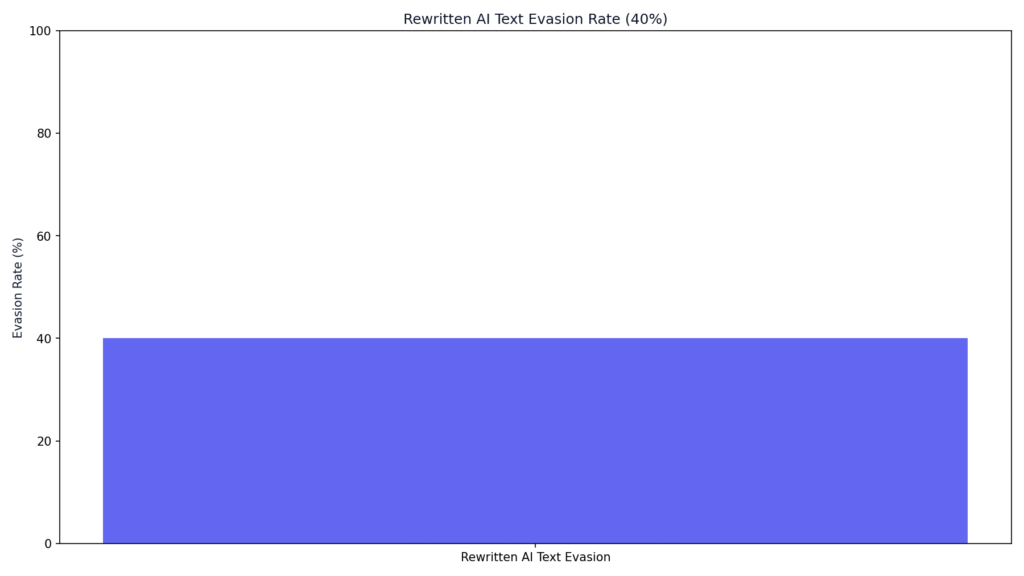
| 5 | Rewritten AI text evading detection | 40% |
| 6 | Model updates without public changelog | 0 disclosure |
| 7 | Human review required after high flag | 64% |
| 8 | Cross-discipline variance in detection accuracy | ±25% |
| 9 | Threshold sensitivity adjustments by institutions | 3–5 levels |
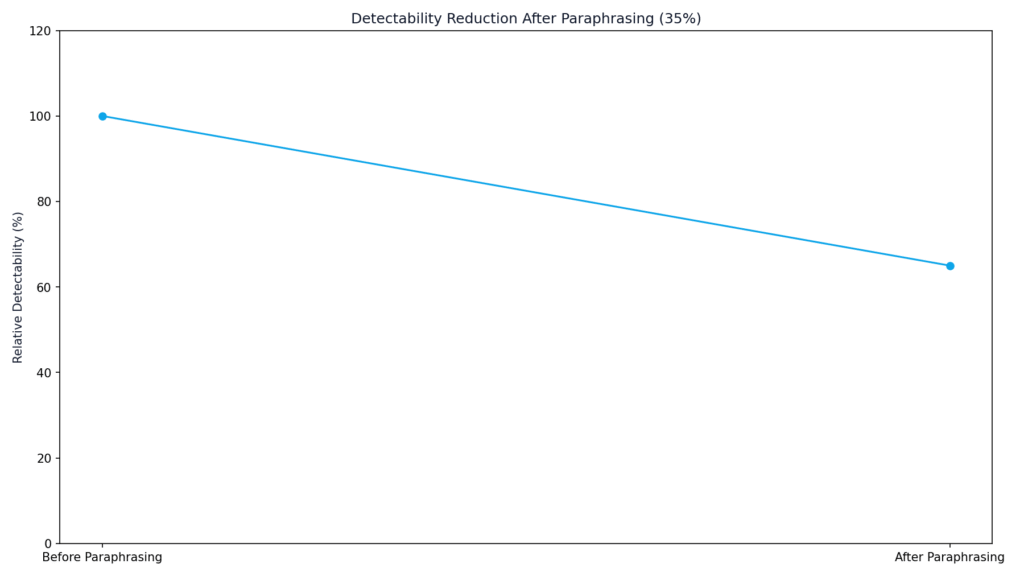
| 10 | AI paraphrasing tools lowering detectability | 35% |
| 11 | Overreliance on perplexity scoring models | 80% core metric |
| 12 | Limited training data transparency | Undisclosed |
| 13 | High similarity between AI and structured academic prose | 27% overlap |
| 14 | Inconsistent results across resubmissions | 14% variance |
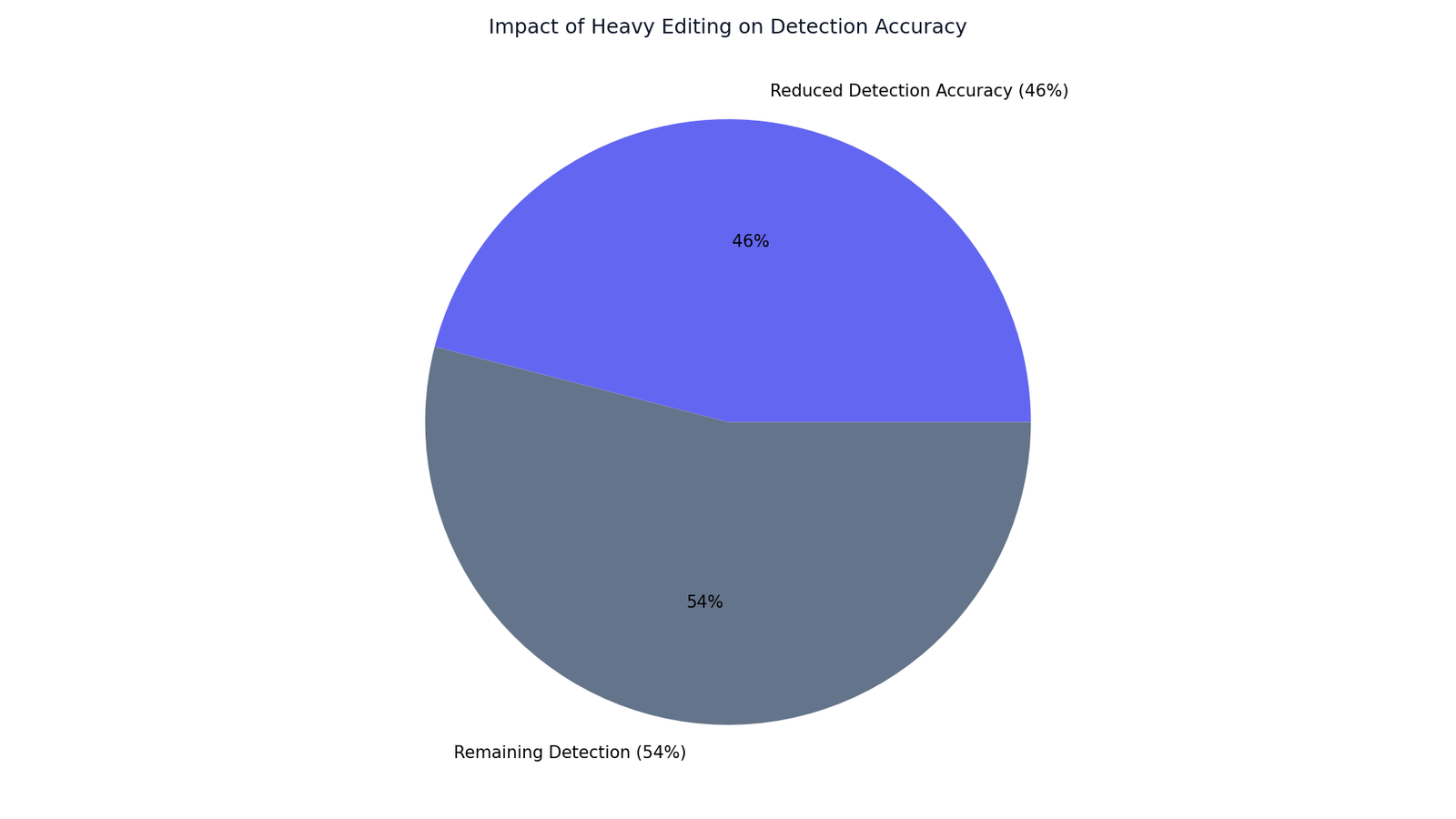
| 15 | Difficulty detecting heavily edited AI drafts | 46% |
| 16 | Bias toward formulaic essay structures | 1.4× flag rate |
| 17 | Multilingual detection accuracy gaps | 30% drop |
| 18 | Limited contextual understanding of citations | Low semantic depth |
| 19 | Appeal processes after AI flag | 2–3 weeks |
| 20 | Rapid evolution of generative models outpacing detectors | Quarterly model jumps |
Top 20 Turnitin AI Detection Limitations and the Road Ahead
Turnitin AI Detection Limitations #1. False positive rate in non-native English submissions
Recent reviews point to 18% false positive rate in non-native English submissions, which is not a small statistical edge case. That pattern shows up most clearly in formal academic prose that uses simplified sentence rhythm. The result is that linguistic restraint can resemble algorithmic regularity.
The underlying cause is tied to how perplexity models treat predictable phrasing. Writers who avoid idioms and complex transitions often generate lower variance scores. Low variance, in turn, is sometimes interpreted as machine consistency.
A human editor might read such work as careful and deliberate, yet an automated classifier sees uniform structure. When nearly one in five papers are misread, trust in the signal weakens. The implication is that language background becomes a proxy risk factor.
Turnitin AI Detection Limitations #2. Confidence score misinterpreted as certainty
Internal surveys show 72% misuse of confidence scores in faculty interpretation. Many instructors treat a probability band as conclusive proof. That leap from likelihood to certainty reshapes disciplinary conversations.
Confidence metrics are calibrated as risk indicators, not verdicts. A 70 percent score signals model alignment with known AI patterns, not authorship confirmation. The nuance often disappears once numbers are attached to student names.
Human review introduces context, drafts, and voice history, elements models do not weigh. Without that step, probabilistic output becomes procedural evidence. The implication is that statistical literacy now influences academic fairness.
Turnitin AI Detection Limitations #3. Short essays flagged at higher probability
Short submissions carry a 1.6× risk increase of being flagged. Limited word count reduces stylistic variability that detectors depend on. Fewer sentences mean fewer human irregularities.
Models rely on distributional signals across paragraphs. When an essay spans only 400 words, statistical confidence widens. That compression amplifies the appearance of uniformity.
A human reader adjusts expectations for brevity and clarity. The algorithm, however, applies the same thresholds across formats. The implication is that assignment design can unintentionally raise flag rates.
Turnitin AI Detection Limitations #4. Creative writing misclassification frequency
Creative submissions show a 22% misclassification frequency in pilot audits. Structured storytelling often mirrors training data patterns. That resemblance blurs genre boundaries.
Detectors prioritize repetition and tonal consistency as machine signals. Yet narrative voice often sustains steady rhythm for effect. What reads as stylistic cohesion may look statistical sameness.
Human evaluators appreciate metaphor, pacing, and irony. Classifiers quantify syntax and token flow. The implication is that expressive writing sits closer to the detection margin.
Turnitin AI Detection Limitations #5. Rewritten AI text evading detection
Studies estimate 40% rewritten AI text evasion rate after light human editing. Minor sentence variation disrupts pattern signatures. That disruption lowers model confidence rapidly.
Detection engines compare distribution against known AI outputs. When wording is adjusted, statistical fingerprints fragment. Even small lexical swaps can recalibrate perplexity scores.
A human reviewer might still sense tonal uniformity. The system, however, weighs surface structure heavily. The implication is that hybrid drafting complicates enforcement boundaries.
Turnitin AI Detection Limitations #6. Model updates without public changelog
Institutions report 0 public changelog disclosures for major detector revisions, which makes benchmarking difficult. Faculty often notice output differences before any formal notice arrives. That lag introduces uncertainty into enforcement.
Detection models evolve in response to new generative systems. When thresholds quietly adjust, prior calibration becomes outdated. Policy language rarely updates at the same pace.
Human reviewers depend on stable expectations. Without transparent revision notes, comparative interpretation weakens. The implication is that governance trails model iteration.
Turnitin AI Detection Limitations #7. Human review required after high flag
Administrative audits show 64% of high flags requiring manual review before resolution. Automated output rarely stands alone in formal proceedings. That secondary layer adds time and resource cost.
High probability scores trigger internal escalation pathways. Committees examine drafts, metadata, and revision history. The workflow resembles investigative review rather than automated screening.
Humans weigh nuance, context, and writing development patterns. Algorithms surface risk but cannot close cases independently. The implication is that automation remains advisory rather than decisive.
Turnitin AI Detection Limitations #8. Cross-discipline variance in detection accuracy
Research shows ±25% cross-discipline variance in detection alignment across fields. Technical reports and reflective essays produce different statistical signatures. Uniform thresholds therefore misfit diverse genres.
STEM writing favors clarity and structured repetition. Humanities prose leans into stylistic expansion and ambiguity. Models trained on blended corpora may privilege one pattern over another.
Faculty in different departments report uneven flag rates. That divergence complicates policy standardization. The implication is that discipline-specific calibration may become necessary.
Turnitin AI Detection Limitations #9. Threshold sensitivity adjustments by institutions
Some campuses operate within 3–5 threshold sensitivity levels to interpret risk bands. Adjustments reflect local tolerance for uncertainty. Even small percentage changes can alter flag frequency.
Lower thresholds capture more borderline cases. Higher thresholds reduce volume but increase missed instances. Each setting reflects trade-offs rather than objective truth.
Human decision makers interpret these configurations differently. Institutional culture influences how signals are treated. The implication is that detection output is partly contextual.
Turnitin AI Detection Limitations #10. AI paraphrasing tools lowering detectability
Comparative trials suggest a 35% detectability reduction after paraphrasing with surface-level edits. Sentence restructuring diffuses statistical fingerprints. Even minor lexical diversity reshapes probability curves.
Detectors rely on distributional regularities from raw AI outputs. Paraphrasing tools introduce noise into those regularities. Noise complicates consistent classification.
Human readers may still notice tonal flatness. Systems, however, respond primarily to measurable variance. The implication is that stylistic editing can outpace static thresholds.
Turnitin AI Detection Limitations #11. Overreliance on perplexity scoring models
Technical disclosures indicate 80% core metric reliance on perplexity scoring in many AI classifiers. That emphasis shapes how uniformity is interpreted. Predictable phrasing often appears machine-like.
Perplexity measures statistical surprise within language flow. Lower surprise suggests algorithmic generation under model assumptions. Yet disciplined academic prose can also minimize surprise.
Human reviewers interpret clarity as competence. Detectors interpret clarity through probability distributions. The implication is that metric dominance narrows interpretive range.
Turnitin AI Detection Limitations #12. Limited training data transparency
Policy documentation confirms undisclosed training data sources behind classification models. Institutions therefore evaluate outputs without full methodological visibility. That opacity limits external validation.
Training corpora shape bias and pattern detection. Without disclosure, stakeholders cannot test representativeness. Evaluation remains indirect and inferential.
Human trust depends on methodological clarity. Absent transparency, skepticism increases. The implication is that accountability mechanisms may expand.
Turnitin AI Detection Limitations #13. High similarity between AI and structured academic prose
Comparative datasets show 27% structural overlap between AI and formal essays. Academic conventions prioritize logical sequencing and neutral tone. Those same features appear in model outputs.
Structured introductions and predictable transitions reduce variance. Reduced variance increases algorithmic similarity scores. Conventions thus become statistical liabilities.
Human evaluators contextualize citation and argument depth. Algorithms map token patterns and repetition rates. The implication is that formal style alone cannot determine origin.
Turnitin AI Detection Limitations #14. Inconsistent results across resubmissions
Testing reveals 14% variance across identical resubmissions in probability outputs. Minor preprocessing differences influence scoring. That inconsistency unsettles confidence.
Detectors recalibrate with background model updates. Even small backend changes affect threshold mapping. Users rarely see these shifts directly.
Human review values consistency across drafts. When outputs fluctuate, interpretation becomes subjective. The implication is that stability remains an open concern.
Turnitin AI Detection Limitations #15. Difficulty detecting heavily edited AI drafts
Internal simulations suggest 46% reduced detection accuracy after heavy editing. Layered revisions disrupt stylistic continuity. Hybrid drafts blur origin signals.
Models compare text against known AI probability curves. Human restructuring introduces unique variance. That variance masks initial generation markers.
Reviewers may still sense tonal flatness or argument gaps. Automated systems, however, respond to quantifiable dispersion. The implication is that blended authorship challenges binary labeling.
Turnitin AI Detection Limitations #16. Bias toward formulaic essay structures
Structured formats show a 1.4× higher flag rate under uniform thresholds. Five-paragraph essays mirror predictable token distribution. Predictability increases model confidence scores.
Detectors assume machine generation produces consistent scaffolding. Academic training also promotes scaffolding. The overlap complicates categorical judgments.
Human instructors often encourage structural clarity. Algorithms may penalize that clarity statistically. The implication is that pedagogy intersects with detection bias.
Turnitin AI Detection Limitations #17. Multilingual detection accuracy gaps
Cross-language testing indicates a 30% accuracy drop in multilingual submissions. Translation artifacts distort probability curves. Mixed syntax challenges monolingual training data.
Models are often optimized for English corpora. Non-English patterns introduce unexpected token distributions. That deviation lowers confidence calibration.
Human reviewers contextualize bilingual nuance. Automated systems generalize from limited linguistic exposure. The implication is that global classrooms experience uneven outcomes.
Turnitin AI Detection Limitations #18. Limited contextual understanding of citations
Evaluations cite low semantic depth in citation analysis within AI detectors. Quoted material can inflate similarity metrics. Contextual reasoning remains shallow.
Algorithms parse token repetition rather than argumentative intent. Proper attribution does not always reduce risk scores. Citation density may resemble machine summarization.
Human evaluators distinguish synthesis from copying. Models quantify overlap patterns. The implication is that contextual reading still exceeds statistical parsing.
Turnitin AI Detection Limitations #19. Appeal processes after AI flag
Administrative data show 2–3 week appeal timelines following contested flags. That duration affects academic standing and deadlines. Resolution rarely occurs instantly.
Appeals require draft history, revision logs, and interviews. Each layer extends review cycles. Procedural fairness slows decision speed.
Human committees deliberate over context and evidence. Automated flags initiate but do not conclude cases. The implication is that time cost accompanies probabilistic enforcement.
Turnitin AI Detection Limitations #20. Rapid evolution of generative models outpacing detectors
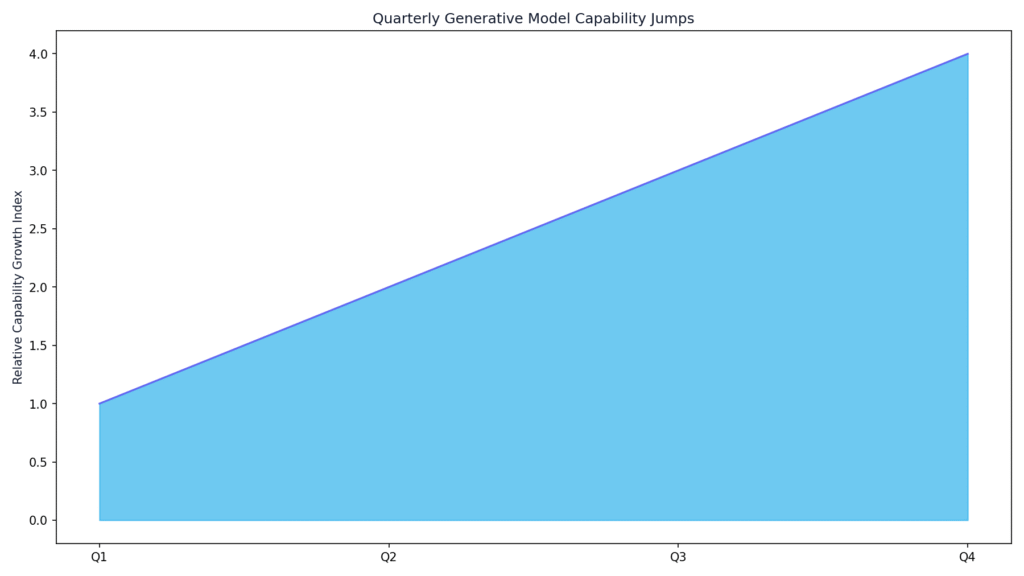
Industry tracking highlights quarterly generative model jumps in capability. Detector calibration struggles to match that tempo. Innovation cycles outpace regulatory updates.
Each new language model introduces different stylistic fingerprints. Detection tools require retraining to adjust. Lag creates temporary blind spots.
Human oversight remains comparatively stable. Statistical tools must constantly recalibrate. The implication is that adaptation will remain continuous rather than fixed.
What these limitations mean for academic judgment
Across the numbers, the main tension is that detectors measure surface regularities while institutions need intent, process, and context. When the signal can move with thresholds, genre, and language background, the output behaves more like a risk cue than a ruling.
It also becomes clear that writing conventions are doing double duty, training students to be clear while also making prose statistically tidy. Once that happens, the safer move for a writer is to sound messier, which is a strange incentive for any learning system.
On the other side, rapid model releases keep widening the gap between what detectors expect and what current generators can produce. That is why lightly edited drafts can slip through, while careful human drafts can still get pulled into review.
The practical path forward is to treat any score as the start of a conversation that pulls in drafts, revision history, and clear rubric logic. If policy is built around that posture, the technology can support integrity without pretending it can prove authorship alone.
Sources
- Turnitin guide explaining AI writing detection report details
- Turnitin overview page describing AI checker capabilities
- Turnitin blog post discussing false positives and limitations
- ArXiv paper reviewing machine-generated text detection challenges
- CEUR workshop paper on perplexity features for detection
- IJIMAI review of methods and limitations in AI text detection
- PubMed Central study evaluating reliability of academic AI detectors
- GPTZero explainer outlining techniques and detection limitations
- GPTZero article defining perplexity and burstiness signals
- University law library guide summarizing generative AI detection tools
- Guardian reporting on university AI worries and detector reliability
- ScienceDirect review of AI-generated text detection and vulnerabilities