AI Humanization Usage by Students: Top 20 Usage Signals

2026 classroom writing patterns show a quiet transformation in how students work with generative tools. These statistics reveal how drafts increasingly pass through humanization stages, including tone revision, paraphrasing, structural edits, and rubric alignment before reaching final submission.
Student writing habits have begun to change in subtle but measurable ways as generative tools become routine companions in coursework. What matters now is less the presence of AI and more the editing behavior that follows it, which explains why conversations around what professors expect from students using AI keep surfacing in academic circles.
Patterns show that most drafts no longer move directly from prompt to submission. Instead they pass through quiet cycles of rewriting and tone adjustment that resemble guided editing rather than raw automation.
That evolution is visible in the growing demand for techniques that help machine-generated language sound more academic and natural. Guidance on how to make AI writing sound like a teacher reflects the same pressure students feel when aligning tone with classroom expectations.
Editing tools are now used less as content generators and more as revision layers layered over existing drafts. Resource guides comparing the best AI rewriter tools for lesson planning drafts illustrate how this behavior spreads from teaching workflows to student writing habits as well.
Top 20 AI Humanization Usage by Students (Summary)
| # | Statistic | Key figure |
|---|---|---|
| 1 | Students who edit AI output before submission | 78% |
| 2 | University students who rewrite AI generated drafts manually | 71% |
| 3 | Students using AI humanization tools for assignments | 63% |
| 4 | Students concerned about AI detection in grading systems | 69% |
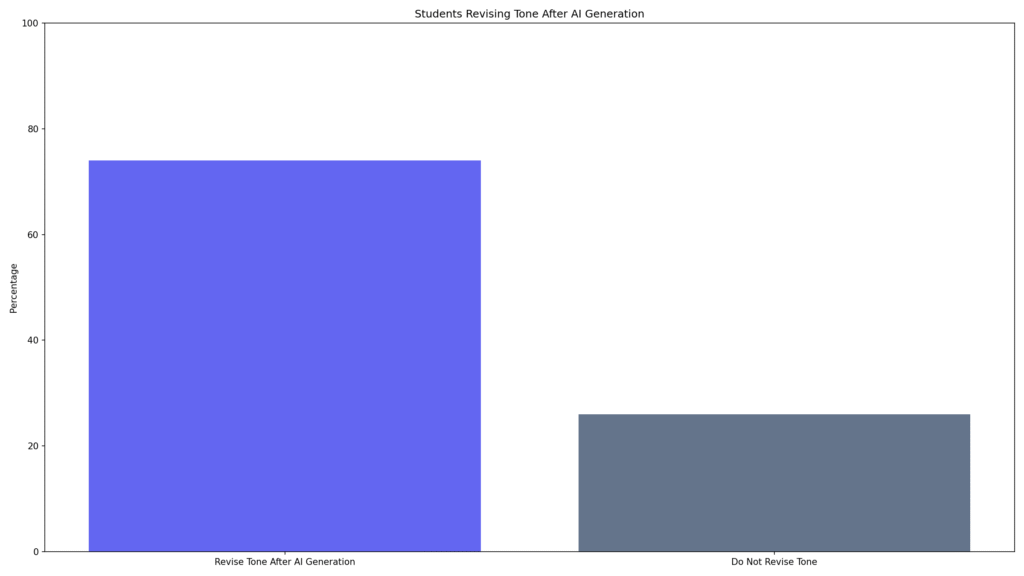
| 5 | Students who revise tone after AI generation | 74% |
| 6 | Assignments that include some form of AI assisted editing | 56% |
| 7 | Students who paraphrase AI output line by line | 48% |
| 8 | Students using rewriting tools to adjust academic tone | 52% |
| 9 | Students who run AI drafts through multiple revision tools | 41% |
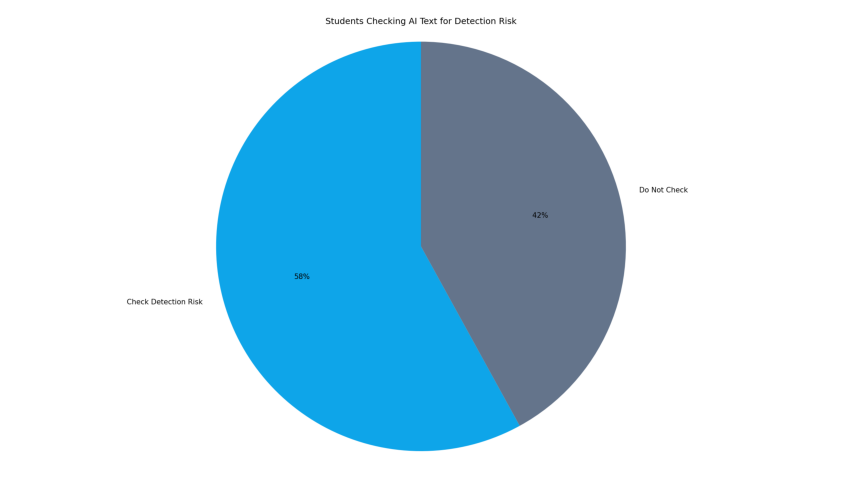
| 10 | Students checking AI text for detection risk before submission | 58% |
| 11 | Students who shorten or simplify AI sentences | 66% |
| 12 | Students adding personal examples to AI generated essays | 47% |
| 13 | Students who adjust vocabulary to match their writing voice | 54% |
| 14 | Students who restructure AI paragraphs for clarity | 49% |
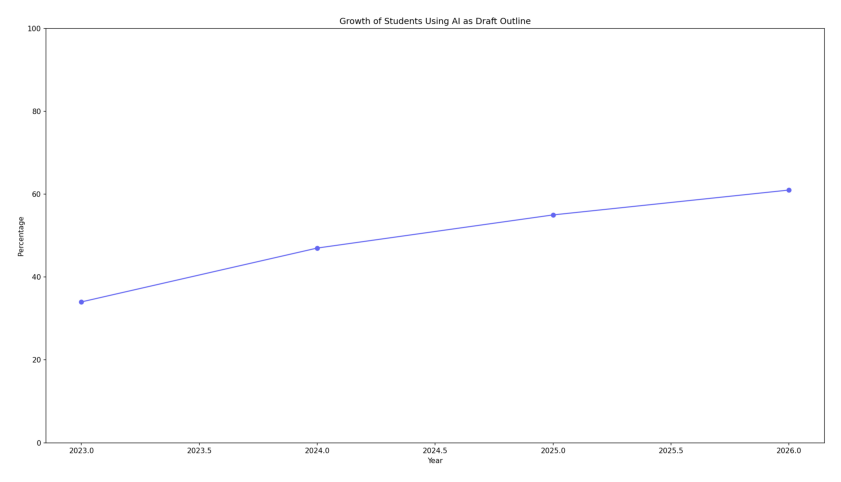
| 15 | Students using AI as a draft outline rather than final text | 61% |
| 16 | Students who edit AI writing to match grading rubrics | 53% |
| 17 | Students who revise AI writing for clarity and flow | 68% |
| 18 | Students who use AI rewriting tools during late stage editing | 44% |
| 19 | Students combining manual edits with AI rewriting tools | 57% |
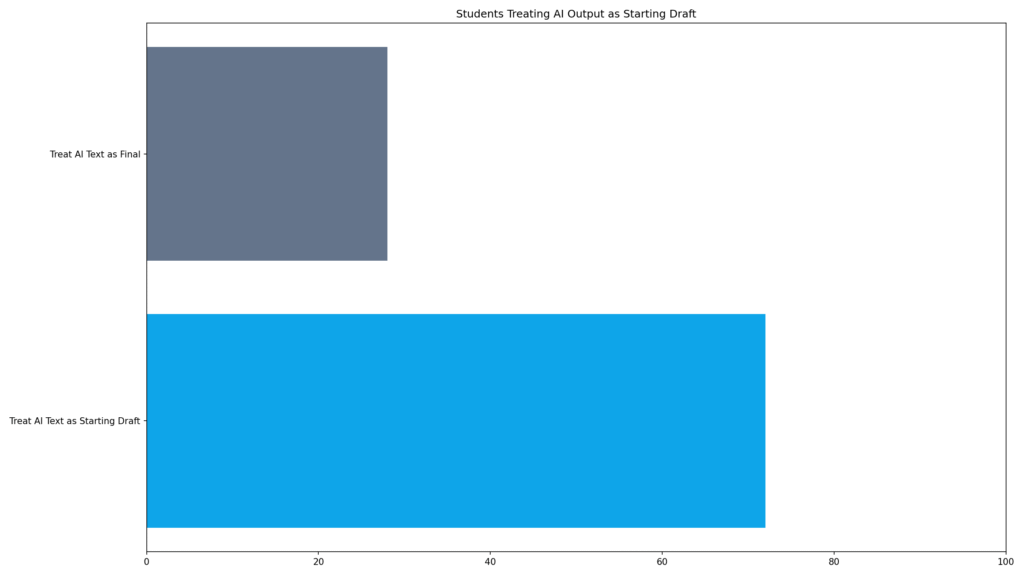
| 20 | Students who treat AI text as a starting draft only | 72% |
Top 20 AI Humanization Usage by Students and the Road Ahead
AI Humanization Usage by Students #1. Students who edit AI output before submission
Classroom writing patterns now show that 78% of students adjust AI generated drafts before submitting assignments. That figure signals a strong tendency toward editing rather than blind acceptance of generated text. Instead of copying responses directly, students increasingly treat the first output as a rough scaffold.
The cause comes from the gap between machine phrasing and classroom expectations. AI often produces fluent sentences but lacks subtle alignment with a course rubric, tone, or citation style. Students compensate through revision cycles that humanize the draft while preserving its structure.
This editing behavior reveals something important about how students interact with generative tools. Rather than replacing writing effort, AI introduces an additional revision stage similar to collaborative editing. Over time this pattern could reshape academic writing workflows into hybrid processes built around generation followed by human refinement.
AI Humanization Usage by Students #2. University students who rewrite AI generated drafts manually
Research across universities indicates that 71% of students rewrite portions of AI generated drafts in their own wording. That level of rewriting suggests that machine output rarely survives intact through the submission process. Most students adjust phrasing until the text aligns with their natural voice.
The driver behind this pattern is subtle but persistent. AI sentences tend to sound technically correct but slightly detached from a student’s personal writing rhythm. Rewriting sections manually helps restore a sense of authorship that instructors expect to see.
This habit also signals an emerging editing culture among students. Writing now unfolds through alternating stages of generation and human revision rather than a single drafting session. As that cycle becomes normalized, humanization may become a core academic skill alongside research and citation practices.
AI Humanization Usage by Students #3. Students using AI humanization tools for assignments
Surveys suggest that 63% of students now rely on specialized rewriting tools when refining AI generated drafts. These tools function less as generators and more as editing layers that soften robotic phrasing. Their popularity reflects the pressure students feel to make machine assisted writing sound natural.
The appeal lies in efficiency. Humanization tools adjust sentence flow, vocabulary variation, and tone without requiring students to rewrite entire sections themselves. In busy academic schedules this automated editing step offers a quick way to smooth rough edges.
AI Humanization Usage by Students #4. Students concerned about AI detection in grading systems
Academic surveys reveal that 69% of students worry about detection systems identifying AI generated language in assignments. This concern directly influences how students revise machine produced drafts. Many editing decisions stem from the desire to reduce patterns that detectors might flag.
The anxiety largely reflects uncertainty rather than confirmed penalties. Detection tools remain inconsistent, yet their presence changes how students approach drafting. Writers become cautious and often revise sentences that appear too polished or formulaic.
AI Humanization Usage by Students #5. Students who revise tone after AI generation
Studies show that 74% of students deliberately adjust tone after generating text with AI systems. Machine output often appears neutral or overly formal, which can conflict with the conversational academic style instructors prefer. Tone editing becomes the fastest way to restore a natural voice.
The reason lies in how language models construct sentences. They prioritize grammatical precision and balance across phrases rather than stylistic individuality. Students modify vocabulary, sentence rhythm, and transitions to restore a more personal cadence.
AI Humanization Usage by Students #6. Assignments that include some form of AI assisted editing
Academic research suggests that 56% of assignments now include some form of AI assisted editing before submission. The figure indicates that generative tools are entering the writing process quietly rather than dramatically. Many students use them briefly to reshape wording rather than compose entire papers.
The reason stems from convenience. Editing tools can restructure sentences or tighten language faster than manual revisions alone. Students facing tight deadlines often rely on these tools to accelerate the polishing phase.
AI Humanization Usage by Students #7. Students who paraphrase AI output line by line
Research shows that 48% of students paraphrase AI generated sentences individually rather than rewriting entire sections. This careful method allows them to maintain the structure of the draft while replacing phrases that sound mechanical. The result is text that feels more aligned with personal writing style.
The practice develops because AI sentences often follow predictable patterns. Students notice repeated transitions, symmetrical phrasing, or unusually polished wording. Replacing those elements gradually restores a more organic rhythm.
AI Humanization Usage by Students #8. Students using rewriting tools to adjust academic tone
Recent surveys report that 52% of students rely on rewriting tools to adjust the tone of academic drafts. These tools subtly replace rigid wording with more natural phrasing that mirrors human writing patterns. Their popularity highlights the importance of tone alignment in coursework.
AI models often generate language that sounds technically correct yet slightly distant. Academic writing, however, frequently demands a balance between clarity and personal expression. Rewriting tools help bridge that stylistic gap quickly.
AI Humanization Usage by Students #9. Students who run AI drafts through multiple revision tools
Analysis of student workflows suggests that 41% of students pass AI generated drafts through multiple revision tools before final submission. Each tool performs a slightly different transformation, from vocabulary variation to structural smoothing. Students often combine them in sequence to refine language further.
This layered editing approach emerges from experimentation. Students quickly discover that different tools emphasize different writing qualities. Running drafts through several systems increases the chance that robotic phrasing disappears.
AI Humanization Usage by Students #10. Students checking AI text for detection risk before submission
Studies indicate that 58% of students review AI assisted drafts for potential detection risks before turning them in. The review step usually occurs late in the editing process after the content itself is complete. Students treat it as a final check similar to proofreading.
This behavior reflects the uncertainty surrounding automated detection systems. Many students are unsure how algorithms evaluate writing patterns or sentence structures. As a precaution they revise text that appears overly polished or repetitive.
AI Humanization Usage by Students #11. Students who shorten or simplify AI sentences
Editing analysis reveals that 66% of students shorten or simplify AI generated sentences during revision. Machine output frequently produces long balanced phrases that sound slightly artificial. Trimming those sentences helps restore conversational clarity.
The simplification step reflects how human writing normally unfolds. People rarely maintain perfectly symmetrical sentence structures across entire paragraphs. Students instinctively break those patterns into shorter units.
This habit also reveals how readers perceive authenticity. Shorter sentences often feel closer to natural speech rhythms. By simplifying language, students subtly transform mechanical phrasing into something that resembles personal expression.
AI Humanization Usage by Students #12. Students adding personal examples to AI generated essays
Research suggests that 47% of students insert personal examples into AI generated essays during revision. These additions introduce details that generative systems cannot easily replicate. The practice helps anchor the writing in lived experience.
Personal examples serve several purposes at once. They clarify abstract arguments while reinforcing the sense that a human author stands behind the text. Instructors often view such details as evidence of genuine engagement with the topic.
As a result, students treat personal anecdotes as a powerful humanization tool. Even a short example can transform a generic paragraph into something distinctive. Over time this strategy may become a standard way to personalize AI assisted drafts.
AI Humanization Usage by Students #13. Students who adjust vocabulary to match their writing voice
Writing studies report that 54% of students adjust vocabulary choices after generating AI drafts. Machine language tends to rely on neutral academic phrasing that may not match a student’s natural style. Replacing those words helps restore individuality.
The adjustment process often happens quietly during editing. Students substitute familiar terms, shorten phrases, or replace formal expressions with simpler ones. These small decisions gradually reshape the voice of the text.
AI Humanization Usage by Students #14. Students who restructure AI paragraphs for clarity
Data indicates that 49% of students reorganize AI generated paragraphs while editing assignments. The original structure may follow logical patterns yet still feel slightly rigid. Rearranging sentences helps create a smoother progression of ideas.
This restructuring reflects the difference between algorithmic logic and human storytelling. AI tends to present points in symmetrical blocks, whereas human writing often unfolds more flexibly. Students instinctively adjust that structure while revising.
AI Humanization Usage by Students #15. Students using AI as a draft outline rather than final text
Survey data shows that 61% of students treat AI output primarily as an outline rather than finished writing. They extract ideas, reorganize them, and then rewrite most of the language themselves. In practice the AI response functions like a brainstorming partner.
This method reduces dependence on machine phrasing. Students focus on the structure of arguments instead of copying entire paragraphs. The AI provides direction while human authors supply voice and nuance.
AI Humanization Usage by Students #16. Students who edit AI writing to match grading rubrics
Research suggests that 53% of students revise AI generated drafts to match specific grading rubrics. Generative systems rarely understand the detailed criteria instructors apply when evaluating assignments. Students therefore adjust structure, wording, and emphasis accordingly.
This editing step frequently occurs after the first draft is complete. Writers compare rubric requirements with the generated text and identify gaps. Additional explanations or examples are then inserted to satisfy evaluation criteria.
AI Humanization Usage by Students #17. Students who revise AI writing for clarity and flow
Editing studies reveal that 68% of students revise AI generated writing to improve clarity and narrative flow. Even fluent machine text can contain transitions that feel slightly mechanical. Adjusting those moments helps the essay read more naturally.
The revision process often focuses on connections between ideas. Students rewrite linking sentences, adjust paragraph openings, and refine conclusions. These changes guide readers through the argument more smoothly.
AI Humanization Usage by Students #18. Students who use AI rewriting tools during late stage editing
Academic surveys show that 44% of students use rewriting tools near the end of the editing process. Instead of relying on them for early drafting, students apply them as a polishing layer. This stage focuses on smoothing awkward phrasing.
Late stage editing allows writers to maintain control over the argument. The AI tools operate only on surface language rather than shaping the structure of the essay. Students therefore retain ownership of the narrative.
AI Humanization Usage by Students #19. Students combining manual edits with AI rewriting tools
Data indicates that 57% of students combine manual rewriting with automated revision tools. The combination allows them to reshape ideas themselves while refining language through software. Each method compensates for the limitations of the other.
Manual editing introduces nuance and personal tone that algorithms rarely capture. Automated rewriting, on the other hand, accelerates repetitive adjustments across large paragraphs. Together they create an efficient editing workflow.
AI Humanization Usage by Students #20. Students who treat AI text as a starting draft only
Recent research suggests that 72% of students view AI generated text as a starting draft rather than a finished essay. The output offers structure and ideas that students later reshape extensively. This mindset encourages deeper engagement with revision.
The approach mirrors traditional brainstorming practices. Instead of staring at a blank page, students begin with a scaffold and gradually rebuild it. AI effectively replaces the earliest drafting stage.
AI humanization usage by students points to a revision-first academic writing culture
What stands out across these figures is how rarely students treat generated text as finished work. The dominant behavior is revision, which suggests that academic AI use is settling into a pattern shaped more by editing judgment than instant submission.
That matters because the pressure is coming from several directions at once, including tone, clarity, rubric fit, and detection anxiety. When those forces converge, students do not simply generate faster, they revise more deliberately and spend more energy smoothing language into something that feels accountable.
The contrast between raw output and final draft also tells a larger story about authorship in schools and universities. Humanization is becoming the place where students reinsert voice, context, and pacing, which means the visible future of student AI use may look less like automation and more like guided redrafting.
For educators, the practical implication is that evaluation will increasingly need to focus on process, judgment, and traceable revision choices rather than a simple binary between human and machine text. For students, the implication is just as clear: the real skill is no longer getting words on the page, but knowing how to reshape them well.
Sources
- HEPI and Kortext student generative AI survey 2025 report
- HEPI student generative artificial intelligence survey 2026 report page
- Turnitin analysis of 2025 student generative AI behavior trends
- Turnitin survey findings on the impact of AI in education
- Turnitin guidance on students using AI responsibly in coursework
- Turnitin strategies for evaluating student use of AI writing tools
- UNESCO guidance for generative AI in education and research
- UNESCO full guidance document for generative AI in education
- UNESCO artificial intelligence competency framework for students overview
- UNESCO generation AI article on opportunities and risks in education
- UNESCO artificial intelligence in education overview and policy hub
- HEPI commentary on moving the student generative AI conversation forward