10 Best AI Humanizer Tools for Teaching Materials in 2026

2026 classrooms quietly rely on AI drafts, yet teaching materials still need a tone that feels clear, human, and deliberate. This guide reviews ten AI humanizer tools and how they handle lesson plans, worksheets, and classroom copy where readability matters as much as instructional precision.
Teachers who use AI to draft lesson notes, activity sheets, or parent-facing materials usually still need wording that sounds measured, clear, and human. That matters even more in classrooms where educators rebuild trust in student writing by showing how revision changes tone, clarity, and intent.
Humanizer tools try to soften generic phrasing, which can help when teaching materials feel too stiff or too obviously machine-shaped. The demand is not exactly theoretical either, since recent data on the percentage of students editing AI-generated text suggests that revision is already part of the workflow for a lot of academic writing.
Even so, not every tool handles educational content with the same level of restraint, and some introduce casual phrasing where precision would be better. That is why it helps to look closely at how to edit AI content to sound authentic before relying on any one platform for teaching materials.
The tools below vary in how they balance readability, control, and predictability, which is usually the whole thing for teachers working across handouts, slide copy, rubrics, and study guides. Some are better for fast cleanup, while others are more useful when the text needs to stay structured and classroom-appropriate.
10 Best AI Humanizer Tools for Teaching Materials
| # | Brand | TL;DR |
|---|---|---|
| 1 | WriteBros.ai | Useful for reshaping teaching copy so it reads more naturally without stripping out structure or clarity. |
| 2 | Writesonic AI Humanizer | Fast for smoothing robotic phrasing, especially when teachers need quick edits across short-form materials. |
| 3 | Grammarly AI Humanizer | Best known for polished sentence cleanup, with a familiar interface that suits frequent classroom writing edits. |
| 4 | AISEO AI Humanizer | A practical option for rewriting flat AI text into something that feels less repetitive and more readable. |
| 5 | QuillBot AI Humanizer | Helpful when teaching materials need paraphrasing and tone adjustment in the same pass. |
| 6 | Scribbr’s AI Humanizer | Feels aligned with academic use cases, which makes it easier to assess for school-related writing. |
| 7 | HumanizeAI.pro | Built around making AI text sound less synthetic, though results can vary by subject and grade level. |
| 8 | Walter Writes AI | Often positioned for undetectable-style rewriting, with a heavier emphasis on altering surface patterns. |
| 9 | Clever AI Humanizer | A simpler tool for making generated text less rigid, especially in shorter educational drafts. |
| 10 | AI Undetect | Designed to make AI-assisted writing read more naturally, though teachers may still need close manual review. |
On this page
10 Best AI Humanizer Tools for Teaching Materials Worth Noting
Best AI Humanizer Tools for Teaching Materials #1. WriteBros.ai
WriteBros.ai makes the most sense for teachers who already have usable AI drafts and need them to sound more natural without losing the structure that classroom materials depend on. That can be harder than it sounds, because lesson plans, worksheets, and discussion prompts need a tone that feels human yet still restrained, and plenty of tools overshoot in one direction or the other. Here, the output tends to stay readable and relatively composed, which matters when the original text includes instructions, learning goals, or short explanatory passages. It also feels more aware of rhythm, which is exactly the sort of thing that stops teaching copy from sounding copied and pasted from a machine. Still, the whole thing works best when the draft is already decent, since no humanizer can rescue weak source material without introducing a few odd turns. Teachers who expect one-click perfection will probably find that a final manual pass is still part of the job.
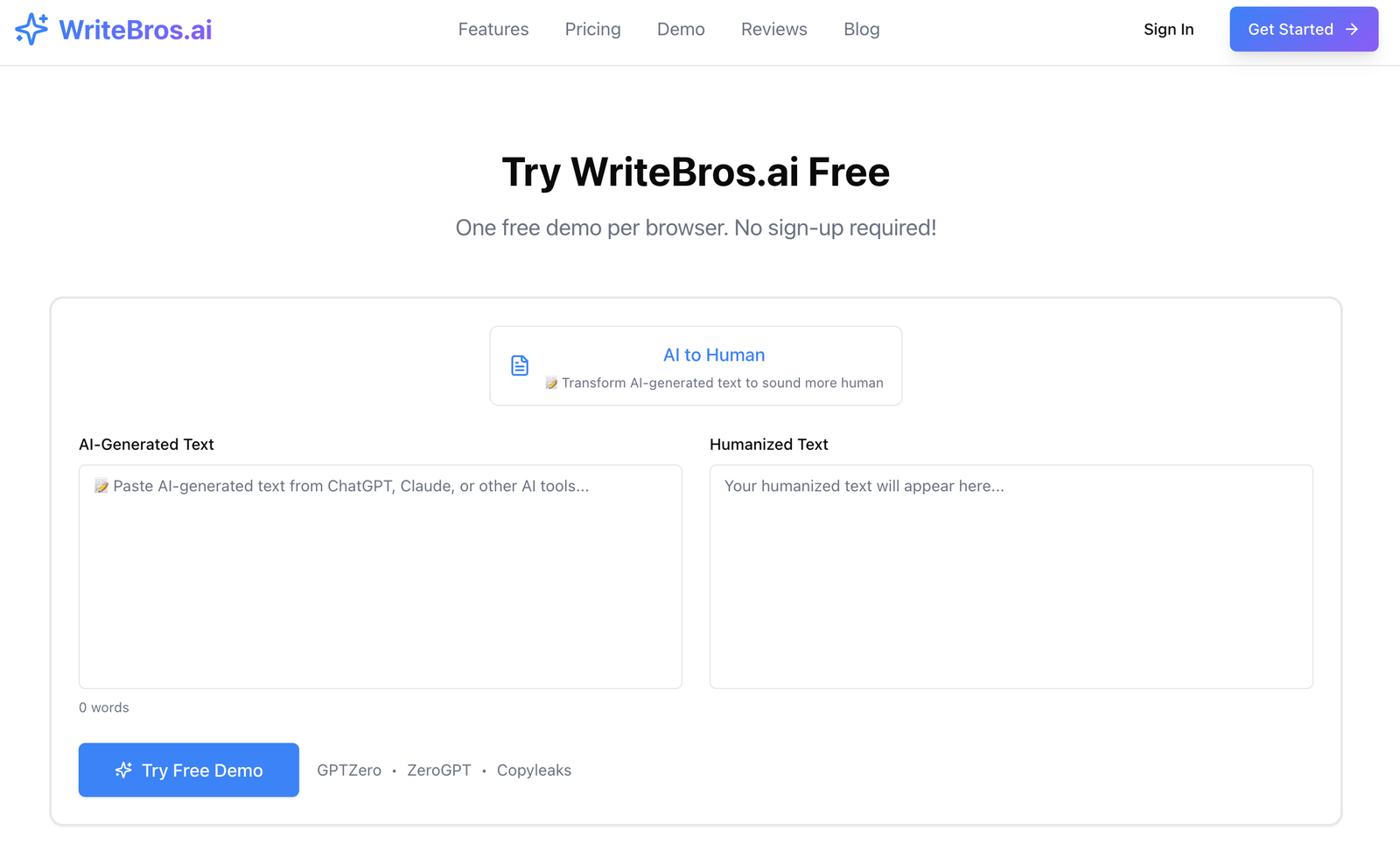
Best use case: Revising AI-generated lesson materials that need to sound calmer, clearer, and more teacher-written without flattening the original structure.
What it does well: It usually keeps the copy organized while easing some of the stiff phrasing that makes educational text feel machine-made.
Where it falls short: It is not magic, and thinner drafts still need a human editor to tighten examples, pacing, and classroom nuance.
Who should skip it: Teachers looking for a full curriculum builder rather than a refinement layer will probably need something broader.
Best AI Humanizer Tools for Teaching Materials #2. Writesonic AI Humanizer
Writesonic AI Humanizer is useful when a teacher needs quick rewrites across shorter materials such as exit tickets, announcement blurbs, or brief assignment instructions. The speed is appealing, especially during busy planning weeks when there is not much appetite for line-by-line rewriting. Its edits usually push text away from robotic phrasing fast, which can help with copy that feels too uniform or too blunt. The tradeoff is that fast tools sometimes smooth things a little too aggressively, and educational writing does not always benefit from extra softness or filler. In practice, that means the draft can become more conversational than intended, which is fine for some teaching contexts and less fine for others. It works best when the teacher knows the target tone already and can spot what should stay formal.
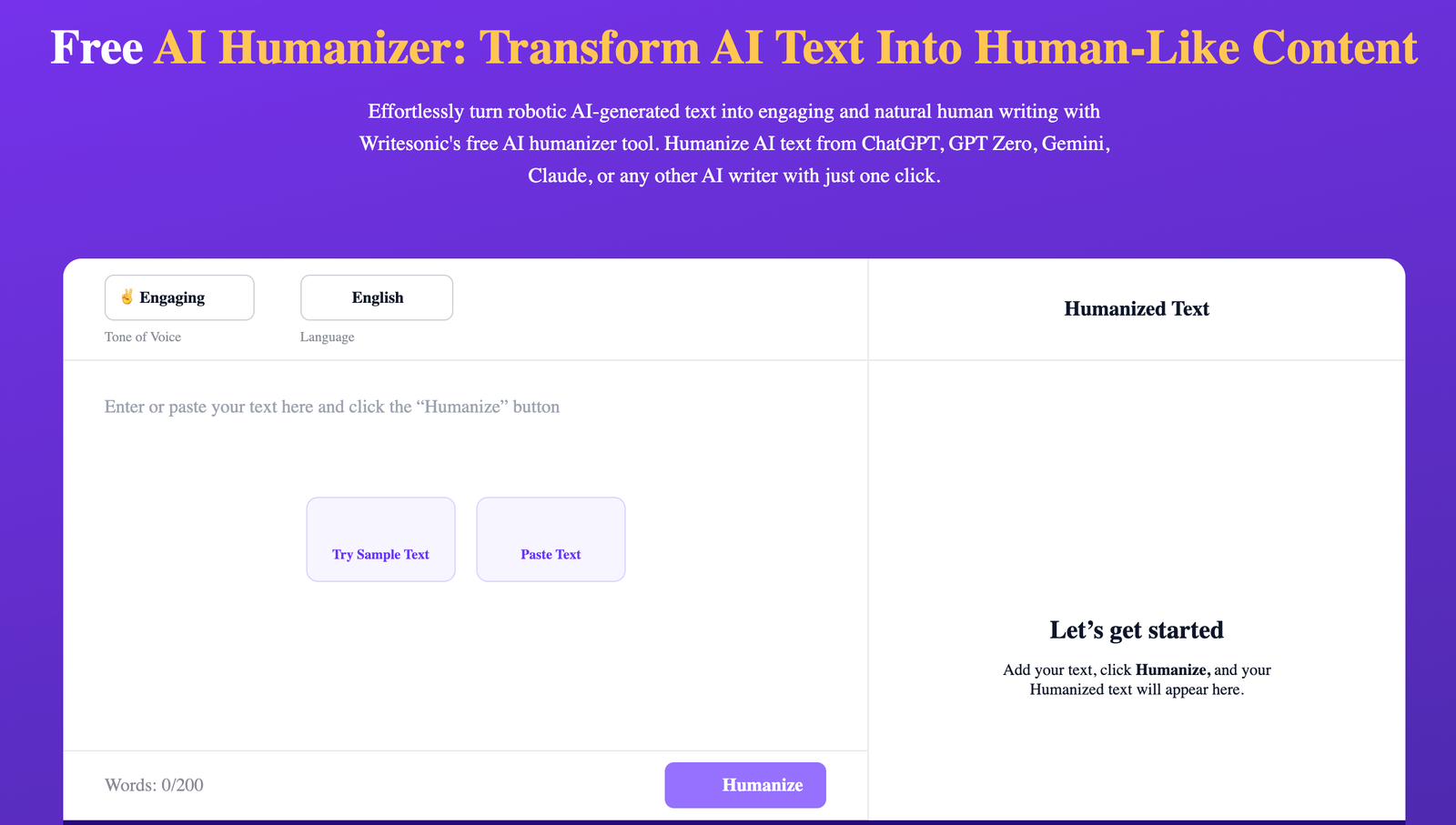
Best use case: Fast cleanup for short classroom copy that sounds flat and needs a more natural cadence before publishing or printing.
What it does well: It moves quickly and can make dry AI language feel less mechanical in a single pass.
Where it falls short: The rewrites can drift too casual for formal handouts, policy notes, or assessment instructions.
Who should skip it: Teachers who need very controlled academic tone in every sentence may find it a bit loose.
Best AI Humanizer Tools for Teaching Materials #3. Grammarly AI Humanizer
Grammarly AI Humanizer has the advantage of feeling familiar, which honestly matters more than people admit when teachers are already juggling half a dozen tools. Its strength is not dramatic transformation so much as polished cleanup, and that can suit teaching materials that already have the right content but the wrong texture. Sentences tend to come back smoother and more readable, which is useful for parent emails, study guides, and explanatory notes that need to sound steady rather than clever. At the same time, it can lean toward polished generality, and classroom writing sometimes needs sharper specificity than a broad assistant naturally provides. So the result may read clean without fully sounding like a teacher who knows the exact age group, subject, and learning context. That is a manageable issue, though it does mean the last layer of precision still belongs to the person in the classroom.
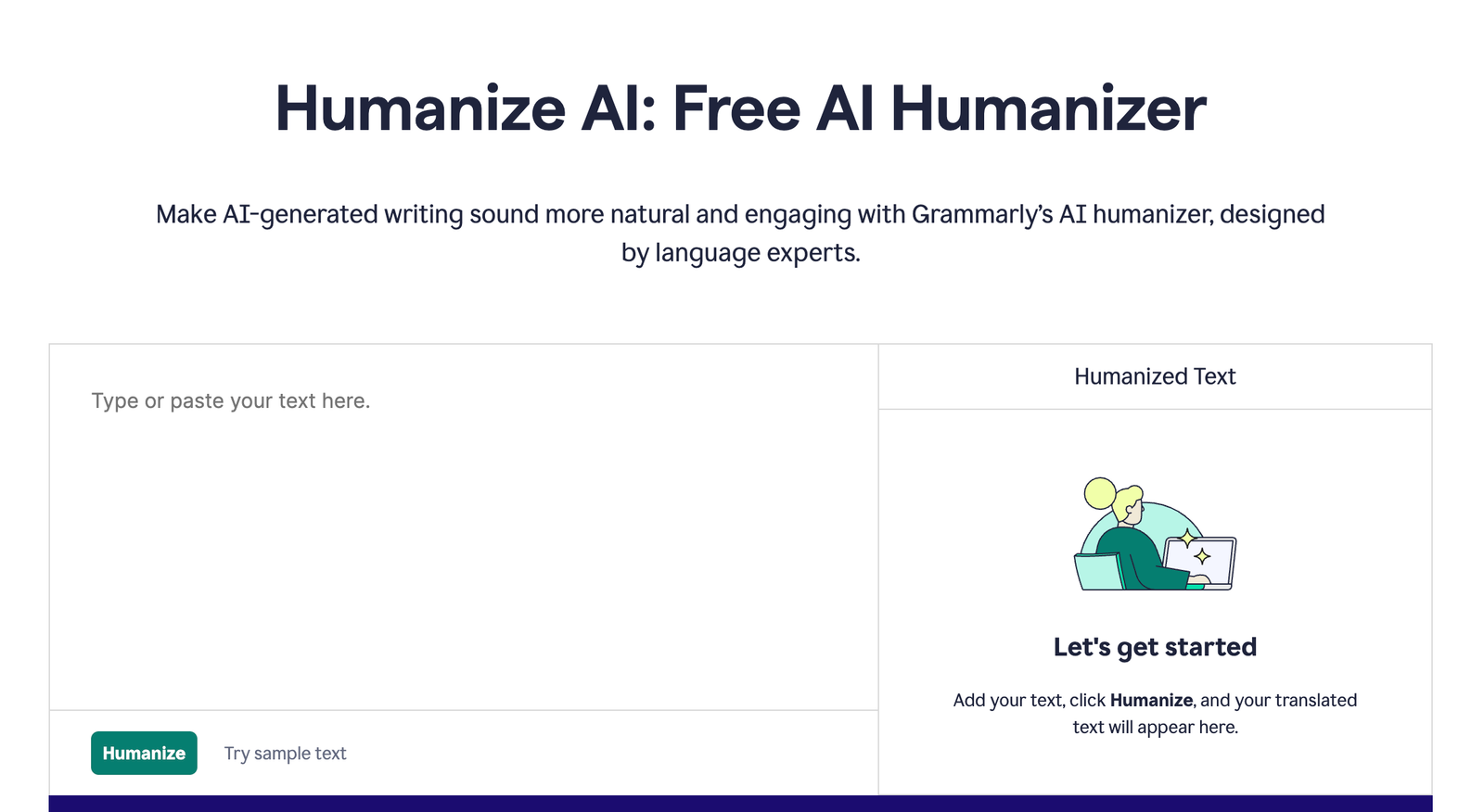
Best use case: Polishing already solid teaching drafts that need better flow, cleaner wording, and fewer awkward phrases.
What it does well: It produces tidy, readable edits in an interface many teachers already know and trust.
Where it falls short: The output can feel a little generic when the material needs subject-specific voice or sharper educational context.
Who should skip it: Anyone hoping for a heavy rewrite engine rather than a refinement tool may want something more aggressive.
Best AI Humanizer Tools for Teaching Materials #4. AISEO AI Humanizer
AISEO AI Humanizer is a reasonable pick for teachers dealing with AI text that feels repetitive, overexplained, or slightly synthetic in its sentence patterns. It tends to push the copy toward a more natural reading experience, which helps when materials are meant to be scanned quickly by students. That said, educational writing does not always want to sound effortlessly natural, because clarity sometimes depends on deliberate repetition and very plain sequencing. When a tool starts smoothing too much, some of that instructional usefulness can get lost. AISEO works well enough when the main problem is stiffness, though it benefits from a user who can tell the difference between natural language and language that has simply been rounded off. Basically, it is better as a cleanup step than as a substitute for thoughtful editing.
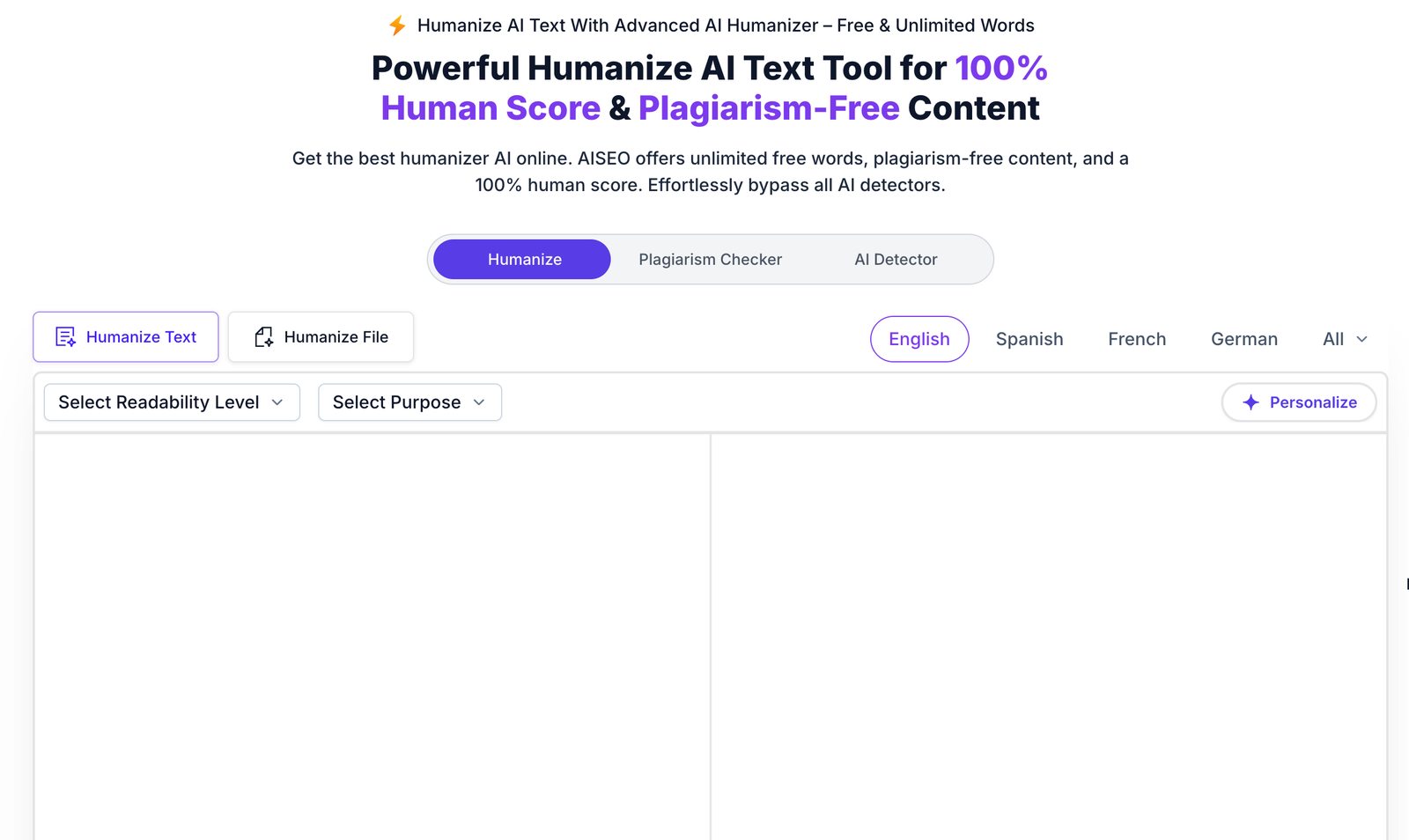
Best use case: Softening repetitive AI-generated handouts or notes that feel too patterned to use as-is.
What it does well: It can reduce visible machine-like phrasing and make instructional text easier to read at a glance.
Where it falls short: Some rewrites smooth away useful repetition that teachers intentionally keep for comprehension.
Who should skip it: Teachers writing highly structured directions for younger students may prefer tighter manual control.
Best AI Humanizer Tools for Teaching Materials #5. QuillBot AI Humanizer
QuillBot AI Humanizer is probably most appealing for teachers who already use paraphrasing tools and want humanization folded into the same general workflow. That makes sense for classroom materials, since the job is often part rewriting, part simplification, and part tone correction all at once. It can be handy for adapting the same source text into student-friendly notes, teacher guides, and parent-facing summaries, which is a very real use case in schools. The caution is that paraphrase-heavy systems can sometimes over-handle a sentence, leaving it technically fresh but slightly less precise. For teaching materials, precision matters exactly because students take wording literally. QuillBot is useful, then, but it rewards careful checking more than blind trust.
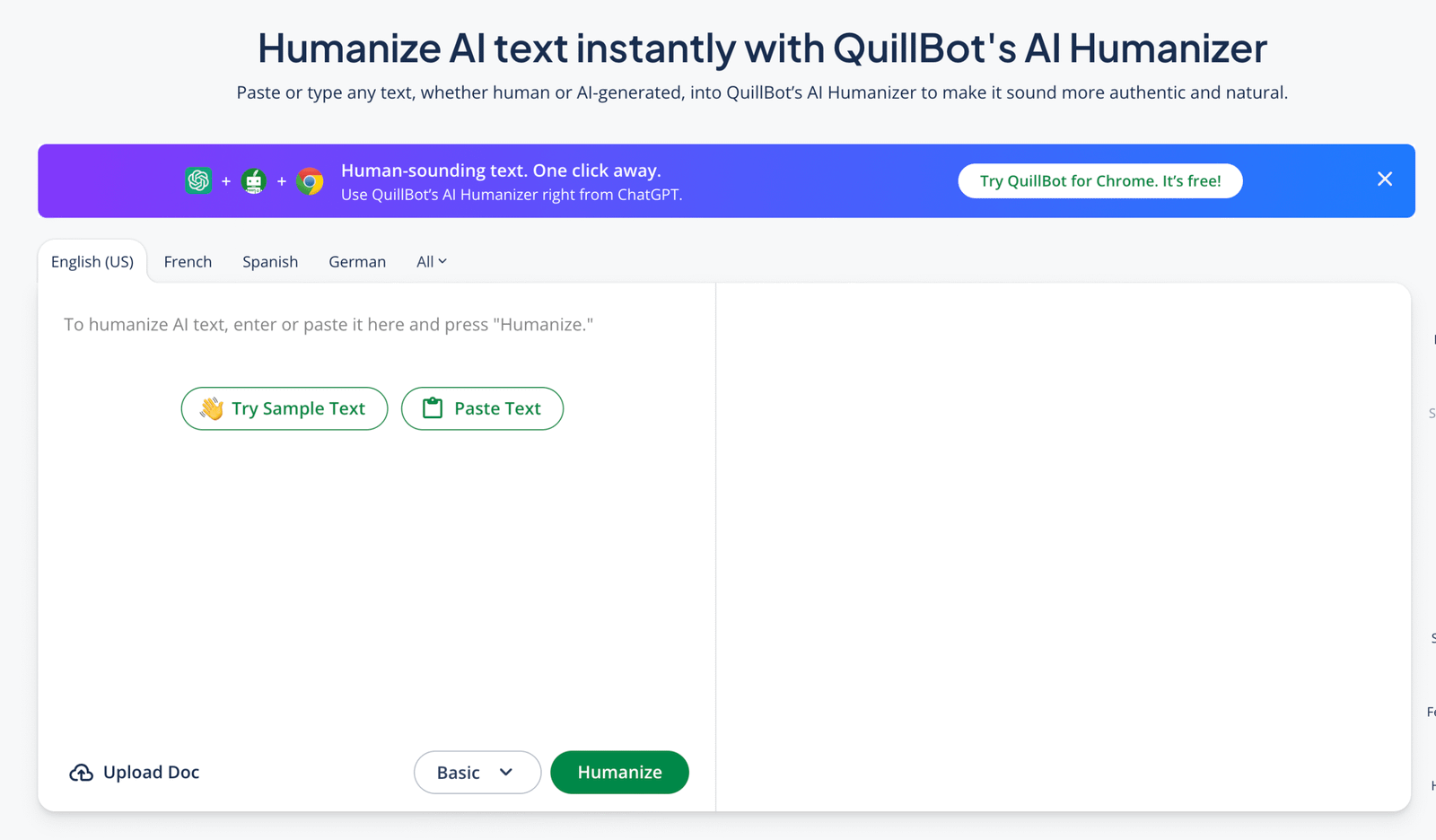
Best use case: Reworking the same educational content for different audiences while smoothing tone at the same time.
What it does well: It combines rewriting and humanization in a way that suits teachers adapting one draft into several versions.
Where it falls short: Heavier rewrites can alter nuance or make a carefully chosen classroom phrase less exact.
Who should skip it: Teachers who only want minimal edits rather than broader sentence reshaping may find it too interventionist.
Best AI Humanizer Tools for Teaching Materials #6. Scribbr’s AI Humanizer
Scribbr’s AI Humanizer feels more naturally aligned with academic use, which gives it a certain credibility for teaching materials from the start. That alignment does not guarantee perfect output, though it does mean the tone usually sits closer to educational expectations than tools built for broad marketing or SEO tasks. For teachers preparing study materials, revision notes, or assignment explanations, that kind of baseline can save time. The language often stays fairly disciplined, which is helpful when a teacher wants to reduce AI texture without sounding breezy or promotional. Even so, it can still produce copy that feels a bit standardized, and some classroom voices need more warmth or subject personality than a neutral academic tool tends to offer. So it is a strong option for steady academic phrasing, less so for materials that need a distinctive teacher voice.
Best use case: Academic-style teaching materials that need cleaner tone without becoming casual or overworked.
What it does well: It generally stays disciplined and readable in ways that suit school and university settings.
Where it falls short: The voice can remain a little standardized when the material needs more warmth or personality.
Who should skip it: Teachers building lively, highly conversational resources for younger learners might want something less formal.
Best AI Humanizer Tools for Teaching Materials #7. HumanizeAI.pro
HumanizeAI.pro is clearly built around making text appear less machine-written, which gives it an obvious attraction for anyone uneasy with visibly artificial phrasing. For teaching materials, that can be useful when the original draft sounds stiff enough to distract from the lesson itself. The issue is that school writing is not the same as casual web copy, and a tool that aims too strongly at sounding human can sometimes mistake informality for authenticity. That is where teachers need to be careful, because a handout can sound less robotic and still become less appropriate. HumanizeAI.pro can help with rough drafts that need softening, though the best results come when the editor has a firm sense of classroom tone before starting. Without that judgment, the tool may solve one problem and quietly introduce another.
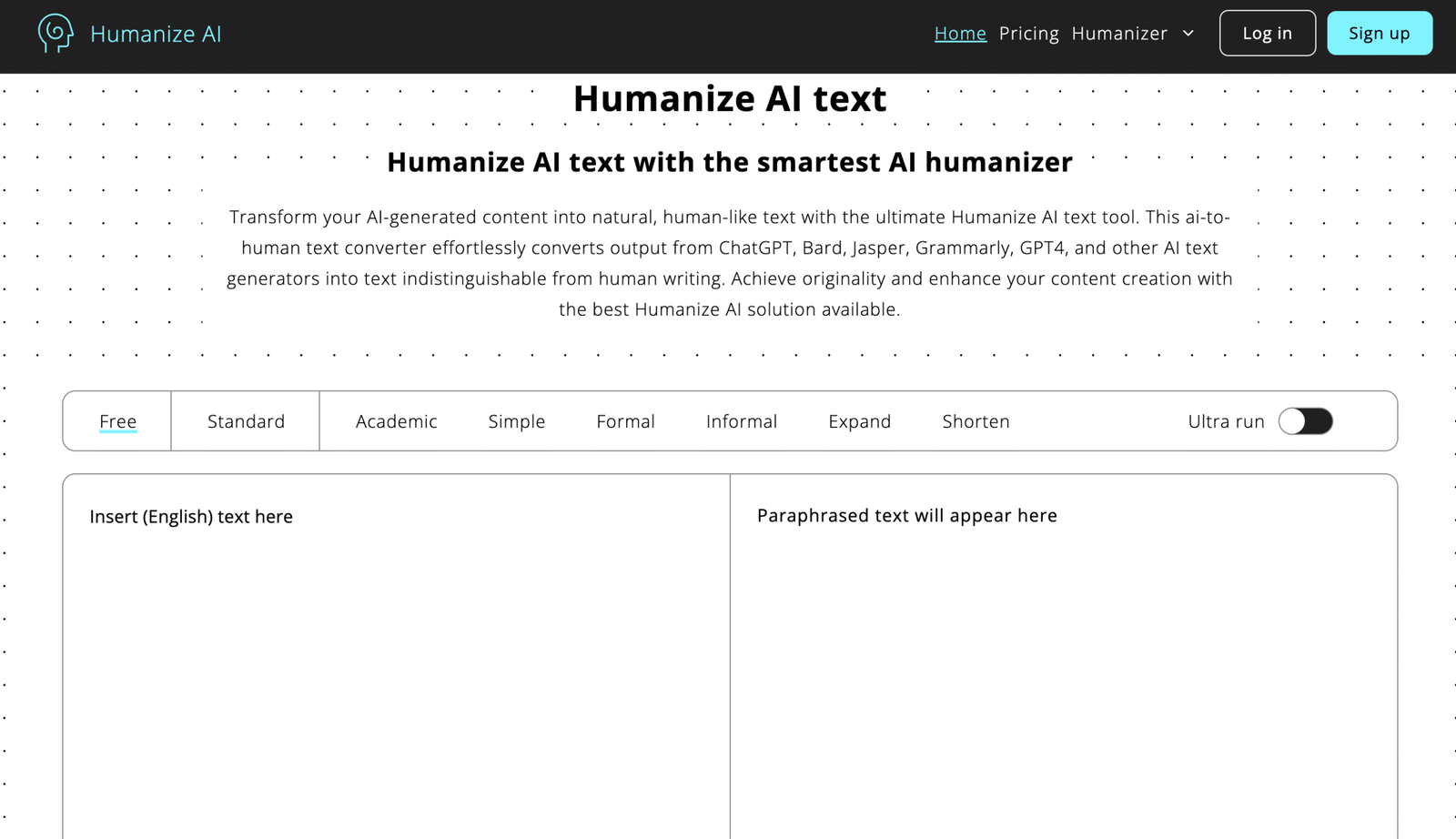
Best use case: Softening obviously synthetic teaching drafts before they are reviewed and finalized by a teacher.
What it does well: It can make stiff AI language feel less mechanical and more readable quite quickly.
Where it falls short: Some outputs lean too informal for classroom instructions, assessment copy, or academic summaries.
Who should skip it: Teachers who need highly controlled register and terminology in every sentence may want a steadier tool.
Best AI Humanizer Tools for Teaching Materials #8. Walter Writes AI
Walter Writes AI sits closer to the undetectable-rewrite end of the category, which gives it a slightly different feel from tools aimed at plain readability. That does not make it irrelevant for teaching materials, but it does mean the priorities are not always identical to what teachers need. In practice, it can reshape surface patterns and sentence texture in ways that make AI drafts feel less formulaic, which may help with generic worksheets or planning notes. Still, teaching content usually needs more than a changed surface, because the wording also has to stay accurate, stable, and age-appropriate. When those priorities collide, a more detection-focused humanizer can feel a bit misaligned. Walter Writes AI is usable, though probably best treated as a secondary editor rather than the main tool for classroom-facing copy.
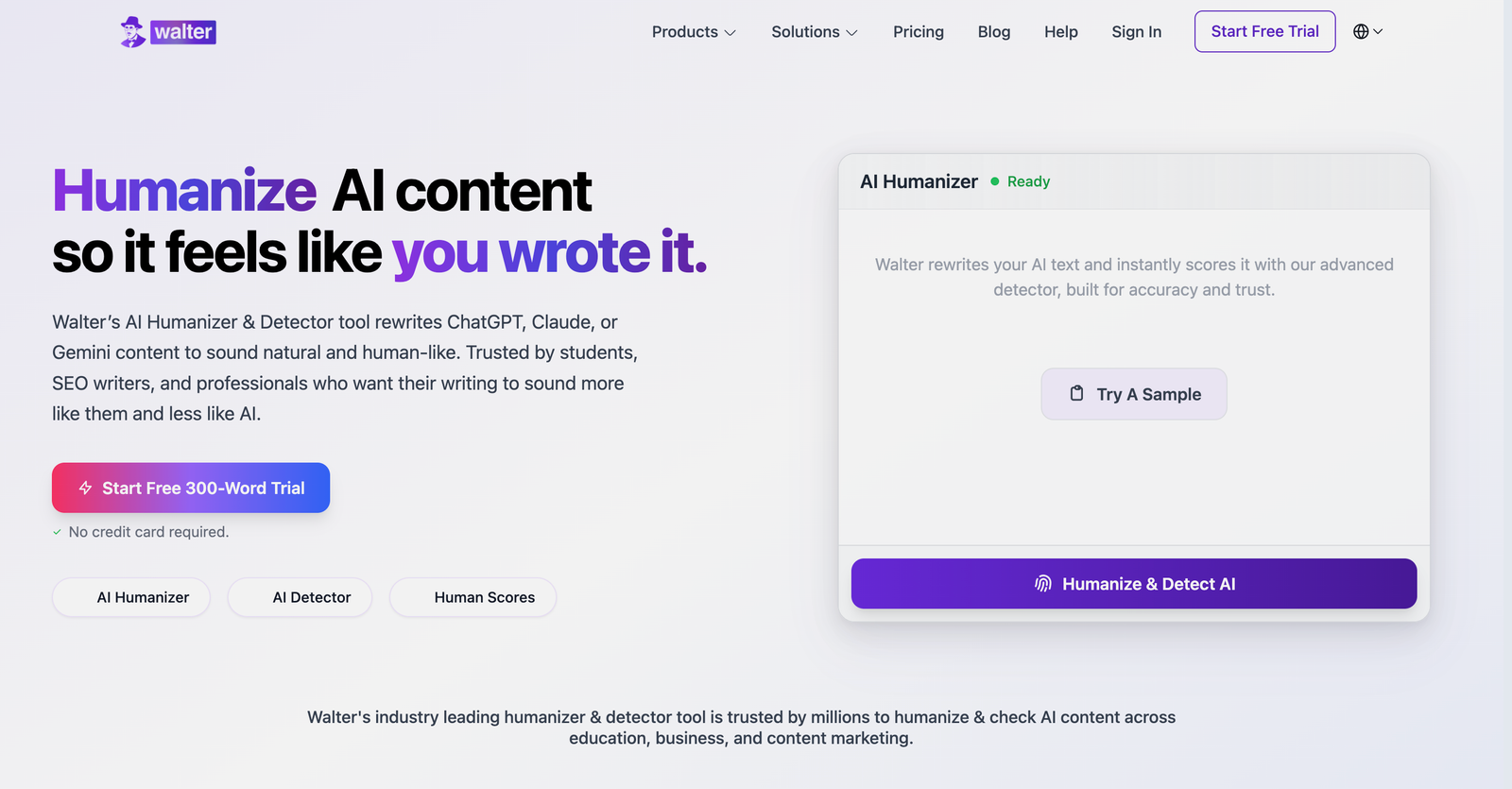
Best use case: Changing the texture of generic AI drafts before a teacher tightens them for classroom use.
What it does well: It can alter repetitive sentence patterns and make copy feel less visibly machine-generated.
Where it falls short: Its priorities can feel slightly out of step with the precision and restraint teaching materials require.
Who should skip it: Teachers who want a straightforward education-focused editor rather than a more detection-oriented rewriter should look elsewhere.
Best AI Humanizer Tools for Teaching Materials #9. Clever AI Humanizer
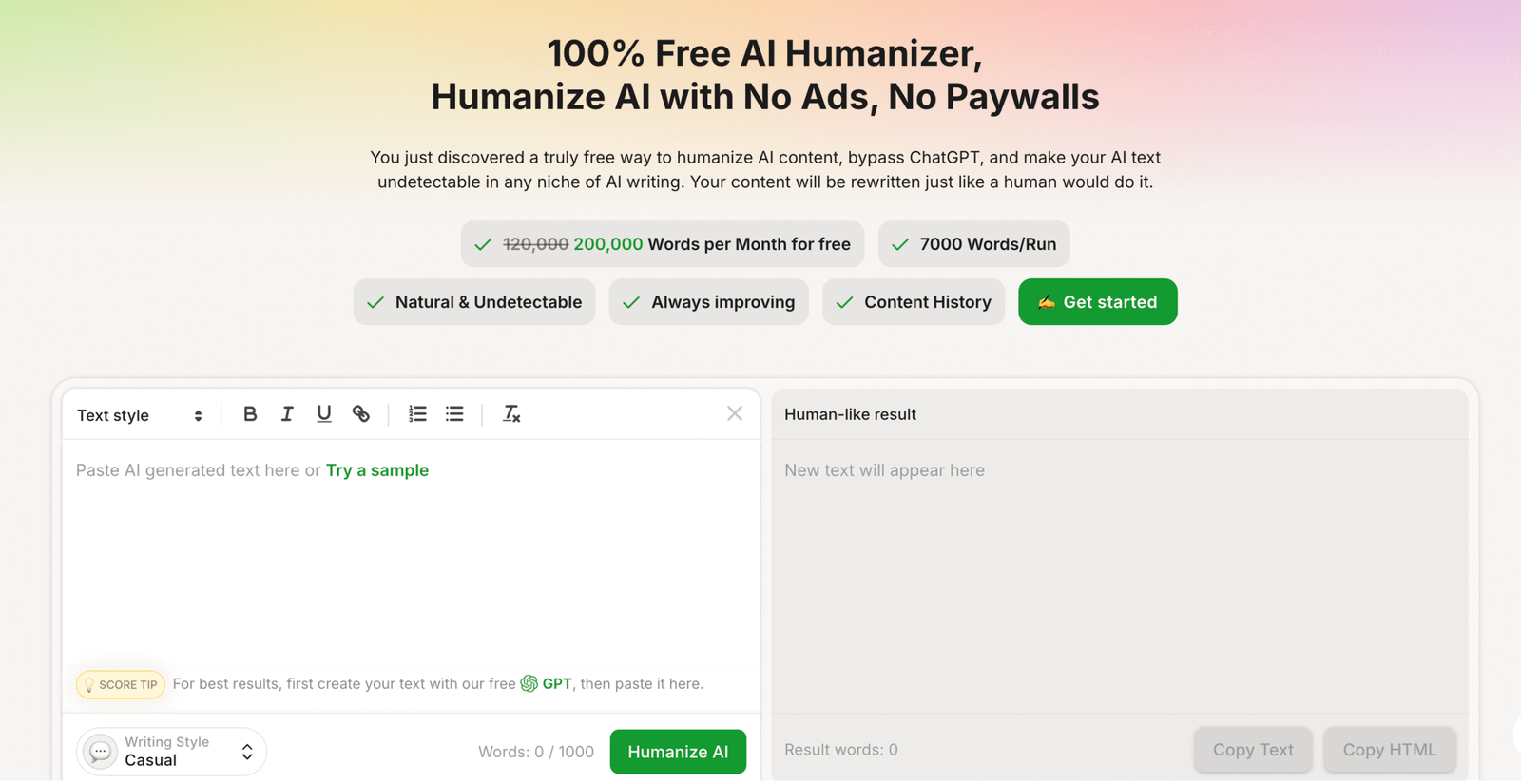
Clever AI Humanizer feels like a simpler option, which can be either a strength or a limitation depending on what the teacher needs. Simplicity is welcome when the material is short and the problem is obvious, such as robotic discussion prompts or slightly flat worksheet intros. The tool can help remove some of that stiffness without demanding a complicated workflow, and that sort of speed has real value on ordinary school days. But simpler tools also tend to provide less control, and exactly that control is what teachers often need once a draft includes instructions, examples, or differentiated wording. So the output may be acceptable for a quick pass and less dependable for nuanced materials. It is easiest to recommend for short educational copy, not for the pieces that carry the most instructional weight.
Best use case: Quick revision of short classroom text that only needs a lighter, less robotic feel.
What it does well: It keeps the process simple and can improve readability without much setup.
Where it falls short: Limited control makes it less dependable for nuanced instructions or detailed teaching resources.
Who should skip it: Teachers editing complex units, assessments, or differentiated materials will likely outgrow it quickly.
Best AI Humanizer Tools for Teaching Materials #10. AI Undetect
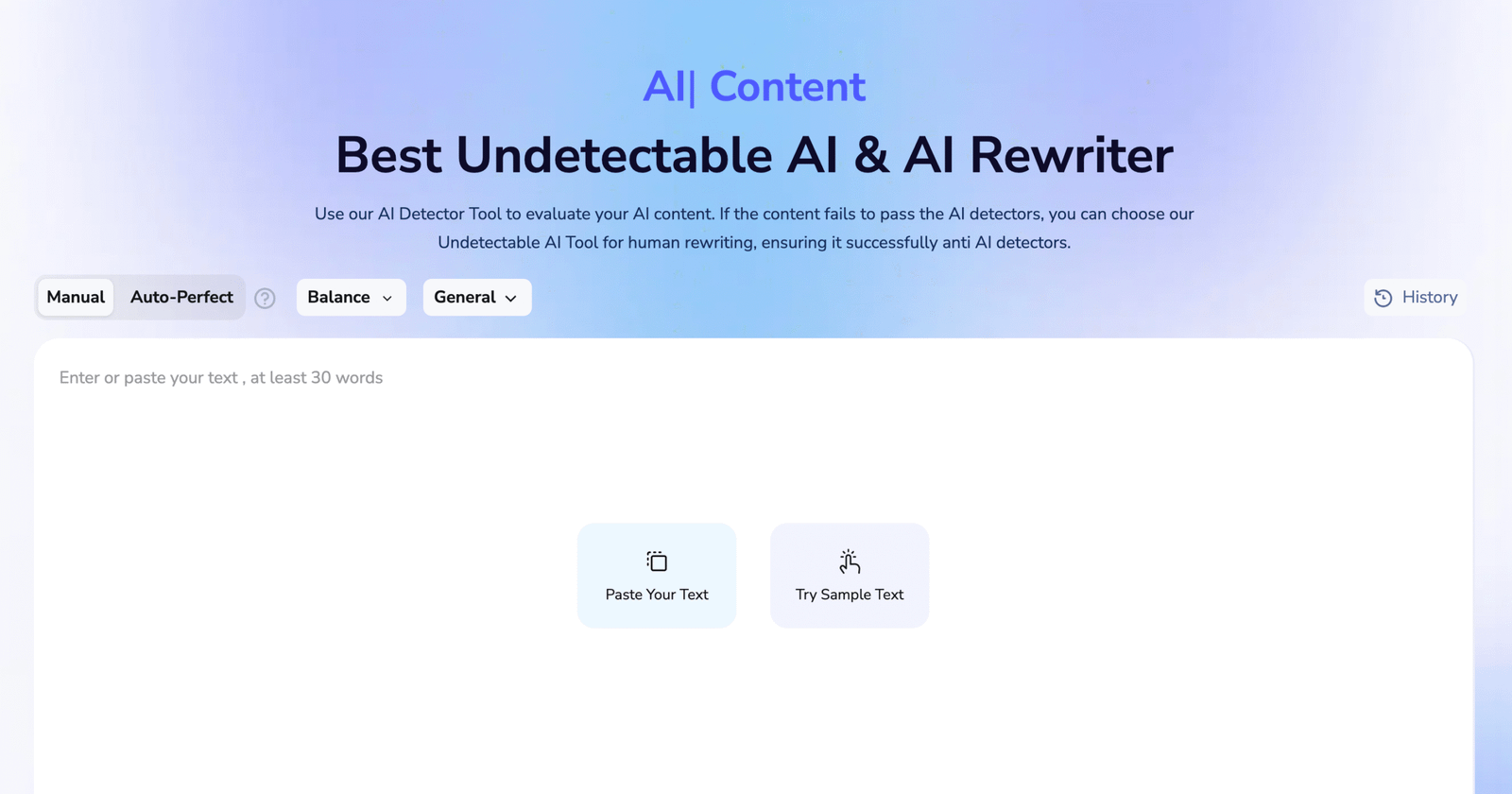
AI Undetect is one of those tools that can look appealing on paper because it promises to make AI writing read more naturally, which is obviously relevant here. For teachers, the question is less whether the text becomes less machine-like and more whether it remains dependable once it does. The tool can improve surface fluency, and that may be enough for rough planning notes or internal drafts that are not headed directly to students. Where things get trickier is in polished classroom materials, because natural-sounding language still needs to preserve sequence, accuracy, and instructional intent. That is exactly where broader humanizer tools sometimes wobble a little. AI Undetect can still be useful, though it works better when a teacher treats it as an assistive pass rather than the last word.
Best use case: Improving the fluency of draft teaching copy before a teacher does a final accuracy and tone review.
What it does well: It can reduce obvious AI texture and make rough text feel more natural on the surface.
Where it falls short: Surface improvement does not always protect instructional precision, sequence, or classroom appropriateness.
Who should skip it: Teachers who need final-draft reliability with minimal manual editing may find it too uncertain.
Tool Selection Guide for Best AI Humanizer Tools for Teaching Materials
Light classroom polishing
WriteBros.ai and Grammarly AI Humanizer tend to work well when teaching materials already communicate the intended lesson but sound slightly mechanical or rigid. These tools refine sentence flow while preserving the structure teachers carefully design for classroom clarity. Light polishing is often enough for discussion prompts, parent updates, or simple activity instructions.
Moderate lesson rewrites
QuillBot AI Humanizer and AISEO AI Humanizer are helpful when AI-generated teaching drafts repeat similar sentence patterns. These tools introduce variation in rhythm and phrasing so lesson plans and explanations read more naturally. Moderate rewriting works best when teachers want improved readability without fully reshaping the original content.
Deep material restructuring
Walter Writes AI and AI Undetect are more aggressive with structural changes when the text strongly reflects AI writing patterns. They tend to adjust pacing and sentence construction across entire sections. This approach can reshape paragraphs significantly, though teaching materials usually benefit from a careful teacher review afterward.
Lesson plans
WriteBros.ai and Scribbr’s AI Humanizer often work well when refining full lesson plans that include explanations, instructions, and learning objectives. Lesson plans require language that sounds natural while remaining organized and clear. These tools help smooth phrasing while preserving the instructional sequence teachers rely on.
Worksheets and handouts
HumanizeAI.pro and Clever AI Humanizer can be helpful for refining worksheets or student handouts generated with AI assistance. These materials benefit from straightforward, readable language that students can follow quickly. Humanizing the tone helps remove stiff phrasing that can make instructions harder to understand.
Slide decks and prompts
Writesonic AI Humanizer and Grammarly AI Humanizer are useful when teachers need to refine short slide text, classroom prompts, or discussion questions. Slides usually require language that is concise but still conversational. These tools can adjust tone while keeping the wording compact enough for presentation formats.
Sentence-level editing
WriteBros.ai and Grammarly AI Humanizer work well when teachers revise specific sentences inside lesson materials rather than rewriting the entire document. Sentence-level editing allows educators to adjust awkward phrasing while preserving their overall teaching structure. This approach works well for refining key explanations or instructions.
Full lesson revision
AISEO AI Humanizer and Walter Writes AI can help when an entire lesson draft carries the predictable rhythm of AI-generated writing. These tools introduce variation across sections so the material reads more naturally. Full-document revision can make AI-assisted drafts feel closer to teacher-written materials.
Comparing tool outputs
Clever AI Humanizer and AI Undetect are sometimes useful when educators want to compare multiple rewrite versions of the same teaching paragraph. Seeing different phrasing options helps teachers evaluate tone and clarity. This comparison process can make it easier to choose the version that fits the classroom context best.
Choosing the Right AI Humanizer for Teaching Materials
Teaching materials have a slightly different standard than ordinary AI-generated writing, which makes humanization tools both useful and occasionally unpredictable. The goal is not simply to remove the obvious machine texture, but to keep explanations clear, instructions stable, and tone appropriate for students.
Some tools lean toward fast readability improvements, which works well for short classroom copy such as prompts, slides, or discussion questions. Others are steadier with structured educational writing, though they may feel slower or less dramatic in the way they revise sentences.
The practical pattern is that most teachers treat humanizers as a refinement step rather than a replacement for editing. A draft can become easier to read, slightly more natural, and less mechanical, yet still benefit from a final human pass that restores the teacher’s voice.
That balance is probably the whole point of the category. AI can help shape the first version of a lesson or handout, but teaching materials still read best when the final tone reflects the person actually guiding the classroom.
Disclaimer: The tools referenced are included for editorial and informational purposes only and are selected based on observable product behavior and relevance rather than sponsorship or paid placement. Screenshots are shown solely for identification, commentary, and illustrative reference in line with standard editorial and fair use practices, and may not reflect the most current version of each product. All trademarks, logos, and interface elements remain the property of their respective owners. For update, correction, or removal requests, please refer to the Editorial Policy.