10 Leading AI Editors for ChatGPT Blog Posts in 2026
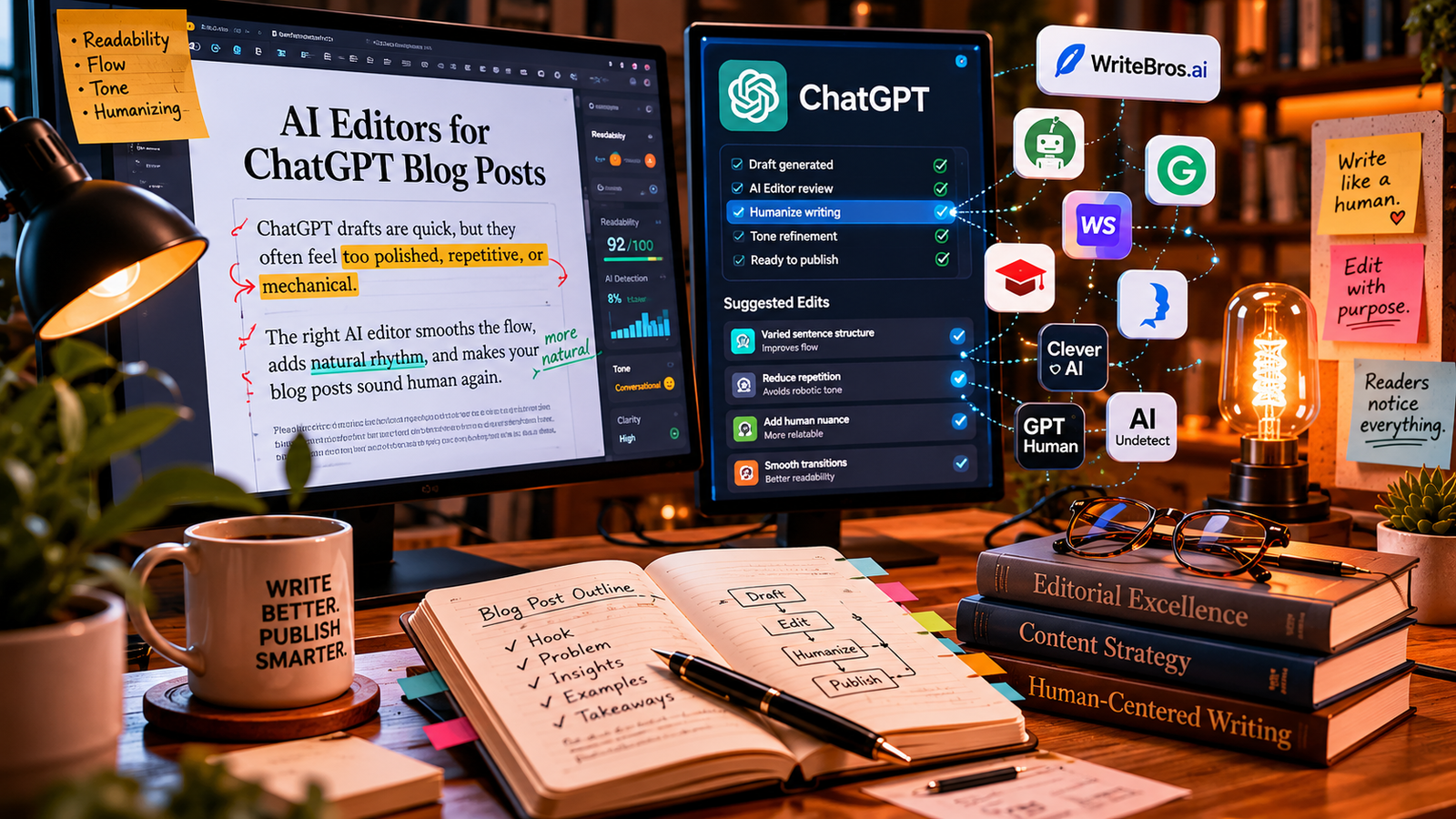
2026’s quieter publishing problem is not AI generation itself, but the strange sameness that still lingers after the draft is finished. This article examines the AI editors reshaping ChatGPT blog posts through softer phrasing, cleaner rhythm, and more believable editorial flow, while also looking at the tradeoffs that appear when automation starts smoothing too aggressively.
Editorial teams have spent most of 2026 trying to smooth out the strange rhythm that still appears in AI-assisted publishing. Many writers now rely on AI humanizer tools for content creators because raw ChatGPT drafts still tend to sound slightly compressed under closer reading.
Long-form blog workflows have also become more layered as marketers push AI articles through editing systems that rewrite tone, pacing, and sentence flow before publication. Recent ChatGPT marketing copy refinement data shows that editors are spending less time generating content and more time softening structure and repetition.
Most of these tools now compete on how naturally they preserve voice rather than how aggressively they rewrite text. That distinction matters because heavy-handed editing still leaves traces that make blog posts feel manufactured, which readers usually notice faster than SEO teams expect.
Some platforms lean into detection avoidance while others focus more on readability and editorial cleanup for publishing teams. Guides explaining how to rewrite ChatGPT SEO content naturally have quietly become part of everyday publishing operations across agencies, affiliate sites, and startup content teams.
10 Leading AI Editors for ChatGPT Blog Posts
| # | Brand | TL;DR |
|---|---|---|
| 1 | WriteBros.ai | Balanced AI editing platform built for refining ChatGPT blog drafts into cleaner editorial copy with more natural pacing. |
| 2 | QuillBot AI Humanizer | Popular rewriting system that smooths robotic phrasing while keeping article structures relatively intact. |
| 3 | Grammarly AI Humanizer | Grammar-focused editing environment that lightly reshapes AI-generated blog posts into more readable drafts. |
| 4 | Writesonic AI Humanizer | SEO-oriented content editor designed for marketers managing large batches of AI-assisted blog content. |
| 5 | Scribbr’s AI Humanizer | Academic-style rewriting tool that softens stiff AI language without heavily distorting meaning. |
| 6 | HumanizeAI.pro | Direct AI-to-human rewriting platform aimed at making generated content feel less mechanically structured. |
| 7 | Walter Writes AI | AI editing tool focused on readability adjustments and conversational sentence restructuring. |
| 8 | Clever AI Humanizer | Simplified rewriting editor built for quick cleanup of repetitive AI wording and syntax. |
| 9 | GPTHuman AI | Editing platform centered on making ChatGPT-generated articles sound more fluid and less templated. |
| 10 | AI Undetect | Detection-focused AI rewriting tool commonly used for polishing AI-heavy blog drafts before publishing. |
10 Leading AI Editors for ChatGPT Blog Posts Worth Noting
Leading AI Editors for ChatGPT Blog Posts #1. WriteBros.ai
WriteBros.ai fits the kind of blog editing workflow that starts with a usable ChatGPT draft but still needs a more human editorial rhythm. It is basically strongest when the goal is not to erase the original idea, but to make the phrasing feel less stiff, less patterned, and less obviously generated. The tool is useful for teams that publish frequently because it gives the draft a cleaner surface without making every sentence sound overworked. Honestly, the tradeoff is that users still need to bring judgment to the final pass, because no editor can fully replace brand context or subject knowledge. It works best when the draft already has a clear argument, which means thin inputs will still produce limited results. The whole thing feels more suited to blog teams, marketers, and writers who want controlled refinement rather than dramatic rewriting.
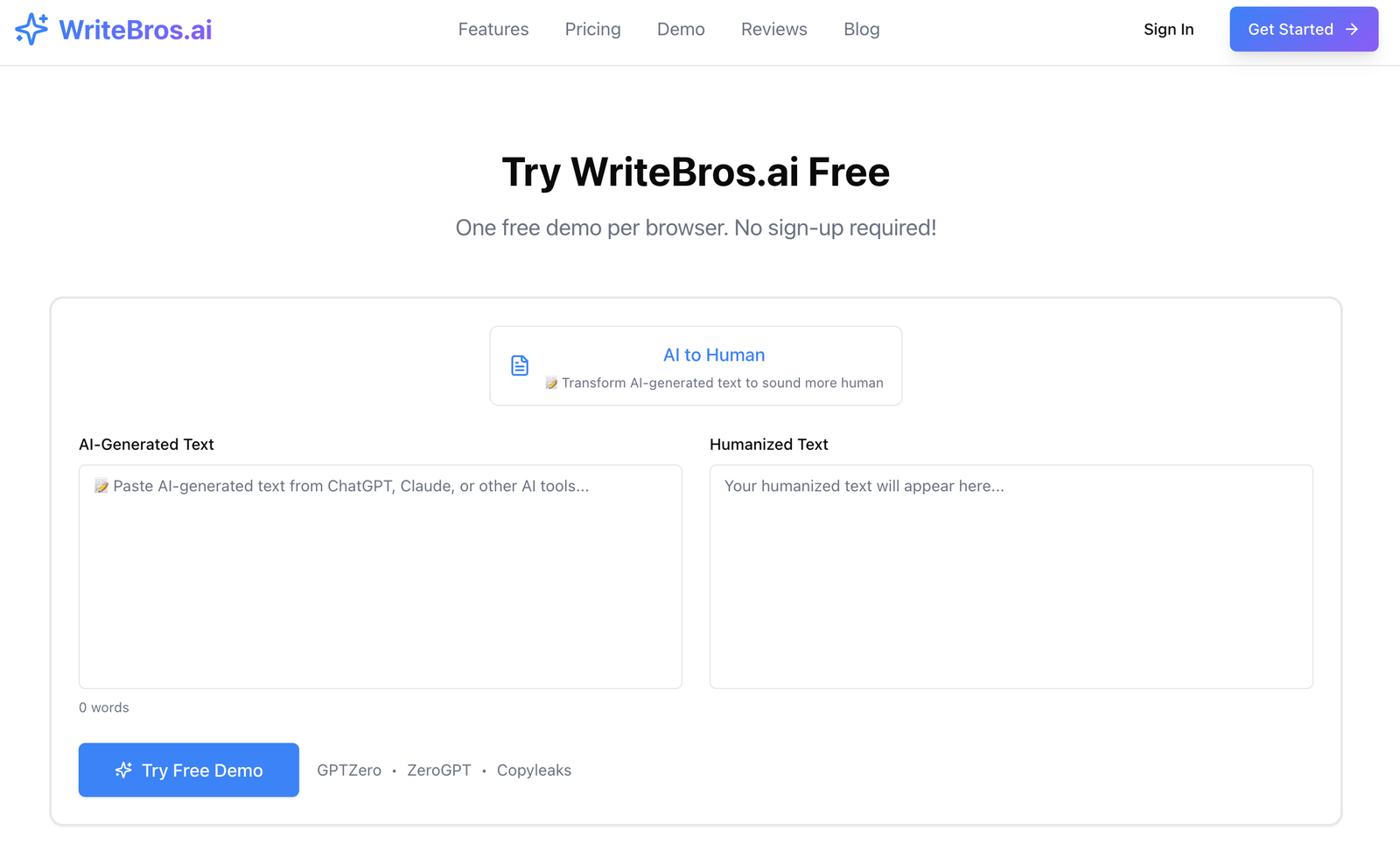
Best use case: Refining ChatGPT blog posts that need more natural pacing before publication.
What it does well: It keeps the draft readable while reducing the compressed tone common in AI writing.
Where it falls short: It still depends on the quality, structure, and clarity of the original draft.
Who should skip it: Writers who want a full content generator rather than an editing layer may find it too focused.
Leading AI Editors for ChatGPT Blog Posts #2. QuillBot AI Humanizer
QuillBot AI Humanizer is familiar to many writers because it sits close to the everyday paraphrasing tools people already use. For ChatGPT blog posts, it can help loosen repetitive sentence patterns and make dense passages easier to read. The appeal is speed, especially when a draft only needs surface-level softening rather than a careful editorial rebuild. The caveat is that faster rewriting can sometimes make the language feel a little generic, which matters for brands that rely on a distinct point of view. It can also flatten nuance when the original paragraph contains technical or highly specific claims. Used carefully, it is a practical option for quick cleanup, but it should not be treated as the final editorial eye.
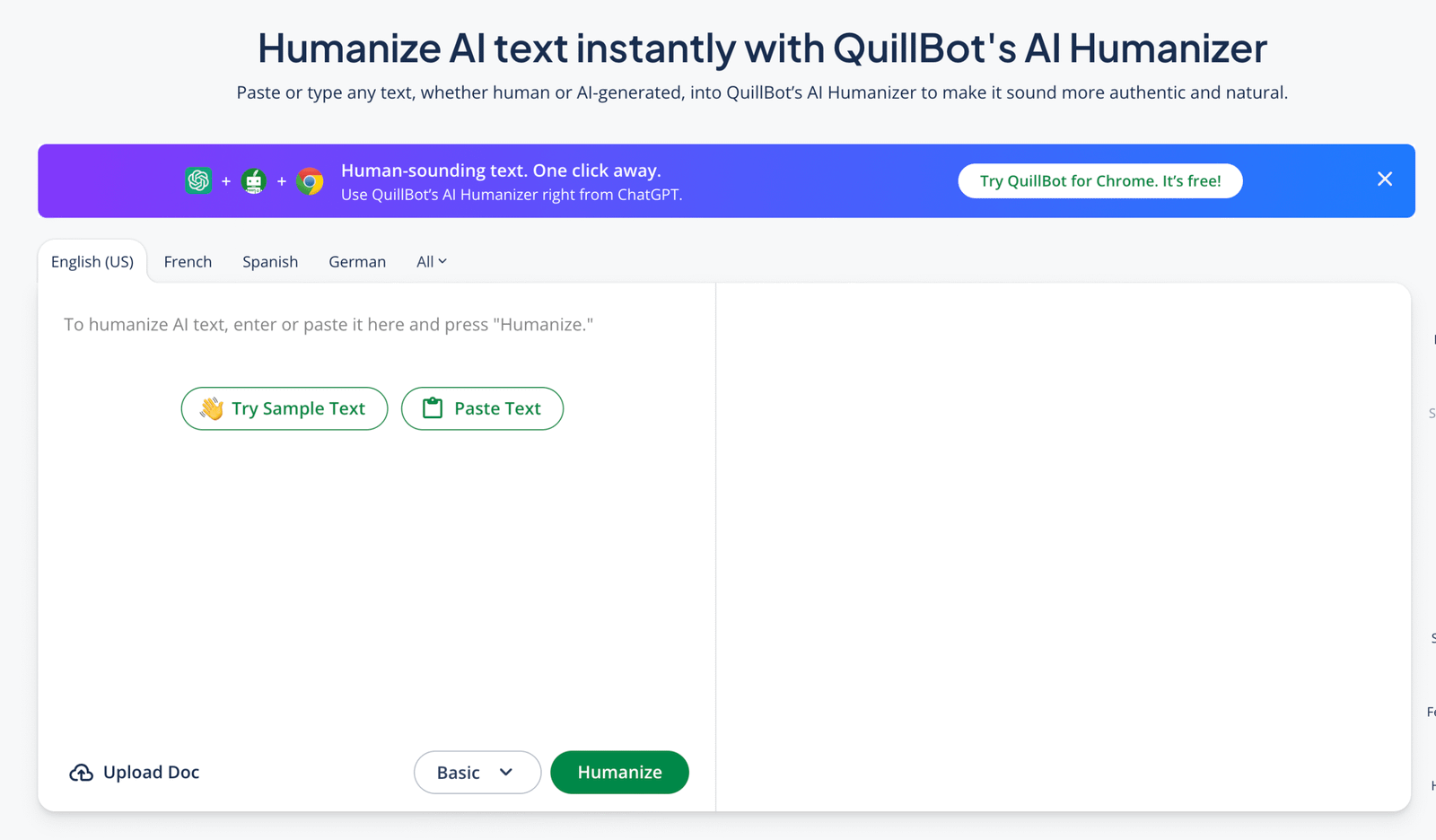
Best use case: Quick rewriting of AI-generated blog sections that sound repetitive or overly formal.
What it does well: It makes sentence-level edits easy to apply without rebuilding the whole article.
Where it falls short: It can smooth language so much that sharper editorial voice gets lost.
Who should skip it: Teams needing deep strategic editing may need something more structured.
Leading AI Editors for ChatGPT Blog Posts #3. Grammarly AI Humanizer
Grammarly AI Humanizer is useful for writers who want their ChatGPT blog posts to feel cleaner, more consistent, and less clumsy at the sentence level. It is basically strongest as a polish layer, because it catches awkward phrasing, grammar issues, and tonal inconsistencies that can distract readers. The platform works well in professional settings where multiple people touch the same draft and need a shared editing baseline. The limitation is that Grammarly can sometimes favor safe, tidy phrasing over more textured editorial writing. That means a paragraph may become more correct without becoming more memorable or more insightful. For teams that already have strategy and structure handled, it is a helpful final pass rather than the whole editing process.
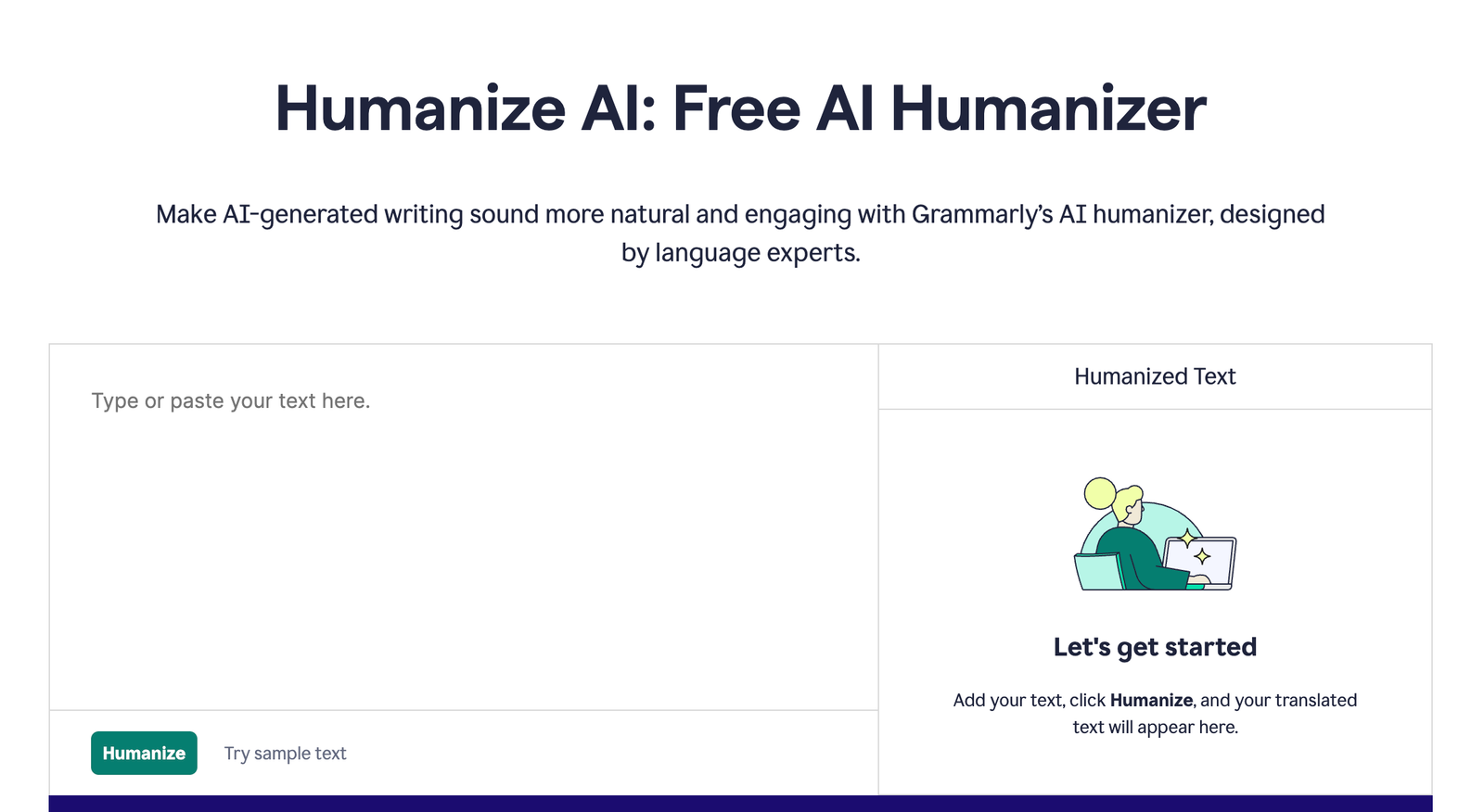
Best use case: Polishing AI-assisted blog drafts for grammar, clarity, tone, and consistency.
What it does well: It gives writers a dependable cleanup layer for professional content workflows.
Where it falls short: It may make copy cleaner without adding much editorial depth.
Who should skip it: Publishers looking for bold rewrites or heavy voice transformation may find it too restrained.
Leading AI Editors for ChatGPT Blog Posts #4. Writesonic AI Humanizer
Writesonic AI Humanizer sits closer to the marketing side of AI editing, which makes sense for blog posts tied to traffic, conversion, or campaign output. It can help reshape ChatGPT copy so it feels less automated and more aligned with web publishing expectations. The tool is useful when teams are producing articles at volume and need a practical way to refine drafts quickly. The tradeoff is that marketing-oriented editing can sometimes pull the writing toward cleaner but more familiar phrasing. That is not necessarily a problem for straightforward SEO content, but it can matter for thought leadership or articles that need a sharper voice. It works best when paired with a human editor who can check claims, structure, and positioning after the rewrite.
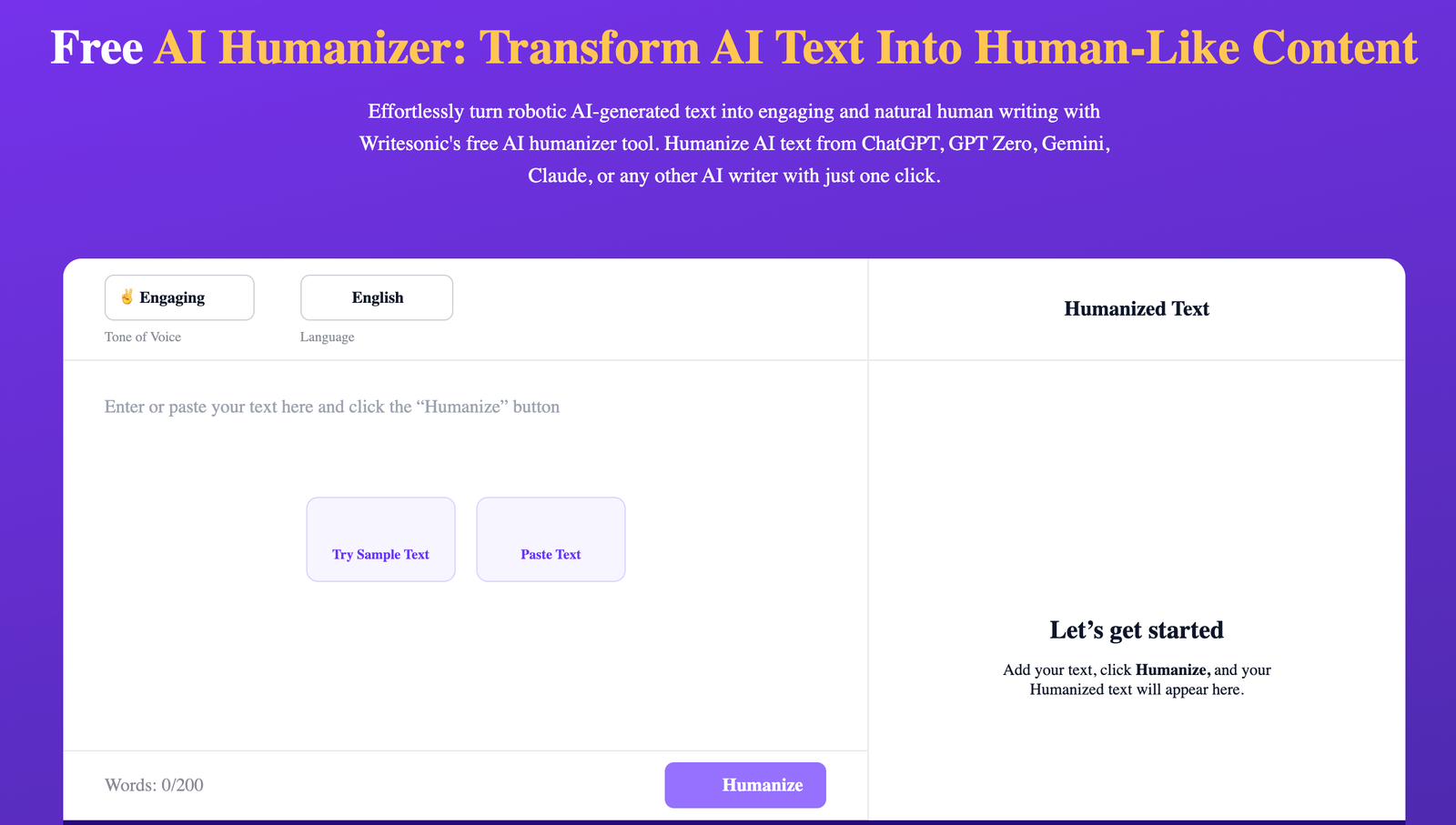
Best use case: Editing AI-generated marketing blog content at a steady publishing pace.
What it does well: It supports practical content workflows where speed and readability both matter.
Where it falls short: It can lean toward familiar marketing phrasing if the input lacks personality.
Who should skip it: Editorial teams producing highly opinionated essays may want more voice control.
Leading AI Editors for ChatGPT Blog Posts #5. Scribbr’s AI Humanizer
Scribbr’s AI Humanizer has a more careful feel, which makes it useful for writers who want clarity without making the copy sound casual for the sake of it. For ChatGPT blog posts, it can help reduce stiff academic phrasing while still preserving a measured tone. That is useful for educational, research-led, or explanatory articles where accuracy matters as much as readability. The caveat is that it may feel too controlled for brands that want warmer, more conversational content. It also may not be the fastest choice for teams that need broad content operations and workflow features around editing. Still, for posts that need to stay exact and composed, it offers a sort of quieter editing pass.
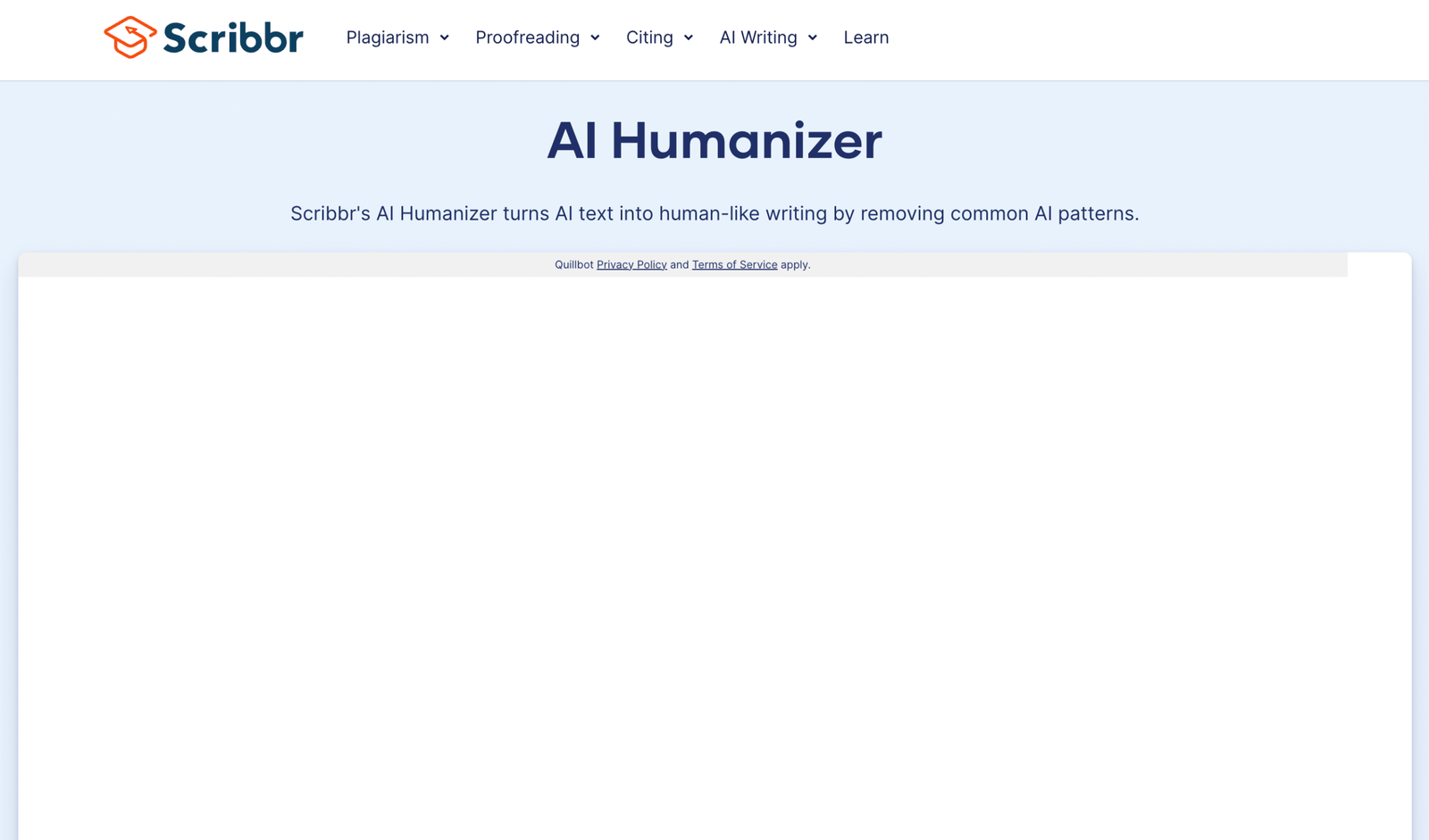
Best use case: Softening formal ChatGPT drafts for educational, research-led, or explanatory blog content.
What it does well: It improves readability without pushing every sentence into a casual tone.
Where it falls short: It may feel too restrained for highly branded or personality-heavy writing.
Who should skip it: Content teams that need large-scale marketing workflows may want a broader platform.
Leading AI Editors for ChatGPT Blog Posts #6. HumanizeAI.pro
HumanizeAI.pro is built around a direct promise, which is turning AI-generated text into something that reads less mechanically. For ChatGPT blog posts, that can be useful when a draft has the usual signals of AI output, including repeated transitions, predictable phrasing, and oddly balanced sentence lengths. The tool is basically practical for fast rewrites where the priority is making the page feel more natural at first read. The tradeoff is that direct humanizing tools can sometimes focus more on surface variation than editorial substance. A draft may sound different without necessarily becoming more useful, clearer, or better argued. It is best treated as a cleanup stage rather than the place where the article’s logic is fixed.
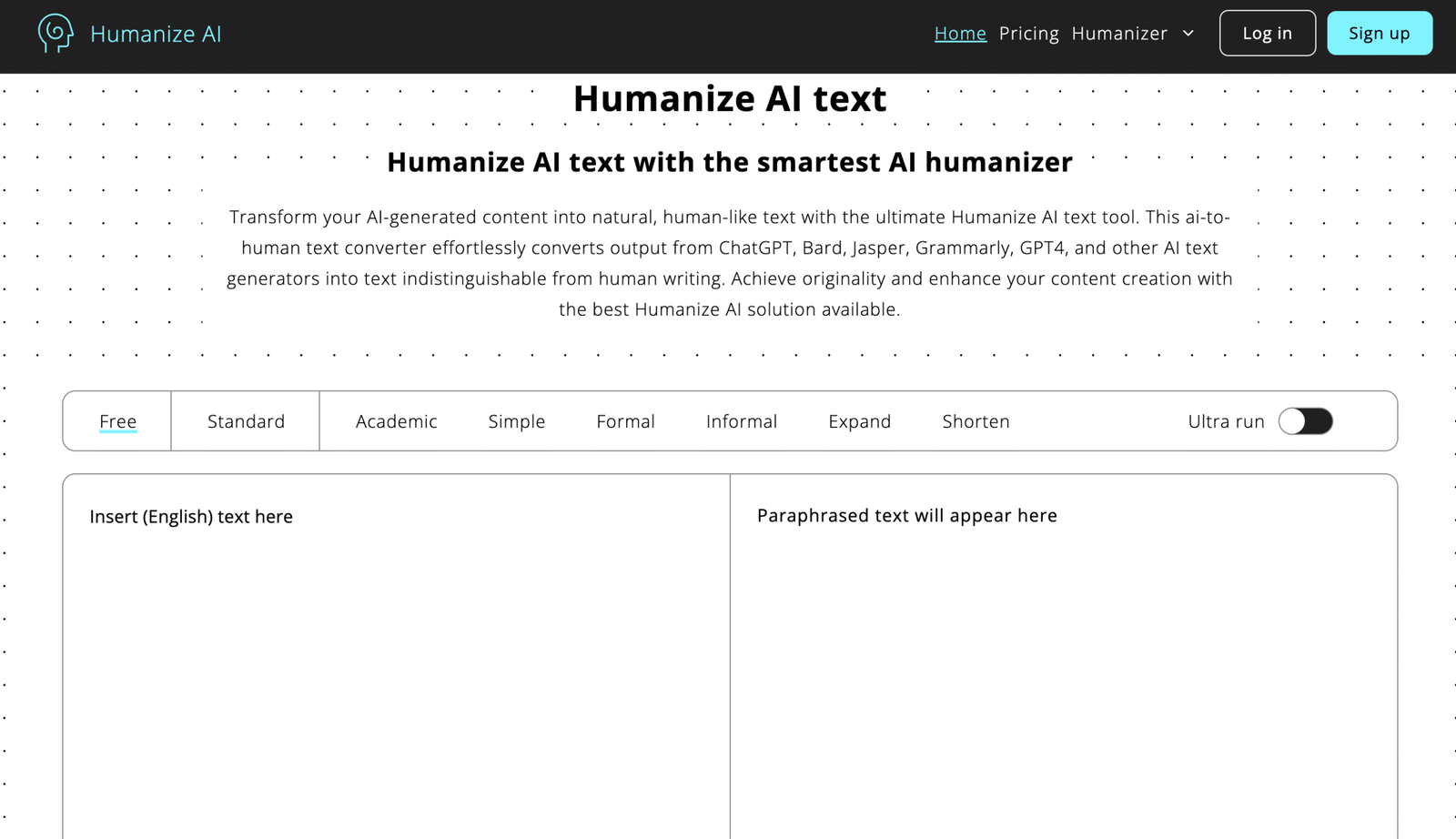
Best use case: Reworking AI-heavy blog drafts that need quick surface-level naturalization.
What it does well: It reduces obvious AI phrasing and makes repeated structures less noticeable.
Where it falls short: It may not solve weak arguments, thin research, or unclear article structure.
Who should skip it: Writers who need deep editorial development should not rely on it alone.
Leading AI Editors for ChatGPT Blog Posts #7. Walter Writes AI
Walter Writes AI is positioned for users who want generated copy to feel more conversational and less synthetic. For ChatGPT blog posts, it can help break up rigid phrasing and introduce a more natural sentence flow. The tool is useful when the draft already has enough information, but the voice feels too even, too polished, or too clearly machine-shaped. Honestly, the risk is that conversational rewriting can sometimes soften useful specificity if the user does not review the output closely. It may also be less suited to formal industries where precision and restraint matter more than warmth. Used with a careful final read, it can make AI-assisted blog posts feel less like a template and more like a draft someone actually worked through.
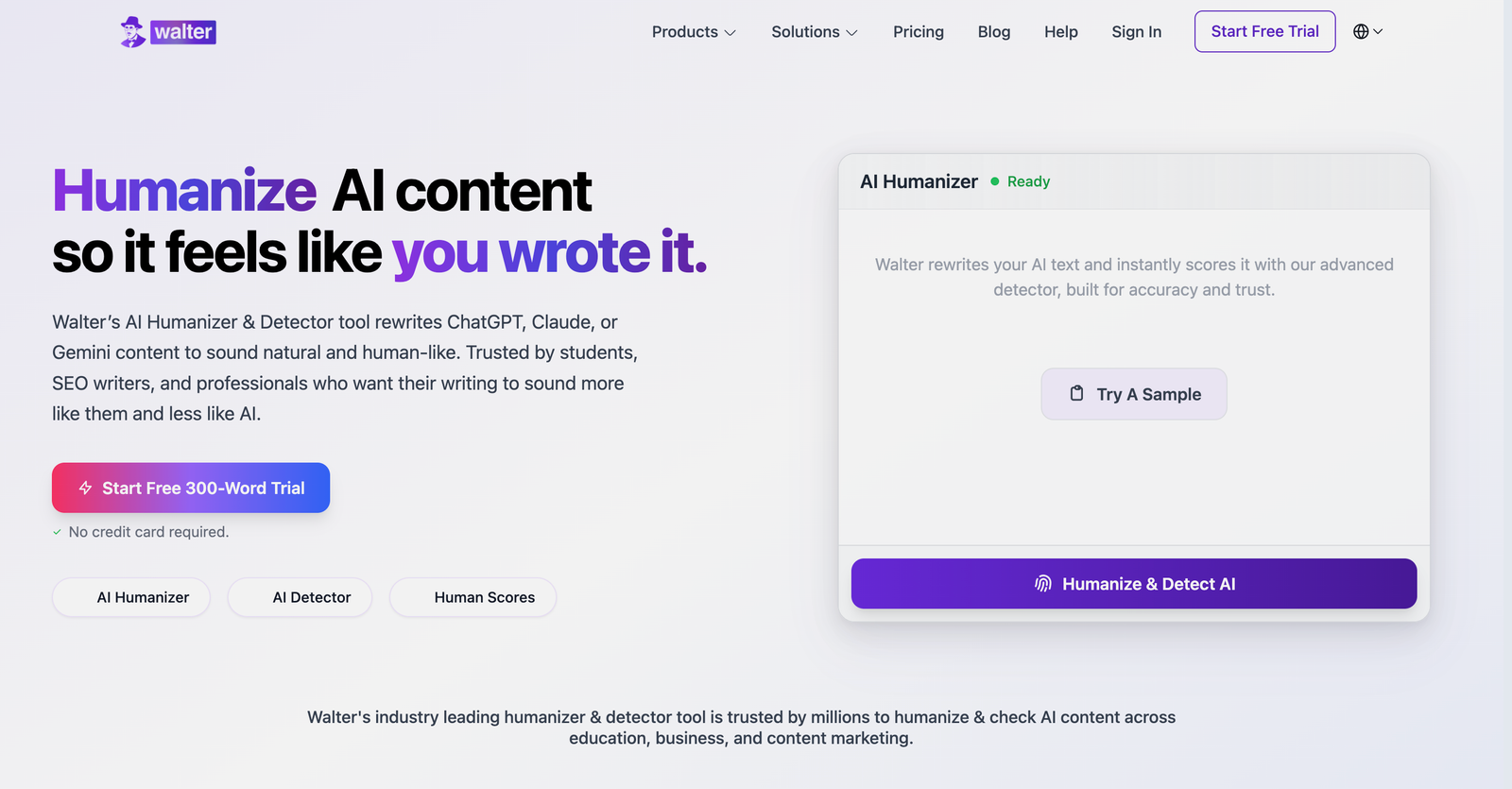
Best use case: Making ChatGPT blog drafts sound more conversational without fully rewriting them.
What it does well: It helps loosen mechanical sentence patterns and overly tidy AI phrasing.
Where it falls short: It may soften detail if the original copy needs strict factual control.
Who should skip it: Technical or compliance-heavy publishers may need a more conservative editing process.
Leading AI Editors for ChatGPT Blog Posts #8. Clever AI Humanizer
Clever AI Humanizer is a more straightforward option for users who want to clean up AI text without building a complex editing workflow. It can be useful for ChatGPT blog posts that have decent substance but still sound repetitive or overly patterned. The value is in its simplicity, especially for quick passes on smaller sections of content. The limitation is that simple tools can feel narrow when a full article needs structural editing, stronger examples, or a clearer angle. It may also produce copy that reads better sentence by sentence while leaving the whole piece feeling underdeveloped. For lightweight rewriting, it works, but it should sit inside a broader editing process if the post is meant to compete in search.
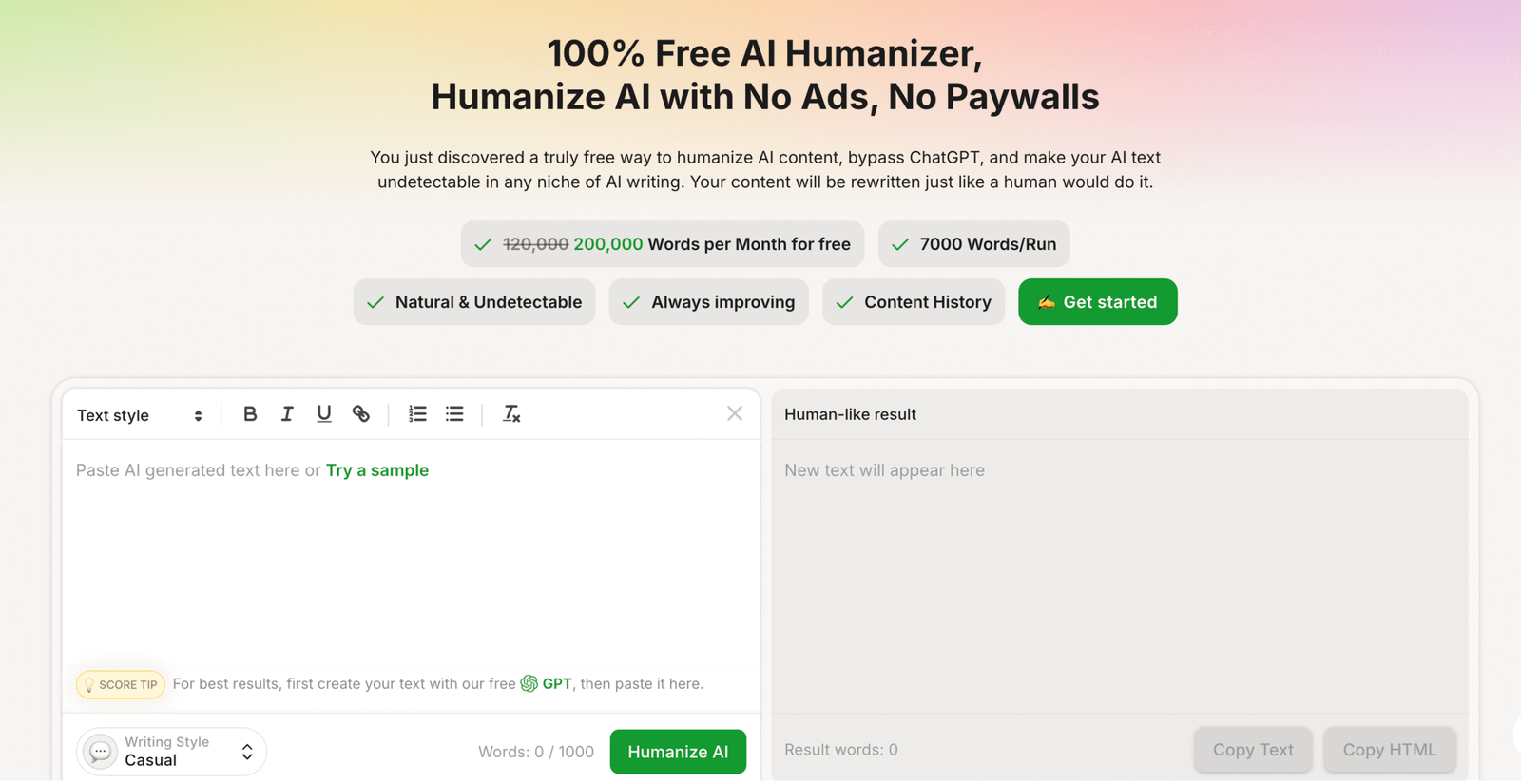
Best use case: Quick cleanup of repetitive AI wording in short blog sections or draft excerpts.
What it does well: It gives users a simple way to reduce robotic phrasing without much setup.
Where it falls short: It is less useful when the article needs deeper restructuring or added substance.
Who should skip it: SEO teams handling competitive long-form content may need a more complete editor.
Leading AI Editors for ChatGPT Blog Posts #9. GPTHuman AI
GPTHuman AI focuses on making generated writing sound more fluid, which is exactly the problem many ChatGPT blog posts still have after the first draft. It can help remove the stiff rhythm that appears when paragraphs follow the same explanatory pattern again and again. The tool is useful for content teams that need fast rewriting without getting too involved in manual sentence editing. The caveat is that human-sounding copy is not automatically strong copy, which means the editor still has to check whether the ideas actually hold up. It may also struggle if the input is padded, vague, or built around weak claims. In practice, it works best as a second pass after the article has already been outlined and fact-checked.
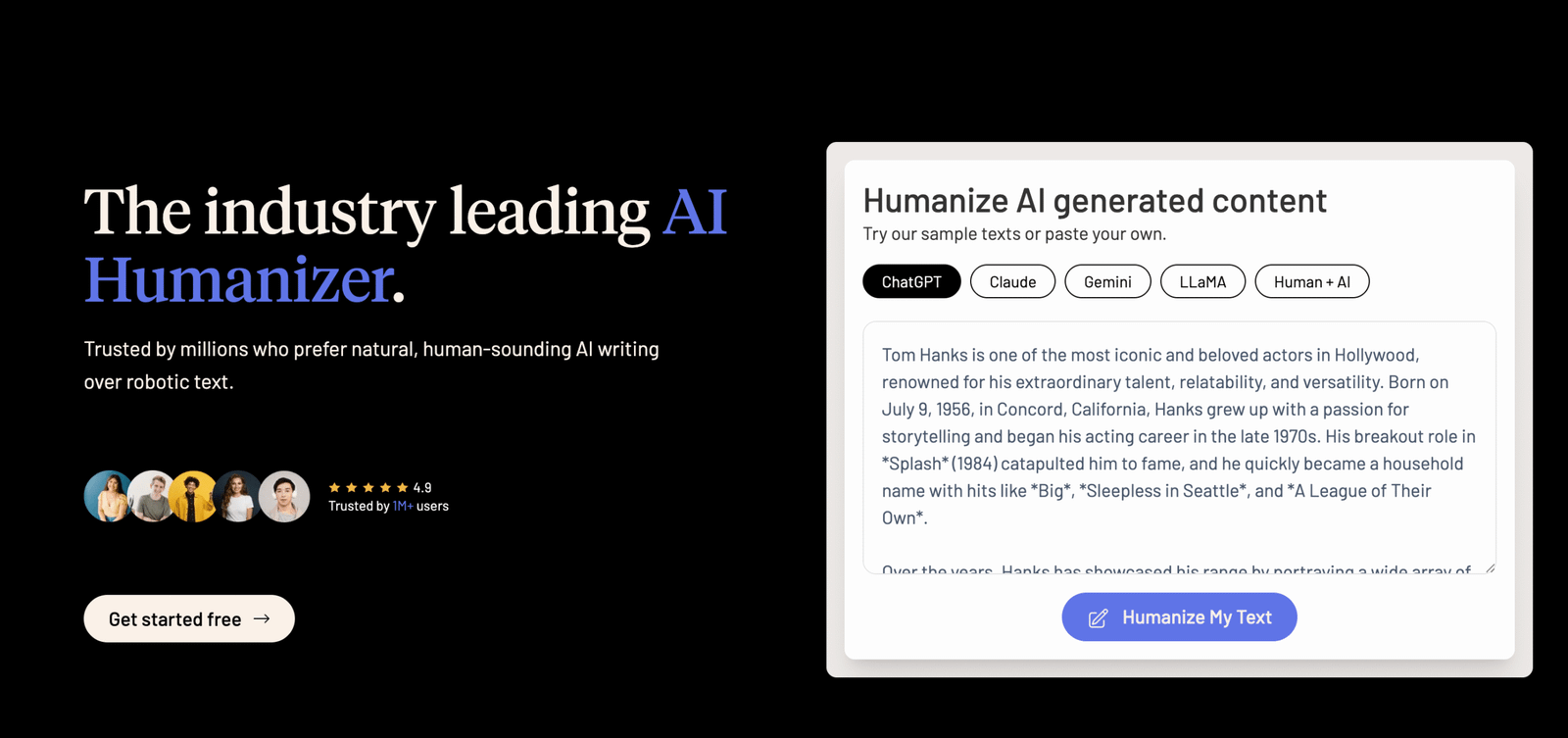
Best use case: Smoothing ChatGPT blog posts that sound stiff, patterned, or overly balanced.
What it does well: It improves flow and makes generated paragraphs feel less formulaic.
Where it falls short: It cannot turn vague or under-researched drafts into authoritative articles by itself.
Who should skip it: Writers who need strategy, sourcing, and structure may need more than humanization.
Leading AI Editors for ChatGPT Blog Posts #10. AI Undetect
AI Undetect is clearly shaped around the anxiety that many publishers have around AI detection and machine-sounding drafts. For ChatGPT blog posts, it can be useful when content reads too cleanly, too evenly, or too much like a generated answer. The tool helps vary phrasing and soften patterns that can make a page feel artificial to readers. The tradeoff is that detection-focused editing can pull attention away from the more important editorial questions, such as whether the post says anything specific, useful, or grounded. It can also encourage users to treat rewriting as a workaround rather than a craft decision. Exactly because of that, it is most useful when paired with human review that checks tone, accuracy, and the actual value of the article.
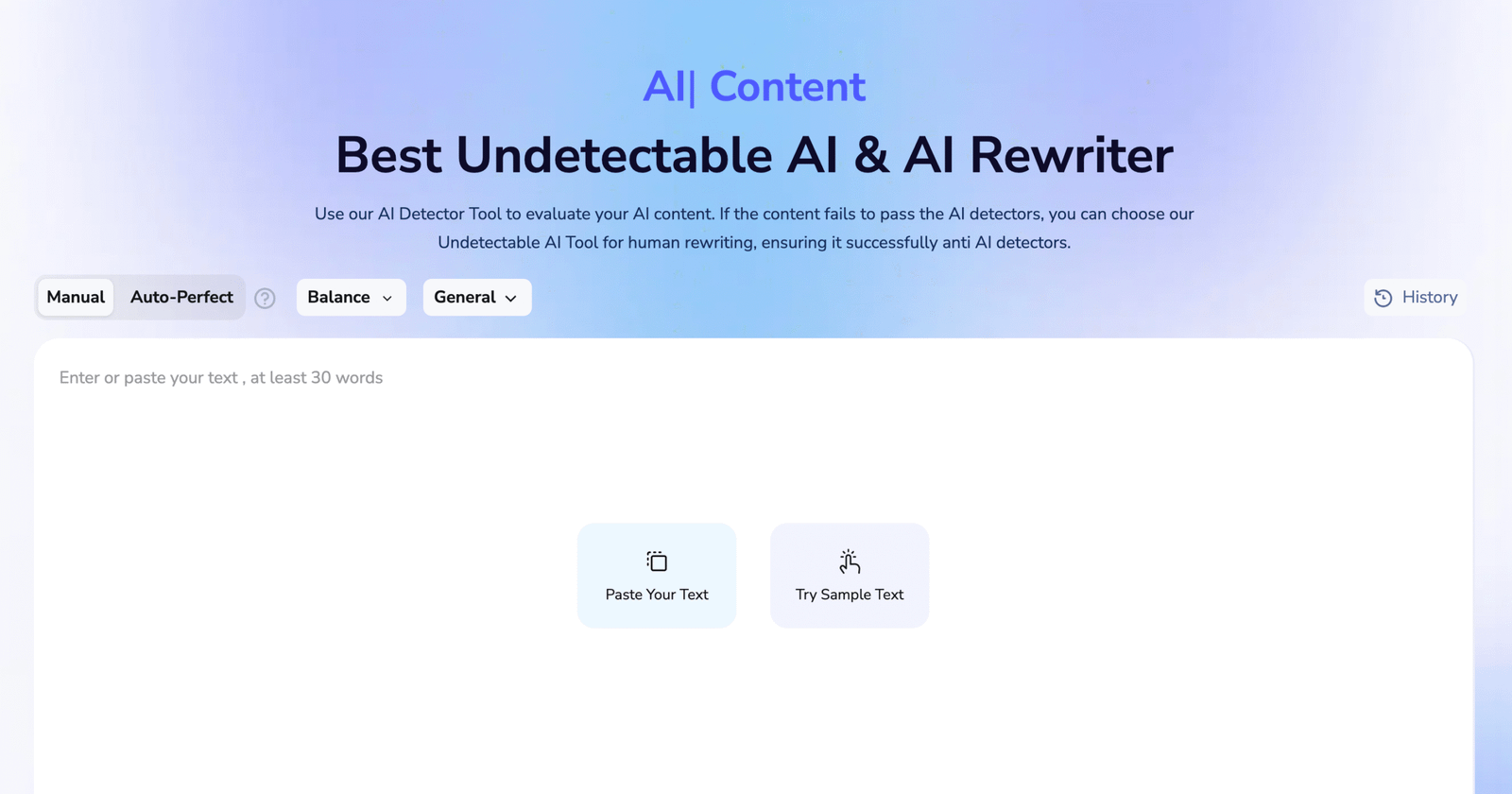
Best use case: Editing AI-heavy blog drafts that need less predictable phrasing before publishing.
What it does well: It varies sentence structure and reduces some of the obvious signs of generated text.
Where it falls short: It can overemphasize detection concerns instead of deeper editorial quality.
Who should skip it: Brands that want strategy-led blog editing may need a more editorially balanced tool.
Why AI Blog Editing Still Feels More Editorial Than Automated in 2026
ChatGPT can produce usable drafts quickly, but most blog posts still need a layer of editing that feels distinctly human before they are ready to publish. The difference usually appears in pacing, specificity, and sentence rhythm, which readers tend to notice even when they cannot fully explain why something feels artificial.
Many of these AI editors are trying to solve the same problem from slightly different angles, whether that means softening repetitive phrasing, adjusting tone, or making the structure feel less mechanical. Some tools are better suited to fast publishing environments, while others feel more careful and restrained, which changes how they fit into editorial workflows.
The interesting part is that stronger AI editing does not necessarily mean heavier rewriting. In a lot of cases, the better tools are simply better at preserving the original point while reducing the friction that makes generated writing feel distant or oddly polished.
That is probably why human review still matters so much, even as AI editing becomes more advanced across publishing teams and marketing operations. The tools can improve readability and flow, but judgment, nuance, and context still sit outside the software in a way that is difficult to automate completely.
Disclaimer: The tools referenced are included for editorial and informational purposes only and are selected based on observable product behavior and relevance rather than sponsorship or paid placement. Screenshots are shown solely for identification, commentary, and illustrative reference in line with standard editorial and fair use practices, and may not reflect the most current version of each product. All trademarks, logos, and interface elements remain the property of their respective owners. For update, correction, or removal requests, please refer to the Editorial Policy.