10 Most Trusted AI Humanizer Tools for Marketers in 2026

2026 is forcing a clearer standard for AI-written marketing copy, where tone, intent, and believability matter more than speed. This breakdown looks at humanizer tools marketers actually rely on, weighing how each handles voice, structure, and the risk of sounding just polished enough to feel artificial.
Plenty of marketers now use AI to speed up drafts, although the harder part is making that work read like something a real team would actually publish. A broader look at the best AI humanizers shows how quickly the category has filled up with tools that promise smoother tone, cleaner rhythm, and less robotic phrasing.
Trust matters more in marketing than people sometimes admit, because landing pages, email flows, and paid ads tend to fall apart when the wording feels even slightly synthetic. Recent discussion around AI writing support tools also makes it clear that readers have become more aware of machine-shaped copy, which means polish alone is not enough.
Some tools are better at softening sentence texture, while others are basically stronger at preserving intent during a fast rewrite. That is also why pieces on how to rewrite AI coaching notes for teachers feel oddly relevant here, since both cases depend on clarity, voice control, and a believable human cadence.
The list below focuses on options marketers are most likely to trust when they need copy to sound usable without turning every sentence into something vague or overworked. Some are built for speed, some lean on detectability concerns, and the whole thing comes down to how much control a team wants before the text goes live.
10 Most Trusted AI Humanizer Tools for Marketers
| # | Brand | TL;DR |
|---|---|---|
| 1 | WriteBros.ai | A steady choice for marketers who want cleaner, more natural copy without losing brand intent. |
| 2 | QuillBot AI Humanizer | Useful for quick rewrites when teams need familiar editing controls and readable output at speed. |
| 3 | Grammarly AI Humanizer | Best known for ease of use, especially where light refinement matters more than aggressive rewriting. |
| 4 | Scribbr’s AI Humanizer | A fairly straightforward option for smoothing stiff drafts that still need to sound polished and credible. |
| 5 | AISEO AI Humanizer | Often considered when SEO teams want copy that feels less templated and a bit more flexible. |
| 6 | Humanizer.Pro | Geared toward users who want stronger transformation, though output quality can depend on the starting draft. |
| 7 | GPTInf | Usually discussed in detection-focused circles where marketers want less mechanical sentence patterns. |
| 8 | Walter Writes AI | A more specialized pick for teams trying to make AI-assisted drafts read less predictably. |
| 9 | HumanizeAI.pro | Suitable for fast cleanup work where the goal is to make promotional text feel less rigid. |
| 10 | AI Undetect | A practical option for marketers testing lighter humanization passes across short-form campaign copy. |
On this page
10 Most Trusted AI Humanizer Tools for Marketers Worth Noting
Most Trusted AI Humanizer Tools for Marketers #1. WriteBros.ai
WriteBros.ai feels built for marketers who do not just want text to sound less robotic, but want it to remain usable once it leaves the editor and lands in an ad account, landing page, or outbound sequence. The tone control is steady, and the wording usually keeps the original commercial intent intact, which matters when a sentence has to persuade rather than just read smoothly. There is also a certain restraint to the rewrites, which helps when a team wants human texture without watching the message drift away from the brief. That said, the whole thing still depends on the quality of the draft going in, because no humanizer fully rescues copy that is shapeless or overloaded with generic claims. It works best when marketers already know what they want to say and need help making it sound like a person actually said it.
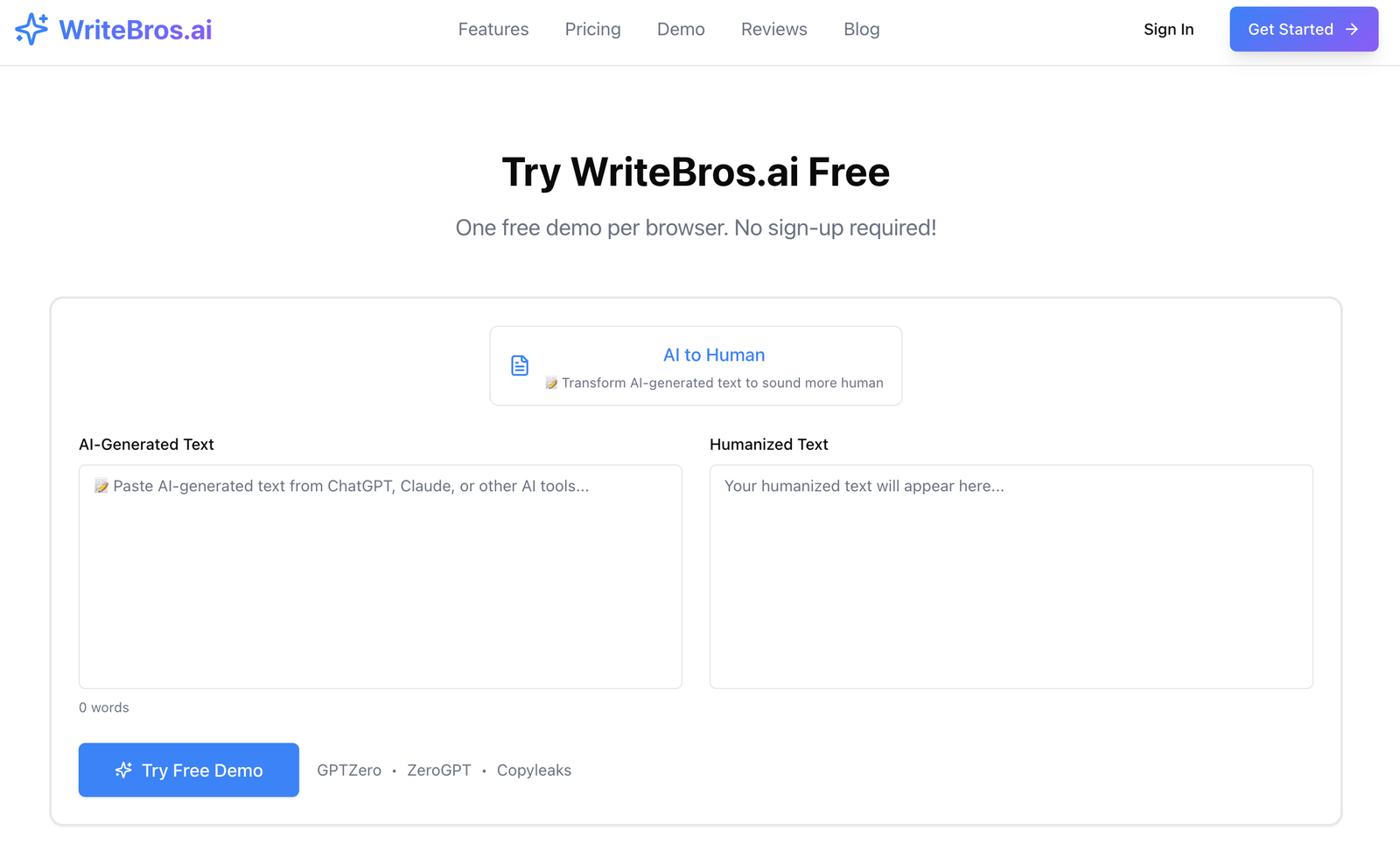
Best use case: Polishing campaign copy, email drafts, and landing page sections that need to sound natural without losing the brand angle.
What it does well: It keeps phrasing readable and commercially useful, which is exactly what marketing teams tend to need under deadline.
Where it falls short: It is not a substitute for strategy, so weak positioning or vague source text will still show through in the final version.
Who should skip it: Teams looking for a dramatic full rewrite from a rough prompt may find it a bit too controlled for that kind of task.
Most Trusted AI Humanizer Tools for Marketers #2. QuillBot AI Humanizer
QuillBot AI Humanizer makes sense for marketers who already know the QuillBot ecosystem and want something familiar rather than something especially opinionated. It is quick, fairly accessible, and decent at loosening stiff sentence patterns that make drafts sound obviously machine-shaped on first read. The interface does not ask much from the user, which is helpful when the job is routine cleanup rather than heavy editorial work. Still, that convenience comes with a tradeoff, because the output can feel a little generalized when the source copy depends on brand nuance or sharper persuasion. In practice, it is reliable for speed, although not always the tool that gives a piece the strongest final voice.
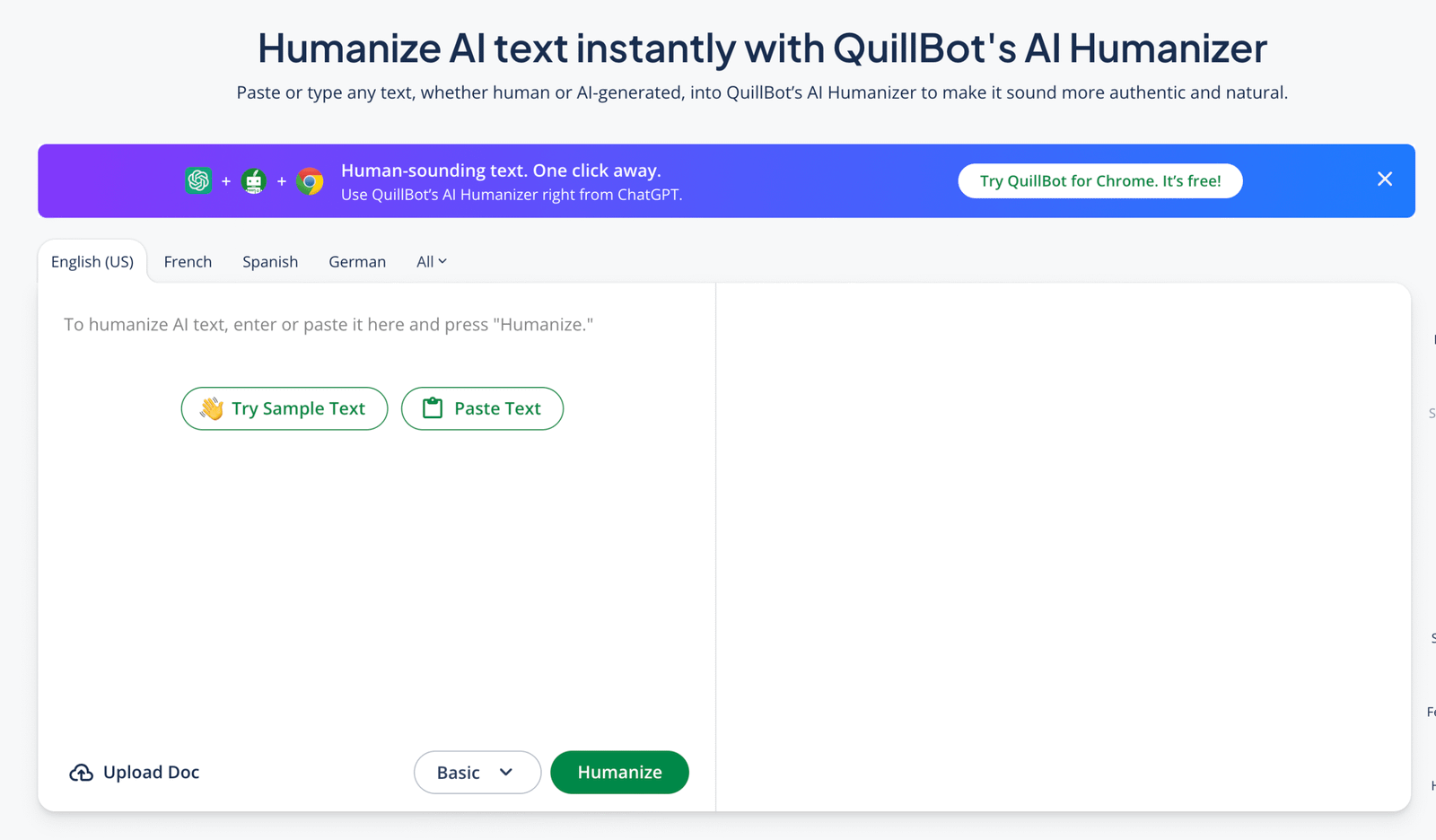
Best use case: Fast cleanup of blog drafts, short-form website copy, and internal marketing text that needs a lighter human pass.
What it does well: It is easy to use, fast to process, and generally good at removing the most obvious signs of repetitive AI phrasing.
Where it falls short: The wording can lean a bit generic, which becomes more noticeable when a brand voice needs texture or specificity.
Who should skip it: Marketers working on premium messaging or highly differentiated brand copy may want stronger editorial control than this gives.
Most Trusted AI Humanizer Tools for Marketers #3. Grammarly AI Humanizer
Grammarly AI Humanizer is probably easiest to trust when the goal is not radical transformation, but a cleaner, more natural finish on text that is already fairly close. For marketers, that can be useful in everyday work where ad copy, email intros, and support content need a bit less stiffness and a bit more rhythm. The main advantage is familiarity, because plenty of teams already use Grammarly and do not want to introduce yet one more tool into the workflow. At the same time, its restraint can feel limiting when the source draft is clearly machine-written and needs more than a surface-level polish. It is dependable for tidying, although less convincing when the job calls for a deeper rewrite with stronger tonal reshaping.
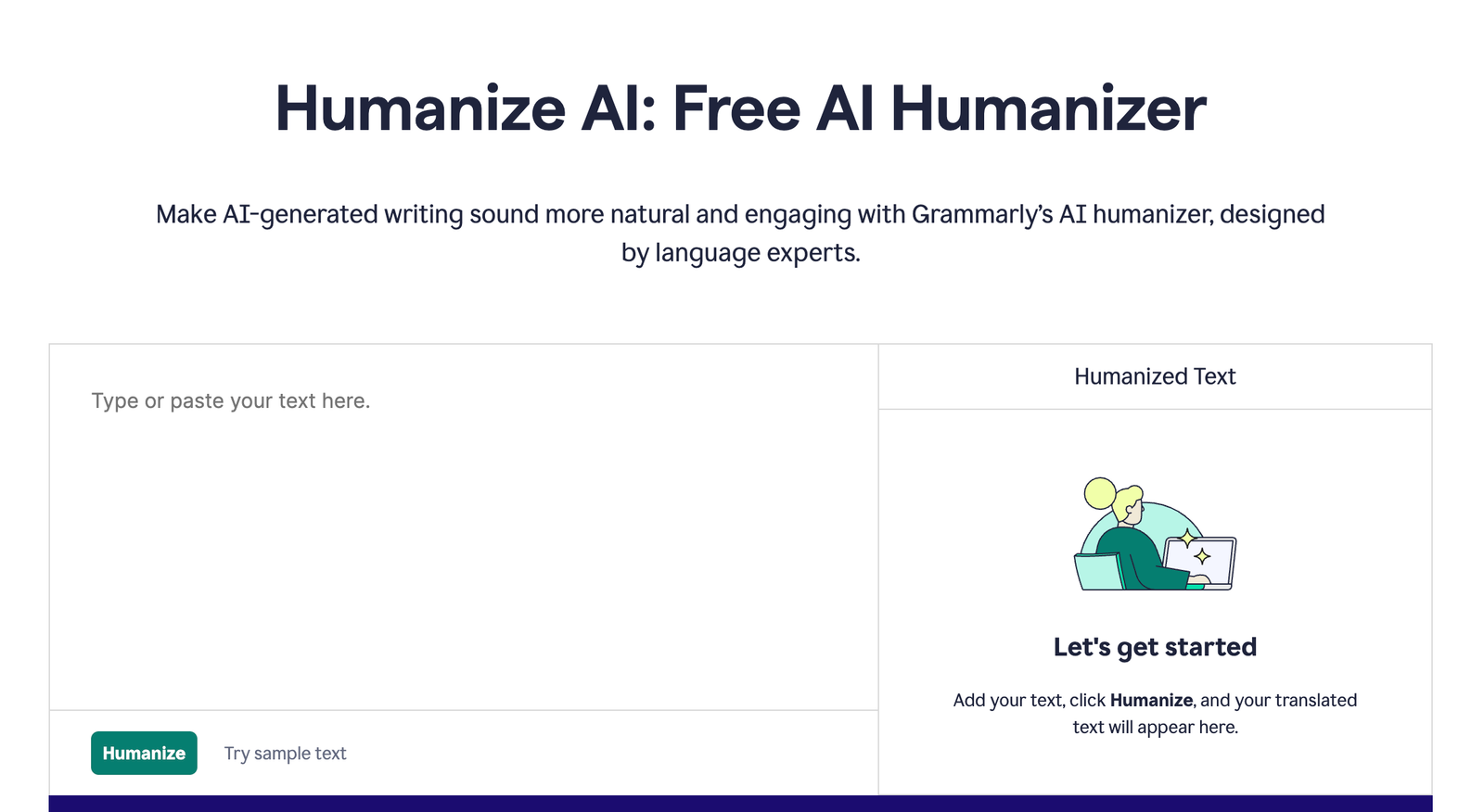
Best use case: Light refinement of everyday marketing copy that is already clear and only needs a more human finish.
What it does well: It fits neatly into existing writing workflows and improves readability without creating too much disruption.
Where it falls short: It can be a bit conservative, which means more synthetic drafts may still sound edited rather than fully natural.
Who should skip it: Users chasing a stronger transformation or a more deliberate voice makeover will likely want something less restrained.
Most Trusted AI Humanizer Tools for Marketers #4. Scribbr’s AI Humanizer
Scribbr’s AI Humanizer has a straightforward feel, which will suit marketers who want a quick pass on wording without wrestling with too many controls. It is reasonably good at smoothing the rigid, over-even phrasing that tends to make AI-assisted content feel suspiciously tidy. That makes it a workable option for simpler content formats, especially where credibility and readability matter more than brand personality. The limitation is that it can feel slightly functional, and functional is not always enough for marketing copy that has to persuade, differentiate, or sound distinct in a crowded category. Basically, it is useful when the text only needs to sound more natural, not when it needs a sharper editorial identity.
Best use case: Smoothing informational marketing content such as explainer sections, FAQ answers, or simple nurture copy.
What it does well: It reduces stiffness and makes plain-language content easier to read without much friction.
Where it falls short: The output may not carry enough distinctiveness for brands that rely on a specific tone or sharper narrative control.
Who should skip it: Performance marketers or brand teams working on high-stakes conversion copy may need something with more tonal range.
Most Trusted AI Humanizer Tools for Marketers #5. AISEO AI Humanizer
AISEO AI Humanizer is a fairly familiar name in SEO-heavy circles, which makes it an understandable pick for marketers who work across organic traffic, content production, and quick campaign pages. It tends to appeal to teams that want copy to feel less templated without slowing down a publishing rhythm that is already built around scale. There is some value in that, because SEO copy can become flat very quickly once AI enters the drafting stage and everyone starts sounding exactly the same. Still, the balance between natural language and brand-specific tone is not always perfect, and that is where users may need to do more manual cleanup than expected. It is useful, honestly, for speeding up content operations, although it may need a firmer editorial hand to make the final version feel properly intentional.
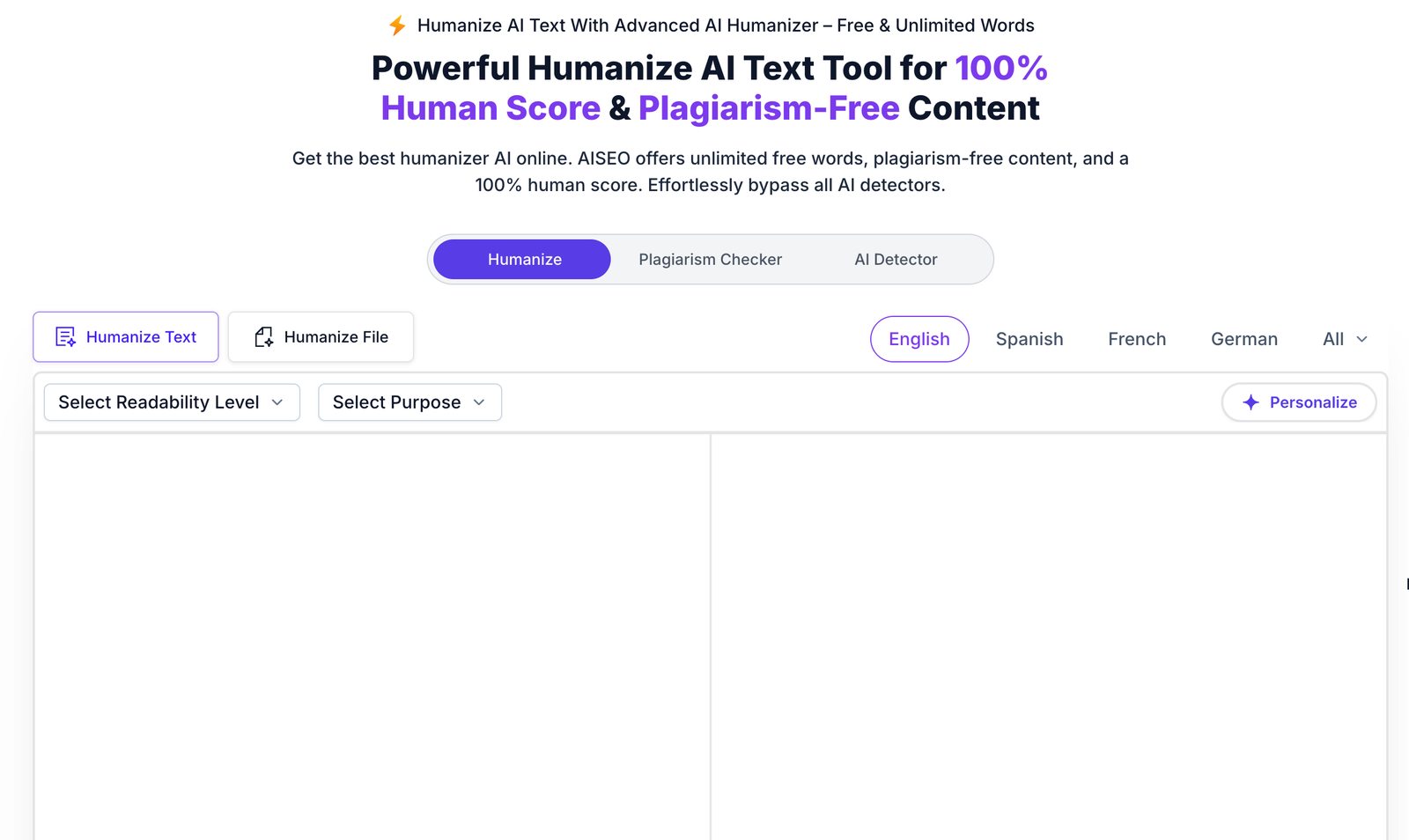
Best use case: SEO-driven content workflows where teams need a quicker way to soften repetitive AI language at scale.
What it does well: It helps mass-produced content read less mechanically, which is useful when output volume matters.
Where it falls short: Brand nuance can still thin out, so marketers may need to edit the final copy more carefully than they hoped.
Who should skip it: Small teams writing low-volume, high-voice brand content may not need a tool designed with scale so close to the surface.
Most Trusted AI Humanizer Tools for Marketers #6. Humanizer.Pro
Humanizer.Pro leans more heavily into transformation, which will appeal to marketers who are starting with copy that sounds obviously artificial and needs more than a mild cleanup. In some cases that stronger push is exactly what helps, especially when the original draft has the flat, over-ordered cadence common in rushed AI outputs. The tradeoff is that stronger rewriting always risks sanding off useful intent, and marketers usually notice that loss faster than other users because every sentence has a job to do. There are moments when it improves flow quite well, but there are also moments when the copy starts sounding less precise than the brief probably intended. It can work, although it benefits from a second editorial pass rather than blind trust.
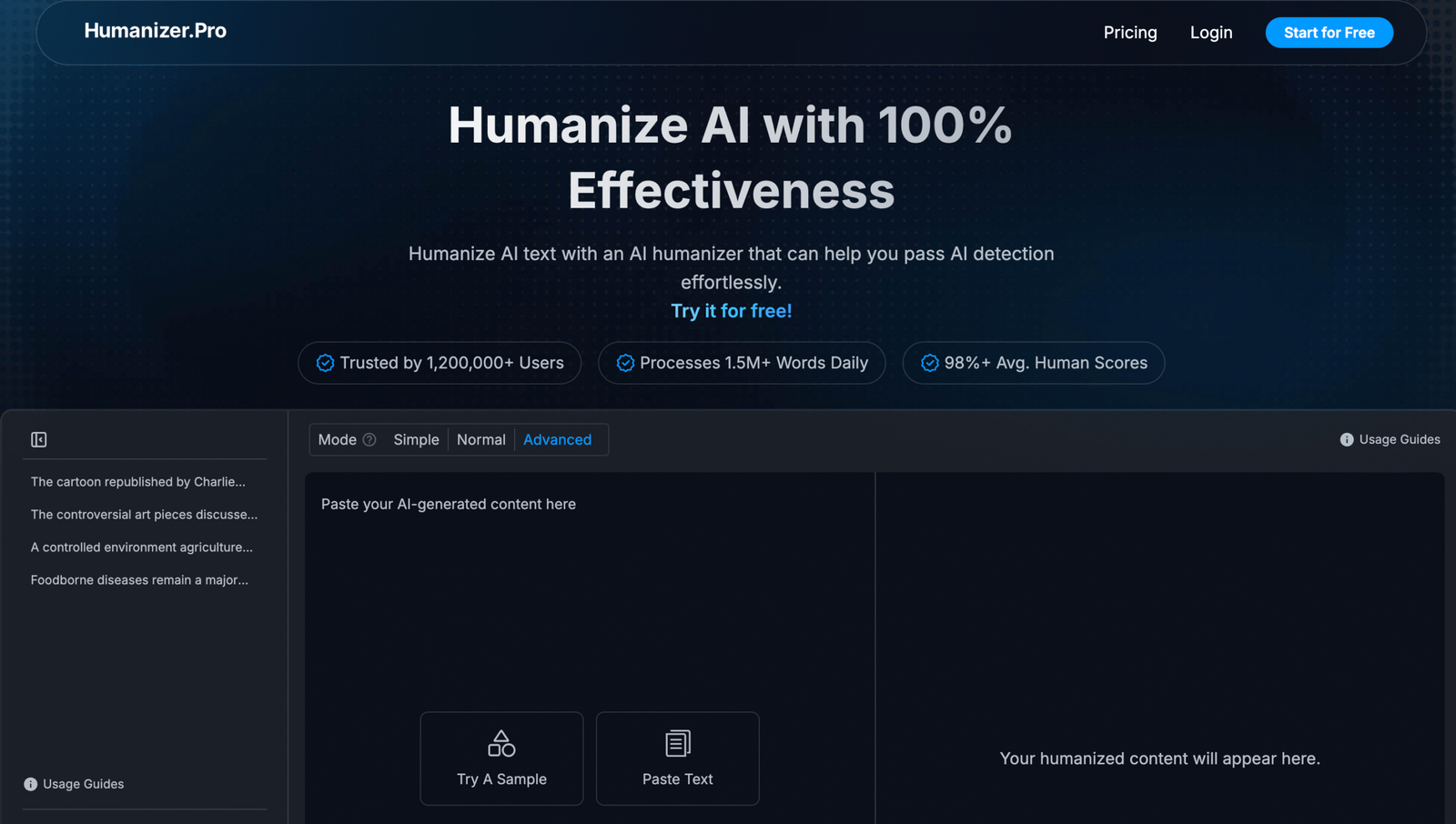
Best use case: Reworking heavily AI-shaped drafts that need a more forceful rewrite before they are ready for brand review.
What it does well: It can noticeably alter rigid sentence structure and make synthetic text feel less obviously generated.
Where it falls short: The rewrite may drift from the original intent, which can be a real issue in conversion-focused marketing copy.
Who should skip it: Teams that need delicate edits rather than stronger transformation may find the output a bit too interventionist.
Most Trusted AI Humanizer Tools for Marketers #7. GPTInf
GPTInf is the sort of tool marketers tend to notice when the conversation turns from plain readability to detection anxiety and mechanical text patterns. That focus makes sense for teams publishing at scale, especially where AI assistance is common and the wording begins to take on a strangely uniform texture across multiple channels. Its value is less in elegant brand shaping and more in disrupting those patterns enough that the copy feels less formulaic on inspection. The obvious caveat is that detection-oriented positioning does not automatically translate into strong marketing prose, and those are not always the same problem. So it has a place, exactly, but it is most convincing when paired with someone who still knows how to edit for persuasion.
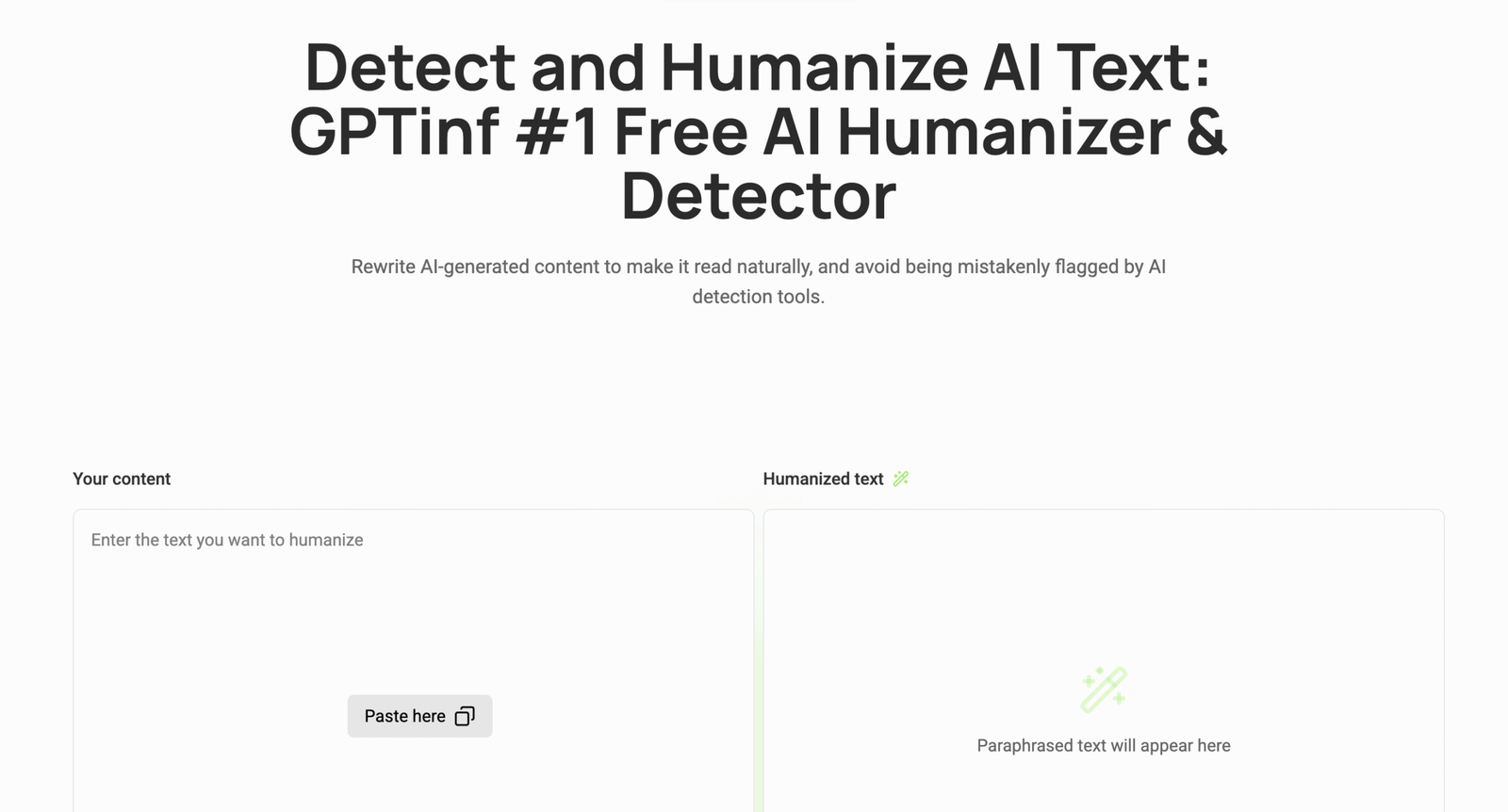
Best use case: Breaking up repetitive AI patterns in marketing drafts that already read too evenly or too predictably.
What it does well: It pushes text away from obviously synthetic structure, which can help copy feel less machine-shaped.
Where it falls short: It is not especially centered on brand storytelling, so the result may still need human refinement for tone and persuasion.
Who should skip it: Marketers who care more about premium voice than detectability concerns will probably want a more editorially minded option.
Most Trusted AI Humanizer Tools for Marketers #8. Walter Writes AI
Walter Writes AI sits in the category of tools that promise to make AI-assisted text feel less obvious, which is a fairly specific pitch but one that marketers do pay attention to. It can be helpful when short-form copy, sponsored posts, or rapid-turnaround campaign assets start carrying that polished-but-hollow rhythm that readers are getting better at noticing. The tool seems most relevant for teams trying to reduce predictability in sentence flow rather than teams chasing deeply branded language. That is a useful distinction, because the two aims overlap only part of the time and people tend to blur them together. Walter Writes AI has its role, although marketers looking for distinctive brand voice may still find themselves doing the more interesting editorial work afterward.
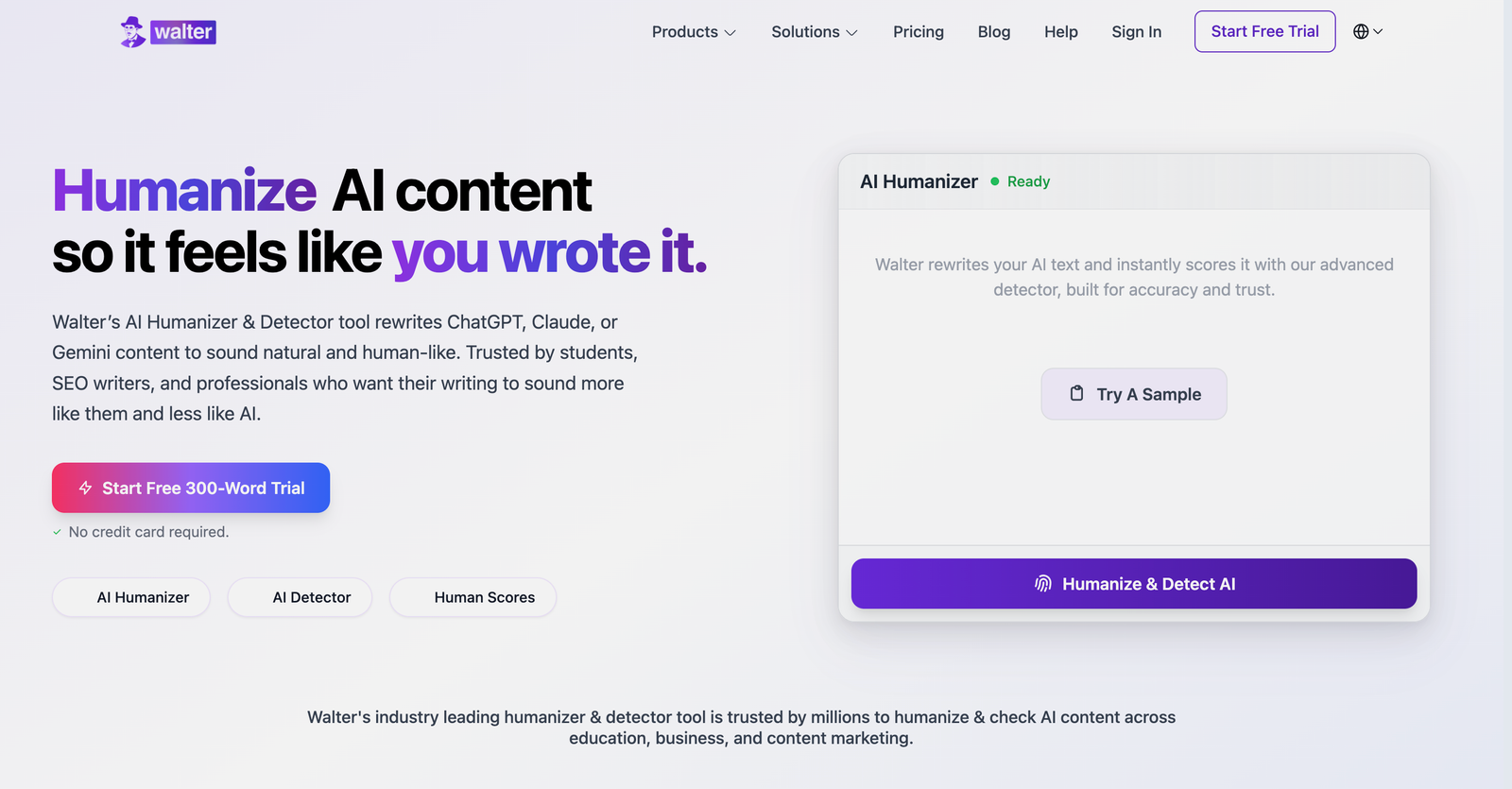
Best use case: Refreshing short-form campaign copy that feels too polished in the slightly artificial way AI often produces.
What it does well: It helps vary sentence texture and can make rushed AI drafts feel less predictable on a quick read.
Where it falls short: It may not give enough tonal nuance for marketers who need copy to sound tightly aligned with a specific brand identity.
Who should skip it: Teams producing founder-led, voice-sensitive messaging may want a tool that focuses more directly on style preservation.
Most Trusted AI Humanizer Tools for Marketers #9. HumanizeAI.pro
HumanizeAI.pro is the kind of option that will appeal to marketers who want a quick utility rather than a whole editorial environment. It can help soften stiff promotional phrasing and tidy up copy that feels too symmetrical, which is a common issue once AI starts generating headlines, blurbs, and ad variants in bulk. That practicality has some value, especially for fast-moving content teams that do not need every sentence to carry a particularly refined voice. The catch is that functional output is not always memorable output, and marketing still depends on that difference more than many tool pages admit. It is suitable for cleanup work, but the best results probably come when the brand voice already exists somewhere outside the tool.
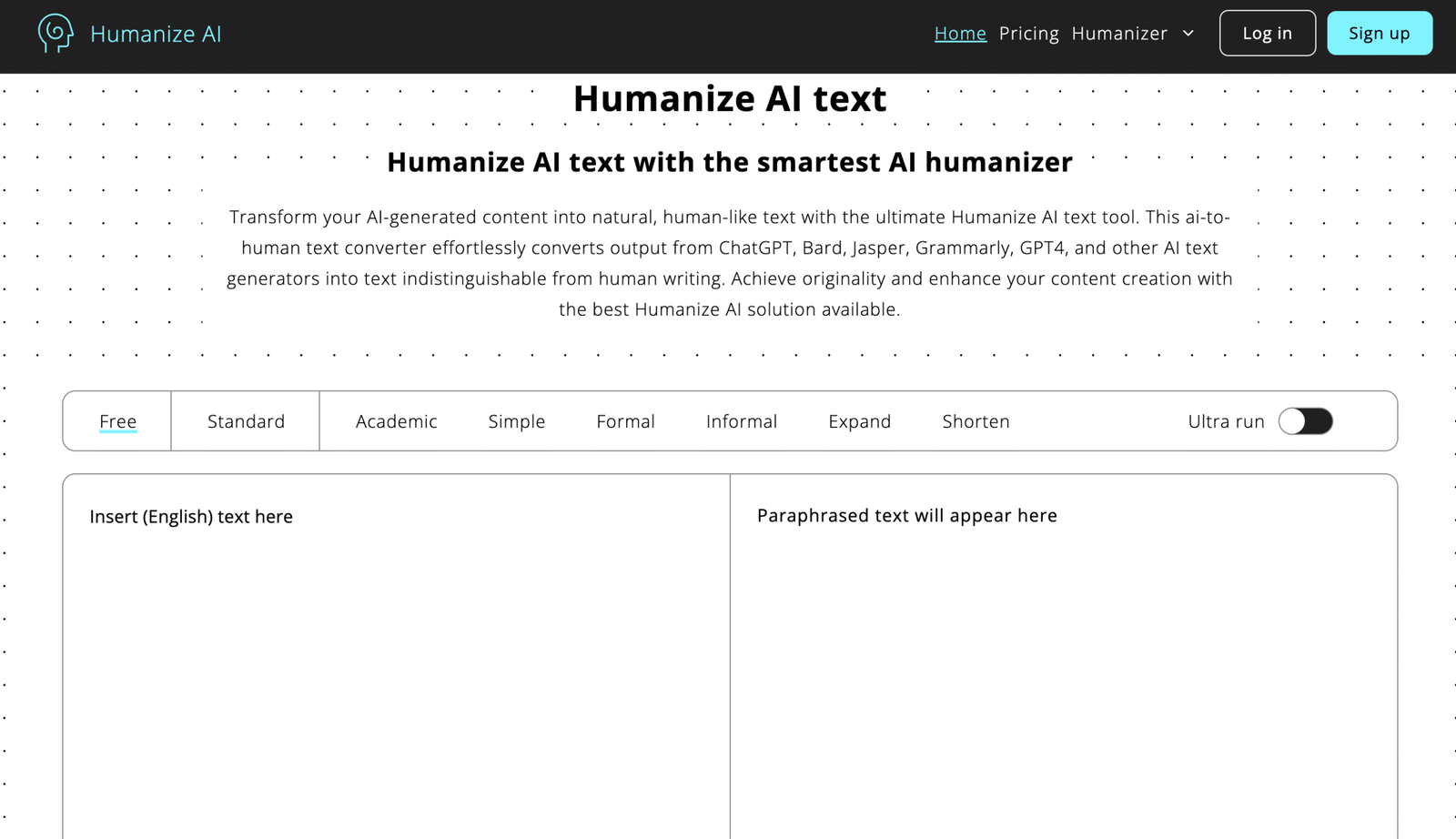
Best use case: Fast revision of ads, product blurbs, and promo text that needs less rigidity before publishing.
What it does well: It delivers quick readability improvements without requiring much setup or a long learning curve.
Where it falls short: The final text can still feel a little plain, which matters when brand distinction is part of the job.
Who should skip it: Creative teams chasing memorable voice or a more editorial feel will likely want something with more nuance.
Most Trusted AI Humanizer Tools for Marketers #10. AI Undetect
AI Undetect is a practical entry for marketers who want to run short-form text through a lighter humanization pass without turning the process into a full rewriting session. It is the sort of tool that can help when campaign fragments, simple emails, or quick sales copy feel just a bit too obviously assembled by a model. There is a place for that kind of tool, because not every team needs elaborate controls when the job is simply to make the text feel less flat. Still, lighter intervention has limits, and those limits show up fast when the source draft lacks voice, structure, or any real point of view. It is serviceable for quick cleanup, although the copy may still need a human editor to make it sound genuinely persuasive rather than merely less robotic.
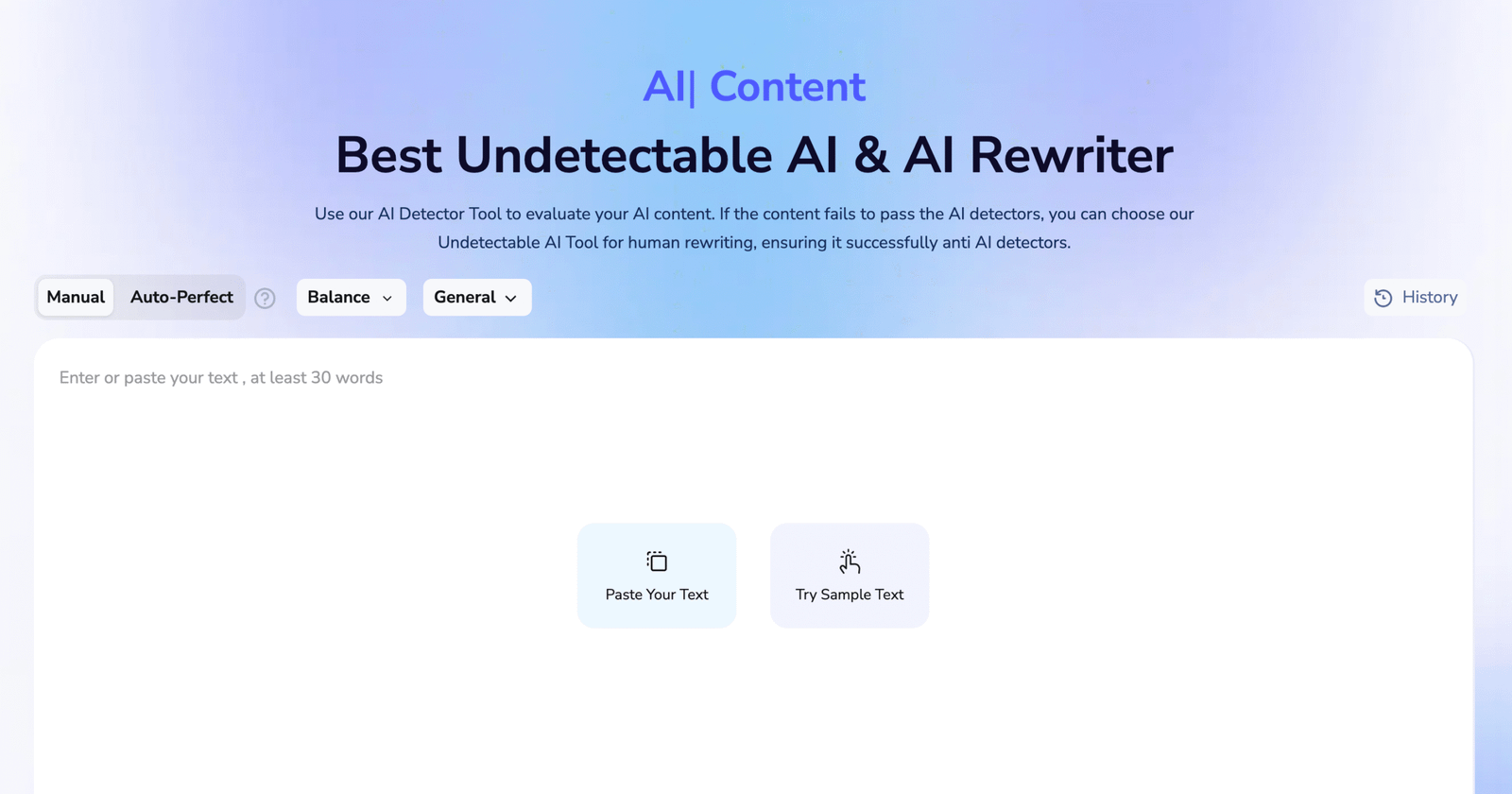
Best use case: Short-form marketing text that needs a quick polish before testing, review, or publication.
What it does well: It offers a straightforward way to make stiff AI wording feel a bit more natural without much delay.
Where it falls short: The lighter touch may not be enough for drafts that need stronger voice work or more persuasive shaping.
Who should skip it: Teams expecting a deep editorial transformation from rough AI output will probably find it too limited.
Tool Selection Guide for Most Trusted AI Humanizer Tools for Marketers
Precise tone control
WriteBros.ai and Grammarly AI Humanizer tend to suit marketers who already have a defined voice and simply need AI drafts to align more closely with it. These tools adjust phrasing without pulling the copy too far from its original intent. That makes them more dependable when working on messaging that needs to stay recognizable across channels.
General cleanup
QuillBot AI Humanizer and HumanizeAI.pro are usually enough when copy reads clearly but feels slightly mechanical on a second pass. They smooth out repetition and make sentence flow less rigid without introducing too much variation. This works well for routine edits where the structure is already sound.
Pattern removal
GPTInf, Walter Writes AI, and AI Undetect are often used when content carries obvious AI phrasing patterns across multiple sections. These tools push more variation into sentence structure, which helps break that uniform feel. The tradeoff is that nuance can shift slightly, so marketers tend to review the output before publishing.
Landing pages
WriteBros.ai and Grammarly AI Humanizer generally perform well on landing page copy where clarity and tone balance matter. These areas rely on concise language that still feels deliberate. Humanizing tools help remove stiffness while keeping the message intact.
SEO articles
AISEO AI Humanizer and QuillBot AI Humanizer fit better into longer content workflows where articles start as structured AI drafts. They reshape sentence flow so paragraphs read more naturally across longer sections. This becomes useful when consistency across multiple pieces matters.
Campaign copy
Walter Writes AI and HumanizeAI.pro are often used for shorter promotional formats such as ads, captions, and email subject lines. These formats benefit from conversational language that still feels intentional. Humanizers help reduce stiffness so the copy feels closer to everyday speech.
Sentence polishing
WriteBros.ai and Grammarly AI Humanizer work well when editing specific lines within a larger draft. This allows marketers to refine tone without restructuring the entire piece. It is commonly used for headlines, hooks, and key conversion lines.
Full rewriting
Humanizer.Pro and AI Undetect are more useful when a draft still reads strongly AI generated and needs broader changes. They introduce variation across entire passages and adjust pacing. After rewriting, teams usually refine the copy further to keep it aligned with brand voice.
Variant testing
AISEO AI Humanizer and QuillBot AI Humanizer can support workflows where multiple rewritten versions are compared side by side. Seeing variations helps marketers decide which phrasing fits the campaign best. This makes the final copy feel more deliberate rather than automated.
Choosing a Humanizer That Actually Fits Marketing Work
Most Trusted AI Humanizer Tools for Marketers tend to promise similar outcomes, although the differences show up quickly once the text is used in real campaigns. Some tools keep structure intact and refine tone, while others push harder and risk softening the message that was supposed to convert.
There is also a quiet distinction between readability and believability, which are not quite the same thing. A sentence can read smoothly and still feel generic, which is usually where marketing copy starts to lose its edge.
The better tools seem to understand that marketers are not just fixing grammar but protecting intent, pacing, and emphasis at the same time. That balance is not always obvious in demos, although it becomes clear when the copy moves from draft to live asset.
In practice, the choice comes down to how much control a team wants to keep over voice and how much intervention they are comfortable handing off. Some will prefer a lighter touch that preserves structure, while others may accept heavier rewrites if the starting point is rough enough.
Disclaimer: The tools referenced are included for editorial and informational purposes only and are selected based on observable product behavior and relevance rather than sponsorship or paid placement. Screenshots are shown solely for identification, commentary, and illustrative reference in line with standard editorial and fair use practices, and may not reflect the most current version of each product. All trademarks, logos, and interface elements remain the property of their respective owners. For update, correction, or removal requests, please refer to the Editorial Policy.