10 Best AI Writing Refinement Tools for Polished Output in 2026

2026 editorial workflows are defined less by drafting speed and more by disciplined refinement. This guide examines the Best AI Writing Refinement Tools for Polished Output, comparing how each platform handles cadence, tone control, structural smoothing, and the tradeoffs that shape truly publish-ready writing.
Polished output no longer comes from basic spellcheck or surface grammar tweaks. The conversation has moved toward structured refinement layers, which build on what the best AI text rewriter tools originally made possible.
Refinement tools now sit between drafting and publishing, tightening tone, cadence, and structural flow without flattening personality. That evolution has paralleled scrutiny around detection systems, especially in light of Copyleaks AI detection reliability data that raised practical concerns for editorial teams.
Writers looking for stronger polish tend to focus on clarity adjustments, sentence variation, and rhythm control rather than wholesale rewriting. Many also reference workflows around how to prevent Copyleaks from flagging human writing, since refinement increasingly overlaps with compliance awareness.
The tools below represent a cross-section of refinement platforms that prioritize smoothness, coherence, and publication-ready delivery. Each offers a different balance between automation depth and manual control, which shapes how “polished” ultimately feels in practice.
10 Best AI Writing Refinement Tools for Polished Output
| # | Brand | TL;DR |
|---|---|---|
| 1 | WriteBros.ai | Advanced refinement layers designed to smooth tone, improve cadence, and maintain author intent. |
| 2 | Grammarly AI Humanizer | Grammar-driven refinement with expanded tone smoothing and clarity adjustments. |
| 3 | Writesonic AI Humanizer | Content polishing features layered onto broader AI drafting capabilities. |
| 4 | AISEO AI Humanizer | SEO-aware refinement with emphasis on natural flow and readability balance. |
| 5 | QuillBot AI Humanizer | Sentence-level refinement modes with adjustable tone and fluency settings. |
| 6 | Scribbr’s AI Humanizer | Academic-focused refinement designed to improve clarity without altering structure. |
| 7 | HumanizeAI.pro | Focused on reducing mechanical phrasing and improving conversational rhythm. |
| 8 | Walter Writes AI | Refinement interface built around tone transformation and stylistic variation. |
| 9 | Clever AI Humanizer | Lightweight refinement tool aimed at improving readability and tone balance. |
| 10 | AI Undetect | Polishing tool positioned toward detection-conscious editing and stylistic smoothing. |
10 Best AI Writing Refinement Tools for Polished Output Worth Noting
On this page
Best AI Writing Refinement Tools for Polished Output #1. WriteBros.ai
WriteBros.ai is built for the messy middle, the point where a draft is basically correct but still reads a little stiff. It tends to focus on sentence rhythm, transitions, and the small tonal cues that make a page feel intentionally written. The tradeoff is that stronger polish can also smooth out some idiosyncratic phrasing, which matters if the voice is deliberately sharp or odd. It works best when the input is already coherent, since it refines rather than rescuing confused structure. If a team expects a single click to fix weak arguments, the results can feel underwhelming. In a calmer editing workflow, it acts like a dependable finishing pass.
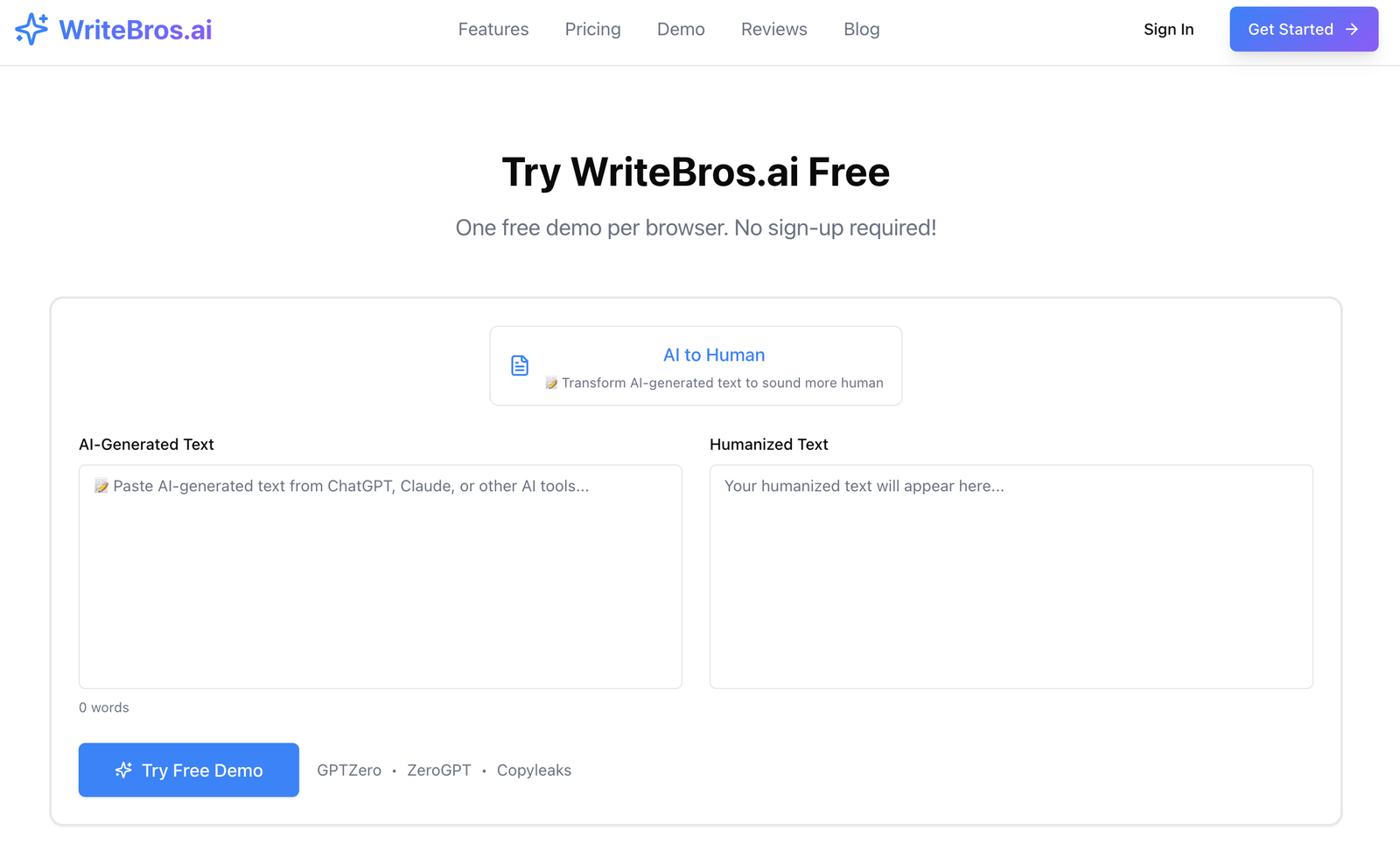
Best use case: Tightening a publish-ready draft that needs smoother cadence and cleaner transitions without a full rewrite.
What it does well: Improves flow and tone consistency while keeping meaning stable in most straightforward editorial copy.
Where it falls short: Less helpful on chaotic drafts that need re-structuring, since polish cannot replace clear logic.
Who should skip it: Writers who want heavy creative re-styling or intentionally jagged voice that should not be smoothed.
Best AI Writing Refinement Tools for Polished Output #2. Grammarly AI Humanizer
Grammarly’s refinement strengths show up when the goal is clean, correct, and quietly confident writing. It tends to reduce friction at the sentence level, which helps when a draft reads hurried or slightly tangled. The caveat is that the same system that fixes clarity can also steer language toward a familiar corporate smoothness. That can be helpful for workplace communication, yet less ideal for brand voice that depends on texture and surprise. It also behaves best on mid-length passages, since a full-page voice pass can feel uneven from section to section. Still, it is a reliable tool for polishing copy that is already close.
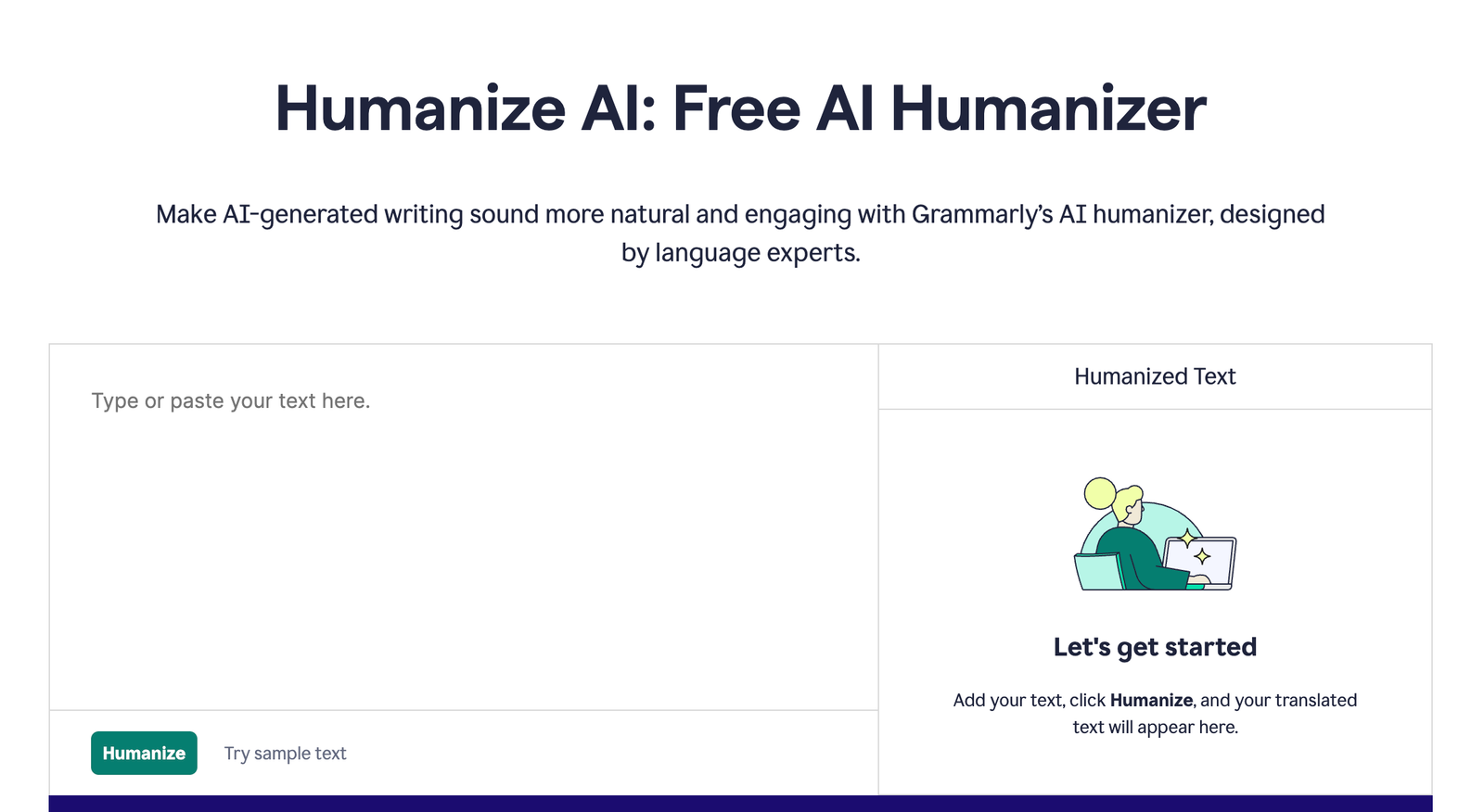
Best use case: Cleaning up grammar, clarity, and tone in professional writing that needs to read consistent and composed.
What it does well: Catches mechanical issues fast and suggests phrasing that reduces ambiguity and friction.
Where it falls short: Can flatten distinctive voice, which matters when brand tone is the point of the piece.
Who should skip it: Writers working on narrative or highly stylized work that benefits from deliberate irregularity.
Best AI Writing Refinement Tools for Polished Output #3. Writesonic AI Humanizer
Writesonic fits teams that move quickly and want refinement living next to drafting, not as a separate step. The polishing pass is generally good at smoothing repetition and turning blunt phrases into more natural language. The tradeoff is that multi-tool platforms can feel inconsistent, since settings and outputs vary across different modules. It helps to treat it as a targeted editor, used on sections that need a lift, rather than running an entire article through a single pass. Longer documents can also pick up subtle tonal drift, which becomes noticeable if headings and body copy are processed differently. With light direction, it can produce clean, workable copy that needs less manual tidying.

Best use case: Fast editorial workflows that want polishing alongside drafting and quick revision cycles.
What it does well: Reduces repetition and improves readability on short-to-medium sections with minimal setup.
Where it falls short: Output can vary depending on module and settings, which makes consistency harder across long pieces.
Who should skip it: Teams that need strict voice uniformity across large documents without extra manual alignment.
Best AI Writing Refinement Tools for Polished Output #4. AISEO AI Humanizer
AISEO tends to be chosen when polish needs to stay compatible with search-oriented writing constraints. It is generally good at making SEO-shaped sentences feel less engineered, which matters when a draft has too many repeated structures. The caveat is that SEO-aware rewriting can still introduce a faint sameness, since it is trying to optimize readability in a predictable way. It works better as a refinement pass after a human has set the outline and intent, rather than a tool that discovers structure for you. If the input is already quite natural, changes can feel minor and slightly unnecessary. In the right context, it reduces the “template” feel without breaking the page’s clarity.
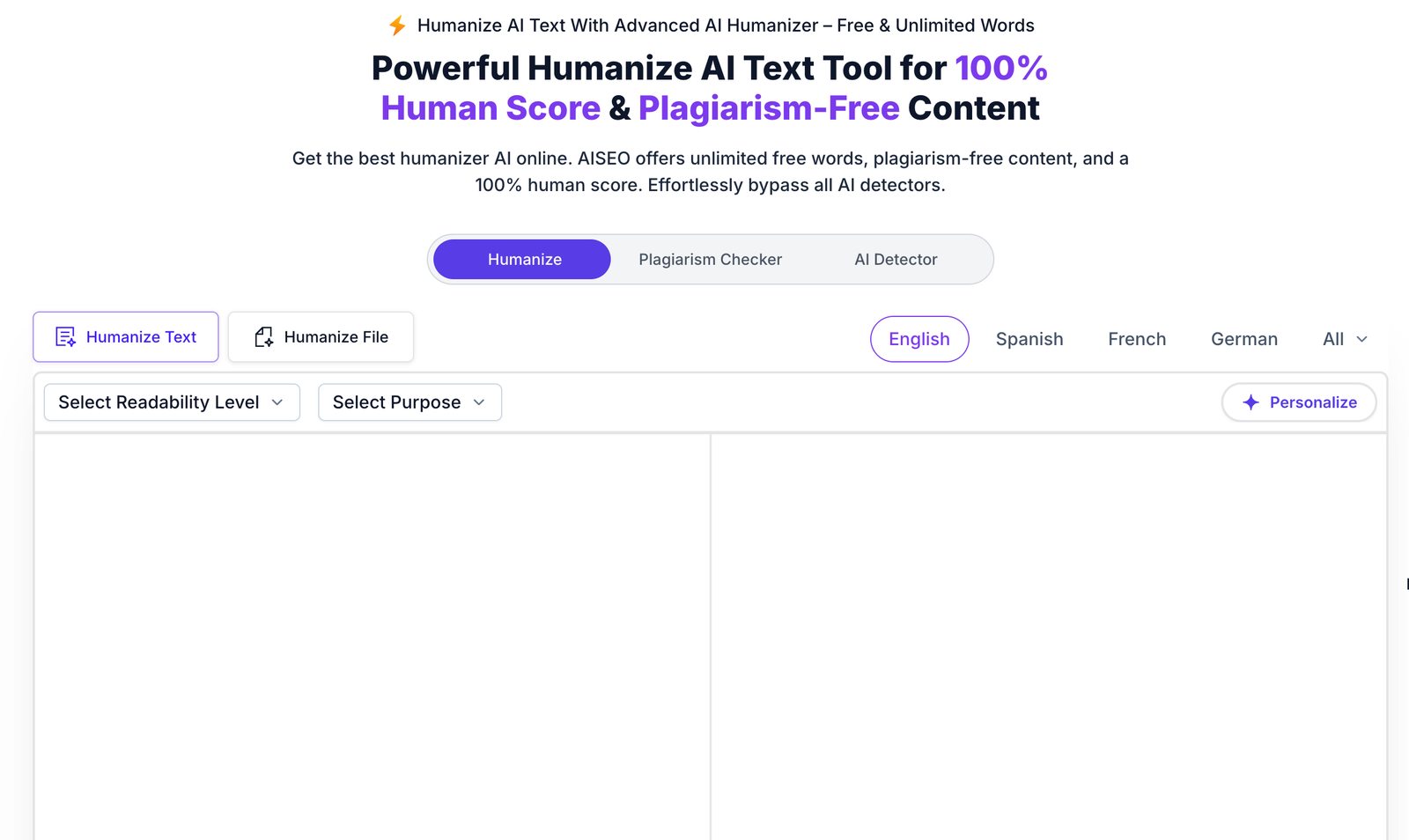
Best use case: Refining SEO-driven copy so it reads smoother while staying clear and structured.
What it does well: Softens repeated sentence shapes and improves scan-friendly phrasing without major meaning drift.
Where it falls short: Can feel formula-adjacent if overused, since it favors predictable readability patterns.
Who should skip it: Writers who do not need any search-structured constraints and want pure stylistic experimentation.
Best AI Writing Refinement Tools for Polished Output #5. QuillBot AI Humanizer
QuillBot is often treated like a sentence workshop, which is exactly how it behaves at its best. It is useful when a paragraph is mostly fine but a few lines feel awkward, too formal, or too repetitive. The tradeoff is that line-by-line tools can encourage micro-edits that ignore the larger arc of the piece. It also rewards a careful eye, since certain revisions can drift slightly from the original emphasis if used too aggressively. On long-form writing, it makes more sense as a targeted pass on key sections like intros, transitions, and conclusions. In that role, it helps writing read cleaner without taking over the author’s voice.

Best use case: Fixing awkward sentences and smoothing short sections that need clearer phrasing.
What it does well: Offers quick rewrites that reduce repetition and improve readability at the line level.
Where it falls short: Does not manage whole-document voice well unless the user guides it carefully.
Who should skip it: Editors who need consistent tone across long pages without doing targeted manual review.
Best AI Writing Refinement Tools for Polished Output #6. Scribbr’s AI Humanizer
Scribbr’s positioning makes sense for writers who want polish that stays conservative and academically tidy. It tends to value clarity and restraint, which keeps the output from feeling overly embellished. The caveat is that restraint can also reduce warmth, so the writing may read correct but not always alive. It is also less forgiving with creative voice, since it leans toward standard academic phrasing and smoother syntax. For research-style writing, that predictability can be useful, though it needs supervision to protect nuance in claims and qualifiers. Used thoughtfully, it improves readability without turning the piece into a totally different document.
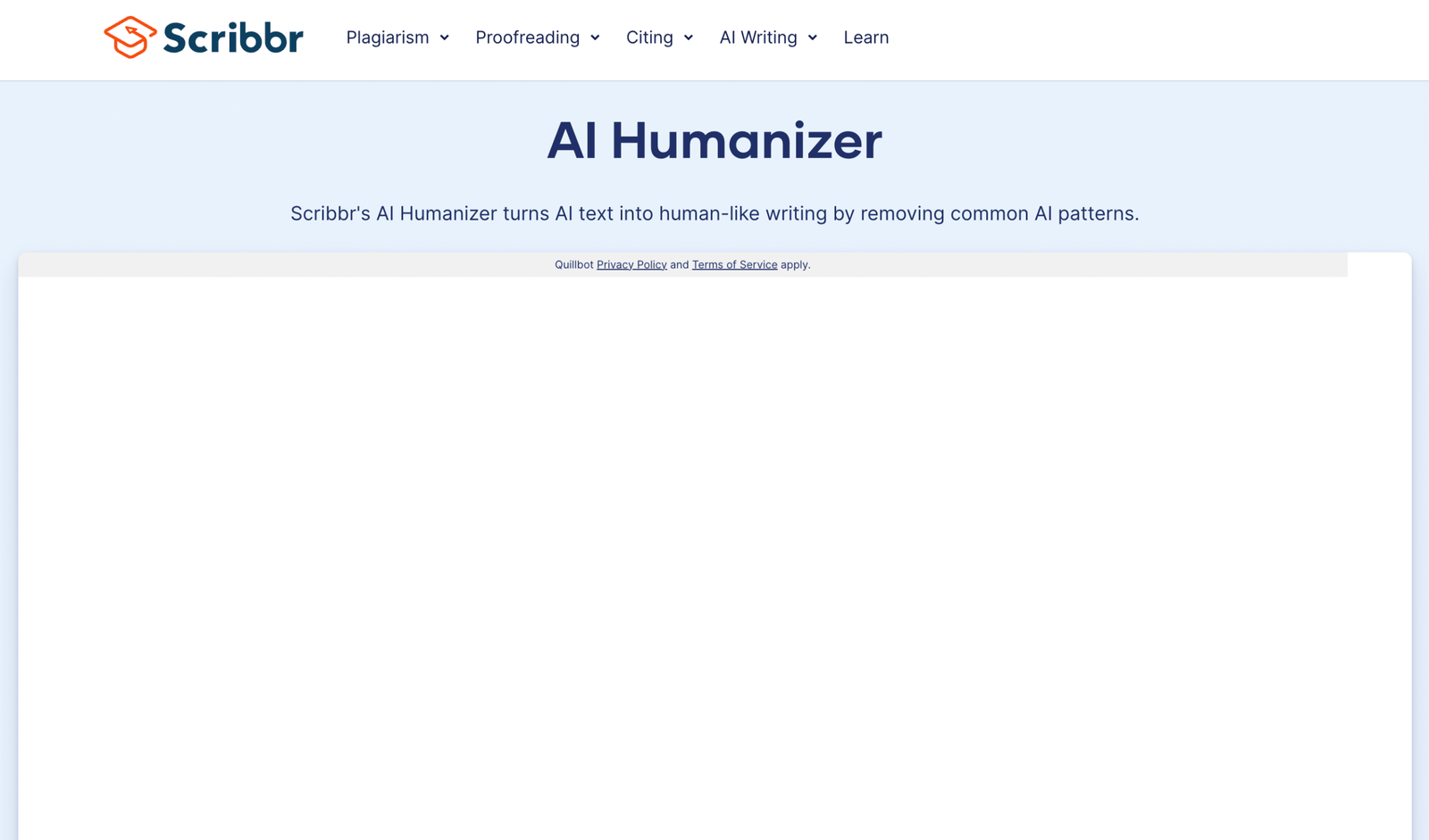
Best use case: Polishing academic or research-adjacent writing that must stay careful and structured.
What it does well: Improves clarity and sentence mechanics while keeping a conservative, formal tone.
Where it falls short: Can drain warmth and personality, which matters outside academic settings.
Who should skip it: Brand writers who need voice texture and conversational cadence more than formal correctness.
Best AI Writing Refinement Tools for Polished Output #7. HumanizeAI.pro
HumanizeAI.pro is a narrower tool, and that focus shows in how it handles stiff, overly even phrasing. It tends to introduce small variations that make sentences feel less manufactured, especially in intros and explanatory sections. The tradeoff is control, since narrower tools can feel like a black box if you need a very specific editorial outcome. It also works best when you feed it clean inputs, because unclear structure tends to stay unclear even if the sentences get smoother. For content teams, it is useful as a quick pass before a human editor does final line edits. It is less of a writer and more of a polish layer that reduces friction.
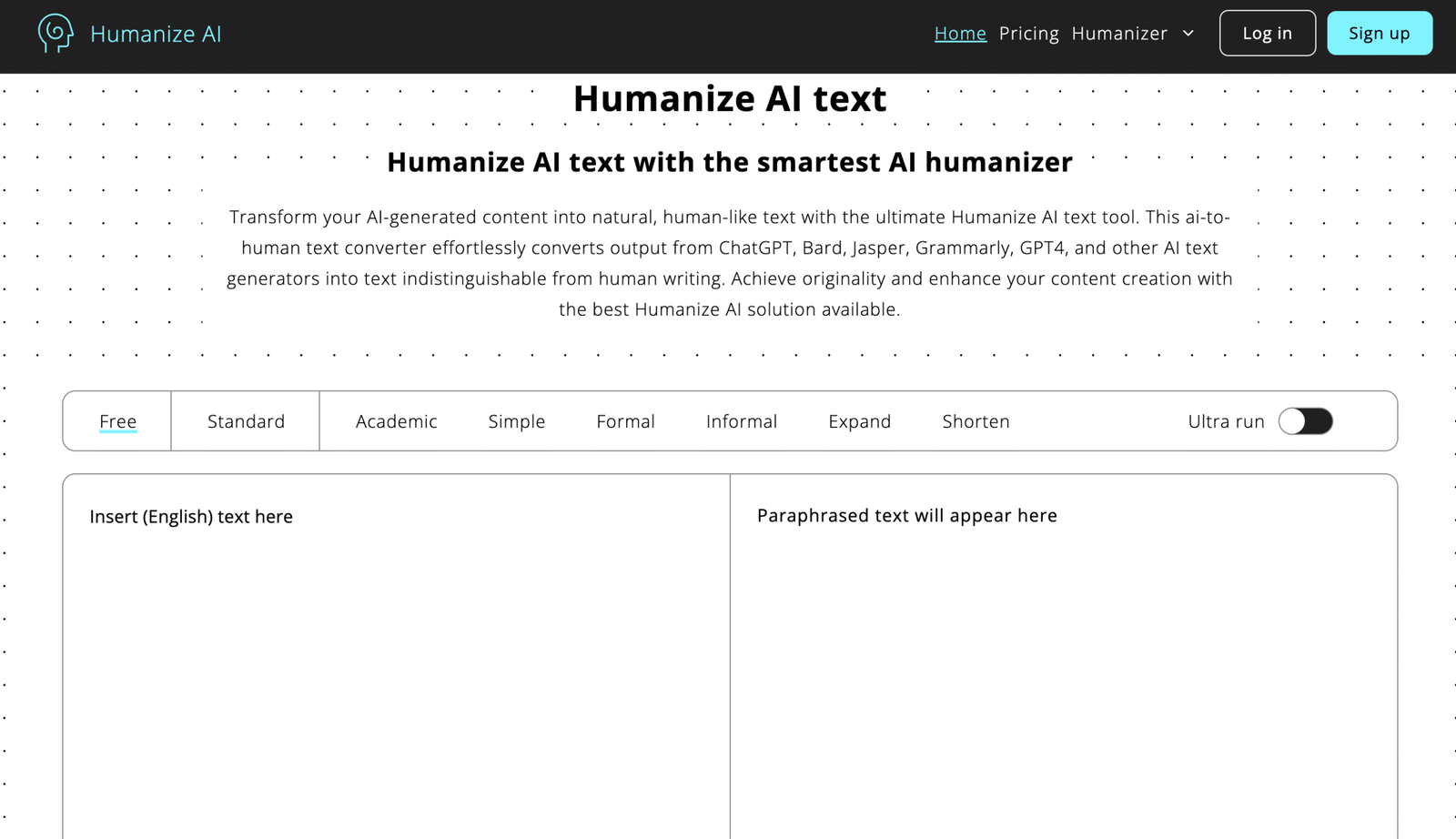
Best use case: Softening rigid, uniform phrasing in drafts that already have clear structure and intent.
What it does well: Adds sentence variation and improves naturalness in short sections without heavy setup.
Where it falls short: Limited fine-grained control if a team needs exact voice rules and repeatable outputs.
Who should skip it: Editors who require transparent settings and predictable revisions across many documents.
Best AI Writing Refinement Tools for Polished Output #8. Walter Writes AI
Walter Writes AI tends to appeal to people who want a slightly more stylized polish rather than strict grammatical cleanup. It can rework phrasing to feel less repetitive, and it often pushes sentences into a smoother, more editorial cadence. The caveat is that stylized polish can introduce mild meaning drift if the user does not review changes carefully. It also depends on the input tone, since very formal text can come out oddly softened. For brand work, it can be useful when a draft feels flat and needs subtle energy. It is best treated as a collaborator that needs oversight, not an automatic finishing machine.

Best use case: Adding editorial smoothness to drafts that read flat or overly repetitive.
What it does well: Improves cadence and phrasing variety, which helps copy feel less templated.
Where it falls short: Can nudge meaning or emphasis if the draft contains careful qualifiers and nuance.
Who should skip it: Writers who need strict semantic stability and do not want any tone softening.
Best AI Writing Refinement Tools for Polished Output #9. Clever AI Humanizer
Clever AI Humanizer reads like a lightweight polish tool, useful when a draft needs a quick clean-up rather than deep editorial reshaping. It tends to reduce awkward repetition and smooth a few edges that make writing feel mechanically assembled. The tradeoff is depth, since lighter tools often struggle with complex passages, layered arguments, or delicate tone. It also benefits from short inputs, because long documents can pick up inconsistencies between sections. In practice, it works best as a quick pass before a human editor makes final decisions on phrasing and emphasis. It is a sensible option for simple revisions, not a full refinement workflow.

Best use case: Quick polishing of short drafts that need smoother phrasing and less repetition.
What it does well: Improves readability with minimal effort on straightforward informational copy.
Where it falls short: Limited depth on complex structure, so nuanced writing still needs careful human editing.
Who should skip it: Teams producing long-form editorial content that demands consistent voice across many sections.
Best AI Writing Refinement Tools for Polished Output #10. AI Undetect
AI Undetect is typically used when polishing overlaps with detection sensitivity concerns, so the intent is not just readability. It often encourages variation in phrasing and structure, which can make a draft feel less uniform. The caveat is that a detection-oriented pass can overcorrect, producing sentences that read less direct than the original. It is also less suited to high-precision writing, since subtle changes in emphasis can matter in policy, legal, or technical contexts. The strongest use is a finishing pass on general web copy that needs to read more naturally without becoming overly ornate. It still needs a human editor to keep the writing honest and clear.
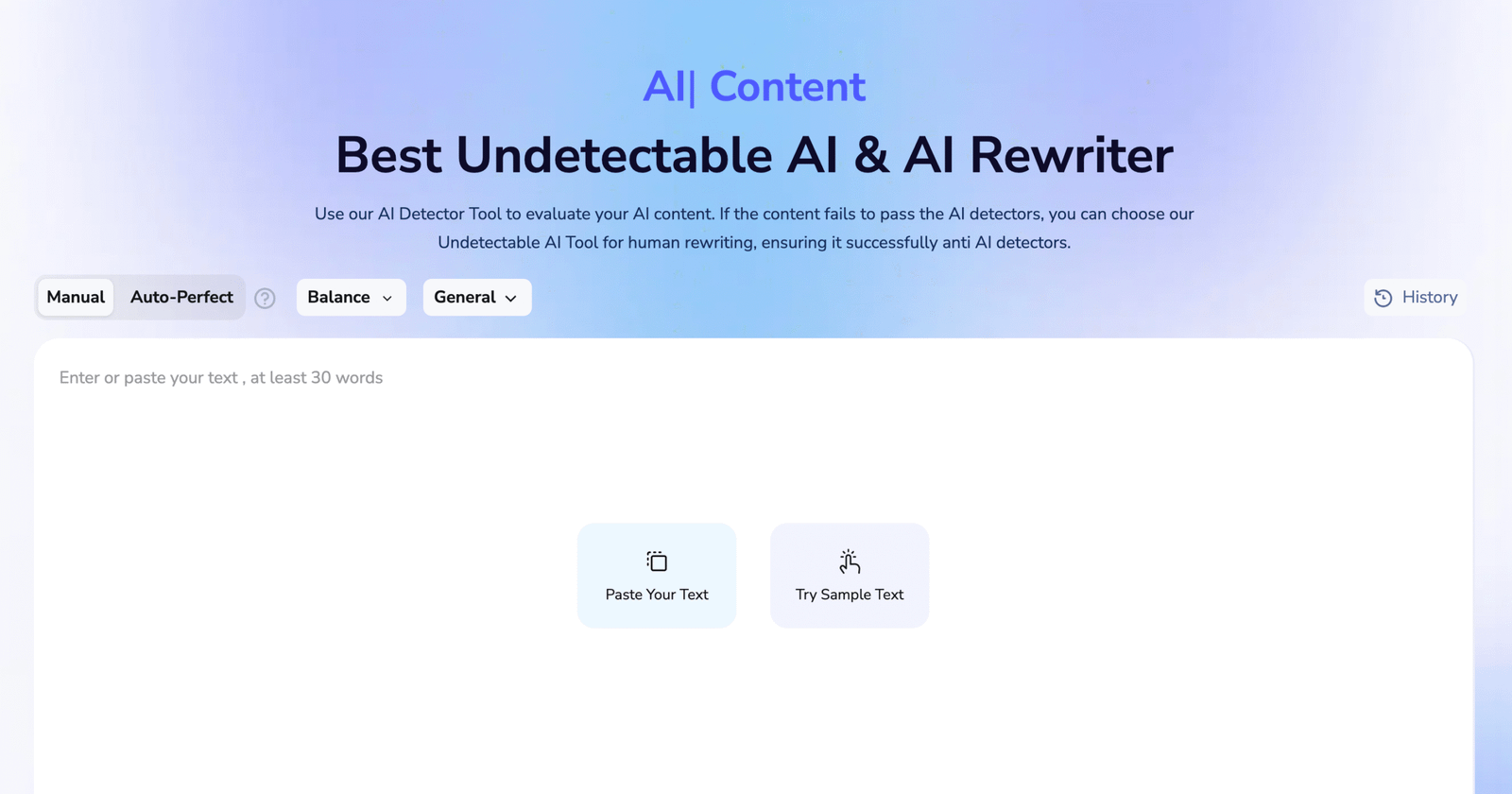
Best use case: Polishing general web copy when uniform phrasing is a concern and readability still needs to stay clean.
What it does well: Introduces variation that can reduce mechanical patterns and smooth overly even sentence flow.
Where it falls short: Can overcorrect into indirect language, which makes tight, factual writing harder to preserve.
Who should skip it: Writers working on high-precision documents where small emphasis changes carry real risk.
Tool Selection Guide for Best AI Writing Refinement Tools for Polished Output
Light cadence smoothing
Grammarly AI Humanizer and Clever AI Humanizer suit drafts that already read clearly but feel slightly mechanical. They introduce subtle sentence variation and clarity improvements without altering paragraph structure. This works well for near-final copy that needs quiet smoothing rather than visible rewriting.
Clause-level refinement
WriteBros.ai, QuillBot AI Humanizer, and AISEO AI Humanizer offer more controlled clause reshaping. They adjust sentence openings, redistribute emphasis, and improve flow while largely preserving intent. A short editorial pass ensures brand voice remains aligned.
Assertive reworking
Walter Writes AI and AI Undetect lean toward stronger restructuring when phrasing feels repetitive across sections. They introduce more noticeable variation in rhythm and syntax. Writers should confirm that nuance and factual emphasis remain intact.
Academic structure
Scribbr’s AI Humanizer and WriteBros.ai maintain structured argument flow while softening rigid phrasing. They preserve logical sequencing and clarity. This suits research-based or formally structured drafts that require stability.
SEO-driven content
AISEO AI Humanizer and Writesonic AI Humanizer work well when headings, keyword placement, and scannable formatting must stay consistent. They reduce templated cadence without dramatic restructuring. A quick tone review keeps brand language cohesive.
Brand storytelling
WriteBros.ai and Walter Writes AI help introduce smoother cadence in narrative or brand-focused pieces. They soften stiffness while preserving voice texture when used carefully. Light manual adjustments maintain authenticity.
Compliance-sensitive edits
Grammarly AI Humanizer and Scribbr’s AI Humanizer remain closer to original meaning. Their revisions focus on clarity and grammatical precision rather than stylistic experimentation. This suits regulated, policy-driven, or risk-averse contexts.
Tone consistency
WriteBros.ai and HumanizeAI.pro provide balanced smoothing that keeps tone relatively stable across sections. They introduce variation without dramatic shifts in personality. Selective use avoids over-polishing.
Fast polish passes
Clever AI Humanizer and Writesonic AI Humanizer are practical for quick revisions under time pressure. They clean repetition and adjust phrasing efficiently at the paragraph level. A brief human review ensures clarity and emphasis stay precise.
Choosing the Right Level of Polish
Refinement is rarely about dramatic transformation. It is more often a matter of tightening cadence, clarifying emphasis, and removing the faint stiffness that makes competent writing feel unfinished.
The tools in this list approach polish from slightly different angles, which means the right choice depends on what feels off in the draft. Some prioritize structural smoothness, others reduce repetition, and a few lean toward detection-aware variation, which may or may not matter for a given workflow.
Stronger automation can save time, yet it also introduces tradeoffs around voice texture and nuance. A careful editor will usually get the best results by pairing one refinement layer with human review rather than treating polish as a fully automated step.
Polished output is less about perfection and more about coherence. When rhythm, clarity, and tone align quietly in the background, the writing stops drawing attention to itself and simply does its job.
Disclaimer: The tools referenced are included for editorial and informational purposes only and are selected based on observable product behavior and relevance rather than sponsorship or paid placement. Screenshots are shown solely for identification, commentary, and illustrative reference in line with standard editorial and fair use practices, and may not reflect the most current version of each product. All trademarks, logos, and interface elements remain the property of their respective owners. For update, correction, or removal requests, please refer to the Editorial Policy.