10 Best Platforms for Refining ChatGPT Output in 2026

2026’s editorial bottleneck is no longer generating AI content but fixing the strangely polished rhythm it leaves behind. This breakdown examines the best platforms for refining ChatGPT output, comparing how they handle tone, pacing, readability, AI patterns, and the tradeoffs that appear once rewriting becomes too aggressive.
Refining AI-generated writing has turned into a full editorial process rather than a quick cleanup task, especially as readers have become unusually good at spotting repetitive phrasing and synthetic pacing. Many teams now rely on AI text rewriter tools that can smooth awkward structure without flattening personality or removing useful detail.
What makes the whole thing harder in 2026 is that polished output alone no longer feels convincing to readers, clients, or search systems that increasingly compare tone consistency across pages. Recent AI writing future trends for businesses statistics suggest companies are spending more time refining AI drafts than generating them in the first place.
Some platforms focus heavily on readability and rhythm, which works well for marketing copy but can sometimes soften technical precision too aggressively. Others lean toward detection avoidance, though the better systems usually balance sentence variation, structure cleanup, and human pacing instead of relying on random synonym swaps.
Editorial teams and agencies are also becoming far more selective with workflows that preserve recognizable brand voice across hundreds of pages at once. That is exactly why many operations now study how agencies scale AI content without losing quality before committing to a rewriting platform that may quietly alter tone consistency over time.
10 Best Platforms for Refining ChatGPT Output
| # | Brand | TL;DR |
|---|---|---|
| 1 | WriteBros.ai | Balanced refinement platform that focuses on preserving natural tone while reducing obvious AI phrasing patterns. |
| 2 | Grammarly AI Humanizer | Strong for readability cleanup and sentence flow, especially for professional or business-oriented writing. |
| 3 | QuillBot AI Humanizer | Useful for restructuring repetitive ChatGPT drafts into cleaner and more conversational language. |
| 4 | Scribbr’s AI Humanizer | Academic-friendly refinement system with softer phrasing adjustments and cleaner readability controls. |
| 5 | AISEO AI Humanizer | SEO-focused platform designed to make AI-assisted articles sound less rigid and repetitive. |
| 6 | Undetectable AI | Popular option for altering predictable AI writing patterns and improving variation across drafts. |
| 7 | Humanizer.Pro | Simple interface focused on faster rewrites and cleaner sentence rhythm for everyday content. |
| 8 | GPTInf | Designed around subtle language variation and AI pattern disruption without fully rewriting drafts. |
| 9 | Walter Writes AI | Editorial-style rewriting platform that leans into more natural pacing and sentence unpredictability. |
| 10 | AI Undetect | Lightweight rewriting tool intended for fast refinement of heavily AI-generated text outputs. |
10 Best Platforms for Refining ChatGPT Output Worth Noting
Best Platforms for Refining ChatGPT Output #1. WriteBros.ai
WriteBros.ai fits the kind of ChatGPT cleanup that needs to keep the original idea intact while making the language feel less patterned and less mechanically polished. It is useful when a draft already has the right substance, but the pacing feels too even, the phrasing repeats itself, or the transitions sound generated rather than edited. Honestly, its strongest use is not just rewriting single sentences, but helping a draft settle into a more natural editorial rhythm across paragraphs. The tradeoff is that users still need to know what the draft is supposed to say, because no refinement platform can replace a clear point of view or missing source detail. It works best when the input already has useful structure, since vague ChatGPT output will still need human judgment before the rewrite can feel exact.
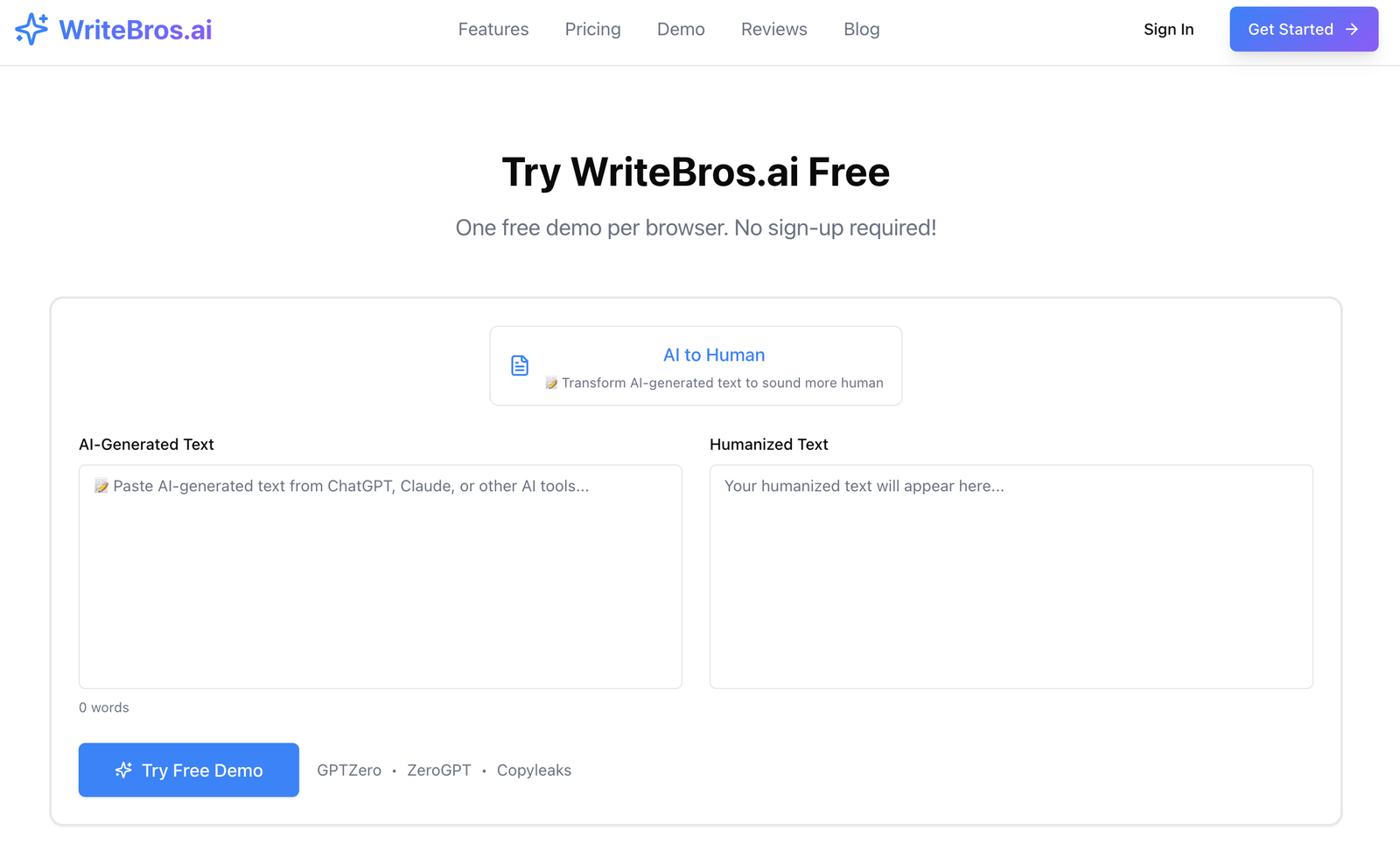
Best use case: Refining ChatGPT drafts that need to sound more human without losing the original argument, angle, or practical detail.
What it does well: It improves rhythm, sentence variety, and natural flow while keeping the whole thing grounded in the existing draft.
Where it falls short: It still depends on the quality of the source text, so thin inputs can only be improved so far.
Who should skip it: Users who want a fully automated content strategy tool rather than a focused rewriting and refinement platform.
Best Platforms for Refining ChatGPT Output #2. Grammarly AI Humanizer
Grammarly AI Humanizer is basically strongest when ChatGPT output needs to become cleaner, more readable, and more appropriate for professional communication. It works well for emails, short articles, business explanations, and client-facing drafts that need smoother grammar and a steadier tone. The platform has the advantage of sitting inside a broader writing ecosystem, which means its refinement can feel practical rather than isolated. The caveat is that its polish can sometimes make copy feel safer and more standardized, especially when the original draft needs stronger personality or a sharper editorial edge. It is a sensible choice for users who value clarity, though it may not always create the more textured, imperfect pacing that makes longer AI-assisted writing feel human.
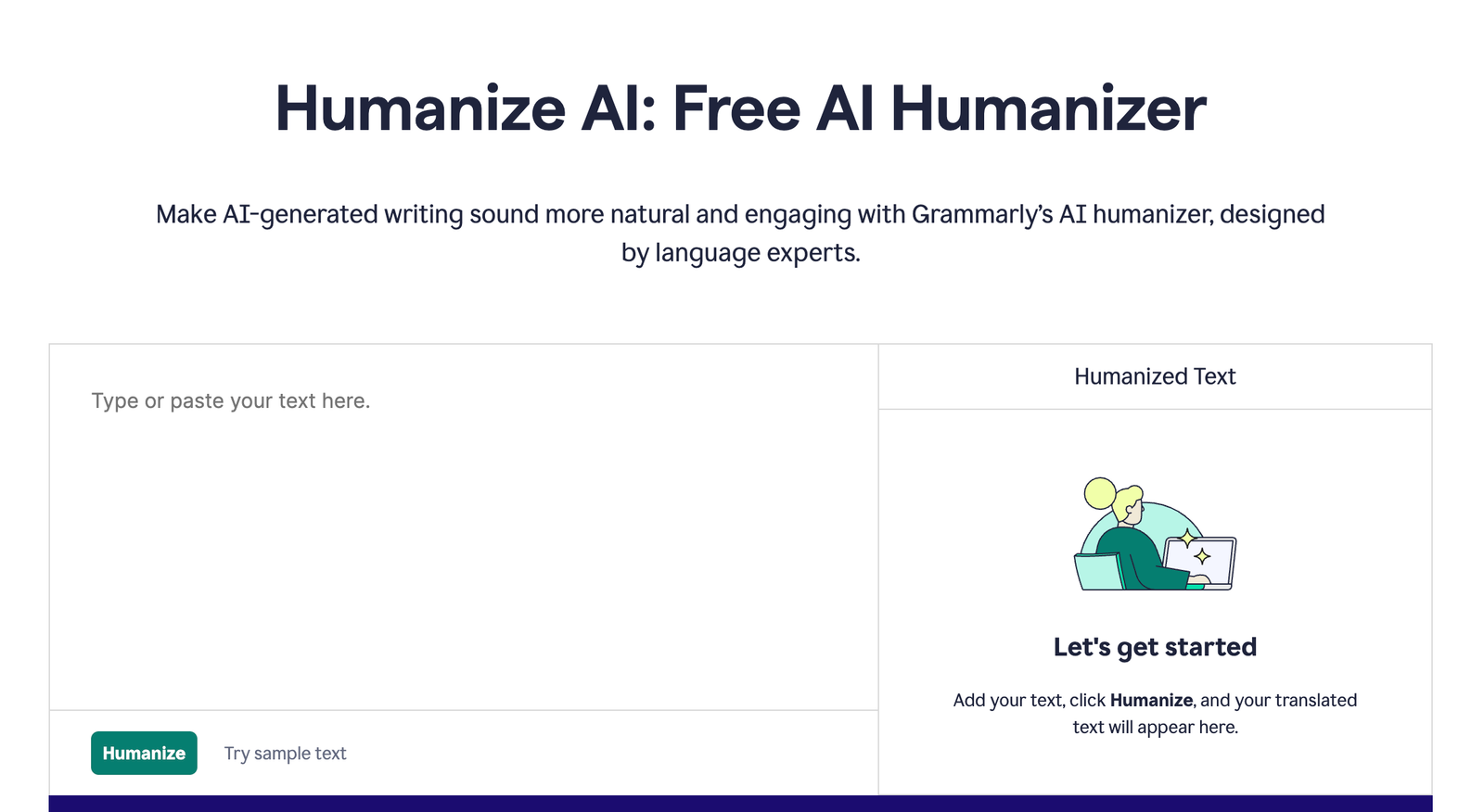
Best use case: Cleaning up professional ChatGPT drafts that need clearer grammar, stronger readability, and fewer awkward sentence patterns.
What it does well: It makes writing feel more controlled, direct, and appropriate for business or academic-adjacent communication.
Where it falls short: It can smooth personality too much when the content needs a distinct editorial voice.
Who should skip it: Writers who need bold stylistic rewriting rather than careful refinement and readability support.
Best Platforms for Refining ChatGPT Output #3. QuillBot AI Humanizer
QuillBot AI Humanizer is a familiar option for users who want to reshape ChatGPT output without learning a complicated editorial workflow. It is useful for drafts that feel stiff, overly formal, or too close to the default phrasing that many AI models tend to produce. The tool’s appeal is partly its accessibility, since writers can move quickly from pasted text to a cleaner version. The limitation is that fast rewriting can sometimes create language that is smoother but not necessarily more specific, which matters when the piece needs credibility or deeper nuance. It is best treated as a rewriting pass rather than the final editorial authority, especially for articles, essays, or brand copy that need exact tone control.
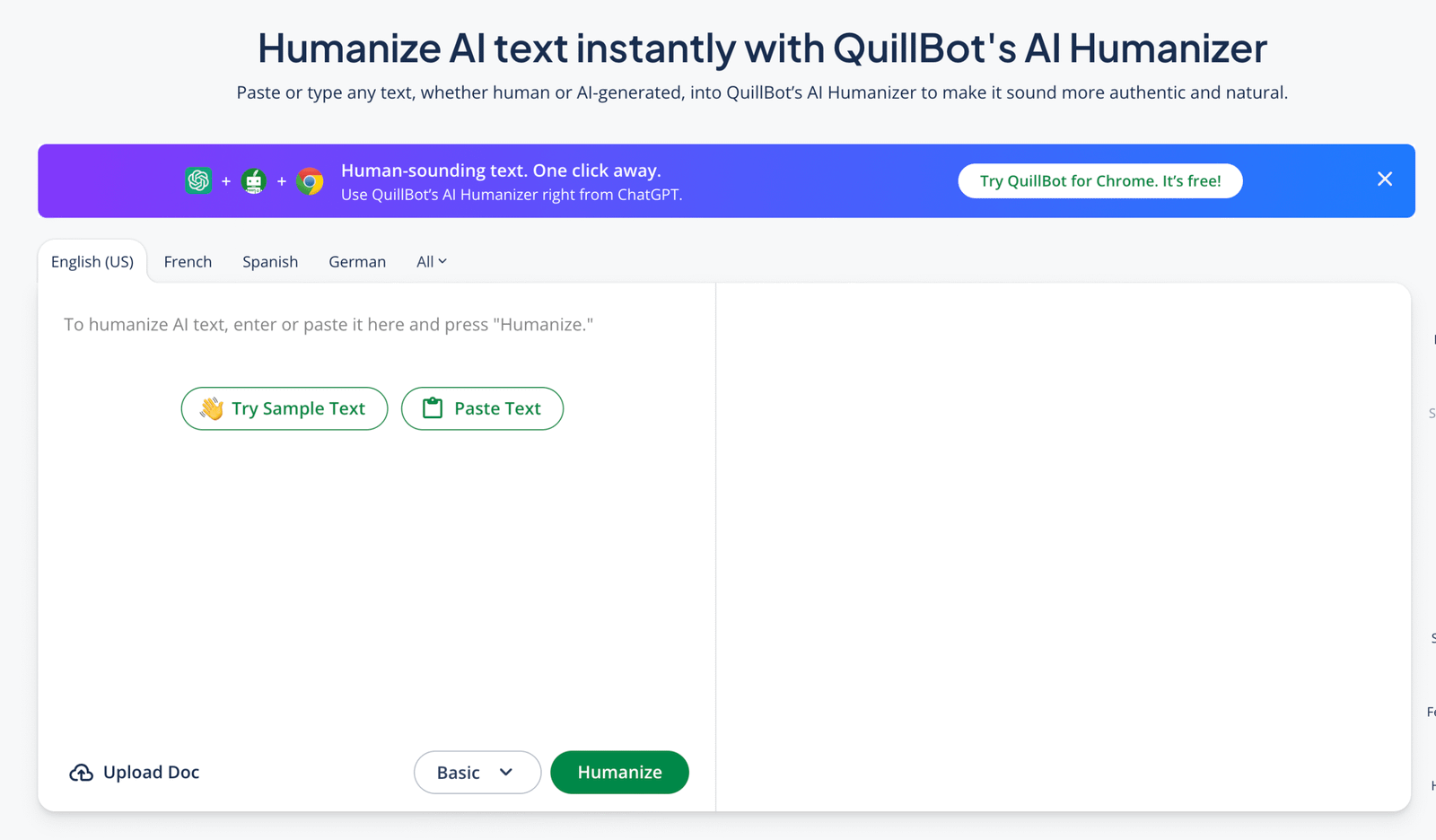
Best use case: Quickly reworking stiff ChatGPT paragraphs into cleaner, more readable language for everyday writing tasks.
What it does well: It gives users a fast way to reduce robotic phrasing and reshape sentence structure.
Where it falls short: It may improve flow without adding the specificity that stronger content sometimes needs.
Who should skip it: Teams that need strict brand voice control across long-form or multi-page editorial projects.
Best Platforms for Refining ChatGPT Output #4. Scribbr’s AI Humanizer
Scribbr’s AI Humanizer is especially relevant for students, researchers, and formal writers who need ChatGPT output to read more naturally without drifting into casual marketing language. Its refinement style tends to suit academic or educational writing, where clarity matters but excessive flair can weaken the tone. The tool can help reduce phrasing that feels overly generated while keeping the writing measured and understandable. A tradeoff appears when the draft needs a strong brand voice, because academic-friendly refinement can feel restrained for commercial or creative copy. It is useful for making language more readable, though users should still check citations, claims, and discipline-specific wording before relying on the finished version.
Best use case: Refining academic-style ChatGPT output that needs better readability without becoming too casual or promotional.
What it does well: It keeps language measured, clear, and suitable for educational or formal writing contexts.
Where it falls short: It is less suited to copy that needs a strong commercial voice or sharper personality.
Who should skip it: Marketers and brand teams looking for punchier rewriting rather than careful formal cleanup.
Best Platforms for Refining ChatGPT Output #5. AISEO AI Humanizer
AISEO AI Humanizer makes sense for users who are refining ChatGPT output inside an SEO-heavy writing process. It can be helpful when a draft has the right keyword direction but reads too flat, too repetitive, or too much like a generic AI article. The platform’s positioning around content workflows gives it a practical fit for bloggers, affiliate writers, and small SEO teams. The caveat is that SEO-oriented rewriting can sometimes prioritize surface readability over deeper editorial distinction, which means the final copy may still need manual strengthening. It works better as part of a content production process than as a standalone substitute for research, examples, and genuine subject expertise.
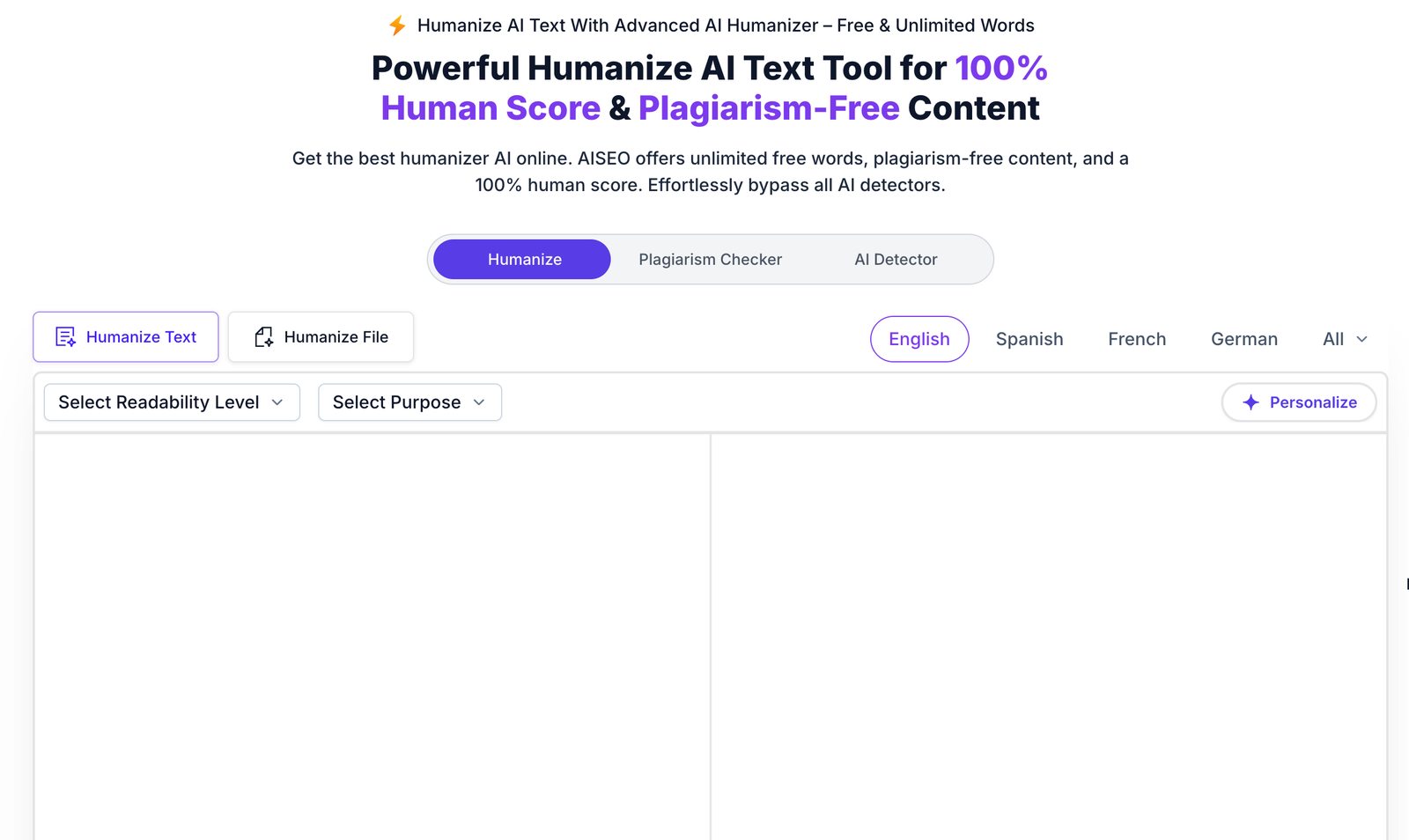
Best use case: Improving SEO-focused ChatGPT drafts that need smoother phrasing and less obvious AI repetition.
What it does well: It fits naturally into article workflows where keyword direction and readability both matter.
Where it falls short: It may not add enough depth when the original content lacks examples, insight, or fresh evidence.
Who should skip it: Writers producing highly specialized content that needs expert review more than broad rewriting.
Best Platforms for Refining ChatGPT Output #6. Undetectable AI
Undetectable AI is widely associated with rewriting text so it appears less machine-generated, which makes it relevant for ChatGPT output that feels too predictable. It can change sentence structure, vary phrasing, and make drafts feel less uniform across longer passages. That said, detection-focused rewriting has an obvious tradeoff, because passing a detector is not the same thing as becoming useful, accurate, or persuasive. The strongest results usually come when users review the rewritten draft carefully and restore any meaning that becomes softened or distorted. It can be a practical tool for pattern disruption, but it should not be treated as a replacement for editorial judgment or responsible content review.
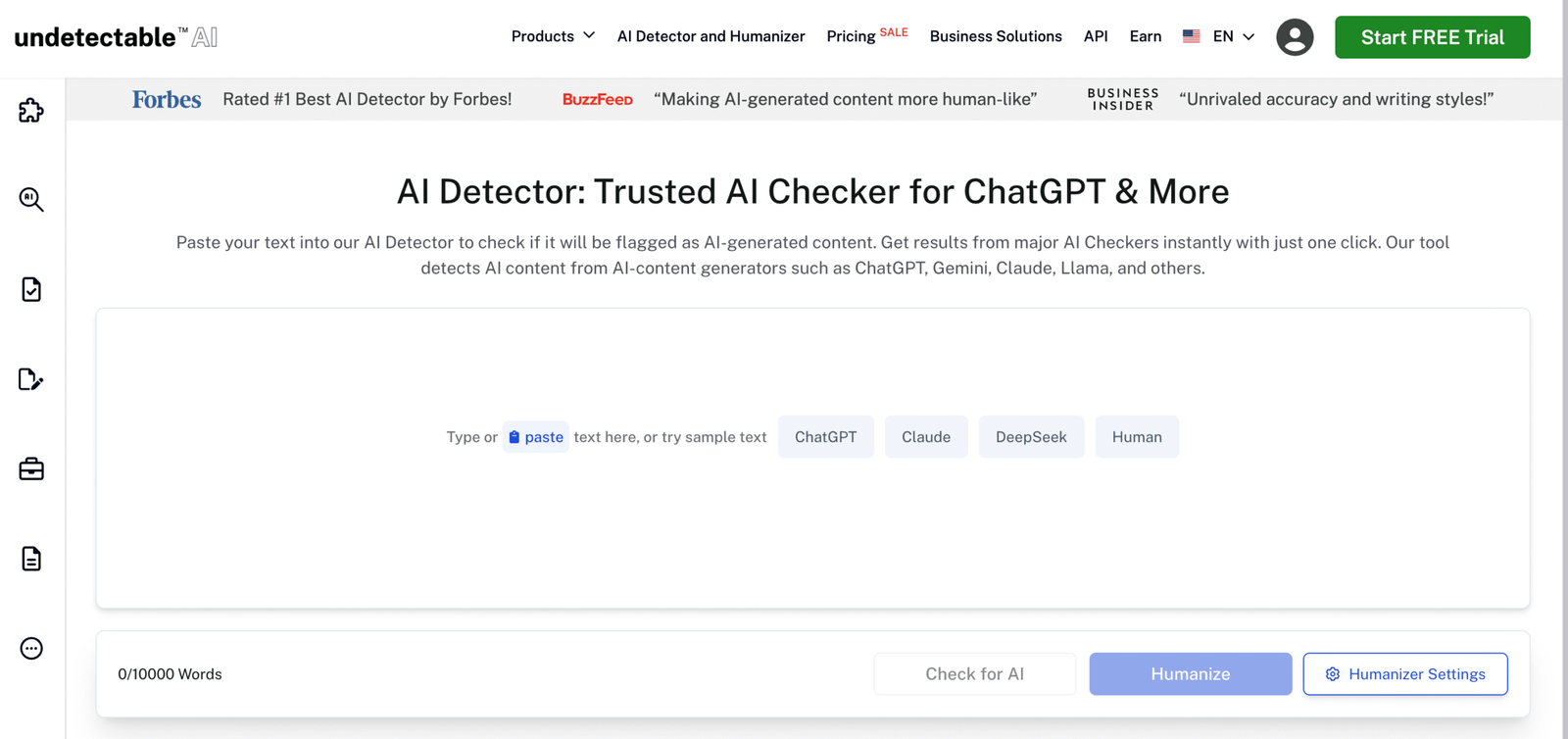
Best use case: Reworking ChatGPT drafts that sound highly formulaic and need more variation in sentence movement.
What it does well: It changes predictable AI patterns and makes rigid passages feel less uniform.
Where it falls short: It can prioritize detection resistance over meaning, accuracy, or a polished editorial voice.
Who should skip it: Users who need careful fact preservation and brand consistency more than detector-focused rewriting.
Best Platforms for Refining ChatGPT Output #7. Humanizer.Pro
Humanizer.Pro is a straightforward option for users who want a faster way to make ChatGPT output feel less stiff. It suits quick rewriting tasks, short-form content, simple explanations, and everyday drafts that do not require a complex editorial process. The whole thing feels more useful when speed matters and the user mainly needs cleaner rhythm rather than a full content redevelopment. The limitation is that lightweight humanizing tools can sometimes make similar changes across different drafts, which may create a new kind of sameness if used heavily. It is useful for quick improvements, though longer or more important pieces still need a final human pass for precision and tone.
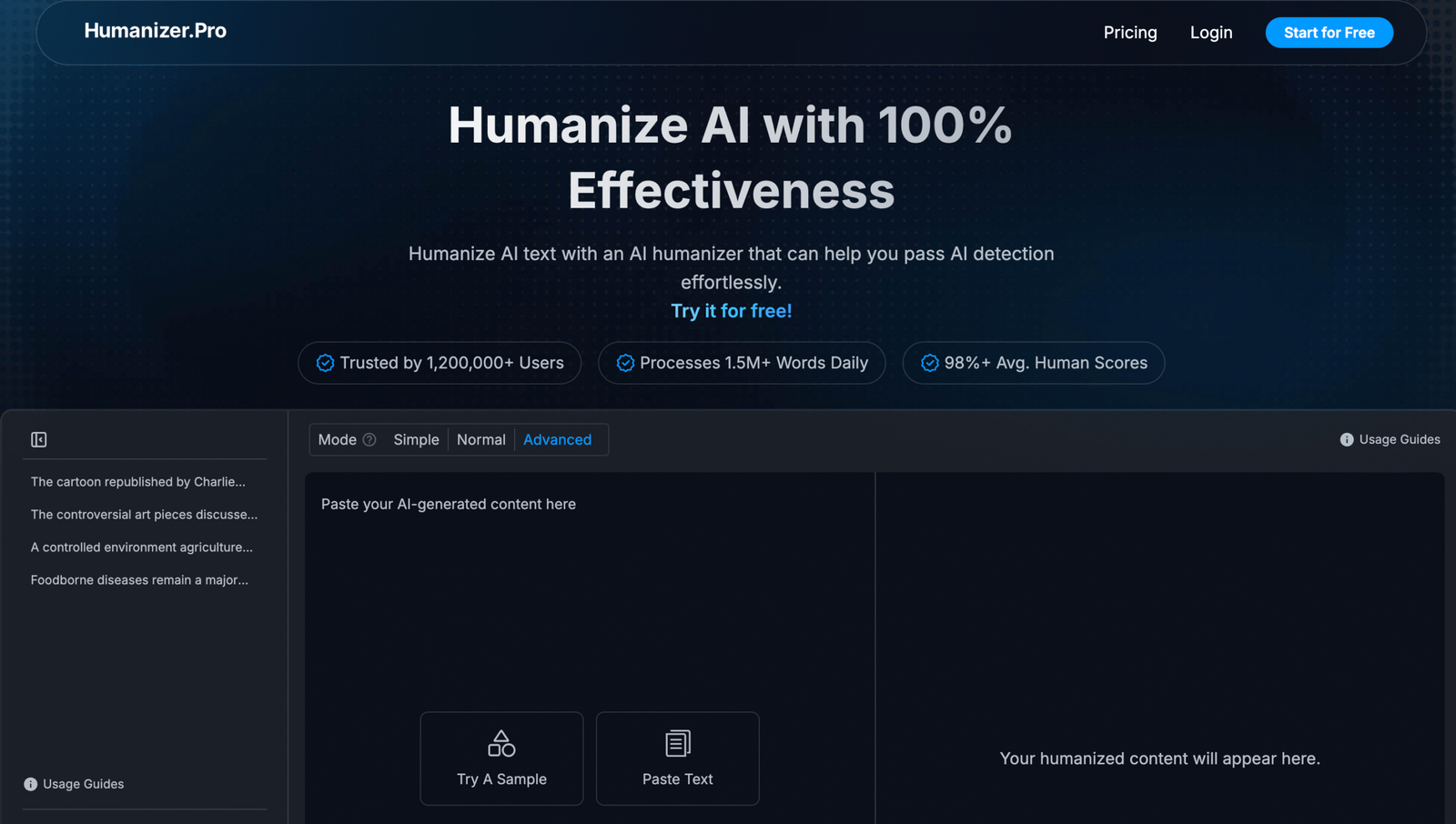
Best use case: Fast cleanup of shorter ChatGPT drafts that need smoother phrasing without a complicated workflow.
What it does well: It gives simple, accessible rewriting support for users who want quick improvements.
Where it falls short: It may not provide enough control for detailed brand voice, structure, or nuanced editorial requirements.
Who should skip it: Teams managing long-form publishing systems with strict tone, quality, or compliance standards.
Best Platforms for Refining ChatGPT Output #8. GPTInf
GPTInf is designed for users who want to disrupt the recognizable fingerprints of AI-generated text without necessarily rebuilding the whole draft. It can be useful when ChatGPT output has solid meaning but reads too evenly, with similar sentence lengths and predictable transitions. Its value sits in subtle variation, which can make a passage feel less like it was produced in a single automated rhythm. The caveat is that subtle tools can also be hard to evaluate, because the rewrite may feel improved without clearly solving deeper content issues. GPTInf is best used after the argument, facts, and structure are already settled, not before the draft has a real editorial foundation.
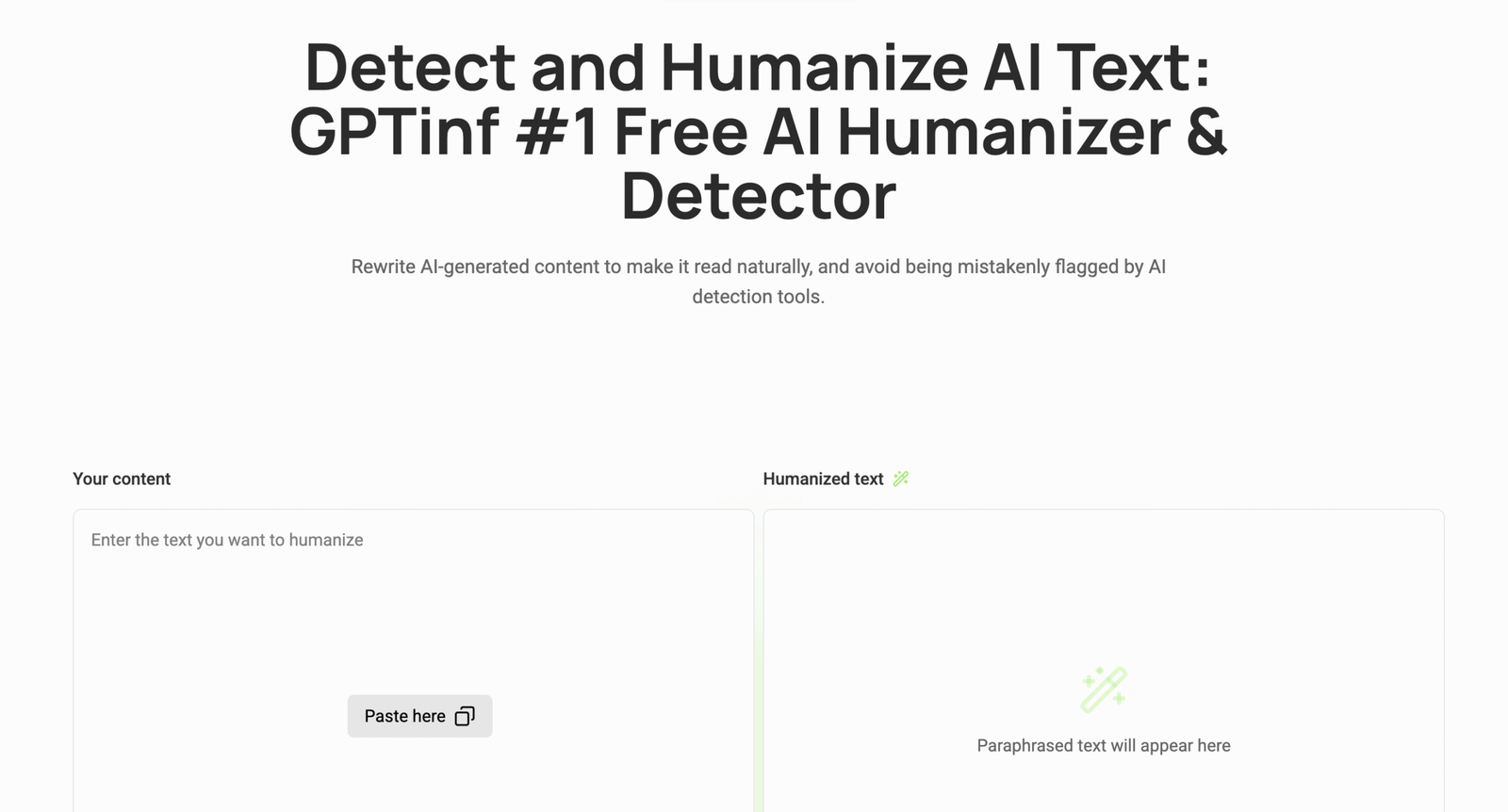
Best use case: Making already usable ChatGPT text feel less uniform through lighter sentence and phrasing variation.
What it does well: It targets pattern disruption without always turning the draft into a completely new piece.
Where it falls short: It does not solve weak structure, thin arguments, or missing evidence on its own.
Who should skip it: Users who need full-scale rewriting, research improvement, or brand voice development.
Best Platforms for Refining ChatGPT Output #9. Walter Writes AI
Walter Writes AI is positioned around making AI-generated text feel more naturally written, which makes it relevant for ChatGPT drafts that sound too polished in the wrong way. It can help add more unevenness to sentence flow, reduce robotic transitions, and make paragraphs feel less templated. That matters because many ChatGPT drafts fail not through bad grammar, but through a kind of unnatural balance that gives every sentence the same weight. The tradeoff is that more natural pacing can sometimes introduce looseness, so users should still review the final output for clarity and clean structure. It is a strong fit for writers who want a more editorial surface, provided they do not skip the final read-through.
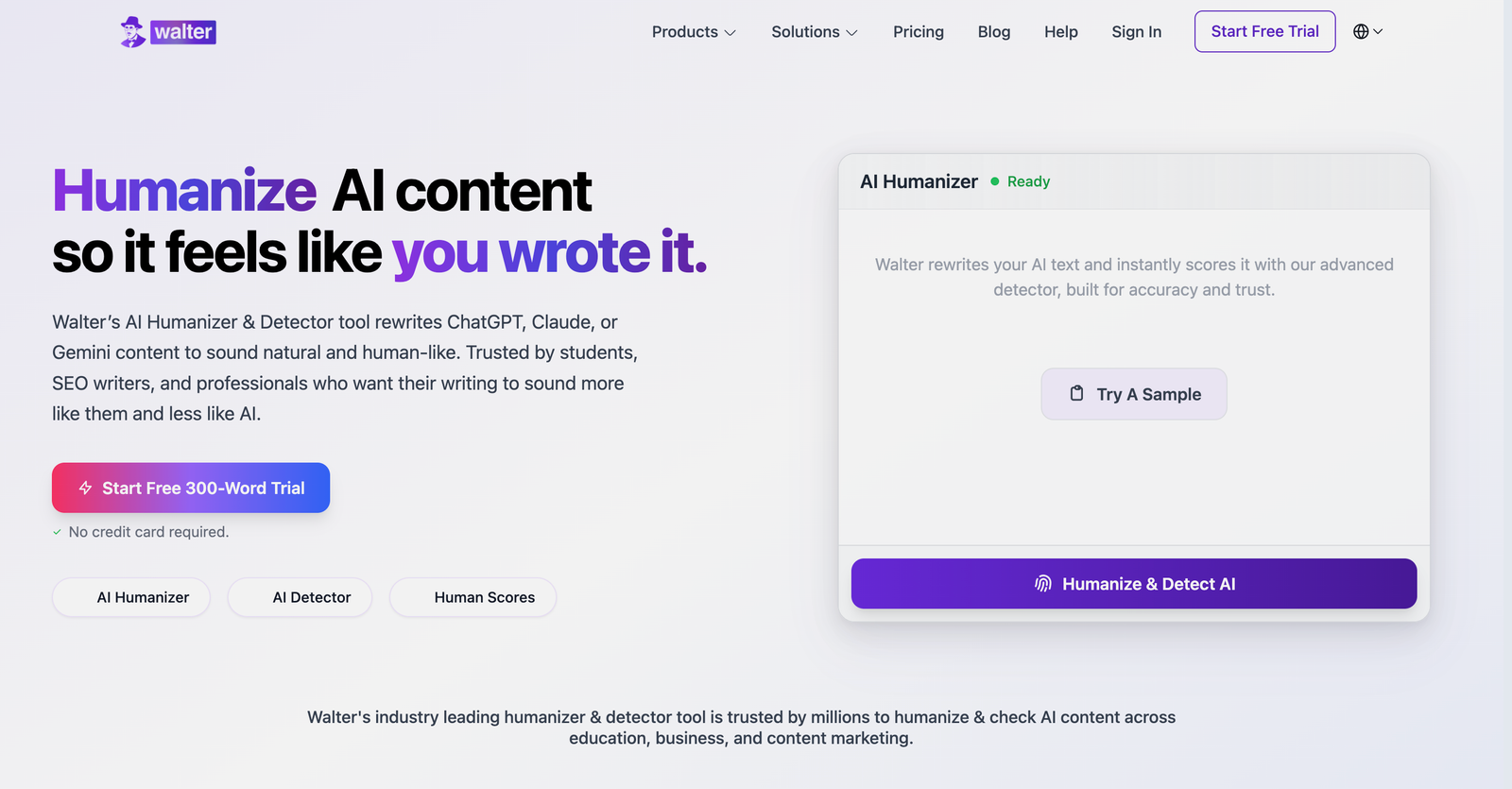
Best use case: Refining ChatGPT passages that need more natural pacing and less template-like sentence movement.
What it does well: It helps reduce the overly balanced rhythm that often makes AI-assisted writing easy to spot.
Where it falls short: It may still need manual tightening when the rewrite becomes too loose or conversational.
Who should skip it: Users who need highly formal, compliance-sensitive, or citation-heavy writing with minimal stylistic change.
Best Platforms for Refining ChatGPT Output #10. AI Undetect
AI Undetect is a lighter platform for users who need quick refinement of ChatGPT output that feels visibly AI-written. It is useful for shorter pieces where the main issue is robotic phrasing rather than a broken argument or weak information. The tool can make text feel more varied, which helps when a draft has repeated sentence structures or predictable wording. The caveat is that fast undetectable-style rewriting can create a false sense of completion, because cleaner language does not automatically mean stronger content. It works best as a quick improvement layer, followed by a human check for meaning, tone, and whether the final version still says exactly what it should.
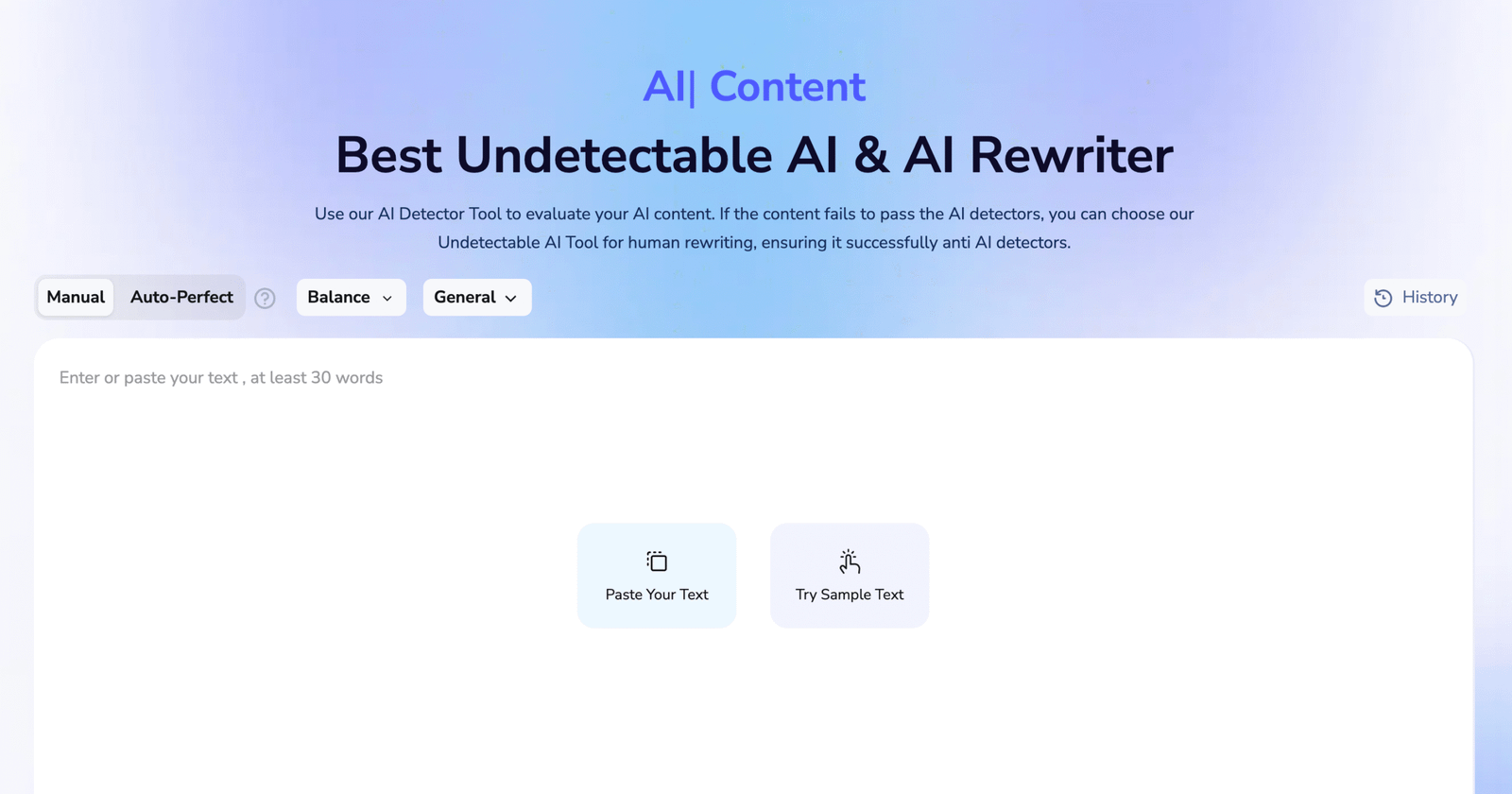
Best use case: Quickly adjusting short ChatGPT drafts that need less robotic phrasing and more sentence variation.
What it does well: It offers a simple way to reduce obvious AI patterns without a heavy editing setup.
Where it falls short: It can make output look improved before the underlying argument has actually been strengthened.
Who should skip it: Publishers and agencies that need deep editorial control, documented review, and consistent brand standards.
Tool Selection Guide for Best Platforms for Refining ChatGPT Output
Subtle editing vs deep rewriting
Grammarly AI Humanizer and Scribbr’s AI Humanizer stay closer to subtle refinement, which helps when the original ChatGPT draft already contains solid structure and accurate meaning. GPTInf and Undetectable AI move further into deeper rewriting territory, which can help reduce obvious AI fingerprints but sometimes changes the pacing or emphasis more aggressively than expected.
Natural tone vs polished clarity
WriteBros.ai and Walter Writes AI lean toward more natural editorial rhythm, where uneven sentence movement and softer transitions help the writing feel less generated. Grammarly AI Humanizer and Scribbr’s AI Humanizer prioritize clarity and readability, which works well for formal communication though it can occasionally make the copy feel slightly standardized.
AI detection vs editorial quality
Undetectable AI, GPTInf, and AI Undetect focus heavily on reducing detectable AI patterns, which suits drafts that feel mechanically repetitive. The tradeoff is that detection-focused rewriting does not always strengthen the argument itself, so editorial quality still depends on the user reviewing structure, examples, and factual precision afterward.
Agency production
WriteBros.ai and AISEO AI Humanizer fit agencies managing repeated client workflows where consistency matters across multiple drafts and publishing schedules. They support scalable refinement, though human review still matters because repeated AI cleanup can slowly flatten brand personality if teams rely too heavily on automation.
Academic refinement
Scribbr’s AI Humanizer and Grammarly AI Humanizer are more suitable for academic or professional writing where readability matters but exaggerated stylistic rewriting would feel out of place. They help smooth ChatGPT output without pushing the text too far away from formal tone expectations.
SEO publishing
AISEO AI Humanizer and QuillBot AI Humanizer work well for SEO-oriented publishing workflows where drafts need smoother pacing and less repetitive wording before going live. They improve readability efficiently, though stronger editorial articles still benefit from manual tightening and more specific examples afterward.
Initial cleanup
Humanizer.Pro and AI Undetect are practical for early-stage cleanup where the main goal is removing robotic phrasing and repetitive sentence structure from raw ChatGPT output. They make drafts easier to work with later, though they are usually not enough for a polished final version on their own.
Mid-stage shaping
QuillBot AI Humanizer and Walter Writes AI fit the middle stage of editing, where the draft already has structure but still feels too balanced or synthetically smooth. They help reshape tone and pacing before the final editorial refinement begins.
Final editorial pass
WriteBros.ai and Grammarly AI Humanizer are stronger choices for the final pass, where refinement needs to feel deliberate rather than heavily rewritten. They are more reliable when the goal is preserving meaning while quietly improving the overall reading experience.
Why Refining ChatGPT Output Has Started To Matter More Than Generating It
ChatGPT can produce usable drafts very quickly now, which means the real difference increasingly comes from how the writing is refined afterward. Readers have become more sensitive to flat pacing, repeated sentence movement, and that oddly balanced tone that many AI-generated articles still carry.
The stronger platforms are usually the ones that preserve the original point rather than aggressively rewriting everything into generic polish. Some tools lean toward readability, others toward detection resistance, and a few try to balance both without making the writing feel strangely overprocessed.
There is also a noticeable difference between content that merely avoids obvious AI phrasing and content that actually sounds considered, specific, and human. That gap tends to appear in the transitions, the unevenness of emphasis, and the small editorial decisions that AI systems still struggle to reproduce consistently.
Exactly which platform works best depends on the kind of writing being refined and how much control the user wants to keep during the process. A fast rewrite may be enough for short drafts, though longer editorial content usually benefits from tools that preserve nuance instead of flattening it.
Disclaimer: The tools referenced are included for editorial and informational purposes only and are selected based on observable product behavior and relevance rather than sponsorship or paid placement. Screenshots are shown solely for identification, commentary, and illustrative reference in line with standard editorial and fair use practices, and may not reflect the most current version of each product. All trademarks, logos, and interface elements remain the property of their respective owners. For update, correction, or removal requests, please refer to the Editorial Policy.