10 Most Reliable AI Humanizer Tools for University Writing in 2026

2026 university writing sits in a strange middle ground where AI drafts are common but detection scrutiny is stronger than ever. Most Reliable AI Humanizer Tools for University Writing compares 10 platforms that adjust tone, rhythm, and sentence structure so essays read closer to real student work.
University writing has entered an awkward phase where AI assistance is common, yet detection systems still treat it with suspicion. Students trying to refine drafts now rely on tools designed to adjust tone and rhythm, which explains the steady rise of resources such as an essay humanizer for students that focuses on academic voice rather than casual rewriting.
Detection tools also complicate the picture because they occasionally flag legitimate writing patterns as synthetic. Discussions around the Sapling AI false positive rate have pushed many writers to look for humanization tools that adjust structure, pacing, and phrasing in ways that resemble real student work.
Humanizer tools differ widely in how they approach rewriting. Some lightly revise sentence flow, while others rebuild phrasing entirely to mirror the uneven but believable cadence explained in guides on how to make AI writing sound like a student.
The list below gathers tools that consistently appear in conversations among students testing AI drafts against detection systems. Each one approaches rewriting differently, which is exactly why comparing them side by side tends to reveal which tools work reliably for academic writing.
10 Most Reliable AI Humanizer Tools for University Writing
| # | Brand | TL;DR |
|---|---|---|
| 1 | WriteBros.ai | Academic-focused AI humanizer designed to adapt tone and sentence rhythm to resemble real university writing. |
| 2 | Grammarly AI Humanizer | Grammar-focused rewriting that smooths AI phrasing and improves readability within academic drafts. |
| 3 | Scribbr’s AI Humanizer | Student-oriented tool built around academic editing workflows and plagiarism awareness. |
| 4 | QuillBot AI Humanizer | Paraphrasing engine adapted to soften typical AI patterns while keeping original meaning intact. |
| 5 | AISEO AI Humanizer | Rewrite-focused tool that adjusts phrasing complexity and sentence variation for human-like flow. |
| 6 | Uncheck AI | Detection-focused humanizer designed to reduce AI probability scores through subtle rewrites. |
| 7 | Humanizer.Pro | Simple rewrite interface aimed at converting structured AI text into more natural prose. |
| 8 | GPTInf | Tool focused on rewriting patterns to lower detection probability in AI-generated text. |
| 9 | Walter Writes AI | Humanization tool that restructures AI sentences to resemble informal human writing patterns. |
| 10 | EssayDone.ai | Essay-focused rewriting tool intended to reshape AI drafts into more natural academic prose. |
On this page
10 Most Reliable AI Humanizer Tools for University Writing Worth Noting
Most Reliable AI Humanizer Tools for University Writing #1. WriteBros.ai
WriteBros.ai feels built for the awkward middle ground that university writers keep landing in, which is polished enough to be clear but not so polished that the draft starts reading like a brochure. The whole thing leans toward academic voice rather than generic content cleanup, so sentence rhythm tends to stay closer to what a student would actually submit after a late editing session. That matters because a lot of humanizers flatten thought into neat, same-length lines, and this one is a bit less tidy in a useful way. It is not magic, honestly, and weak source use or vague claims will still sound weak after rewriting. It also works best when the original draft already has some direction, since no humanizer can invent a convincing argument from thin air.
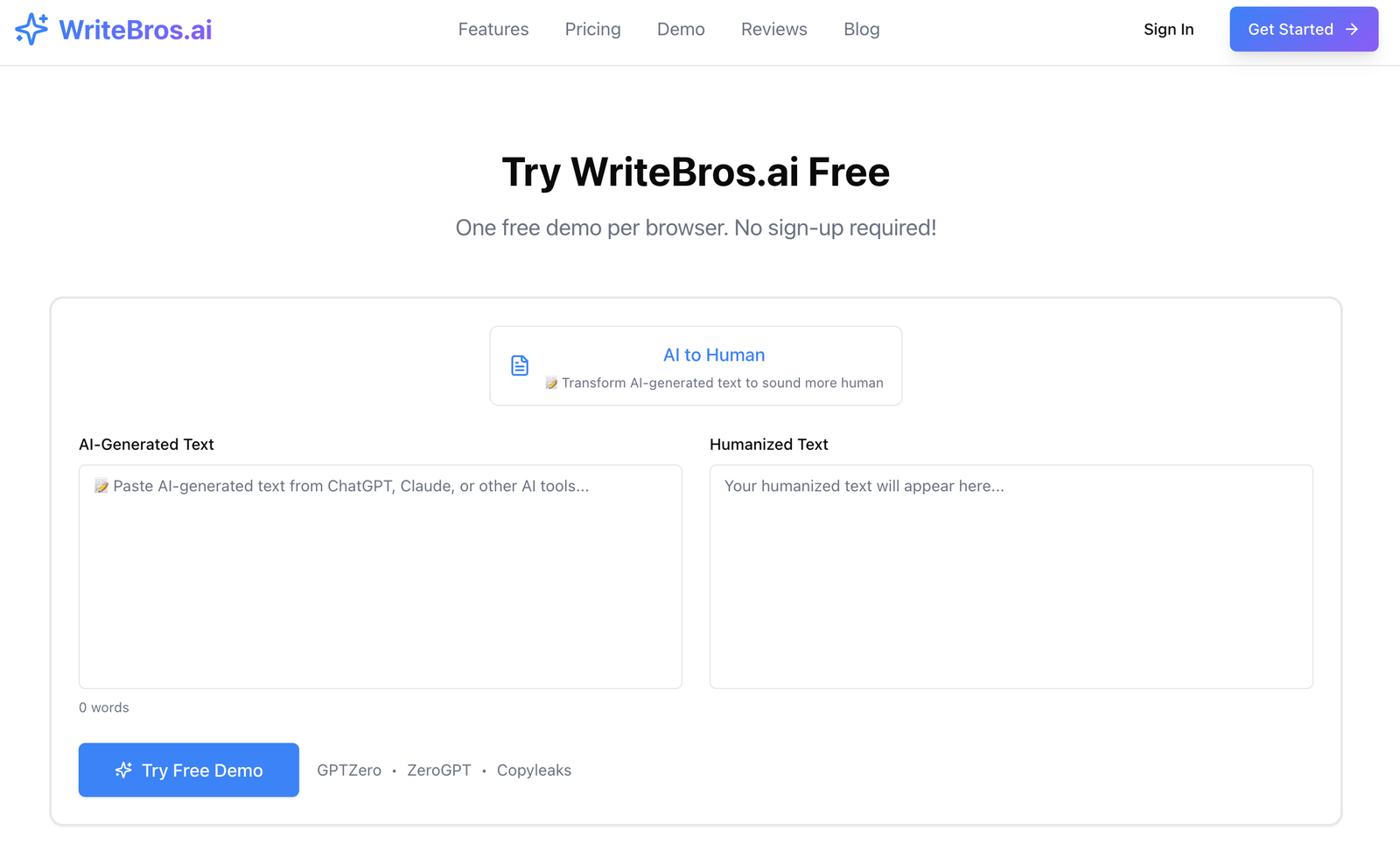
Best use case: Students refining AI-assisted drafts that already have a thesis, structure, and source material in place.
What it does well: It keeps academic phrasing readable without pushing everything into stiff, overly formal prose.
Where it falls short: It cannot rescue shallow reasoning, weak citations, or papers that still sound generic at the idea level.
Who should skip it: Anyone looking for a one-click shortcut that replaces actual revision and subject understanding.
Most Reliable AI Humanizer Tools for University Writing #2. Grammarly AI Humanizer
Grammarly AI Humanizer makes sense for students who already live inside Grammarly and want the editing process to stay in one familiar place. Its biggest advantage is that it smooths clunky AI phrasing without forcing a full rewrite workflow, which keeps the revision process fairly controlled. The output usually reads cleaner and less robotic, especially in short essays, reflections, or discussion responses that need better flow more than deep restructuring. Still, Grammarly tends to prefer neatness, and neatness is not always what makes university writing feel human. That can leave some passages sounding a little too balanced, exactly in the way a cautious writing assistant would produce. For students writing dense humanities papers or anything that benefits from slight messiness and sharper personal cadence, the results may need a second pass.
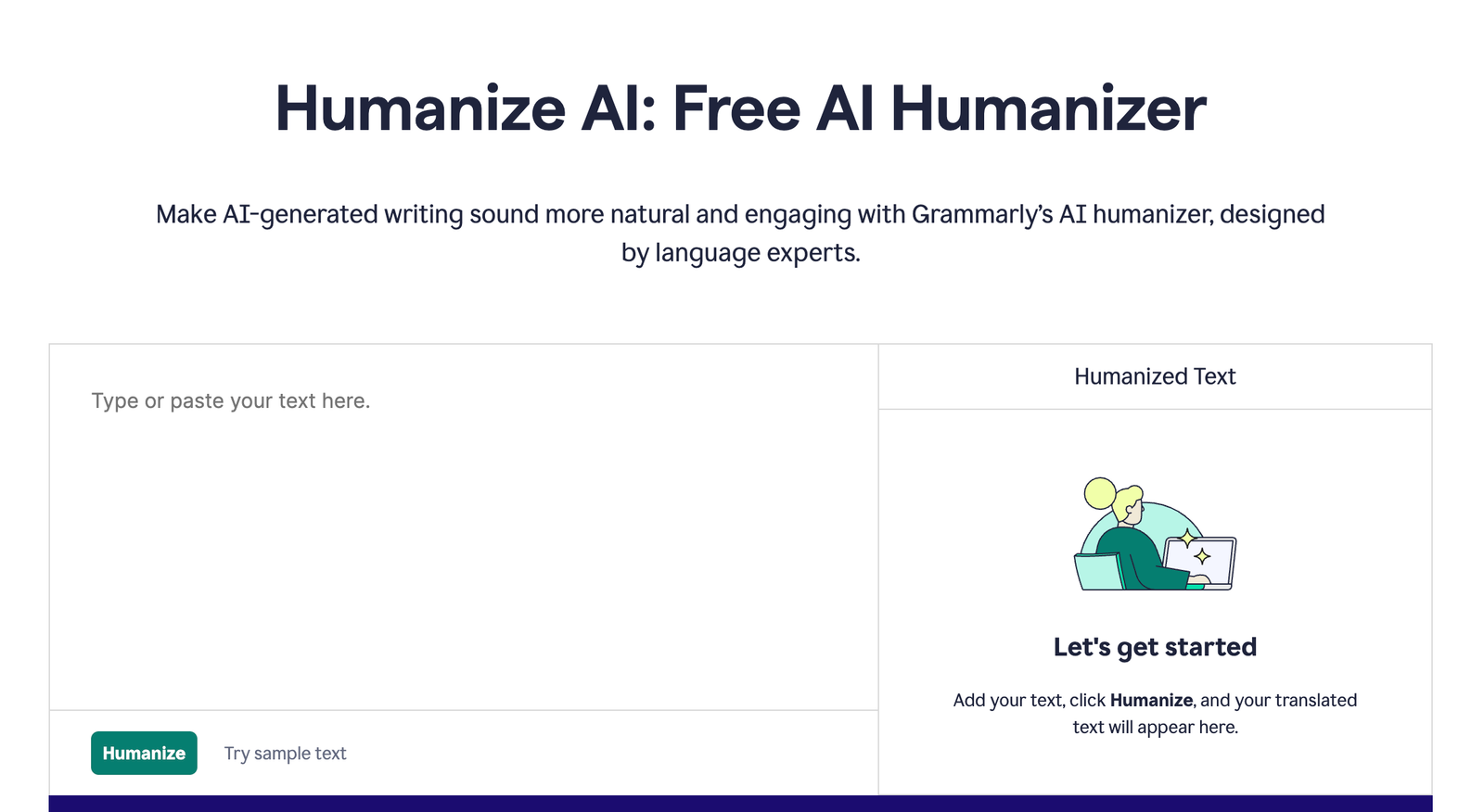
Best use case: Students who already use Grammarly and want light humanization inside a familiar editing environment.
What it does well: It cleans up robotic phrasing quickly and makes short academic writing sound more natural.
Where it falls short: The output can become a bit too polished and uniform for writing that needs stronger personal texture.
Who should skip it: Writers who want heavier restructuring or a more obviously student-like rhythm in longer papers.
Most Reliable AI Humanizer Tools for University Writing #3. Scribbr’s AI Humanizer
Scribbr’s AI Humanizer sits in a fairly logical spot for university writing because the brand already speaks to students dealing with citations, plagiarism anxiety, and draft cleanup. The tool tends to preserve a more academic surface than some of the detection-first platforms, which means it does not immediately drag essays into casual internet language. That balance is useful when a paper needs to stay formal but stop sounding machine-smoothed. The tradeoff is that Scribbr can feel conservative, sort of careful to a fault, and that means some passages still come out a little restrained. In subjects where stronger voice matters, such as literature, sociology, or reflective writing, that restraint can leave the draft sounding correct rather than convincingly lived-in. It works best as a refining layer, not as the entire personality of the paper.
Best use case: Students who want academic-friendly revision without losing formal tone or citation-aware structure.
What it does well: It keeps essays readable and orderly while reducing the obvious smoothness that gives AI text away.
Where it falls short: It can stay a little too careful, which limits the sense of real student voice in some subjects.
Who should skip it: Writers who want bolder rewriting or a less restrained tone for reflective and voice-driven assignments.
Most Reliable AI Humanizer Tools for University Writing #4. QuillBot AI Humanizer
QuillBot AI Humanizer benefits from a workflow students already know, since a lot of university writers have used QuillBot for paraphrasing long before humanizers became a separate category. Its strength is control, because it generally feels like a rewriting tool rather than a black box that spits out a new version with no explanation in tone. That makes it useful for line-level cleanup, especially when a draft needs less repetition and more sentence variation. The drawback is that QuillBot still carries some paraphraser DNA, and sometimes that shows in wording that feels a touch over-engineered. There are moments when the text becomes more elaborate than necessary, which can sound a little off in straightforward academic prose. For students who revise carefully, it can be quite practical, but those hoping for natural voice with no manual cleanup may find the process a bit hands-on.
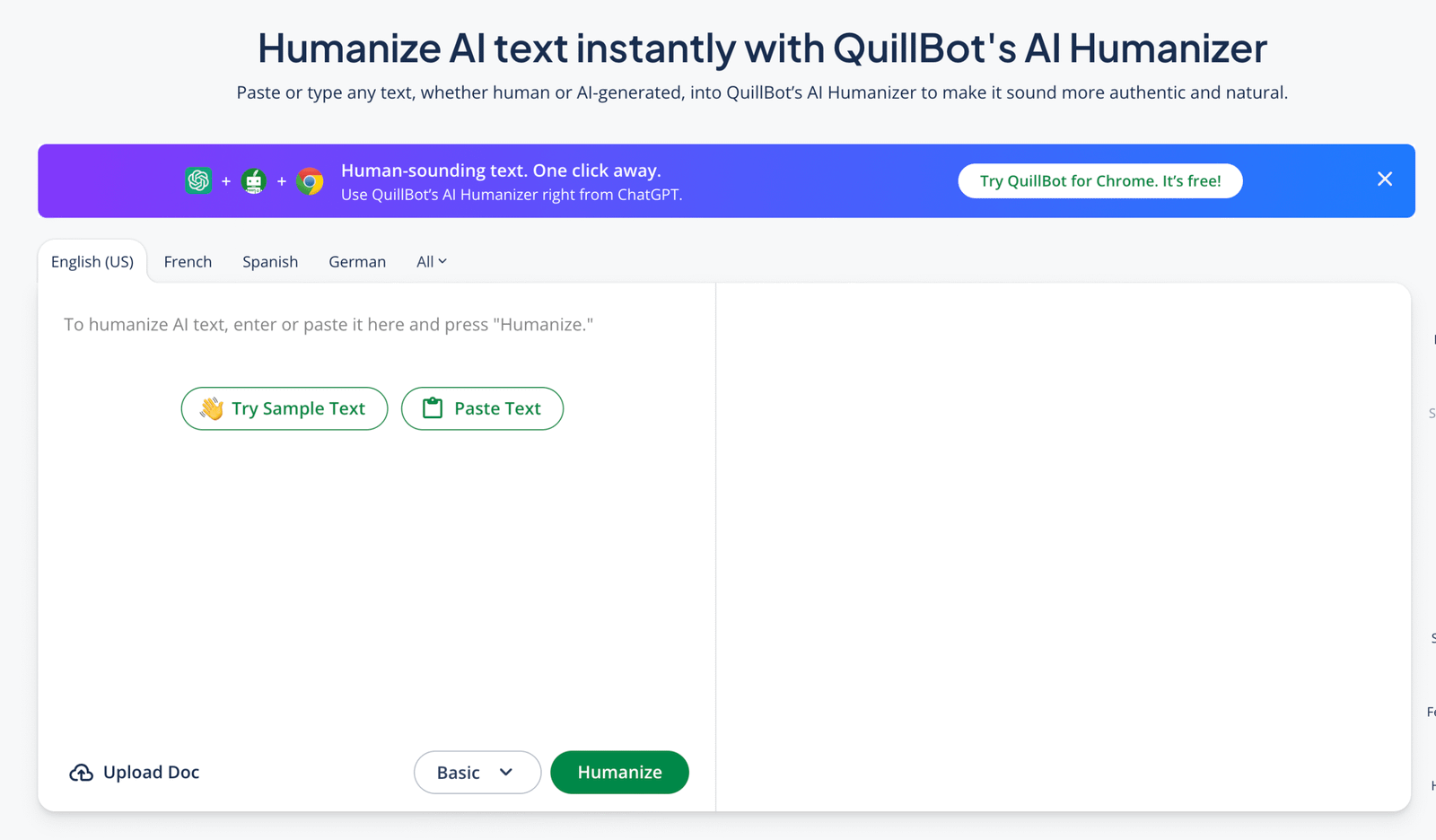
Best use case: Students who want more control over sentence-level rewriting during essay revision.
What it does well: It introduces variation and reduces repetitive AI phrasing without fully derailing structure.
Where it falls short: Some lines can feel slightly overworked, which makes the prose sound too processed.
Who should skip it: Anyone who wants a fully natural final draft without doing a manual stylistic pass afterward.
Most Reliable AI Humanizer Tools for University Writing #5. AISEO AI Humanizer
AISEO AI Humanizer has a more aggressive rewriting feel, which can help when the original text is obviously machine-made and needs real disruption at the sentence level. In that sense, it does a decent job breaking predictable rhythm, especially when AI wording has become too smooth, too symmetrical, and too easy to spot. The output can feel more human simply because it is less mechanically orderly, and sometimes that is exactly what a student draft needs. The issue is that disruption cuts both ways, and the same rewriting that removes AI patterns can also blur nuance or push phrasing away from the writer’s intended meaning. That matters more in university work than in marketing copy because precision is tied to grades, evidence, and argument. It is useful, basically, but it rewards close review rather than blind trust.
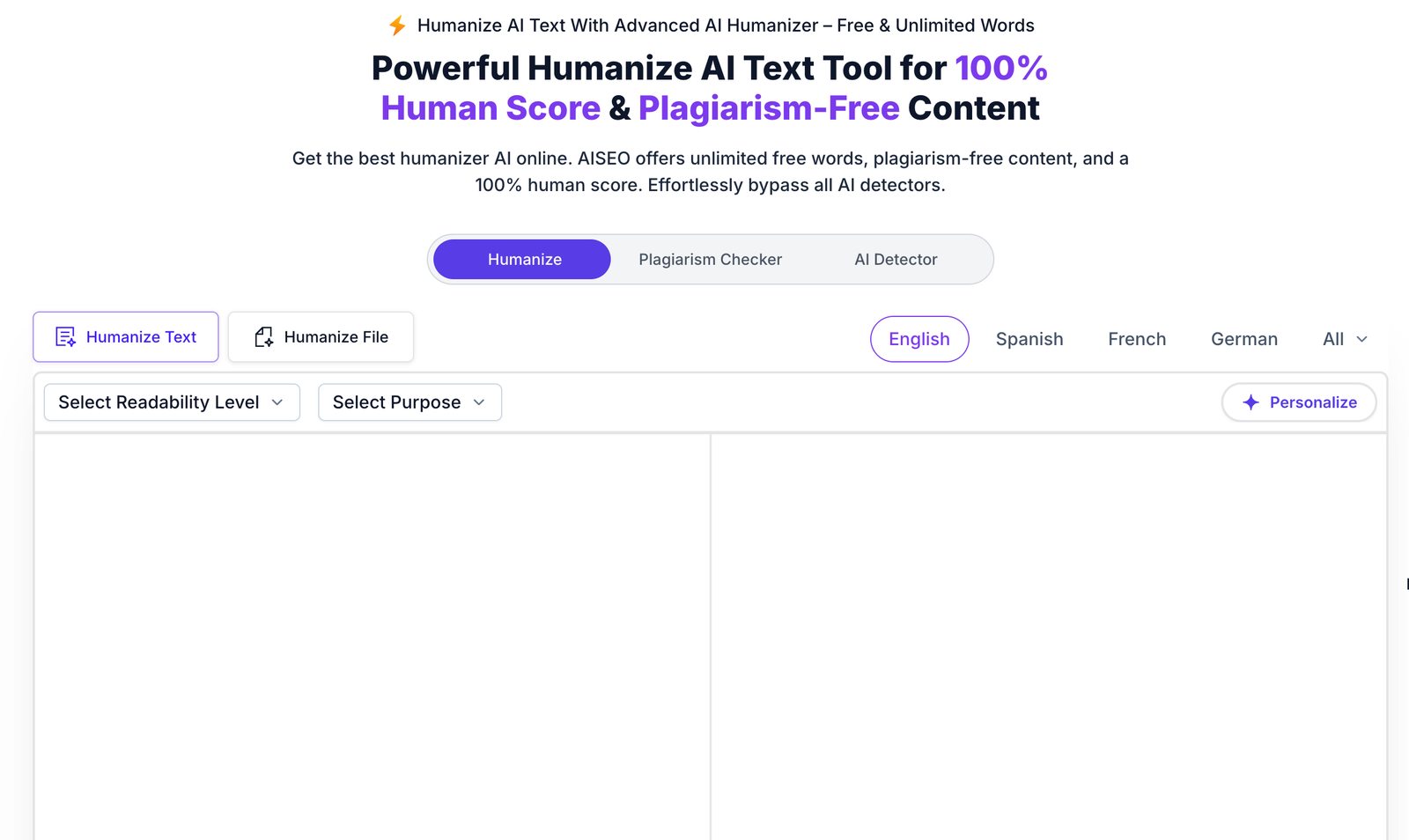
Best use case: Students dealing with drafts that still look strongly AI-generated and need more visible sentence disruption.
What it does well: It breaks repetitive structure and softens the overly symmetrical feel common in AI prose.
Where it falls short: More aggressive rewriting can blur meaning or weaken precision in evidence-based academic writing.
Who should skip it: Writers working on technical, legal, or citation-heavy assignments that cannot tolerate wording drift.
Most Reliable AI Humanizer Tools for University Writing #6. Uncheck AI
Uncheck AI is clearly shaped by the detection conversation, and that focus will appeal to students who are less concerned with elegance than with reducing obvious AI signals. It tends to rewrite with a purpose, which is to interrupt patterns detectors may notice, and that can make it feel more tactical than stylistic. For some assignments, especially low-stakes discussion posts or shorter responses, that approach is enough. The problem is that writing built around evasion can end up sounding functional rather than thoughtful, and university work usually needs more than a lower-risk surface. There is also the question of consistency, because the tone can shift from paragraph to paragraph if the original input is uneven. It is a practical tool for a very specific anxiety, but not always the one that produces the most convincing academic voice.
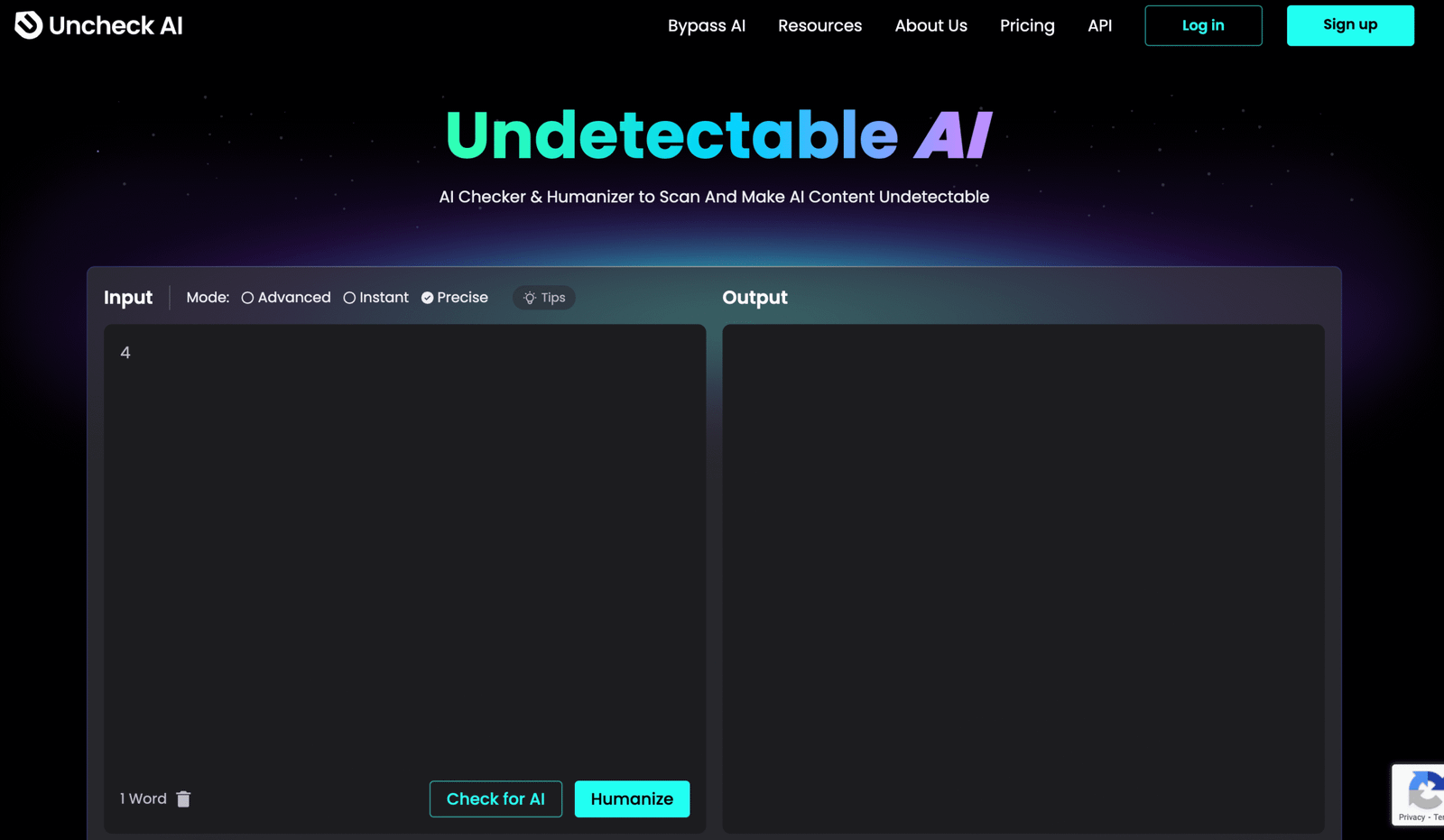
Best use case: Students worried mainly about detector-facing patterns in shorter pieces of university writing.
What it does well: It targets obvious AI signals and makes text feel less predictably machine-shaped.
Where it falls short: The writing can feel tactical and uneven instead of genuinely thoughtful or academically grounded.
Who should skip it: Writers who care more about voice, clarity, and argument quality than detector-oriented rewriting.
Most Reliable AI Humanizer Tools for University Writing #7. Humanizer.Pro
Humanizer.Pro is fairly straightforward, which can be a strength when students do not want a crowded interface or a lot of extra settings. The tool focuses on making text sound less mechanical, and in simple essays or introductory coursework that can be enough to improve the overall read. It is easy to see why it gets attention, since the barrier to trying it is low and the results are immediate. Still, straightforward tools sometimes produce straightforward limitations, and this one may not offer the depth needed for more layered university writing. Complex argumentation, source synthesis, and disciplinary tone are harder to preserve when rewriting stays general. It works better as a cleanup pass for readable prose than as a serious editor for advanced academic work.
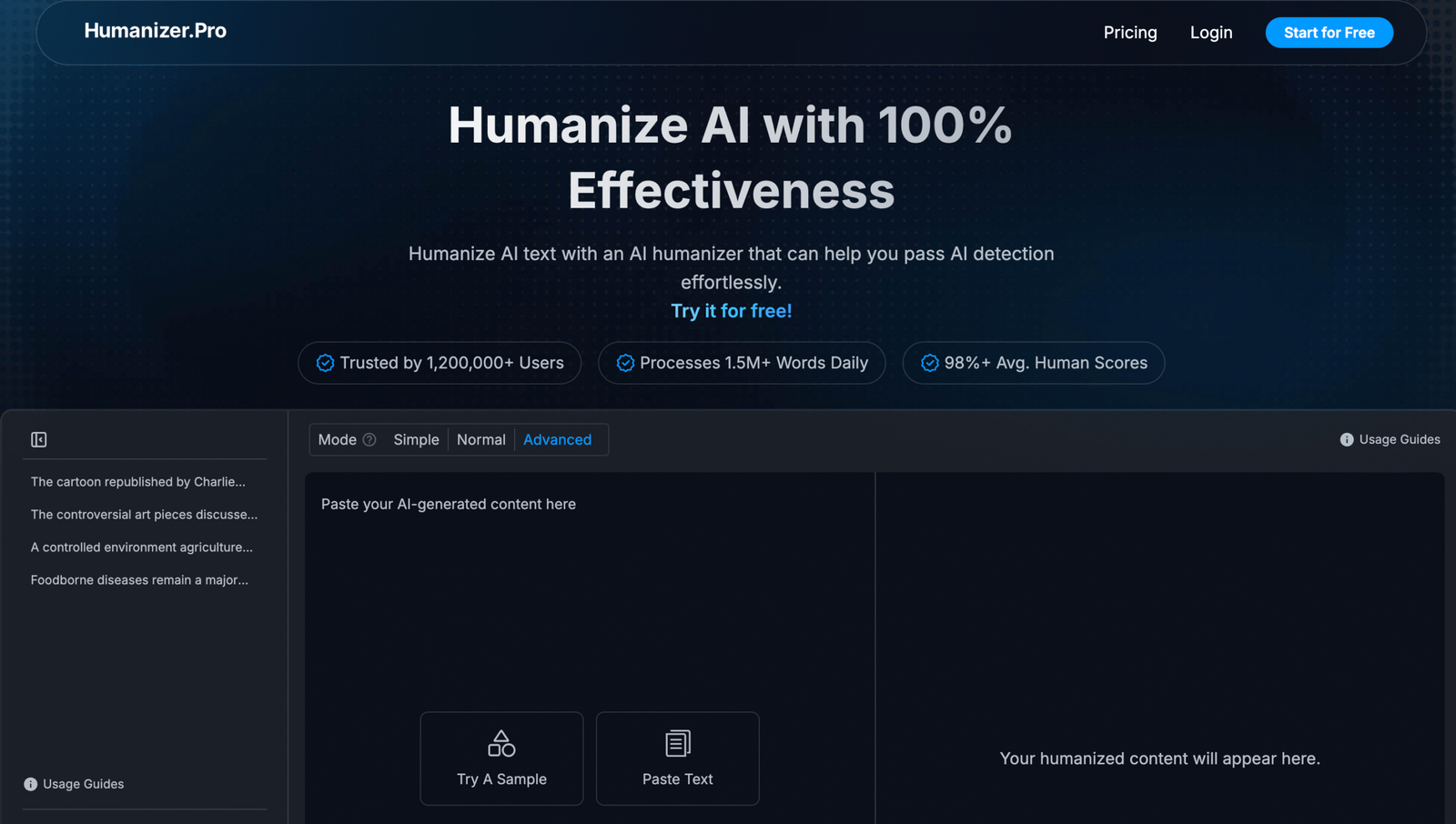
Best use case: Students who want a simple interface for making basic AI-heavy drafts read more naturally.
What it does well: It offers quick, accessible rewriting that improves readability without much setup.
Where it falls short: It has less depth for complex university assignments that depend on nuance and disciplinary tone.
Who should skip it: Advanced students working on research-heavy papers that need tighter control over argument and wording.
Most Reliable AI Humanizer Tools for University Writing #8. GPTInf
GPTInf is usually discussed in the context of making AI text less detectable, so its appeal is fairly obvious for students who are nervous the moment a detector gets mentioned in class. The rewrites tend to push against predictable language patterns, which can help text feel less machine-set in its pacing. In short sections, that can work reasonably well, especially when the original copy is too smooth and too clean in a suspicious way. The tradeoff is that detector-first tools sometimes treat writing like a pattern problem rather than a thinking problem, and that distinction matters more than people admit. A university essay has to sound like a person reasoning through material, not just a sentence generator with better camouflage. GPTInf can help with surface texture, but it usually needs human judgment layered over it to feel believable in a classroom setting.
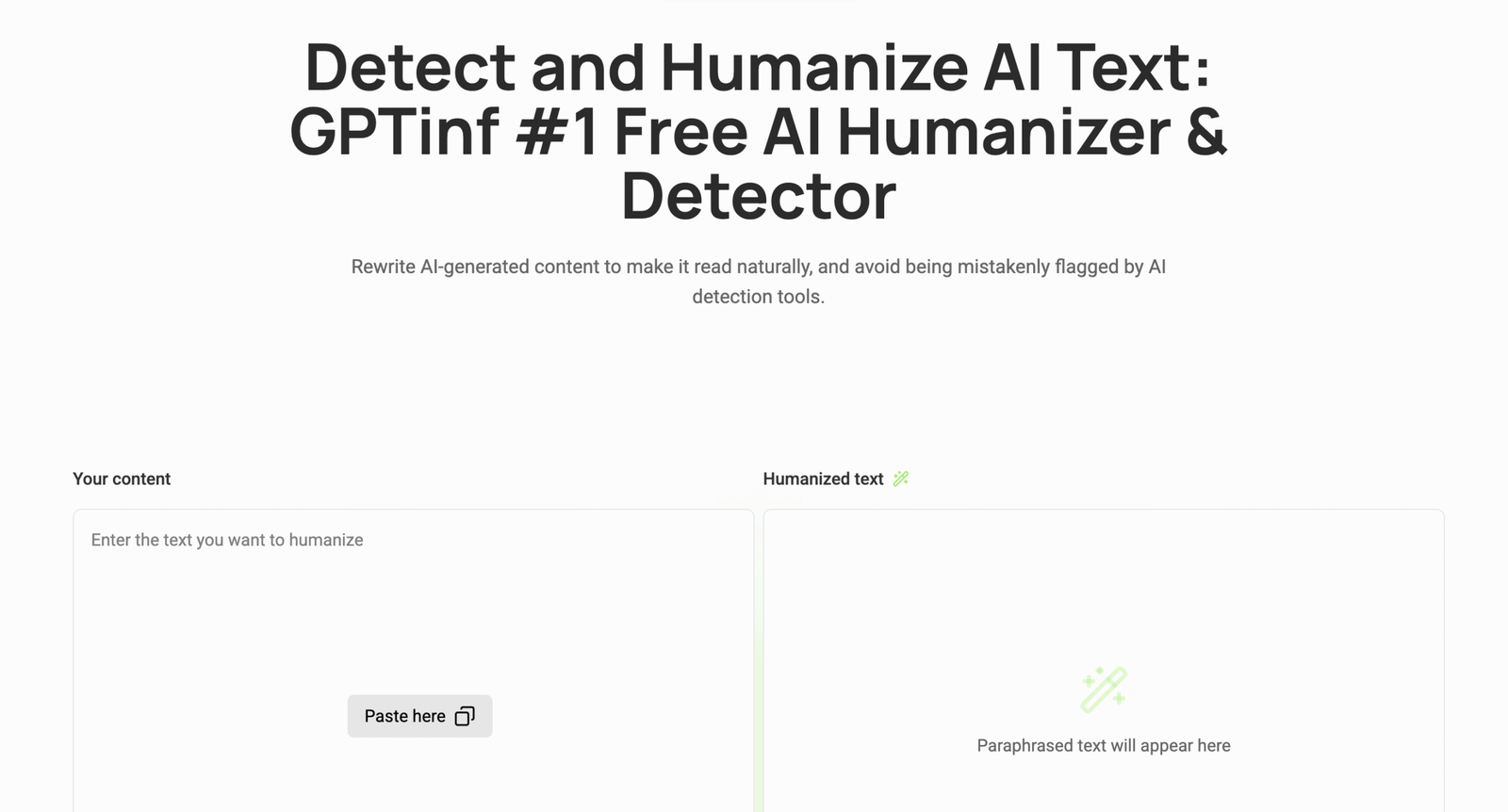
Best use case: Students trying to reduce obvious detector-facing patterns in short to mid-length drafts.
What it does well: It roughens overly smooth AI language and adds variation to stiff sentence pacing.
Where it falls short: It does less to build the feeling of authentic academic reasoning across a full paper.
Who should skip it: Writers who need strong argument preservation and a naturally developed scholarly voice.
Most Reliable AI Humanizer Tools for University Writing #9. Walter Writes AI
Walter Writes AI aims for human-like phrasing in a fairly direct way, and that directness can be useful when a student wants fast changes rather than a layered editing workflow. The tool often breaks rigid wording and makes paragraphs feel less canned, which helps with drafts that read like they were assembled from templates. That said, direct rewriting can slide into overcorrection, and some outputs feel a little too eager to prove they are human. In university writing, that can create a strange tension where the essay is less robotic but also less academically steady. The tone may loosen more than a professor would want, depending on the assignment and discipline. It is useful for softening stiffness, though it benefits from a student who knows when to pull the language back into classroom territory.
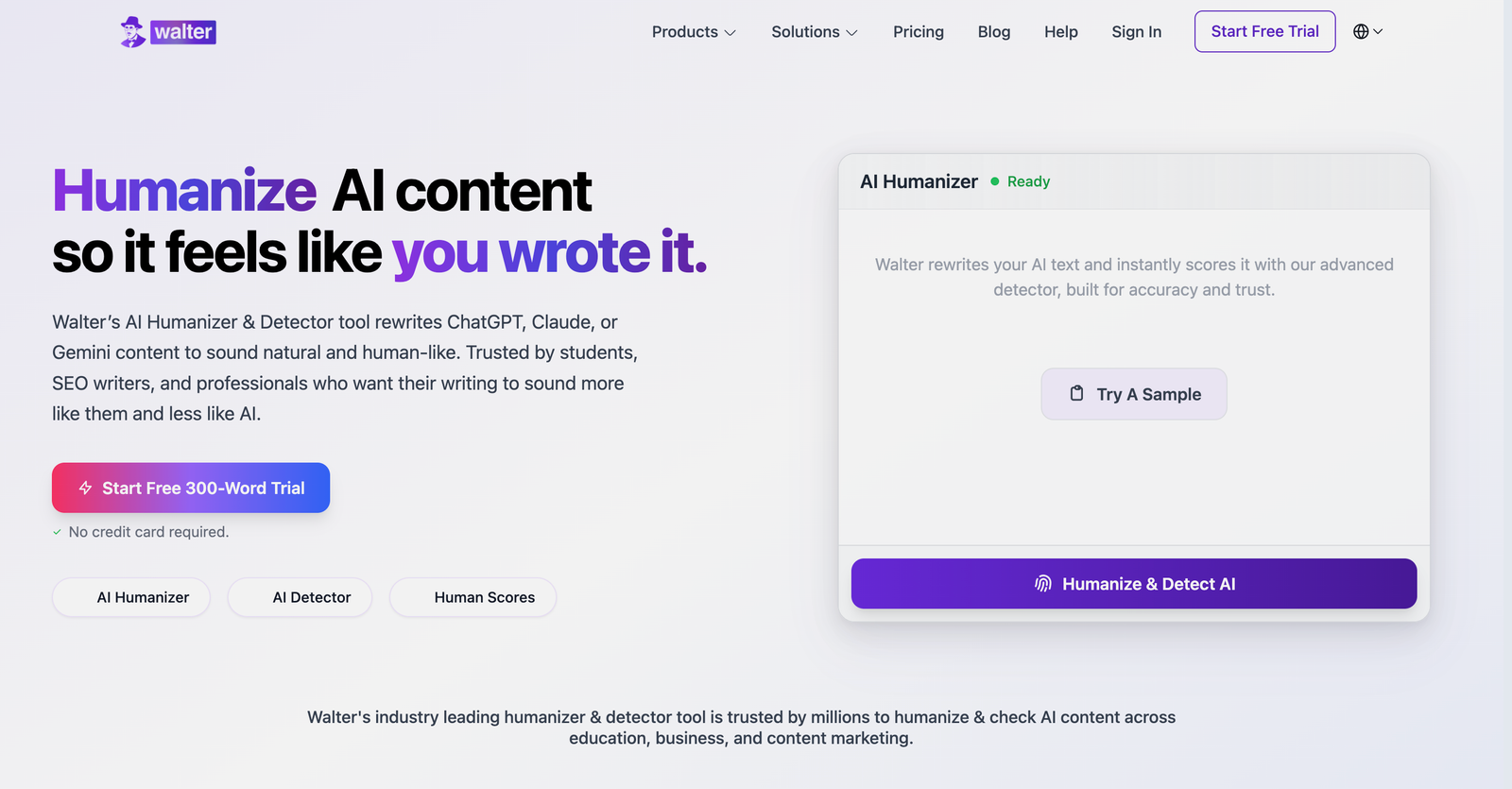
Best use case: Students who want a fast way to loosen rigid AI phrasing in otherwise decent drafts.
What it does well: It reduces template-like wording and makes paragraphs feel less canned and mechanical.
Where it falls short: Some outputs loosen tone too much, which can undercut academic steadiness.
Who should skip it: Writers in formal disciplines who need tightly controlled language and consistent scholarly tone.
Most Reliable AI Humanizer Tools for University Writing #10. EssayDone.ai
EssayDone.ai is easy to place in this category because it speaks the language of student essays rather than general-purpose web copy. That focus helps, since university writing has its own pressures around clarity, structure, and sounding like a real person who has actually read the material. The tool can make essay prose less synthetic and more readable, especially when the draft starts out stiff and over-explained. Even so, essay-specific branding does not automatically mean essay-specific nuance, and some revisions still need careful checking for precision and tone. There is a tendency in tools like this to improve fluency faster than thoughtfulness, which means the paper may read better before it truly argues better. It is a reasonable option for cleanup, though the final credibility still comes from how well the student revises the logic underneath.
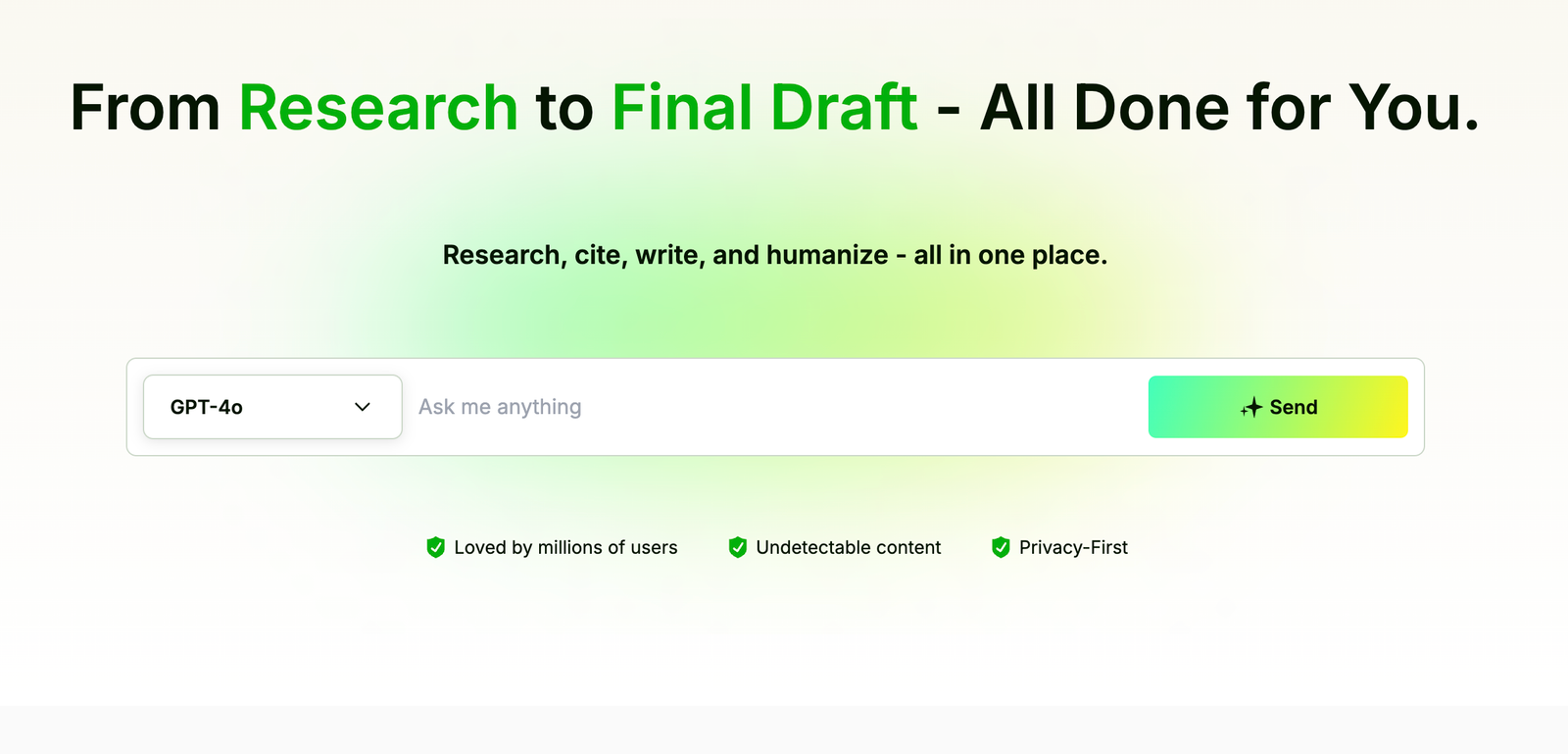
Best use case: Students polishing essay drafts that need less stiffness and better overall readability.
What it does well: It makes essay-style prose flow more naturally than many generic rewriting tools.
Where it falls short: Improved fluency can mask the fact that argument quality still needs human revision.
Who should skip it: Anyone expecting essay improvement without doing the harder work of checking ideas, evidence, and tone.
Tool Selection Guide for Most Reliable AI Humanizer Tools for University Writing
Light sentence refinement
WriteBros.ai and Grammarly AI Humanizer tend to work well when an essay already communicates its argument clearly but still carries the tidy, evenly spaced phrasing typical of automated writing. These tools adjust cadence, vary sentence openings, and soften mechanical rhythm. Light refinement preserves the student’s ideas while removing the statistical uniformity that often signals AI-generated text.
Moderate structure changes
QuillBot AI Humanizer and Scribbr’s AI Humanizer operate comfortably in the middle ground where a paragraph needs more than polishing but does not require a complete rewrite. They redistribute phrasing patterns and restructure sentence flow so the paragraph stops repeating identical grammatical forms. Moderate restructuring improves readability without rewriting the argument itself.
Deep pattern rewriting
AISEO AI Humanizer and GPTInf are sometimes used when text still reads rigidly after lighter edits. These tools introduce stronger variation across sentence length, clause placement, and paragraph rhythm. Deep rewriting can reset sections that still carry recognizable AI structure.
Short essays
WriteBros.ai and Grammarly AI Humanizer tend to preserve the structure of short academic arguments while softening phrasing that sounds overly symmetrical. Short essays rely on clarity and logical progression, so rewriting must stay close to the original meaning. These tools improve flow while keeping the student’s reasoning intact.
Research papers
WriteBros.ai and Scribbr’s AI Humanizer are practical for longer academic documents where repeated phrasing appears across multiple sections. Research writing requires technical accuracy and stable terminology, which limits how aggressively sentences can change. These tools distribute variation without disrupting academic precision.
Discussion posts
Humanizer.Pro and Walter Writes AI often work well for shorter class responses that feel overly structured after AI assistance. Discussion writing benefits from conversational pacing rather than strict academic symmetry. These tools introduce small tonal changes so responses read closer to natural student voice.
Precision edits
WriteBros.ai and QuillBot AI Humanizer are useful when students want to preserve a paragraph’s meaning almost exactly while varying phrasing. They modify wording and sentence rhythm without altering factual statements or analytical claims. Precision editing works well for analytical assignments that depend on wording accuracy.
Full draft consistency
WriteBros.ai and Scribbr’s AI Humanizer help distribute phrasing variation across longer assignments edited section by section. Without that adjustment, repeated patterns can appear across the entire document. These tools help reduce structural repetition so the paper reads less mechanically uniform.
Quick rewrite cycles
GPTInf and AISEO AI Humanizer are often used when students test multiple rewrite versions during revision. These tools generate noticeable structural variation between drafts rather than relying on simple synonym swaps. A final manual editing pass helps ensure the revised text remains logically clear and academically coherent.
Choosing a Humanizer for University Writing Without Losing the Voice of the Essay
AI humanizer tools for university writing exist because the line between assistance and authorship has become unusually blurry. Students often start with a draft that is technically correct yet strangely uniform, and the goal is usually to bring the writing closer to the uneven rhythm of real academic thinking.
Different tools solve that problem in different ways, which explains why the results vary so much across the same essay. Some tools smooth grammar and readability, while others deliberately disrupt sentence patterns that detection systems tend to notice.
That difference matters more than it first appears because academic writing is not only about sounding human but also about sounding thoughtful. A paragraph that feels slightly imperfect but intellectually grounded often reads more convincingly than one that is polished into quiet symmetry.
The tools listed here work best as part of a revision process rather than a replacement for it. In most cases the strongest results appear when the humanizer handles surface rhythm and the student handles what actually gives the essay its voice.
Disclaimer: The tools referenced are included for editorial and informational purposes only and are selected based on observable product behavior and relevance rather than sponsorship or paid placement. Screenshots are shown solely for identification, commentary, and illustrative reference in line with standard editorial and fair use practices, and may not reflect the most current version of each product. All trademarks, logos, and interface elements remain the property of their respective owners. For update, correction, or removal requests, please refer to the Editorial Policy.