10 Best AI Humanizer Tools for Sapling AI Detection in 2026

2026 has turned AI detection into a constant editorial checkpoint rather than a rare concern. This guide reviews the Best AI Humanizer Tools for Sapling AI Detection, comparing how each tool reshapes phrasing, alters sentence rhythm, and balances readability against the risk of detectable AI patterns.
Concern around AI detection has grown quickly as tools like Sapling begin flagging text that was written with assistance, even in cases that feel somewhat ambiguous. Anyone exploring Sapling AI detector review coverage tends to notice the same pattern: detection scores can change with surprisingly small wording differences.
Some teams now test humanizing tools simply to smooth phrasing and restore a more natural rhythm that detectors interpret as human writing. Research summarized in GPTZero AI detection error rates shows that even modern classifiers still produce false positives, which makes editing strategy just as important as the original prompt.
Different humanizer tools take slightly different approaches, ranging from light structural edits to heavier rewrites that rebuild sentence cadence entirely. The tradeoff becomes clear quickly: stronger rewrites may reduce detection risk but can also alter tone or meaning if the system is overly aggressive.
Practical workflows tend to combine rewriting tools with manual editing and detector testing in small cycles. Guides explaining how to avoid Winston AI detection highlight the same idea, which is that natural variation in phrasing still matters more than any single tool.
10 Best AI Humanizer Tools for Sapling AI Detection
| # | Brand | TL;DR |
|---|---|---|
| 1 | WriteBros.ai | Balanced rewriting designed to smooth AI phrasing patterns without drastically altering tone. |
| 2 | Scribbr | Academic-focused humanizer that lightly restructures sentences for more natural academic flow. |
| 3 | Grammarly | Editing-focused system that refines clarity and cadence while reducing machine-like phrasing. |
| 4 | QuillBot | Popular paraphrasing tool that can rework sentence structure and introduce stylistic variety. |
| 5 | AISEO | SEO-oriented rewriting tool that rebuilds text with stronger human-like sentence flow. |
| 6 | Undetectable AI | Detection-focused rewriting platform built to reduce common AI classifier signals. |
| 7 | Humanizer.Pro | Straightforward rewriting interface designed to convert robotic phrasing into conversational text. |
| 8 | GPTInf | Tool that focuses on adding structural randomness to reduce predictable AI sentence patterns. |
| 9 | Walter Writes AI | Humanizer designed to reshape paragraph flow and introduce varied linguistic patterns. |
| 10 | AI Undetect | Detection-focused rewriting tool built to reduce AI probability scores across detectors. |
10 Best AI Humanizer Tools for Sapling AI Detection Worth Noting
Best AI Humanizer Tools for Sapling AI Detection #1. WriteBros.ai
WriteBros.ai tends to suit people who want Sapling-friendly edits without turning the draft into a different voice, which matters if the text already sounds like a real person. It usually focuses on smoothing repetition and tightening the rhythm, rather than forcing dramatic synonyms that can read staged. The tradeoff is that lighter rewrites may not move the needle if the original draft is heavily templated, with predictable sentence lengths and tidy transitions. It also means the tool works best when the source text is already close, since it is not trying to rebuild every paragraph from scratch. For teams, the practical win is consistency across multiple writers, since small stylistic rules can be kept intact even after the rewrite. Still, it rewards a quick pass after output, since Sapling flags can persist if certain phrases or structures keep repeating.
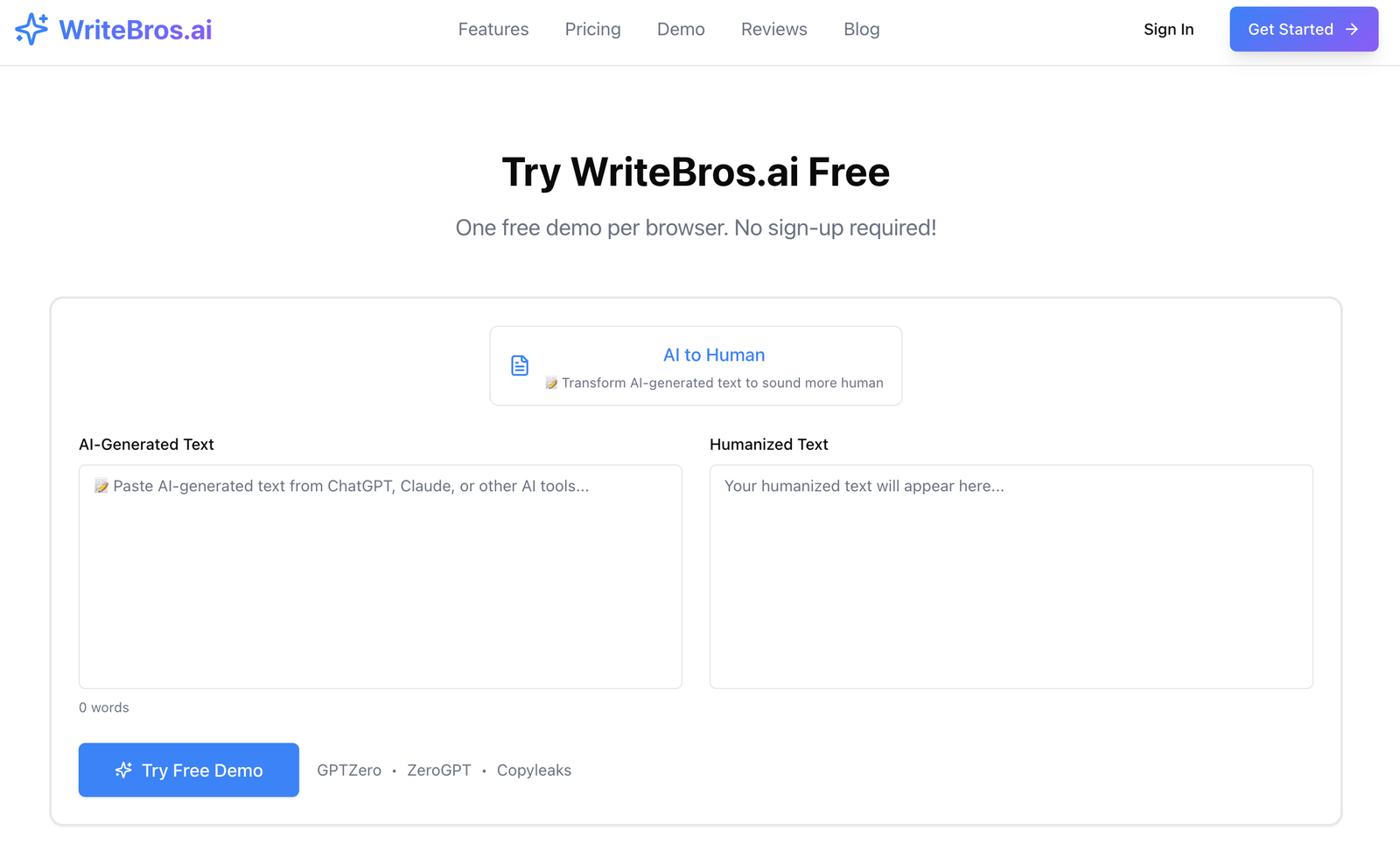
Best use case: Cleaning up lightly assisted drafts that already sound human but trigger Sapling due to repetitive structure.
What it does well: Preserves tone while adjusting cadence, wording variety, and sentence balance.
Where it falls short: Heavy, formulaic AI drafts can remain detectable if the original pattern is too rigid.
Who should skip it: Anyone needing aggressive rewrites that fully reinvent the writing voice in one pass.
Best AI Humanizer Tools for Sapling AI Detection #2. Scribbr’s AI Humanizer
Scribbr’s AI Humanizer fits best when the writing needs to stay measured and academically tidy, which is often exactly what gets flagged as too polished. It tends to rework sentence logic and phrasing in a way that keeps arguments intact, rather than sprinkling casual language that could feel off-brand for research. The tradeoff is that the output can still feel slightly uniform, since academic clarity often relies on consistent structure and clean signposting. It also can be conservative with variation, which means Sapling may still notice pattern density if the draft leans on repeated framing. It shines in short sections like abstracts, intros, and explanation blocks, where small shifts in syntax can reduce the sense of machine regularity. Still, it benefits from manual edits to add small human quirks, such as uneven sentence length and a more natural mix of concrete and abstract phrasing.
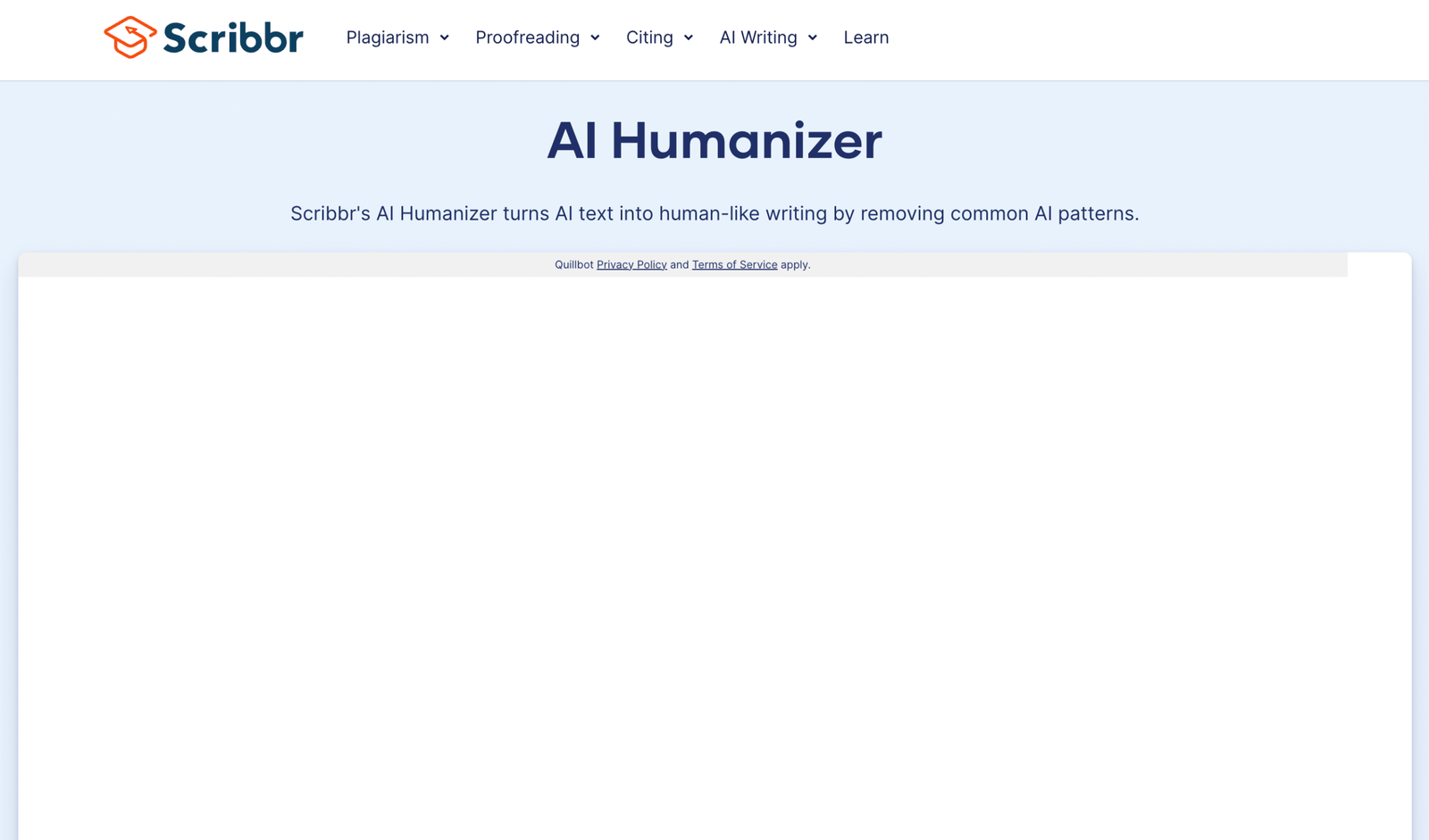
Best use case: Academic or formal writing that must remain clean but needs subtle variation to lower Sapling sensitivity.
What it does well: Keeps meaning stable while adjusting syntax and phrasing in a restrained, credible way.
Where it falls short: Conservative variation can leave long drafts feeling patterned across paragraphs.
Who should skip it: Creators who want a more conversational voice or stronger stylistic unpredictability.
Best AI Humanizer Tools for Sapling AI Detection #3. Grammarly AI Humanizer
Grammarly AI Humanizer is a sensible fit for people who are already editing inside Grammarly and want the humanizing work to feel like an extension of normal revision. The output typically improves flow, removes stiffness, and trims phrases that read like they were generated to fill space. The tradeoff is that Grammarly’s polish can make the writing very even, which can look suspicious in its own way if every sentence lands with the same neatness. It also may prioritize correctness over texture, so a piece can lose a bit of natural messiness that helps detectors relax. It tends to work best when the goal is to reduce obvious AI tells, not to disguise a fully synthetic draft. A good habit is to keep a few imperfect but truthful details intact, since over-smoothing can make the writing feel manufactured even if it is technically stronger.
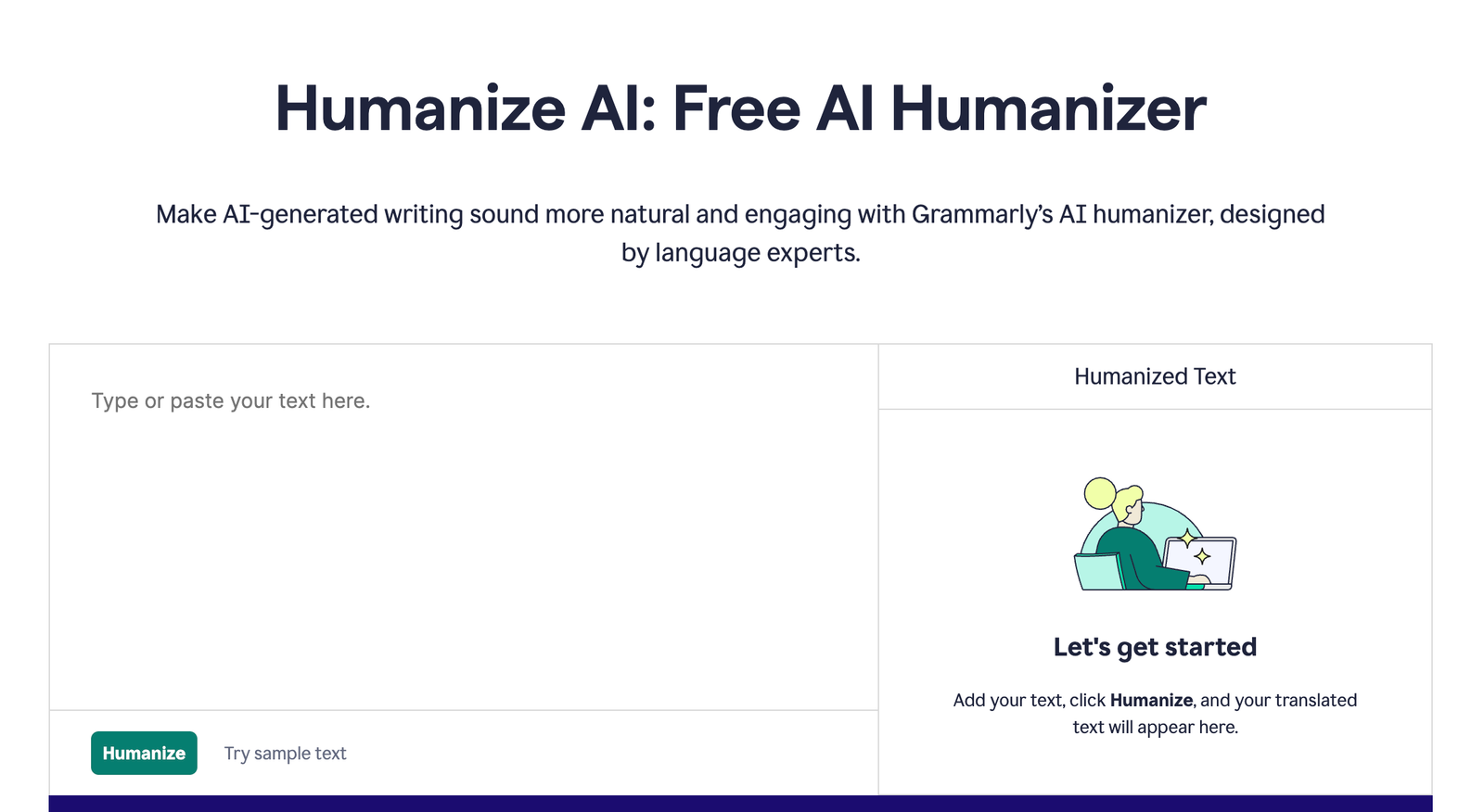
Best use case: Editing workflows that already rely on grammar and clarity fixes, with humanizing as a final polish step.
What it does well: Removes stiffness, tightens phrasing, and improves readability without heavy rewrites.
Where it falls short: The writing can become uniformly polished, which may still trigger Sapling for pattern consistency.
Who should skip it: Writers who need deeper structural rewrites and bigger changes in sentence behavior.
Best AI Humanizer Tools for Sapling AI Detection #4. QuillBot AI Humanizer
QuillBot tends to work well for drafts that need a real change in surface language, especially if Sapling is reacting to repeated phrasing patterns. Its rewriting style often introduces more variation in wording and structure, which can help reduce that smooth, predictable feel. The tradeoff is meaning drift, since more aggressive rephrasing can subtly change claims, soften certainty, or swap a specific term for a vague one. It also can produce sentences that sound a little generic, which is a different kind of signal that some detectors notice. QuillBot is strongest when it is used selectively, such as rewriting only the lines that read templated, while leaving the genuinely personal parts untouched. A careful editor should still re-check terminology and tone, since Sapling-friendly variety is not useful if the text no longer matches the original intent.
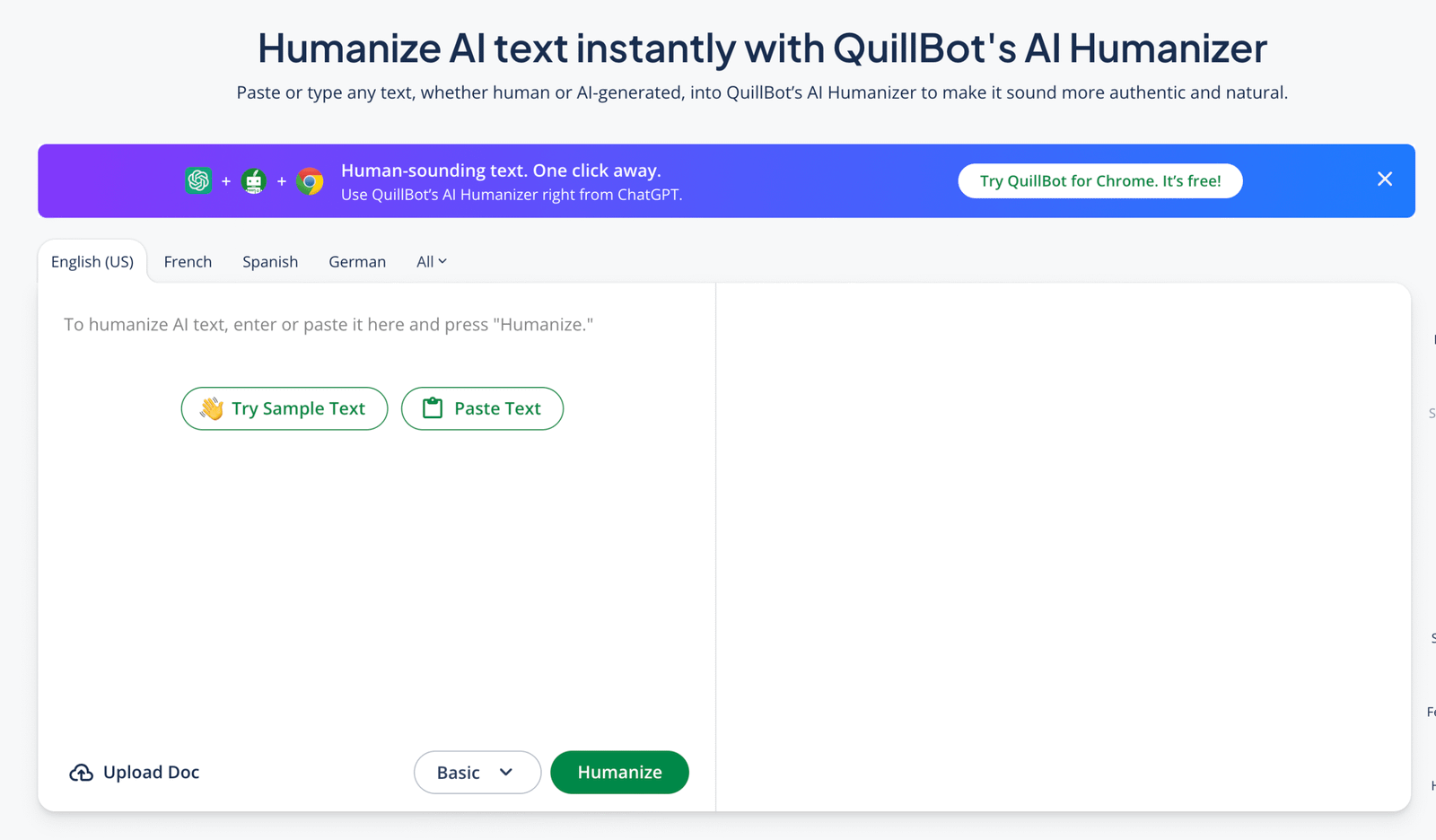
Best use case: Targeted rewrites on lines that sound templated, especially intros and transitions that Sapling often flags.
What it does well: Adds phrasing variety and reshapes sentence structure quickly.
Where it falls short: Meaning can drift, and the voice can flatten if too much text is rewritten at once.
Who should skip it: Anyone writing technical or sensitive material that cannot tolerate small shifts in phrasing.
Best AI Humanizer Tools for Sapling AI Detection #5. AISEO AI Humanizer
AISEO AI Humanizer fits marketers and publishers who want a more noticeable rewrite that changes the “shape” of the text, not just a handful of words. It often rebalances sentence length, shifts phrasing, and reorders clauses, which can help reduce the uniform cadence Sapling tends to spot. The tradeoff is that the output can lean into an SEO-ish tone if the original draft already has a lot of keyword framing, since the rewrite may keep those patterns alive. It also can create sentences that feel slightly over-engineered, which reads clean but not always natural. AISEO works best on drafts that have solid ideas but sound too compressed and machine-smooth, since the tool can loosen the phrasing into a more human cadence. It still needs an editor to restore specificity, since Sapling-friendly variation is stronger when the piece includes concrete details that do not feel interchangeable.
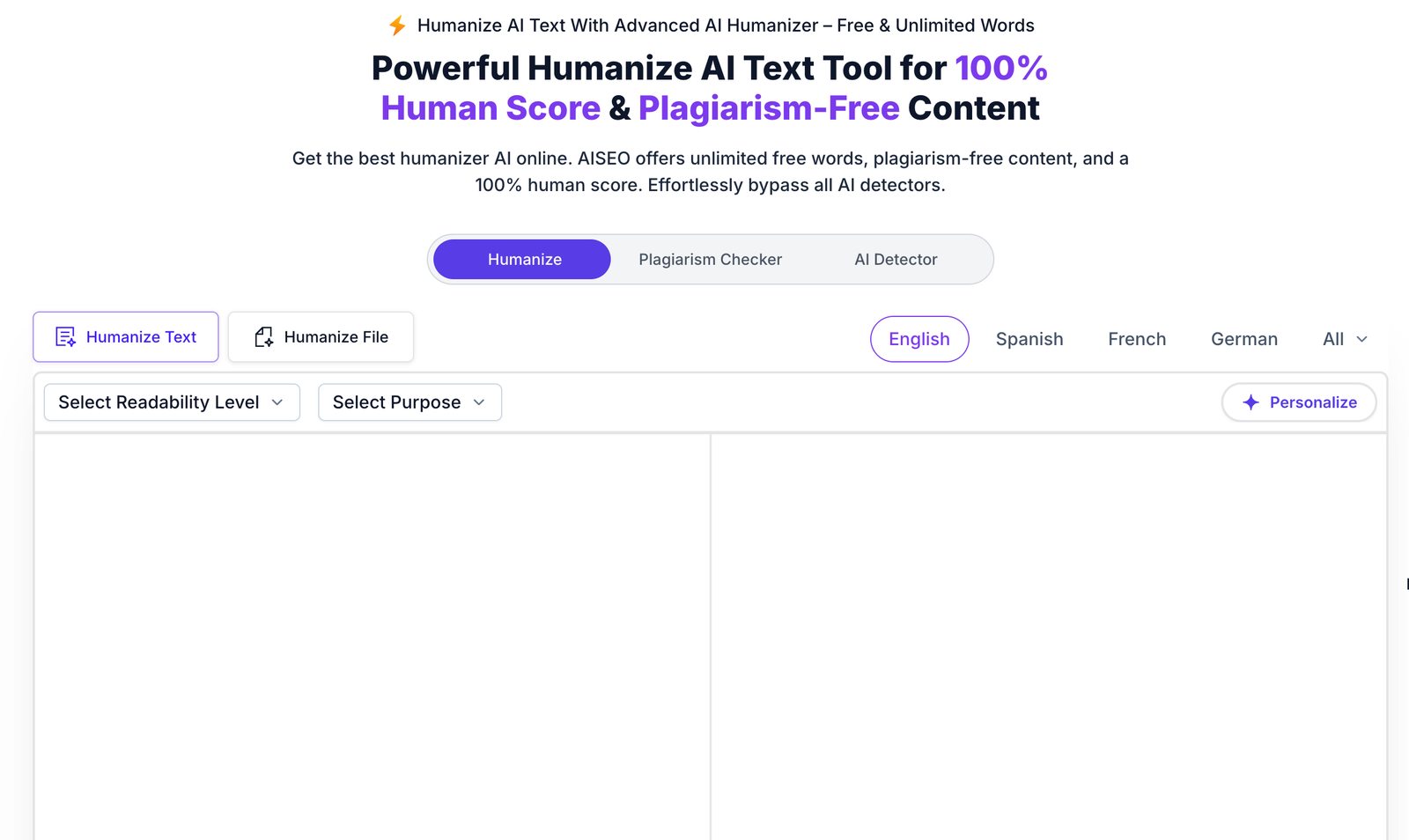
Best use case: Longer blog drafts that need structural variation to avoid Sapling pattern flags.
What it does well: Alters cadence, clause order, and sentence length in a way that changes the feel of the draft.
Where it falls short: Can preserve SEO-like framing and produce lines that sound engineered rather than lived-in.
Who should skip it: Writers who need subtle edits and strict tone stability across brand voice guides.
Best AI Humanizer Tools for Sapling AI Detection #6. Undetectable AI
Undetectable AI is built for people who are explicitly trying to reduce detector scores, so it suits workflows that treat Sapling results as a pass-fail gate. It tends to rewrite more assertively, changing phrasing and structure in a way that disrupts predictable language patterns. The tradeoff is voice stability, since strong rewrites can introduce a tone that no longer matches the writer, especially in personal or brand-led pieces. It also can create odd phrasing if it pushes too hard for variation, which becomes noticeable even if Sapling relaxes. The tool works best when it is used on sections that are genuinely too uniform, while leaving the parts with real details and opinion mostly intact. A final human pass still matters, since detectors are only one audience and readers notice when language becomes strained or oddly formal.
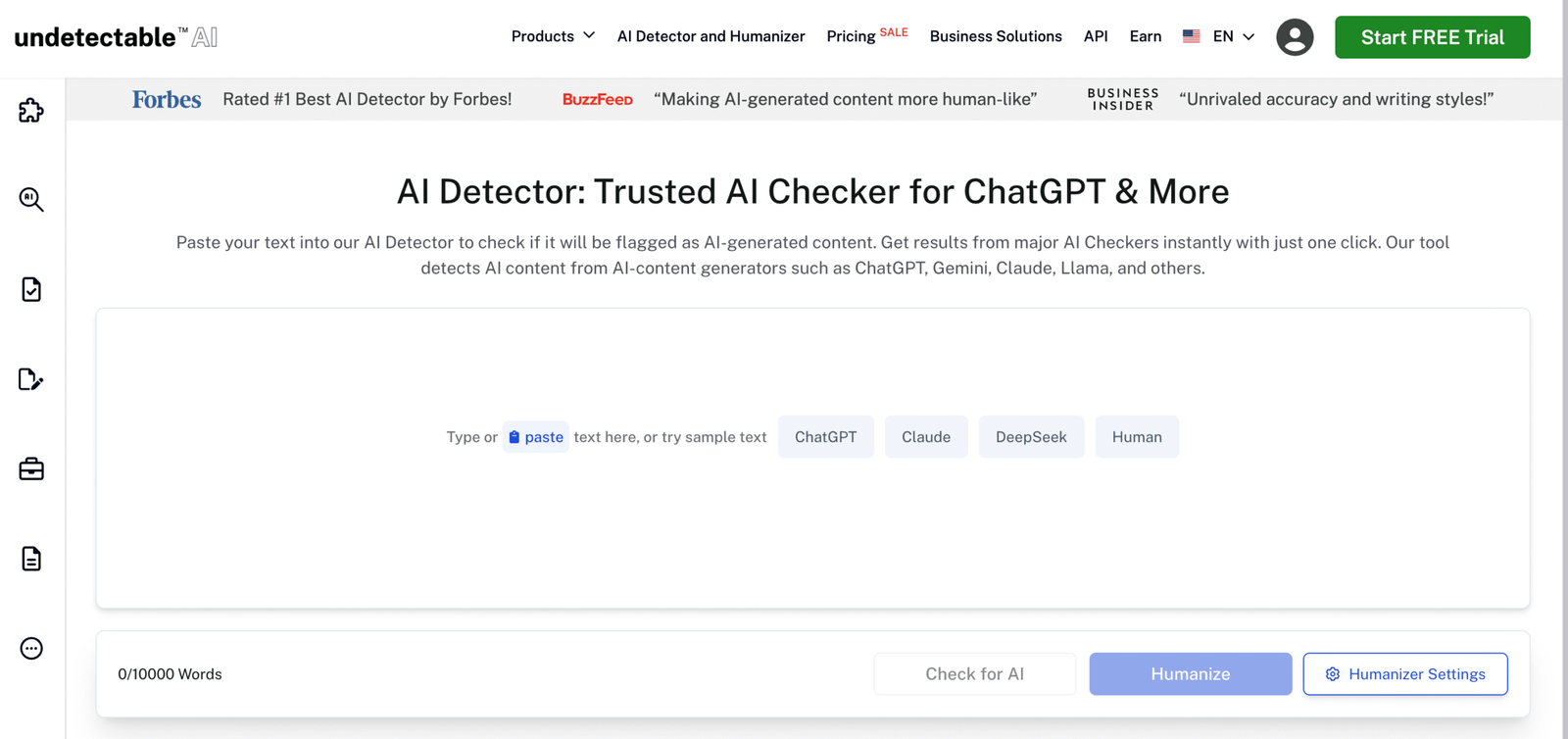
Best use case: Drafts that must clear Sapling checks and can tolerate heavier rewriting in exchange for score movement.
What it does well: Disrupts predictable phrasing patterns with stronger structural changes.
Where it falls short: Can distort voice and create slightly unnatural sentences if pushed too hard.
Who should skip it: Writers protecting a distinctive voice or handling nuanced claims that require careful wording.
Best AI Humanizer Tools for Sapling AI Detection #7. Humanizer.Pro
Humanizer.Pro suits quick-turn edits when the draft reads a bit stiff and needs a more natural feel without a long setup. It typically changes phrasing and sentence flow in a way that makes text less symmetrical, which is often what triggers detector suspicion. The tradeoff is control, since the tool may not let a writer steer the rewrite with much precision, so tone can drift in small but annoying ways. It also can repeat certain rewrite habits, which becomes obvious across multiple paragraphs if it is used across an entire article. It is best as a “spot fix” tool for a handful of lines that sound obviously generated, such as generic transitions and overly balanced sentences. It still needs a manual polish to add specificity, since Sapling tends to calm down when a piece contains real detail that does not sound like it could belong to any topic.

Best use case: Fast rewrites on small sections that feel robotic, especially transitions and summary lines.
What it does well: Breaks symmetry and adds mild variation with minimal effort.
Where it falls short: Limited control can cause tone drift, and repeated habits can show up in longer pieces.
Who should skip it: Editors who need fine-grained control over phrasing, terminology, and brand voice.
Best AI Humanizer Tools for Sapling AI Detection #8. GPTInf
GPTInf is usually chosen for its emphasis on disrupting predictability, which is a common thread in Sapling flags. It often changes the statistical “feel” of the text, creating more uneven phrasing and less tidy sentence logic. The tradeoff is readability, since too much randomness can make the writing feel jumpy, with clauses that do not land cleanly. It also can reduce clarity if it breaks up straightforward statements into more complex shapes, which is not always helpful for real readers. GPTInf works best on generic passages that do not carry delicate meaning, such as intros, reworded definitions, and filler transitions that sound too polished. It benefits from restraint, since the goal is natural variation rather than noise, and Sapling can still react if the result becomes oddly constructed.
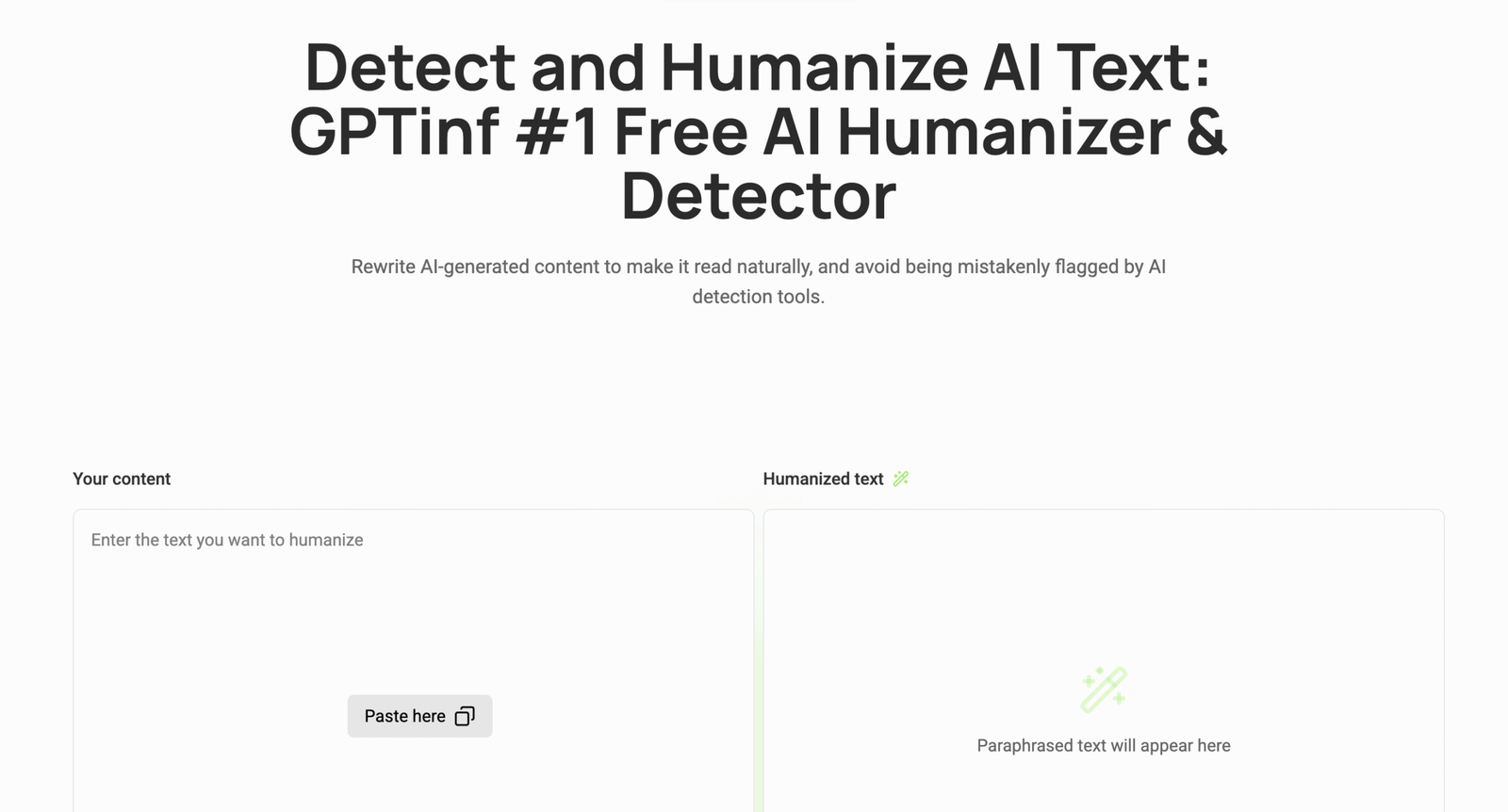
Best use case: Reworking generic sections that feel too predictable, especially intros and bridge paragraphs.
What it does well: Introduces unevenness and breaks tidy sentence predictability that detectors notice.
Where it falls short: Can reduce readability and clarity if the rewrite becomes too random.
Who should skip it: Writers who need crisp clarity, consistent tone, and precise meaning in every line.
Best AI Humanizer Tools for Sapling AI Detection #9. Walter Writes AI
Walter Writes AI tends to suit writers who want paragraph-level flow changes, not just sentence swaps, since Sapling often reacts to repeated paragraph scaffolding. It commonly adjusts how ideas connect, changing transitions and pacing so the writing feels less like it was assembled from a template. The tradeoff is that restructuring can change emphasis, so a piece may end up making a different point even if the facts remain the same. It also can introduce a slightly “writerly” tone that does not fit every brand, which becomes obvious in straightforward business copy. The tool works best when the draft already has clear ideas but needs a more human pattern of thought, with some unevenness in how points are developed. A careful edit afterward helps keep claims tight and keeps the voice consistent, since Sapling-friendly writing still needs to sound like one person wrote it.
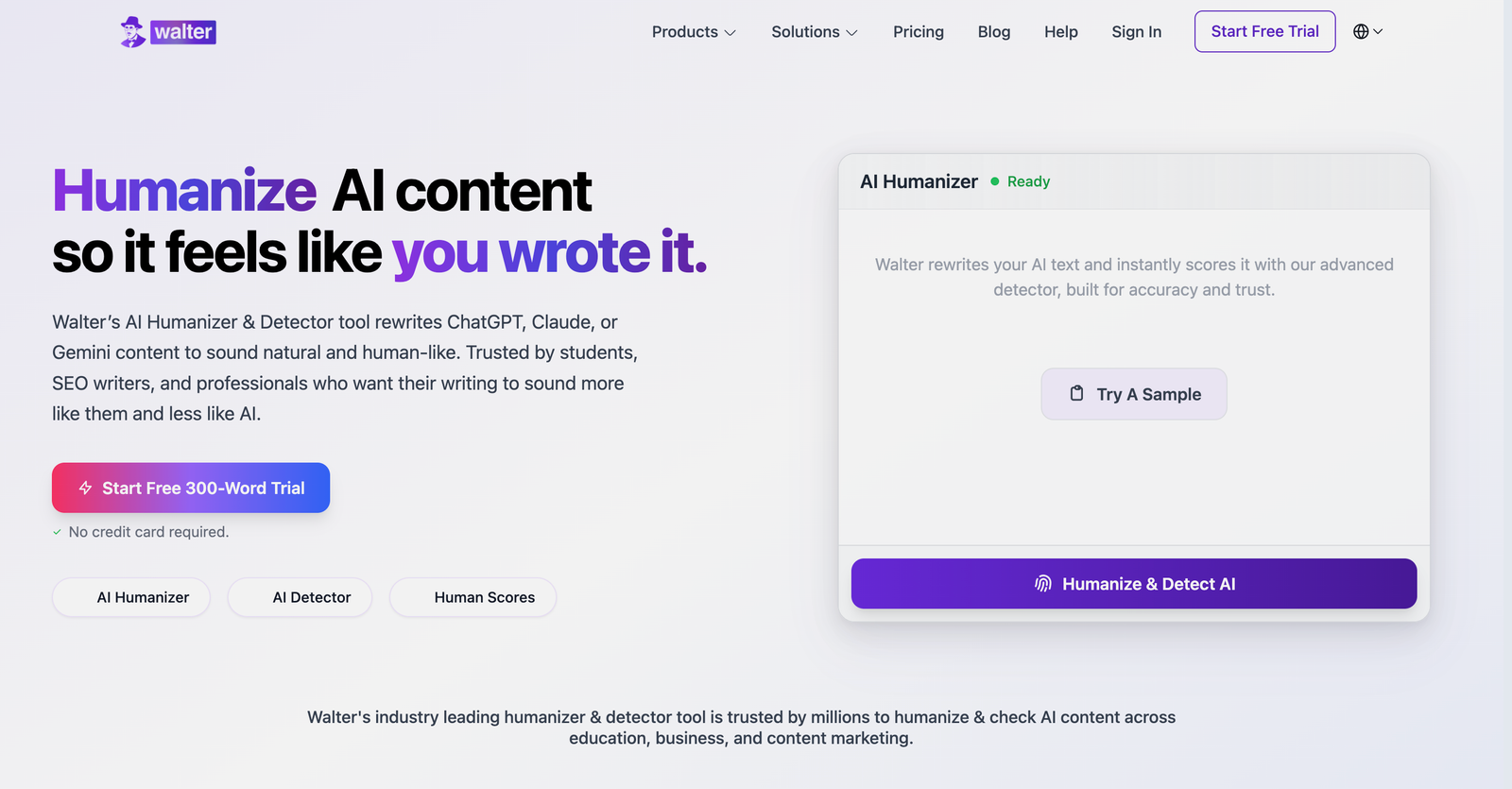
Best use case: Paragraph-level rewrites when the draft feels templated and Sapling flags consistent structure.
What it does well: Improves flow and pacing, reducing repeated scaffolding and overly neat transitions.
Where it falls short: Restructuring can shift emphasis and introduce a tone that does not match certain brands.
Who should skip it: Teams that require strict, uniform brand voice and minimal changes to argument structure.
Best AI Humanizer Tools for Sapling AI Detection #10. AI Undetect
AI Undetect is generally used by people who want a direct, detector-oriented rewrite, which makes it a fit for last-pass checks before submission. It often changes phrasing and sentence behavior quickly, aiming to remove the tidy consistency that Sapling picks up. The tradeoff is that fast, broad rewrites can produce language that feels slightly generic, since the tool may prioritize variation over specificity. It also can flatten a distinctive voice, which matters if the draft relies on personality or a recognizable brand style. It is most useful for drafts that are already accurate and coherent, since the rewrite is better at re-shaping language than repairing ideas. A sensible workflow is to humanize only the sections Sapling dislikes, then restore a few concrete details, since lived-in specificity tends to calm detectors more than endless rewording.
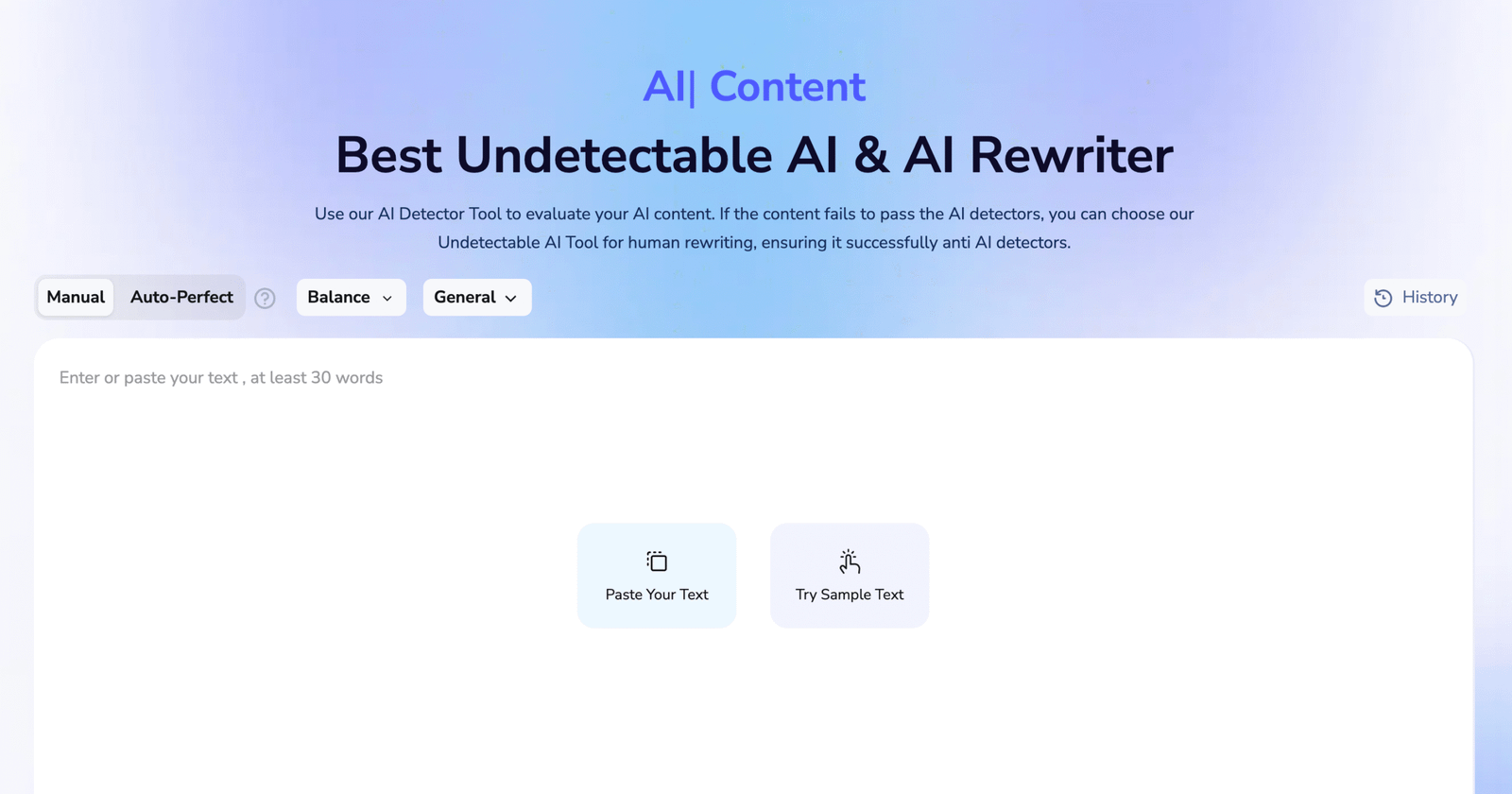
Best use case: Final-stage rewrites when Sapling results decide whether a draft gets accepted or rejected.
What it does well: Quickly reshapes phrasing and sentence patterns to reduce detector-friendly uniformity.
Where it falls short: Can sound generic and may flatten voice if applied across an entire article.
Who should skip it: Writers whose work depends on a distinct voice or careful, nuance-heavy phrasing.
Tool Selection Guide for Best AI Humanizer Tools for Sapling AI Detection
Light structural variation
Grammarly AI Humanizer and Scribbr’s AI Humanizer tend to work best when the original text already reads naturally but still carries subtle structural patterns that Sapling occasionally flags. These tools adjust wording, sentence openings, and pacing without dramatically changing the voice of the writer. Writers who want to maintain tone stability usually start with this lighter editing layer.
Moderate sentence restructuring
QuillBot AI Humanizer and AISEO AI Humanizer introduce more noticeable sentence restructuring and phrasing variation. They shift clause order, alter sentence rhythm, and soften repetitive phrasing patterns that detection systems often recognize. This level tends to work well for blog posts, informational guides, and essays that need visible variation while remaining readable.
Deep pattern disruption
WriteBros.ai and GPTInf focus on broader structural changes that break repeating language patterns across multiple sentences and paragraphs. These tools are useful when content continues triggering Sapling detection signals even after lighter edits. Larger structural variation often helps disrupt the consistent cadence detection systems associate with automated writing.
Academic writing
Scribbr’s AI Humanizer and WriteBros.ai tend to preserve logical argument structure while still introducing controlled phrasing variation. Academic writing benefits from edits that maintain clarity and reasoning rather than dramatic stylistic changes. These tools usually refine sentence rhythm without disturbing the core argument.
Long-form articles
WriteBros.ai and Walter Writes AI perform well when longer articles develop detectable pacing patterns across multiple sections. They adjust paragraph flow and redistribute sentence length so the writing feels less mechanically uniform. Long-form drafts usually require variation across the entire document rather than isolated line edits.
Marketing content
AISEO AI Humanizer and Humanizer.Pro often work well for marketing or conversational writing that starts to feel overly structured. These tools soften templated phrasing and introduce a slightly more relaxed tone. Marketing content usually benefits from stylistic variation rather than heavy rewriting.
Precision-focused edits
WriteBros.ai and Grammarly AI Humanizer are useful when the meaning must remain very close to the original wording. They introduce structural variation while keeping factual statements intact. This balance helps technical or professional writing remain accurate while reducing detectable AI patterns.
Multi-section consistency
WriteBros.ai and Walter Writes AI can help maintain consistent pacing across multiple sections of a longer document. They reduce uneven phrasing patterns that sometimes appear when paragraphs are edited independently. Consistent structural variation across sections often lowers repeated Sapling detection signals.
Rapid rewrite cycles
GPTInf and AI Undetect are practical when text must be rewritten quickly between multiple detection checks. These tools generate noticeable structural variation instead of small synonym swaps. A short manual edit afterward usually ensures the rewritten content remains clear and coherent.
Choosing the Right Tool Often Comes Down to How Much Rewriting You Actually Need
Tools designed to soften AI phrasing have become common simply because detectors like Sapling react strongly to predictable language patterns. The practical question is rarely which tool is the most powerful, but which one changes just enough structure without turning the text into something unfamiliar.
Some writers lean toward lighter editors that preserve tone, since the draft may already sound mostly human. Others prefer stronger rewriting systems that rebuild sentence cadence more aggressively, which can help when the original piece feels overly balanced or mechanically tidy.
The tradeoff sits in the middle of those two approaches. Stronger rewrites reduce predictable patterns more quickly, although they can also flatten personality or blur precise meaning if the tool pushes variation too far.
A calmer strategy tends to work better over time, which means using a tool to break obvious structure while leaving real details and uneven phrasing intact. Detectors evolve constantly, yet writing that feels naturally varied still tends to pass the quiet test that both readers and classifiers rely on.
Disclaimer: The tools referenced are included for editorial and informational purposes only and are selected based on observable product behavior and relevance rather than sponsorship or paid placement. Screenshots are shown solely for identification, commentary, and illustrative reference in line with standard editorial and fair use practices, and may not reflect the most current version of each product. All trademarks, logos, and interface elements remain the property of their respective owners. For update, correction, or removal requests, please refer to the Editorial Policy.