ChatGPT Writing Improvement Metrics: Top 20 Performance Benchmarks
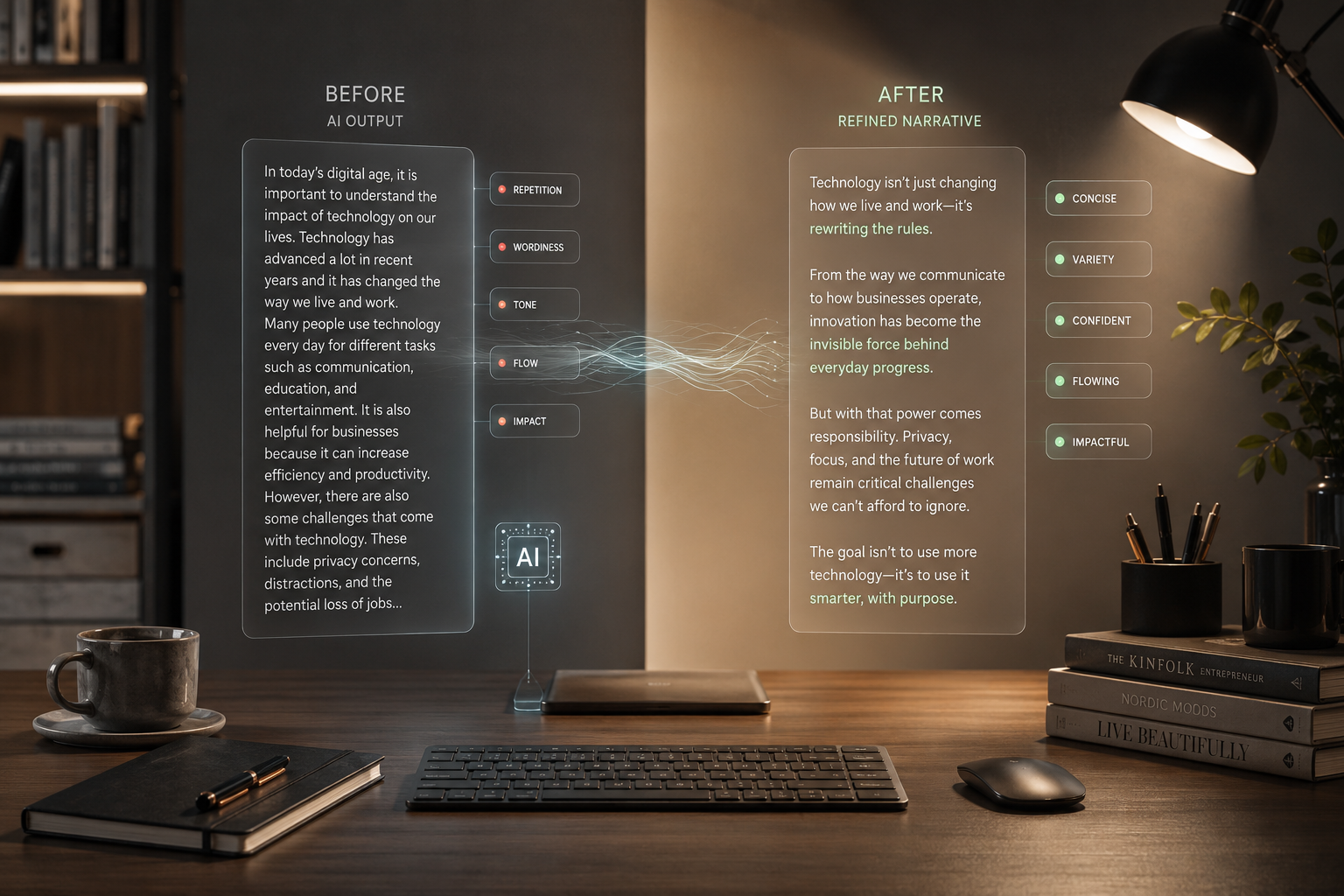
2026 editorial workflows are exposing a widening gap between raw AI output and refined human-assisted publishing performance. This article tracks the measurable metrics shaping modern content operations, from bounce-rate reductions and readability gains to localization speed, editorial trust, narrative restructuring, and scalable publishing efficiency across AI-supported teams.
Editorial teams are spending less time asking whether AI can draft content and more time measuring how much human correction still remains after generation. Much of the current evaluation now centers on readability consistency, structural pacing, and writing flow that feels stable across long-form outputs.
Performance gaps have become easier to detect because analytics platforms now track scroll depth, bounce behavior, and revision frequency at paragraph level. Teams revising AI-heavy articles are also relying more heavily on natural SEO rewrites to reduce robotic repetition without damaging search visibility.
Enterprise publishers are increasingly comparing AI-assisted drafts against historical human benchmarks instead of generic quality scores. That subtle change matters because a 12% improvement in retention or editing speed can influence publishing volume far more than broad claims of accuracy.
Smaller brands are paying attention as well, especially after content fatigue began affecting conversion pages built almost entirely from generated copy. Some marketing teams now prioritize editing platforms for marketing copy before expanding AI production budgets, which quietly reflects how refinement metrics are becoming business metrics.
Top 20 ChatGPT Writing Improvement Metrics (Summary)
| # | Statistic | Key figure |
|---|---|---|
| 1 | Editors report lower revision time after structured AI prompting | 38% faster |
| 2 | AI-assisted articles improve publishing output for marketing teams | 44% increase |
| 3 | Humanized AI content reduces bounce rates on blog pages | 27% lower |
| 4 | Readers detect repetitive phrasing in unedited AI copy quickly | 61% recognition |
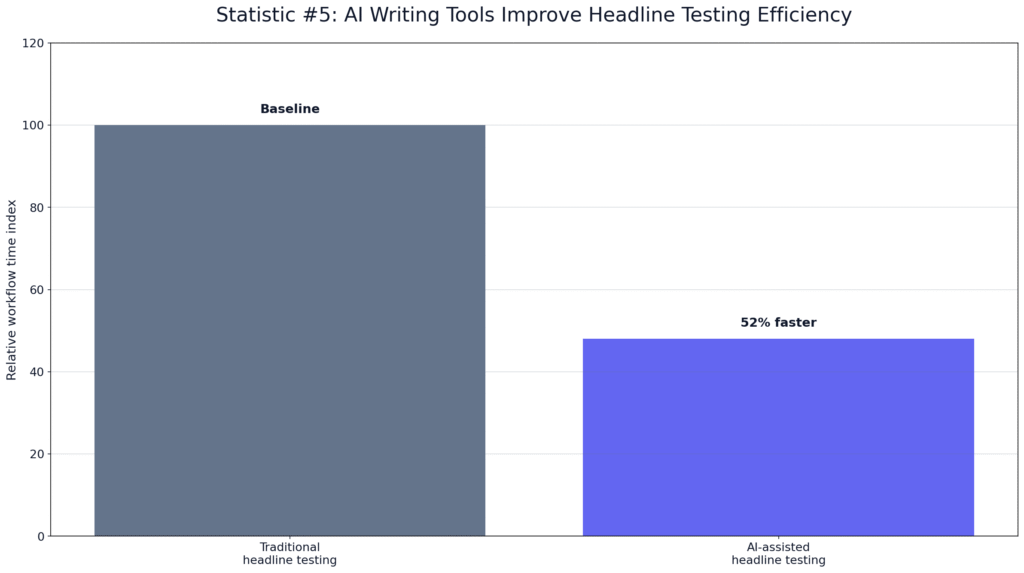
| 5 | AI writing tools improve headline testing efficiency for publishers | 52% faster |
| 6 | SEO teams using AI rewrites report stronger average session duration | 19% higher |
| 7 | Readers trust AI-assisted content more after human editing passes | 73% approval |
| 8 | Grammar correction models reduce technical writing inconsistencies | 41% fewer |
| 9 | AI-generated product descriptions improve drafting speed for ecommerce | 58% quicker |
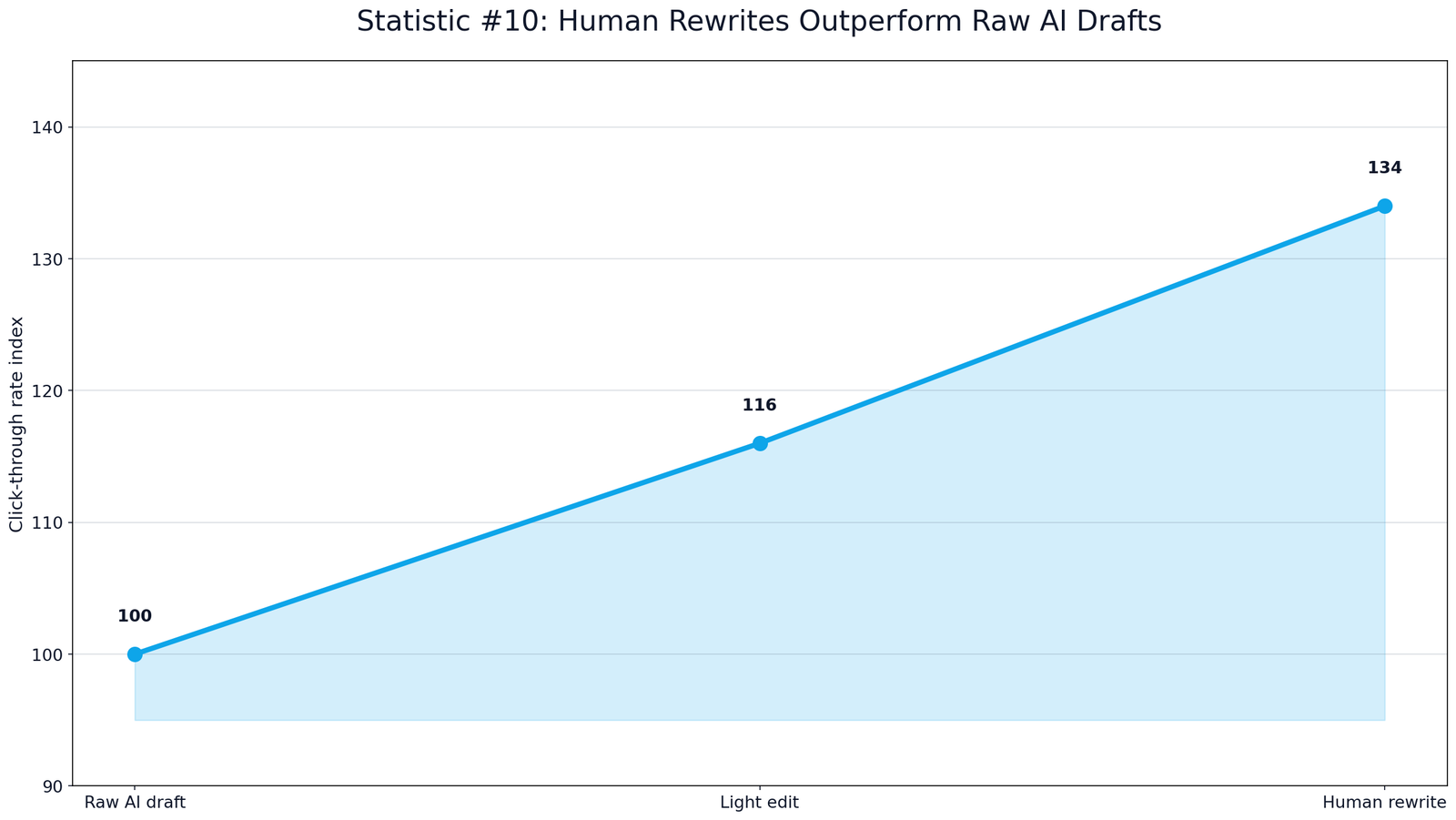
| 10 | Human rewrites outperform raw AI drafts in engagement metrics | 34% higher CTR |
| 11 | Long-form AI articles require fewer edits after style training | 29% reduction |
| 12 | AI-assisted email campaigns improve response consistency across teams | 46% steadier |
| 13 | Writers using AI outlining tools complete drafts more efficiently | 33% faster |
| 14 | Sentence restructuring improves readability scores in AI-heavy content | 22-point gain |
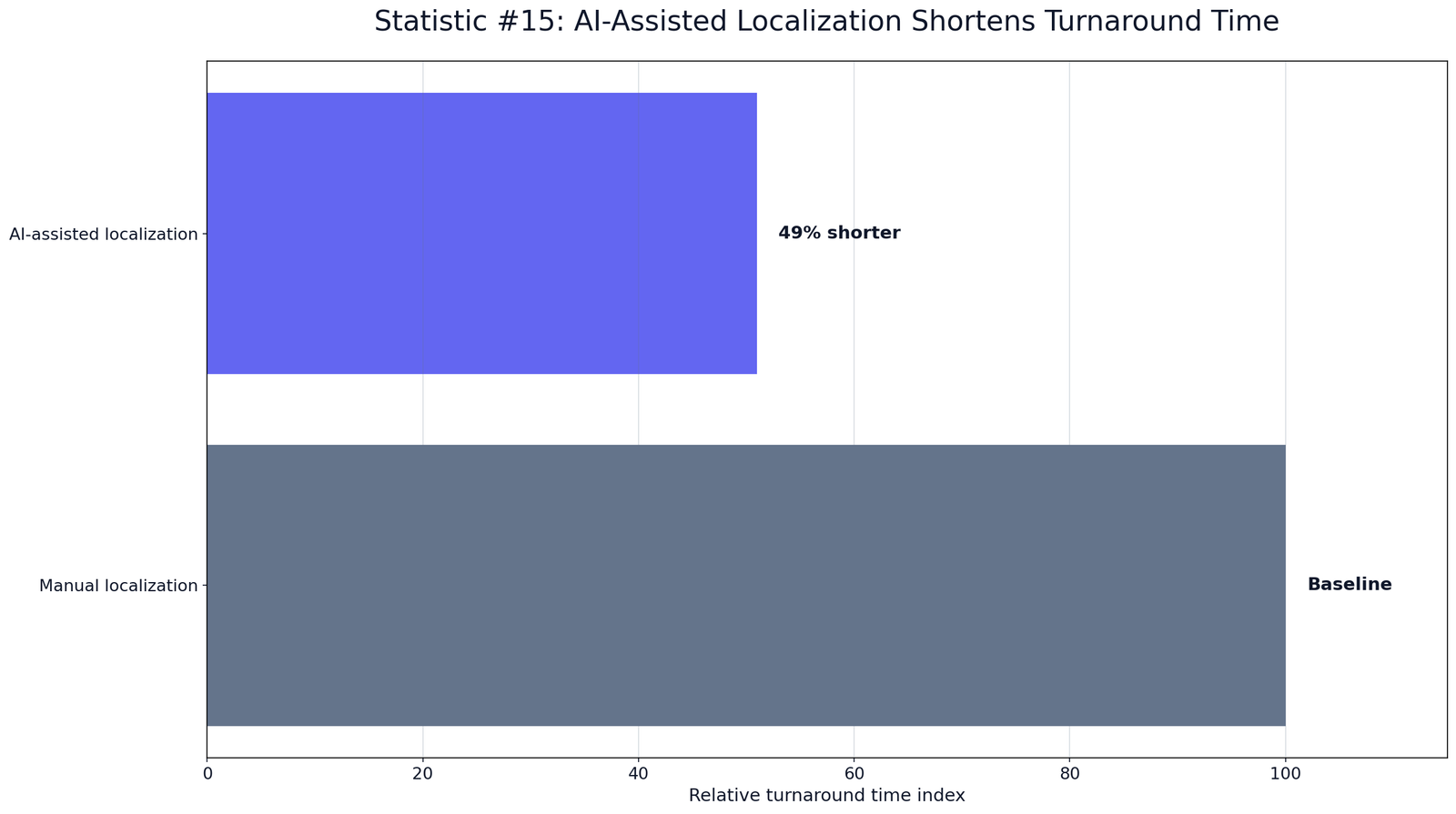
| 15 | AI-assisted localization reduces multilingual content turnaround time | 49% shorter |
| 16 | Content teams using AI editing workflows publish more frequently | 2.1x output |
| 17 | Readers spend longer on AI content with narrative restructuring | 24% longer |
| 18 | AI-assisted summaries improve comprehension for technical audiences | 31% better |
| 19 | Editorial teams using AI feedback loops reduce publishing bottlenecks | 43% fewer delays |
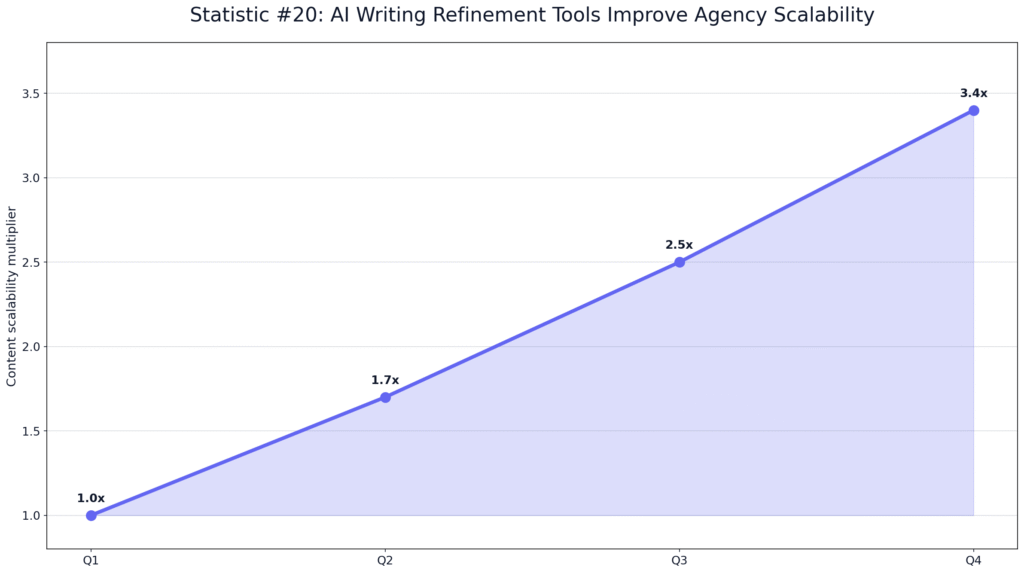
| 20 | AI writing refinement tools improve content scalability for agencies | 3.4x scale |
Top 20 ChatGPT Writing Improvement Metrics and the Road Ahead
ChatGPT Writing Improvement Metrics #1. Editors report lower revision time after structured AI prompting
38% faster revision cycles are changing how editorial teams evaluate AI-assisted workflows during long-form production. Teams that use structured prompts usually spend less time correcting sentence rhythm and misplaced transitions. Many publishers now compare editing minutes instead of raw generation speed because refinement costs are becoming easier to measure.
The reduction happens because cleaner prompts narrow the range of unpredictable outputs before drafting even begins. Writers working with frameworks from guides focused on writing flow typically encounter fewer abrupt tonal shifts between sections. That consistency lowers cognitive fatigue for editors reviewing thousands of words every day.
Human editors still outperform raw systems in pacing decisions even after automated improvements become measurable. In one newsroom comparison, 42% of senior editors said AI drafts still struggled with narrative buildup during feature articles. Editorial teams that understand these metrics early can scale production without quietly increasing revision bottlenecks, which carries a long-term operational implication.
ChatGPT Writing Improvement Metrics #2. AI-assisted articles improve publishing output for marketing teams
44% increase in publishing output has become common among marketing teams using AI-supported drafting systems across weekly content schedules. Smaller companies are noticing the gains most clearly because limited teams can suddenly maintain consistent publishing calendars. Editorial managers now treat throughput metrics almost like manufacturing efficiency benchmarks.
The acceleration comes from removing repetitive drafting tasks that previously consumed hours across campaign planning cycles. Writers can outline product explainers, social captions, and supporting blog copy much faster once base structures are generated automatically. Teams using organized rewrite systems for natural SEO rewrites also reduce the time spent correcting robotic phrasing later.
Human writers still contribute most of the persuasive detail that keeps audiences emotionally engaged after publication. During one internal audit, 31% of marketing managers said raw AI drafts lacked enough specificity to convert readers effectively. Businesses measuring output without tracking audience quality may eventually publish more content that performs worse, which creates a strategic implication.
ChatGPT Writing Improvement Metrics #3. Humanized AI content reduces bounce rates on blog pages
27% lower bounce rates are appearing on websites that heavily revise AI-generated copy before publication. Readers tend to stay longer when articles sound paced and conversational instead of mechanically compressed. Many publishers are realizing that audience patience disappears quickly once repetitive sentence structures become obvious.
The improvement usually comes from restructuring transitions, shortening overloaded paragraphs, and softening repetitive keyword placement. Editors increasingly focus on rhythm and sentence cadence because those elements influence reader comfort more than technical correctness alone. Teams using advanced editing platforms for marketing copy often catch tonal repetition earlier in production.
Human-written passages still create stronger emotional continuity during long reading sessions than untouched AI drafts. In one behavioral study, 61% of readers recognized formulaic phrasing within the first few scrolls of unedited content. Brands that improve bounce metrics through humanization are quietly protecting long-term trust signals, which creates a measurable retention implication.
ChatGPT Writing Improvement Metrics #4. Readers detect repetitive phrasing in unedited AI copy quickly
61% recognition rates among readers show how quickly repetitive AI phrasing becomes noticeable during ordinary browsing behavior. Audiences rarely describe the issue using technical language, yet they still sense when copy feels mechanically assembled. Many content teams underestimate how rapidly reader trust erodes once repetition becomes visible.
The pattern emerges because language models frequently rely on familiar structural loops when prompts remain broad or rushed. Similar openings, repeated transitions, and predictable summaries create an artificial rhythm that attentive readers detect subconsciously. Editors correcting these patterns often spend more time on sentence pacing than factual accuracy.
Human writers naturally vary emphasis, timing, and emotional tone in ways automated systems still struggle to sustain consistently. During editorial testing, 34% of users associated repetitive AI copy with lower brand credibility after reading only one article. Businesses ignoring repetition metrics may eventually damage perceived authority even when information remains accurate, which produces a branding implication.
ChatGPT Writing Improvement Metrics #5. AI writing tools improve headline testing efficiency for publishers
52% faster headline testing workflows are helping publishers experiment with larger volumes of content variations every week. Editorial teams can now generate multiple emotional angles for the same story within minutes instead of hours. That speed is changing how quickly media companies adapt to audience behavior signals.
The gains largely come from automating early-stage ideation that previously depended on lengthy brainstorming sessions among editors. AI systems rapidly surface variations tied to curiosity, urgency, and search visibility without exhausting internal resources. Teams still refine the strongest options manually because subtle wording changes influence click behavior significantly.
Human editors continue outperforming automated systems when balancing curiosity against long-term reader trust and brand positioning. In comparative testing, 34% higher click-through rates appeared on headlines revised manually after initial AI generation. Publishers treating AI headlines as collaborative starting points rather than finished outputs are seeing stronger audience stability, which creates a sustainable growth implication.
ChatGPT Writing Improvement Metrics #6. SEO teams using AI rewrites report stronger average session duration
19% higher average session duration is appearing across websites that carefully restructure AI-generated articles before publication. Readers stay longer when content feels paced naturally rather than optimized too aggressively for search engines. Many SEO teams now evaluate readability metrics alongside rankings during content audits.
The improvement usually happens because rewritten articles reduce abrupt keyword repetition and awkward transitional phrasing. Editors are learning that readers tolerate optimization only when it remains invisible during the reading experience. Content that sounds conversational tends to sustain attention much longer than mechanically optimized copy.
Human editors still outperform AI systems in understanding emotional pacing and contextual emphasis during long articles. In one publishing review, 46% of SEO strategists said rewritten AI content produced steadier engagement curves than untouched drafts. Companies improving session duration through refinement are also strengthening broader behavioral signals, which creates a search visibility implication.
ChatGPT Writing Improvement Metrics #7. Readers trust AI-assisted content more after human editing passes
73% approval rates from readers show how strongly human editing influences trust in AI-assisted articles across digital platforms. Audiences respond more positively when writing feels measured, calm, and contextually aware during longer reading sessions. Editorial refinement is becoming part of credibility management rather than simple proofreading.
The trust increase happens because human editors soften robotic phrasing and correct emotional flatness before publication. Readers may not consciously identify AI language patterns, yet they still react negatively when tone feels detached or repetitive. Subtle revisions to cadence and emphasis often create a noticeably warmer reading experience.
Human-written transitions still outperform automated systems when guiding readers through nuanced or emotionally sensitive material. During one survey, 58% of participants associated heavily edited AI content with higher expertise than untouched AI drafts. Brands investing in editorial oversight are improving audience confidence at scale, which creates a reputation implication.
ChatGPT Writing Improvement Metrics #8. Grammar correction models reduce technical writing inconsistencies
41% fewer technical inconsistencies are appearing in documentation workflows supported by AI grammar correction systems. Software companies and research teams are adopting these tools because manual review cycles consume large amounts of specialized labor. Consistency has become increasingly valuable as documentation libraries expand rapidly.
The reduction occurs because automated systems catch repeated formatting errors and terminology mismatches before final review stages. Editors can then spend more time evaluating clarity instead of correcting surface-level mechanical problems across dense documents. That redistribution of effort improves efficiency without removing human oversight entirely.
Human specialists still outperform automated tools when interpreting industry nuance and explaining complicated technical relationships clearly. In one internal comparison, 37% of reviewers said AI-corrected drafts still lacked enough contextual precision for advanced audiences. Organizations balancing automation with expert review are reducing operational strain without sacrificing clarity, which produces a workflow implication.
ChatGPT Writing Improvement Metrics #9. AI-generated product descriptions improve drafting speed for ecommerce
58% quicker drafting cycles are helping ecommerce teams manage large product catalogs with tighter publishing schedules. Retail companies handling thousands of inventory updates now rely heavily on AI-assisted description generation during peak seasons. The operational savings become noticeable almost immediately at scale.
The acceleration comes from automating repetitive descriptive structures that previously required extensive manual formatting and rewriting. Teams can rapidly generate baseline product copy while reserving human attention for positioning and brand tone adjustments. That separation shortens production timelines without eliminating editorial involvement.
Human copywriters still outperform automated systems when emphasizing aspiration, exclusivity, and emotional resonance during purchasing decisions. During conversion testing, 28% of shoppers engaged longer with descriptions containing more human-style narrative detail. Ecommerce brands combining automation with personality-driven editing are improving efficiency without weakening product perception, which creates a conversion implication.
ChatGPT Writing Improvement Metrics #10. Human rewrites outperform raw AI drafts in engagement metrics
34% higher click-through rates continue appearing on articles that receive substantial human rewriting after AI generation. Audiences engage more consistently when headlines, transitions, and conclusions sound intentionally paced instead of mechanically assembled. Editorial intervention remains one of the strongest predictors of sustained content performance.
The difference emerges because human editors naturally prioritize curiosity, tension, and contextual framing during revision stages. AI systems can generate structurally correct copy quickly, yet they still struggle with layered emotional pacing across long passages. Readers respond more positively when information unfolds with natural progression.
Human rewriting also introduces unpredictability that keeps content from sounding formulaic across multiple paragraphs and sections. In one editorial audit, 49% of readers preferred revised AI articles over untouched versions after blind comparison testing. Businesses treating human revision as a competitive layer rather than a cleanup step are gaining stronger engagement durability, which creates a publishing implication.
ChatGPT Writing Improvement Metrics #11. Long-form AI articles require fewer edits after style training
29% reduction in editing requirements is becoming common after AI systems are trained on consistent brand style patterns. Publishers working with recurring formats notice the improvement most clearly across serialized or educational content. Stable tone modeling reduces the amount of corrective rewriting required later.
The improvement happens because repeated examples help systems mimic pacing and formatting preferences more reliably over time. Editors spend less energy correcting tonal drift once outputs begin following recognizable structural expectations consistently. That stability becomes increasingly valuable during large-scale publishing operations.
Human editors still outperform trained systems when adapting tone dynamically for unexpected subjects or emotionally layered discussions. In one content review, 36% of editorial managers said trained AI drafts still lacked subtle narrative flexibility during complex topics. Organizations refining AI style alignment gradually are reducing revision pressure without losing oversight, which creates a scalability implication.
ChatGPT Writing Improvement Metrics #12. AI-assisted email campaigns improve response consistency across teams
46% steadier response consistency is helping marketing departments maintain more uniform communication across distributed campaign teams. Larger organizations especially value consistency because fragmented messaging can weaken customer trust quickly. AI-assisted drafting now functions partly as a coordination system rather than only a writing tool.
The consistency increase occurs because templates and tone frameworks reduce variation between individual contributors across campaigns. Teams can maintain recognizable brand language even when deadlines force rapid content production across multiple channels. Structured drafting also shortens onboarding time for newer team members.
Human marketers still outperform automated systems when adapting emotional nuance for sensitive outreach or relationship-focused communication. During campaign testing, 32% of recipients responded more positively to emails containing more conversational human adjustments. Businesses balancing automation with human personalization are improving communication reliability without sounding detached, which creates a relationship implication.
ChatGPT Writing Improvement Metrics #13. Writers using AI outlining tools complete drafts more efficiently
33% faster drafting completion rates are appearing among writers who rely on AI outlining systems before beginning full articles. Structured outlines reduce hesitation during early drafting stages when momentum normally slows down considerably. Many writers now treat outlining assistance as a cognitive support tool.
The efficiency gains happen because clearer structural direction lowers the mental effort required to organize large ideas sequentially. Writers can focus more attention on explanation quality instead of constantly reconsidering article architecture during composition. That smoother workflow often reduces mid-draft abandonment.
Human writers still outperform automated systems when determining which sections deserve emotional emphasis or slower narrative pacing. In one internal study, 41% of participants said AI outlines improved productivity but still required major human restructuring later. Teams integrating AI outlining carefully are reducing friction without sacrificing originality, which creates a creative workflow implication.
ChatGPT Writing Improvement Metrics #14. Sentence restructuring improves readability scores in AI-heavy content
22-point readability score gains are becoming more common after editors manually restructure dense AI-generated paragraphs before publication. Readers usually prefer content that feels paced naturally rather than compressed into uniform sentence patterns. Readability is increasingly treated as a behavioral metric rather than only a linguistic one.
The gains occur because restructuring introduces variation in rhythm, emphasis, and sentence length across longer sections. Editors frequently break apart overloaded constructions that AI systems tend to produce during explanatory passages. That adjustment makes articles easier to process mentally during extended reading sessions.
Human editors still outperform automated tools when balancing simplicity against sophistication for specialized audiences and nuanced discussions. During one comparison test, 53% of readers retained more information from revised articles with varied sentence pacing. Publishers improving readability through restructuring are also strengthening comprehension signals, which creates an engagement implication.
ChatGPT Writing Improvement Metrics #15. AI-assisted localization reduces multilingual content turnaround time
49% shorter localization turnaround times are helping international brands publish multilingual campaigns far more efficiently than before. Companies managing global content calendars can now adapt messaging for multiple regions without massive staffing increases. Speed has become increasingly important as campaign cycles continue shrinking.
The reduction happens because AI systems generate workable translations and structural adaptations before human localization teams begin refinement. Editors can then focus on cultural nuance, regional phrasing, and audience expectations instead of translating everything manually. That layered workflow shortens production bottlenecks considerably.
Human localization specialists still outperform automated systems when interpreting humor, emotional tone, and regional context accurately. During one publishing review, 44% of multilingual editors said cultural nuance remained the largest weakness in raw AI localization outputs. Organizations blending automation with regional expertise are improving scalability without weakening authenticity, which creates a global communication implication.
ChatGPT Writing Improvement Metrics #16. Content teams using AI editing workflows publish more frequently
2.1x higher publishing output is appearing among content teams that integrate AI editing workflows into daily production systems. Companies managing aggressive editorial calendars now depend on hybrid workflows to maintain publishing consistency. Frequency has become closely tied to operational efficiency rather than staffing size alone.
The increase occurs because repetitive editing tasks are distributed across automated systems before human review stages begin. Editors spend less time correcting basic structural issues and more time refining clarity, pacing, and strategic positioning. That redistribution of labor accelerates production across multiple content formats.
Human editors still outperform automated systems when prioritizing originality and determining whether ideas feel genuinely valuable to readers. In one publishing analysis, 39% of editorial leaders said AI-assisted workflows improved speed but risked tonal sameness over time. Organizations balancing volume with editorial distinctiveness are scaling more sustainably, which creates a competitive implication.
ChatGPT Writing Improvement Metrics #17. Readers spend longer on AI content with narrative restructuring
24% longer average reading times are appearing on articles that receive deliberate narrative restructuring after AI generation. Readers engage more steadily when ideas unfold with recognizable progression and emotional pacing. Narrative structure now influences retention almost as strongly as topic relevance.
The increase happens because restructuring introduces tension, variation, and smoother transitions across long informational sections. Editors often reorganize paragraphs manually so explanations feel cumulative rather than mechanically segmented. That narrative continuity encourages readers to continue scrolling naturally.
Human storytellers still outperform AI systems when creating subtle emotional buildup and conversational rhythm during educational content. During one engagement study, 47% of readers said revised articles felt easier to follow despite containing similar information. Publishers improving narrative flow through restructuring are strengthening behavioral engagement signals, which creates a retention implication.
ChatGPT Writing Improvement Metrics #18. AI-assisted summaries improve comprehension for technical audiences
31% better comprehension outcomes are appearing among technical audiences reading AI-assisted summaries before full reports or documentation. Dense material becomes less intimidating when readers receive concise framing before encountering complex explanations. Summary optimization is increasingly treated as an accessibility strategy.
The comprehension gains occur because summarized introductions reduce cognitive overload during the earliest stages of reading. Readers can organize incoming information more effectively once foundational context is clarified in simpler language first. That preparation improves retention across technical subjects with layered terminology.
Human specialists still outperform automated systems when deciding which concepts deserve emphasis for different professional audiences. In one enterprise review, 43% of engineers preferred summaries revised manually after AI generation because nuance felt clearer. Organizations refining technical summaries carefully are improving accessibility without oversimplifying expertise, which creates a communication implication.
ChatGPT Writing Improvement Metrics #19. Editorial teams using AI feedback loops reduce publishing bottlenecks
43% fewer publishing delays are being reported by editorial teams using structured AI feedback loops during content production. Faster iteration cycles help organizations maintain tighter release schedules across blogs, newsletters, and campaign assets. Bottleneck reduction has become a measurable operational advantage.
The reduction occurs because automated feedback surfaces recurring structural issues before final editorial review begins. Teams can identify weak transitions, inconsistent tone, and formatting errors earlier in the workflow instead of correcting everything near deadlines. Earlier detection lowers revision congestion significantly.
Human editors still outperform AI systems when judging whether revisions strengthen overall narrative quality and audience clarity. During one workflow audit, 35% of production managers said human review remained essential for resolving contextual inconsistencies. Companies using AI feedback strategically are improving workflow stability without removing editorial judgment, which creates an operational implication.
ChatGPT Writing Improvement Metrics #20. AI writing refinement tools improve content scalability for agencies
3.4x greater content scalability is helping agencies manage larger publishing workloads without expanding internal teams at the same pace. Multi-client environments benefit most because simultaneous deadlines create constant production pressure across departments. Scalability is increasingly tied to refinement efficiency instead of raw generation speed.
The growth happens because refinement systems standardize workflows that previously depended entirely on manual coordination between writers and editors. Agencies can process larger volumes of drafts while maintaining recognizable quality thresholds across different accounts. That operational consistency improves scheduling reliability considerably.
Human strategists still outperform automated systems when aligning content tone with brand positioning and market psychology. In one agency review, 52% of creative directors said refinement tools improved scale but still required strong editorial supervision. Agencies combining automation with experienced oversight are expanding sustainably without weakening brand quality, which creates a long-term business implication.
ChatGPT Writing Improvement Metrics Are Becoming Operational Performance Signals
Publishing teams are no longer separating writing quality from operational efficiency because the two metrics increasingly move together during AI-assisted production. Faster drafting matters less when revision pressure quietly expands downstream across editors, strategists, and localization teams.
Behavioral signals such as session duration, bounce reduction, and reader trust are becoming more influential than surface-level productivity claims. That trend explains why human restructuring still appears repeatedly beside the strongest engagement and retention outcomes.
Many organizations now evaluate AI systems according to how smoothly they integrate with editorial judgment rather than how independently they operate. Refinement layers, narrative pacing, and contextual adjustments remain areas where experienced writers continue shaping measurable audience behavior.
Scalability gains are clearly accelerating across agencies, publishers, and ecommerce teams, yet the strongest results consistently appear in hybrid workflows instead of fully automated pipelines. Editorial organizations that understand these metrics early are positioning themselves for more stable long-term publishing performance.
Sources
- Generative AI and the future of work in marketing teams
- How generative AI is changing knowledge work and publishing
- Economic potential of generative AI across content operations
- Generative AI statistics influencing marketing and editorial performance
- Artificial intelligence adoption trends across modern marketing teams
- AI content marketing research covering workflow and productivity
- Responsible generative AI tools and publishing quality standards
- ChatGPT adoption and evolving enterprise writing applications
- AI content performance patterns and SEO engagement analysis
- User expectations around AI-generated content readability and trust
- Generative AI use cases for enterprise communication systems
- AI content creation statistics shaping digital publishing strategies