10 Best AI Paraphrasers for Tone and Clarity Improvements in 2026

2026 is the year tone control became strategic, not cosmetic. This guide examines the best AI paraphrasers for tone and clarity improvements, comparing how each tool handles structure, cadence, detection sensitivity, and nuance, with a clear look at tradeoffs rather than promises.
Clarity is rarely a matter of adding more words, and tone rarely improves through simple synonym swaps. The best AI paraphrasers for tone and clarity improvements sit somewhere between editing partner and structural rewrite tool, which is why they’re often compared alongside other AI text rewriter tools.
Detection sensitivity has also complicated the rewriting process, especially for students and agencies who track performance benchmarks. Ongoing discussions around Copyleaks AI detection accuracy statistics have made tone control feel less cosmetic and more strategic.
In practice, rewriting for tone now overlaps with detection mitigation, readability scoring, and voice alignment. That overlap explains why guides on how to avoid Copyleaks AI detection increasingly reference paraphrasers rather than simple grammar tools.
The tools below focus specifically on tone refinement, structural flow, and clarity improvements without flattening personality. Some prioritize natural cadence, others emphasize precision, and a few try to balance both, which makes the differences worth examining carefully.
10 Best AI Paraphrasers for Tone and Clarity Improvements
| # | Brand | TL;DR |
|---|---|---|
| 1 | WriteBros.ai | Strong control over tone calibration and sentence rhythm with balanced clarity retention. |
| 2 | WriteHuman | Focuses on softening mechanical phrasing and improving conversational tone. |
| 3 | QuillBot AI Humanizer | Layered paraphrasing modes that prioritize clarity with moderate tone adjustment. |
| 4 | Grammarly AI Humanizer | Grammar-first rewrites that subtly refine tone without major structural changes. |
| 5 | UnAIMyText | Targets robotic phrasing and increases readability in short-form content. |
| 6 | Humanizer.Pro | Emphasizes human-like cadence while preserving the original argument. |
| 7 | Stealthly | Blends paraphrasing with detection-aware sentence restructuring. |
| 8 | GPTInf | Focuses on subtle lexical variation for clarity without dramatic rewrites. |
| 9 | Clever AI Humanizer | Adjusts sentence structure for smoother flow in academic writing. |
| 10 | AI Humanize.io | Offers quick clarity-focused rewrites for general-purpose content. |
On this page
10 Best AI Paraphrasers for Tone and Clarity Improvements Worth Noting
Best AI Paraphrasers for Tone and Clarity Improvements #1. WriteBros.ai
WriteBros.ai tends to work best when the draft already has a point of view, yet the tone keeps wobbling between formal and too casual. It handles clarity through small structural decisions, like tightening lead sentences and smoothing transitions rather than swapping words at random. The tradeoff is that heavier rewrites can feel slightly standardized if the prompt does not specify personality markers, such as pacing, sentence length, or preferred vocabulary. It also rewards short iterative passes, which can feel slower than tools that spit out a single bold rewrite. For tone polishing, that slower pace is often exactly what keeps meaning intact.
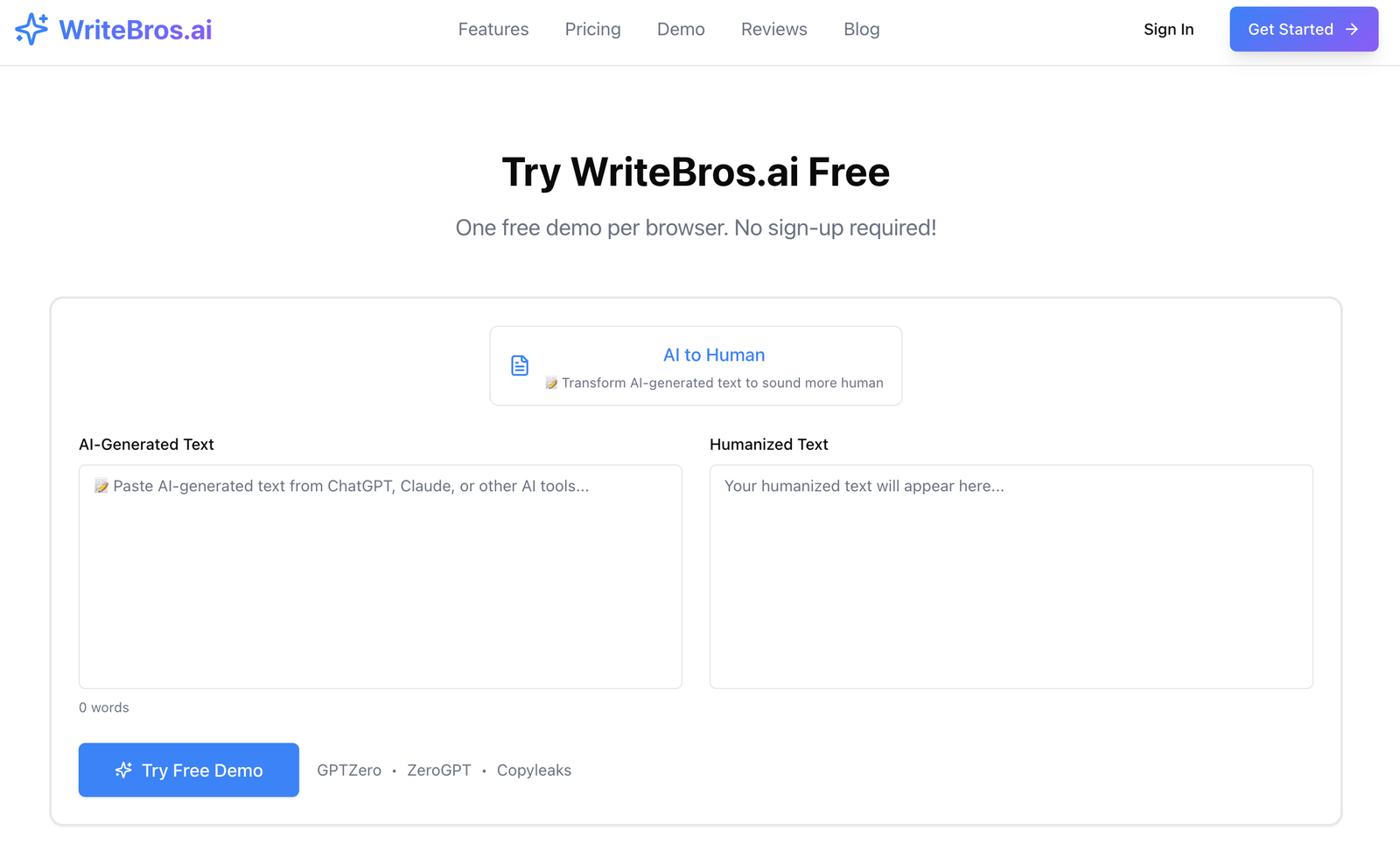
Best use case: Tightening tone and clarity for essays, briefs, and client drafts that need to sound steady.
What it does well: Preserves intent while smoothing cadence and trimming cluttered phrasing.
Where it falls short: Broad prompts can yield safer wording that needs a second pass for personality.
Who should skip it: Anyone who wants dramatic rewrites from a single click with no guidance.
Best AI Paraphrasers for Tone and Clarity Improvements #2. WriteHuman
WriteHuman is a solid pick when the text reads competent, yet slightly stiff, the kind of stiffness that shows up in emails, intros, and short explainers. It tends to soften sharp edges and remove robotic phrasing, which helps tone feel less performative and more direct. The tradeoff is that nuance can blur if the original has carefully chosen technical language, since simplification sometimes trims precision. Longer pieces may also end up with repetitive cadence unless the user breaks the work into sections. Used in smaller chunks, it stays more controlled.
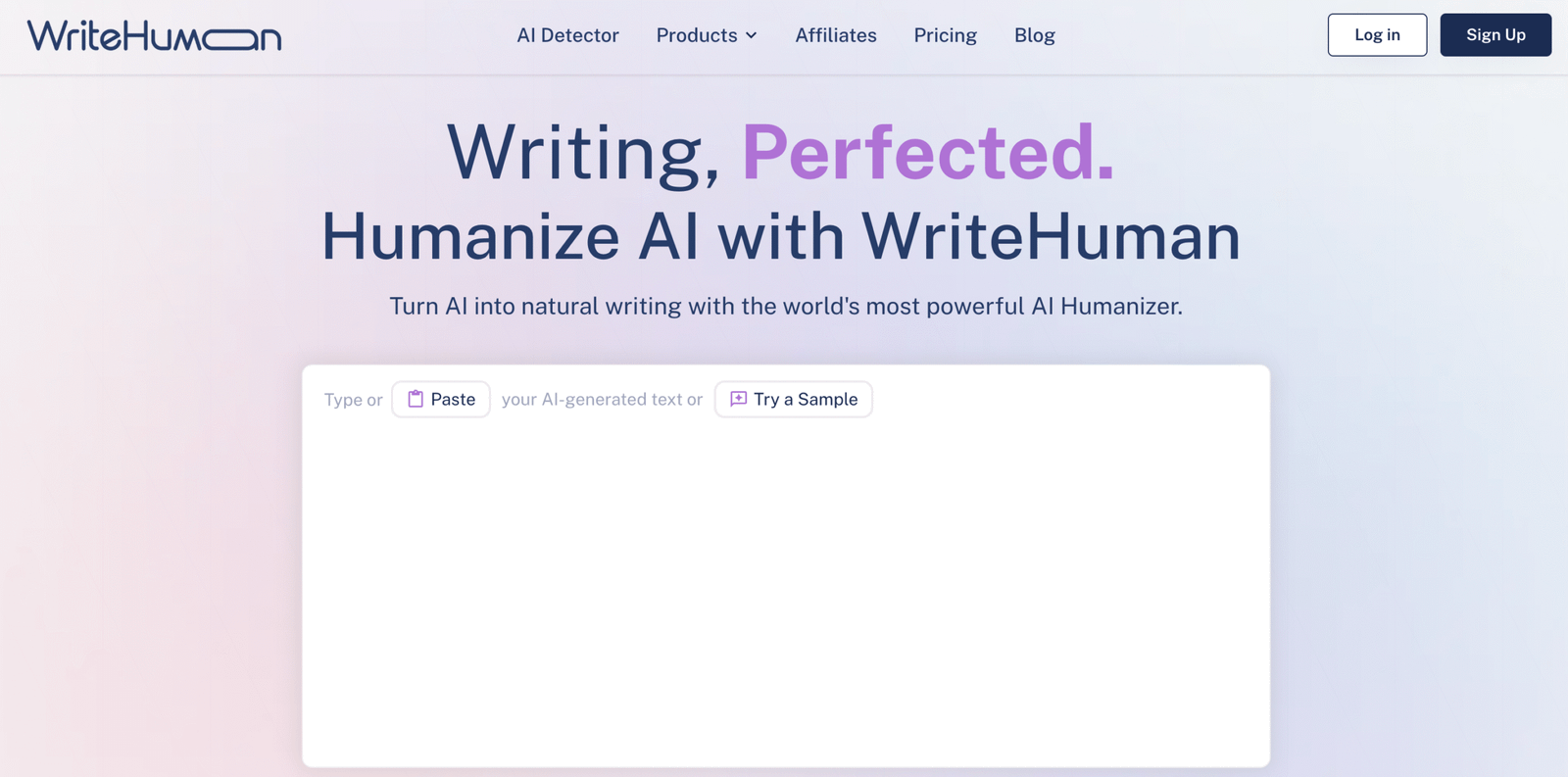
Best use case: Making short-form writing feel more natural without rewriting the entire message.
What it does well: Removes mechanical phrases and smooths sentence flow with minimal effort.
Where it falls short: Technical language can get softened too much if the input is specialized.
Who should skip it: Anyone rewriting dense research text that cannot afford meaning drift.
Best AI Paraphrasers for Tone and Clarity Improvements #3. QuillBot AI Humanizer
QuillBot AI Humanizer fits writers who like seeing multiple options and then choosing the one that matches the intended tone. It is usually strong on clarity, especially in sentences that are overloaded with qualifiers or have a tangled subject. The tradeoff is that the output can feel like a paraphrase layer rather than a true edit, which means the best version may still need a quick human line edit. It can also preserve the original structure a bit too faithfully, so awkward paragraph logic may survive intact. In short, it shines at sentence-level cleanups, less so at argument-level reshaping.
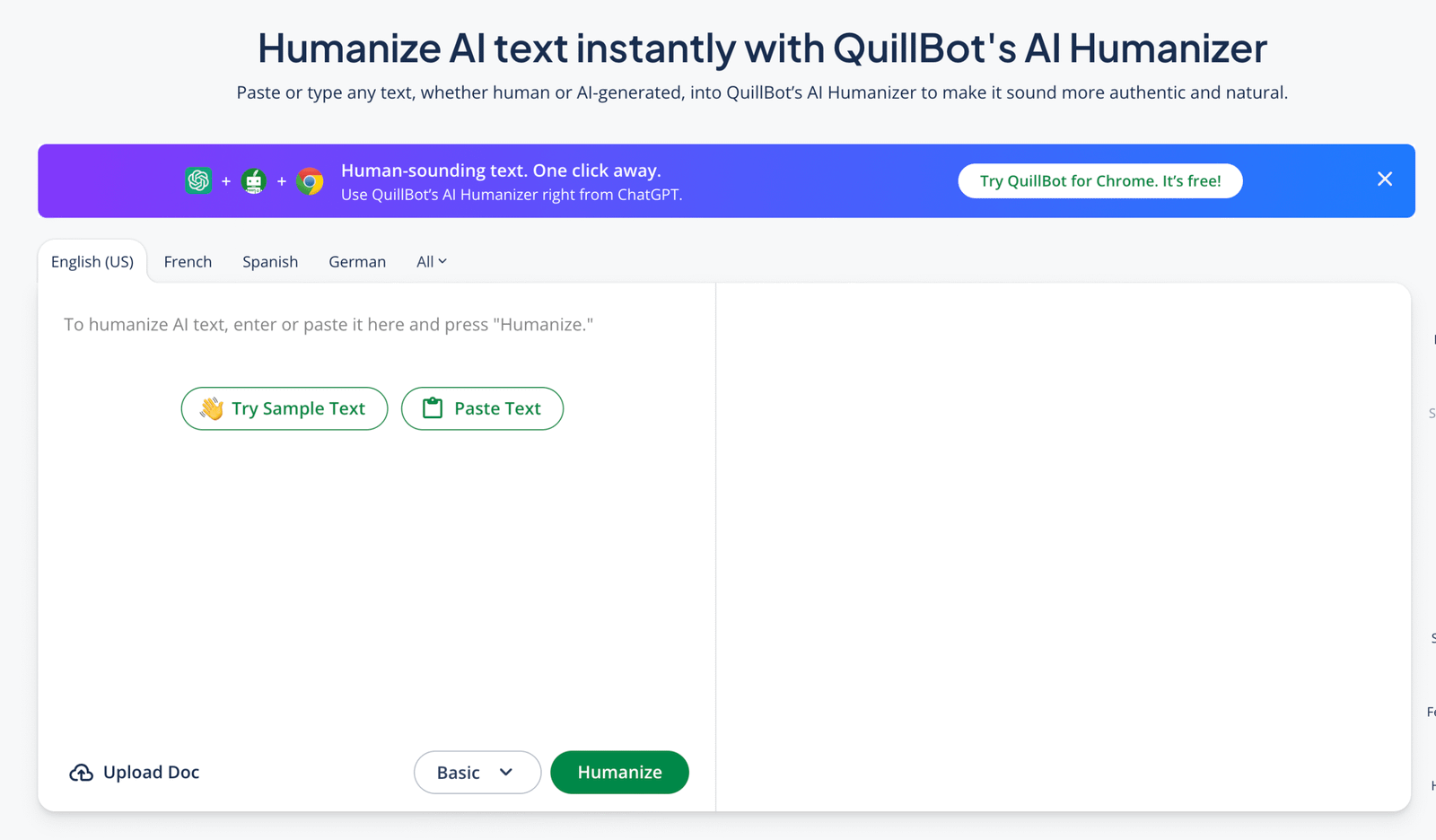
Best use case: Revising sentence clarity while keeping the original structure mostly intact.
What it does well: Offers readable rewrites that reduce clutter and improve scan-ability.
Where it falls short: Paragraph logic issues can remain because the tool stays close to the source.
Who should skip it: Anyone needing deeper restructuring across multiple paragraphs.
Best AI Paraphrasers for Tone and Clarity Improvements #4. Grammarly AI Humanizer
Grammarly AI Humanizer suits drafts that are close to finished, yet still have small tone issues that make the writing feel a bit prickly or over-formal. It tends to fix clarity through correctness, which helps when the real issue is an awkward clause or an unclear modifier. The tradeoff is that style choices can drift toward conservative, so the voice may lose some texture if the writer accepts every suggestion. It also does not always rearrange ideas, so a paragraph with weak order stays weak even if each sentence looks polished. For clean, professional tone, it is steady, yet it rarely surprises.
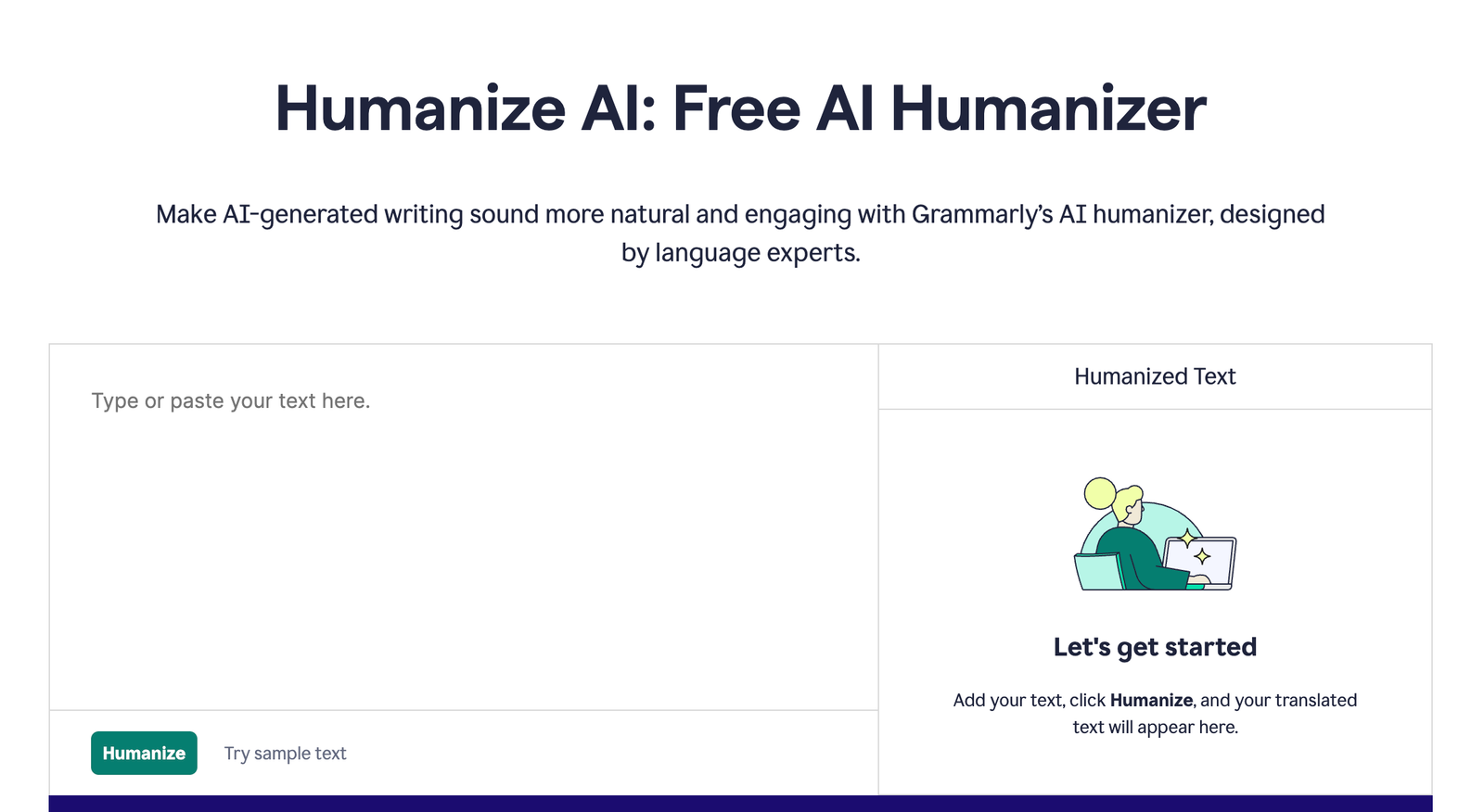
Best use case: Final-pass tone cleanup for business writing that must read clean and correct.
What it does well: Improves clarity through grammatical fixes and tighter phrasing.
Where it falls short: Voice can turn safe if suggestions are accepted without judgment.
Who should skip it: Anyone seeking a more distinctive voice transformation across sections.
Best AI Paraphrasers for Tone and Clarity Improvements #5. UnAIMyText
UnAIMyText works well for drafts that sound like they were assembled from neat fragments, which is common in tool-assisted writing. It tends to improve clarity through smoothing joins between sentences and reducing repeated phrasing patterns. The tradeoff is that stronger rewrites can slightly flatten tone, especially if the original relied on sharp phrasing or deliberate punchiness. It also benefits from short inputs, since longer passages can pick up a uniform rhythm that becomes noticeable. If the goal is readable, straightforward copy, it does that job with minimal fuss.
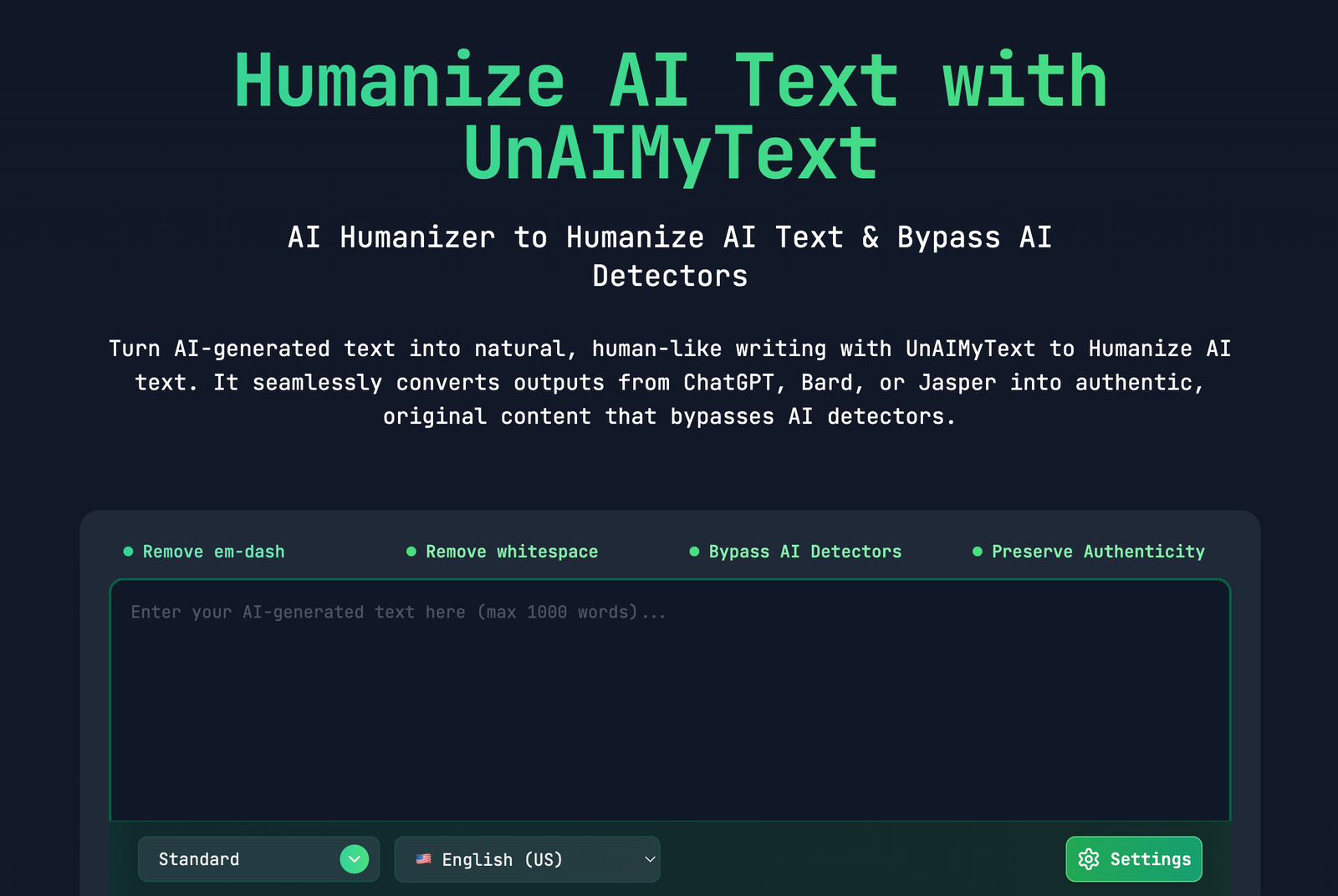
Best use case: Cleaning up tool-assisted drafts that feel stitched together, especially in short sections.
What it does well: Reduces repetition and smooths transitions so the writing reads more naturally.
Where it falls short: Strong settings can sand down sharper tone choices that were intentional.
Who should skip it: Writers who rely on very specific voice quirks and sharp stylistic edges.
Best AI Paraphrasers for Tone and Clarity Improvements #6. Humanizer.Pro
Humanizer.Pro is useful when clarity is fine but the tone still reads slightly synthetic, especially in intros and summaries. It often improves pacing, which makes sentences feel less evenly spaced and more like real editing decisions. The tradeoff is that meaning preservation depends on how close the input is to the desired outcome, since aggressive rewrites can introduce small emphasis changes. It also can lean into a single cadence style across a page, so mixing sentence lengths in the prompt helps. For a quick pass that reduces the “tool voice,” it can be a practical step.
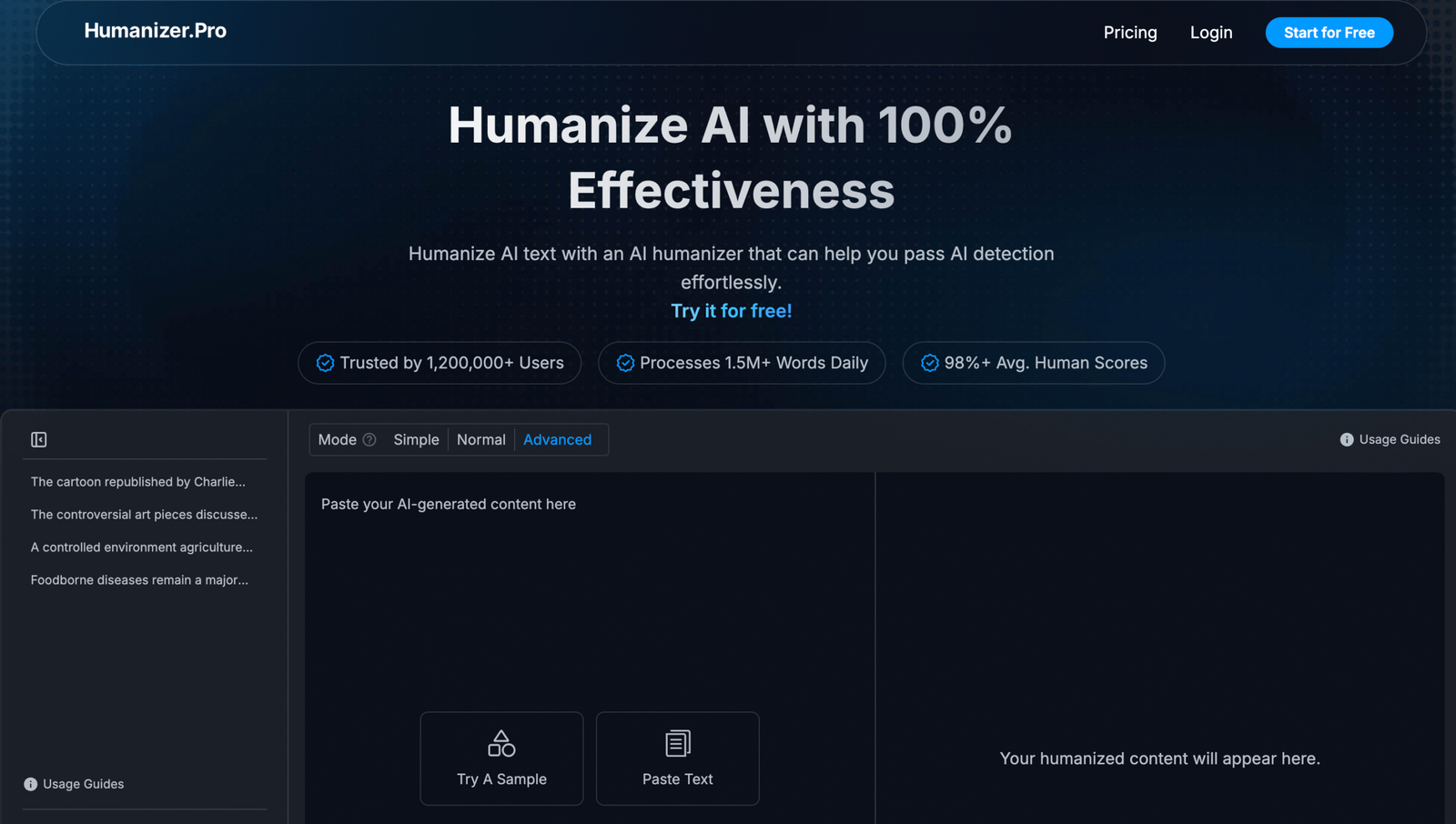
Best use case: Smoothing synthetic tone in intros, summaries, and short educational sections.
What it does well: Adjusts rhythm and phrasing so the writing feels less evenly generated.
Where it falls short: Aggressive rewrites can subtly change emphasis if the input is vague.
Who should skip it: Anyone who cannot review for tiny meaning changes after rewriting.
Best AI Paraphrasers for Tone and Clarity Improvements #7. Stealthly
Stealthly is often chosen when tone work is tied to detection-aware rewriting, so clarity and structure are doing double duty. It can reshape sentences enough to reduce repeated patterns, while still keeping the paragraph readable, which is not always easy. The tradeoff is that it can introduce slightly unusual phrasing if pushed too hard, since it is optimizing for variation as well as flow. It also benefits from careful review of proper nouns, numbers, and citations, because structural changes can reposition them awkwardly. Used with restraint, it can keep tone steady while making the text less predictable.
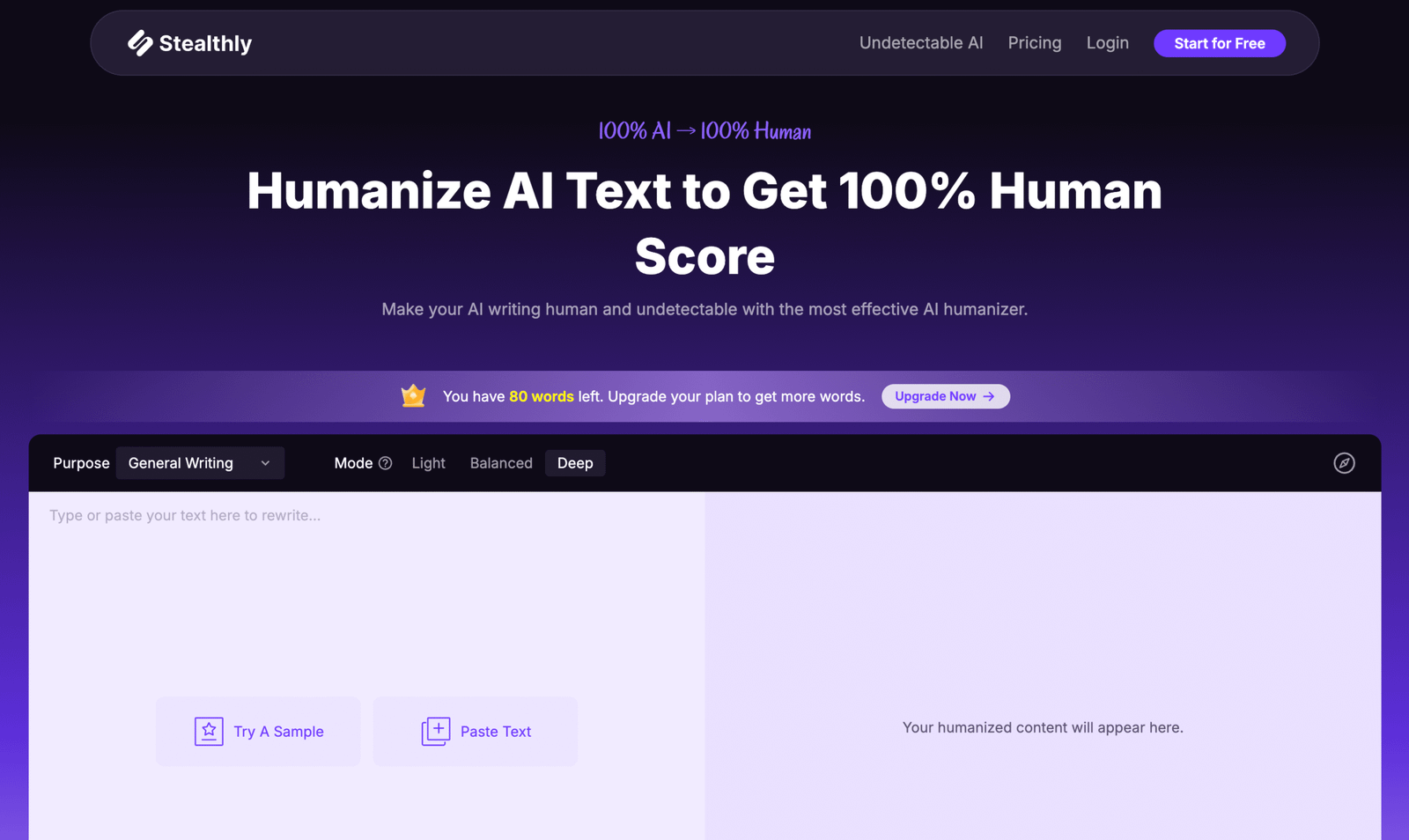
Best use case: Rewriting that needs variation without sacrificing readable tone for general audiences.
What it does well: Breaks repetitive sentence patterns and improves flow through restructuring.
Where it falls short: Overuse can produce phrasing that sounds slightly off or too reworked.
Who should skip it: Writers who want minimal changes and purely clarity-focused edits.
Best AI Paraphrasers for Tone and Clarity Improvements #8. GPTInf
GPTInf tends to suit people who want subtle rewrites, the kind that improve clarity without visibly rewriting the author’s voice. It often focuses on lexical variation and small structural moves, which can be enough to improve readability in short paragraphs. The tradeoff is that tone changes can be modest, so drafts that feel emotionally flat may still feel flat after the pass. It also may not fix paragraphs that are logically overloaded, since it is less aggressive with reordering ideas. As a light-touch option, it is helpful, yet it is not meant to do heavy editing work.
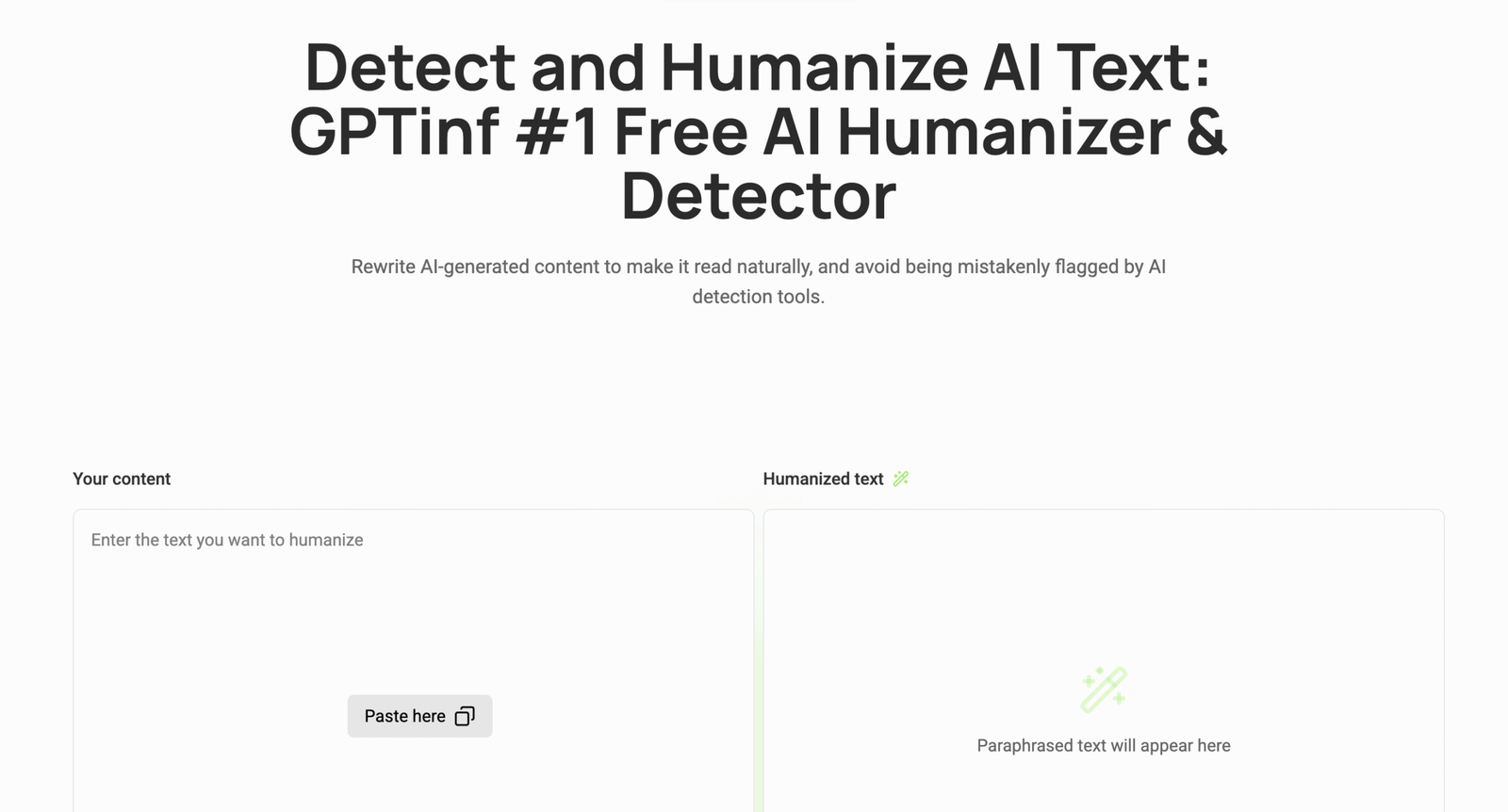
Best use case: Light rewrite passes that keep voice recognizable while improving readability.
What it does well: Makes small, controlled edits that reduce repetition and smooth phrasing.
Where it falls short: Tone improvements can be mild, especially on flat or overly formal drafts.
Who should skip it: Anyone needing deeper voice shaping across multiple sections.
Best AI Paraphrasers for Tone and Clarity Improvements #9. Clever AI Humanizer
Clever AI Humanizer is a good fit for academic or structured writing that needs smoother flow without losing its formal tone. It tends to adjust sentence structure so ideas land in a more logical order, which can improve clarity even if vocabulary stays similar. The tradeoff is that it can keep the voice on the formal side, so writers seeking warmth may need to add personal phrasing after the rewrite. It also benefits from tight input, since vague prompts can yield a generic style that looks polished yet slightly bland. For clarity-first edits, it is dependable, provided the writer reviews for voice.
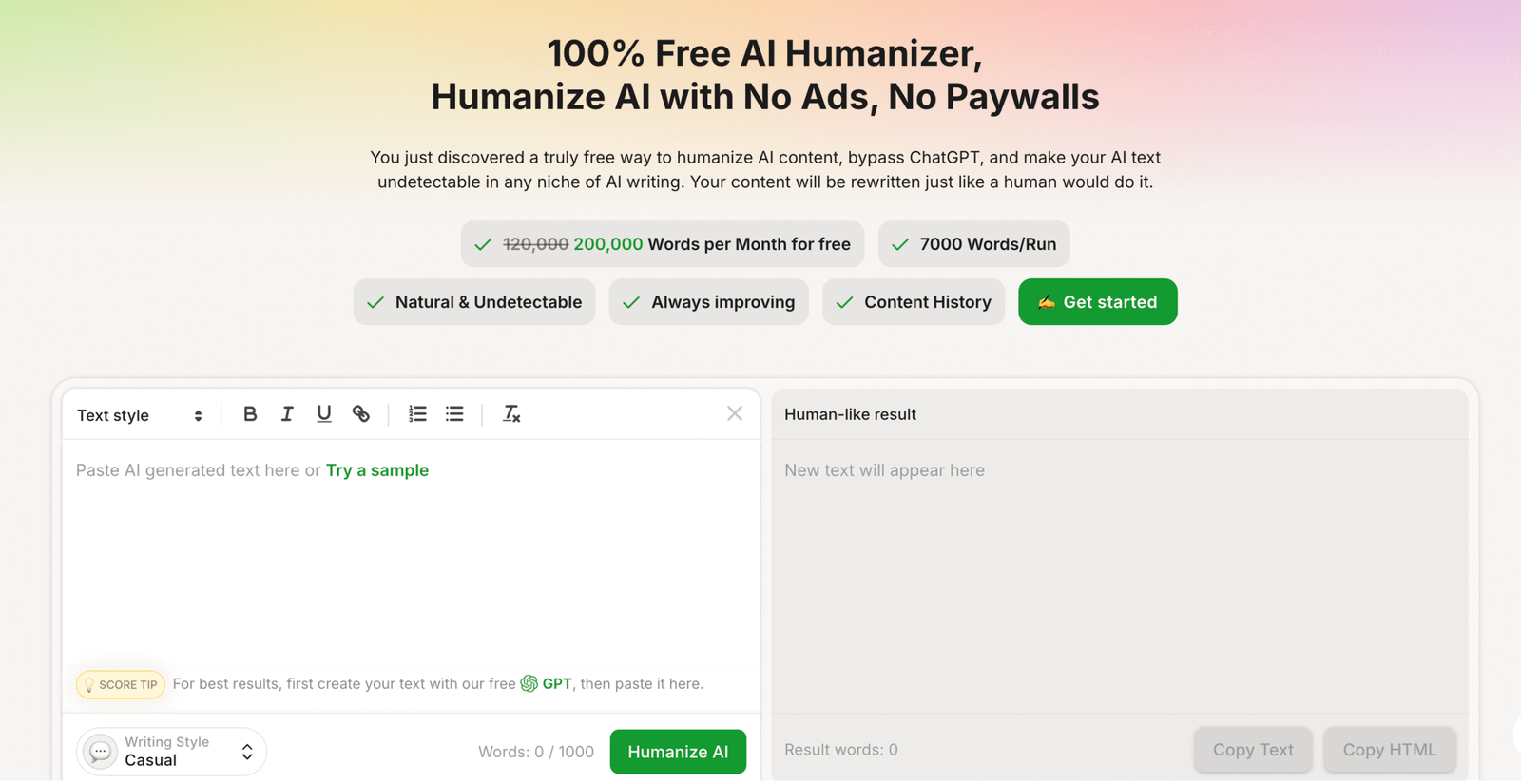
Best use case: Academic and structured drafts that need better flow without losing formality.
What it does well: Reorders sentence logic so paragraphs read cleaner and more direct.
Where it falls short: Warmth can be limited, so the tone may stay formal and slightly distant.
Who should skip it: Writers aiming for conversational tone with strong personality cues.
Best AI Paraphrasers for Tone and Clarity Improvements #10. AI Humanize.io
AI Humanize.io is useful for quick clarity improvements on general content, especially when the draft has minor awkwardness rather than deep structural problems. It typically smooths sentence edges and reduces obvious repetition, which makes the text easier to read in one pass. The tradeoff is that faster tools can lean into familiar phrasing, so the output may feel less distinctive if the writer is chasing a specific voice. It also may under-correct paragraphs that need reordering, since the rewrite often stays sentence-bound. It is best treated as a fast cleanup layer, followed by a brief human review for tone.
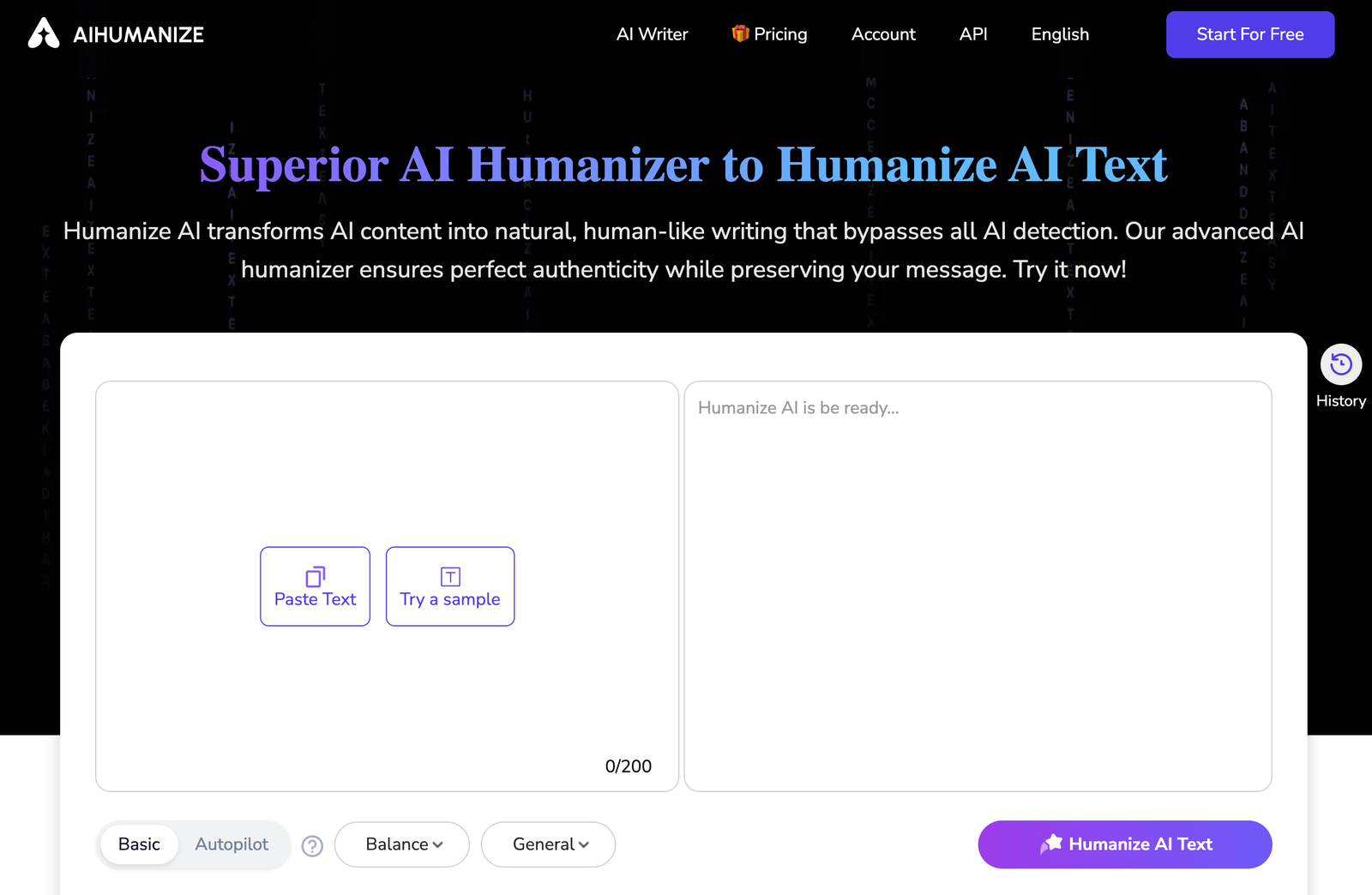
Best use case: Quick cleanup on general writing that needs smoother clarity and fewer awkward lines.
What it does well: Produces readable rewrites fast, especially for short sections and summaries.
Where it falls short: Distinct voice can fade if the rewrite is used as the final version.
Who should skip it: Anyone rewriting long-form work that needs deeper structural editing.
Tool Selection Guide for Best AI Paraphrasers for Tone and Clarity Improvements
Preserving original voice
WriteBros.ai and GPTInf are better suited for drafts that already carry a defined voice and simply need refinement. They adjust cadence and trim clutter without aggressively reshaping the argument. This makes them appropriate for essays, client drafts, and long-form content where tone consistency matters more than transformation.
Stronger tone recalibration
WriteHuman and Humanizer.Pro are useful when the draft feels stiff or overly mechanical. They introduce noticeable rhythm changes and soften phrasing. These tools are more helpful when the goal is to noticeably rebalance tone rather than just polish wording.
Detection-aware rewrites
Stealthly and UnAIMyText lean toward variation in structure and sentence rhythm. They can reduce repetitive phrasing patterns that automated systems may flag. Careful review is still necessary to maintain clarity and terminology precision.
Full-length structured drafts
WriteBros.ai and Clever AI Humanizer maintain paragraph cohesion across longer pieces. They are appropriate for structured documents that require steady tone from introduction through conclusion. This reduces uneven voice across multi-section writing.
Section-level refinement
QuillBot AI Humanizer and Grammarly AI Humanizer work well when applied to contained sections. They improve readability and sentence clarity without overhauling the entire document. This approach supports modular editing passes.
Sentence-level cleanup
AI Humanize.io and GPTInf are practical for quick paragraph or sentence adjustments. They remove awkward phrasing and reduce repetition. These tools are best used as controlled cleanup layers rather than full structural editors.
Minimal revision tolerance
Grammarly AI Humanizer and WriteBros.ai minimize unexpected tonal drift. Their output generally stays close to the original framing and sequencing. This is helpful in environments where revisions must remain predictable.
Layered editing process
QuillBot AI Humanizer and Stealthly suit workflows that allow multiple passes. They introduce structural variation that can then be manually refined. This layered method improves rhythm without losing clarity control.
High-volume short content
AI Humanize.io and WriteHuman are practical for shorter, deadline-driven drafts. They prioritize readability improvements quickly. A final human pass ensures tone consistency and nuance remain intact.
Choosing the Right Tool for Tone and Clarity
Tone and clarity improvements are rarely dramatic changes, and that is sort of the point. The strongest paraphrasers tend to refine rhythm, remove friction, and tighten logic without announcing that they have done anything at all.
Some tools lean toward sentence-level smoothing, which works well for drafts that are almost there. Others reshape structure more assertively, which can help when clarity issues stem from paragraph order rather than word choice.
The tradeoff is usually between control and speed. Faster rewrites can look clean on the surface, yet a slightly slower, more deliberate pass often keeps nuance intact and avoids flattening voice.
In the end, the right choice depends less on feature lists and more on how much intervention the draft actually needs. Clarity improves when the tool matches the problem, not when it simply promises to rewrite everything.
Disclaimer: The tools referenced are included for editorial and informational purposes only and are selected based on observable product behavior and relevance rather than sponsorship or paid placement. Screenshots are shown solely for identification, commentary, and illustrative reference in line with standard editorial and fair use practices, and may not reflect the most current version of each product. All trademarks, logos, and interface elements remain the property of their respective owners. For update, correction, or removal requests, please refer to the Editorial Policy.