10 Best AI Rewriting Tools for Low-Risk Content Edits in 2026

In 2026, subtle edits carry more weight than sweeping rewrites. This guide evaluates the best AI rewriting tools for low-risk content edits, focusing on structural preservation, tone stability, and detection-aware phrasing. Each option is assessed through tradeoffs, not claims, to help teams refine drafts without distorting meaning.
Low-risk edits matter more in 2026 than they did even a year ago, especially as detection systems become stricter and more context-aware. Anyone comparing AI humanizer vs AI rewriter vs paraphraser tools will notice that small wording differences can change how text is interpreted.
That is why the best AI rewriting tools for low-risk content edits focus less on dramatic transformation and more on preserving structure and intent. Data from Copyleaks AI misclassification data shows how subtle phrasing patterns can trigger unnecessary flags.
Content teams are now prioritizing consistency, tone stability, and minimal semantic drift, which requires tools that adjust phrasing without distorting meaning. Guidance on how to make text pass Copyleaks increasingly emphasizes controlled rewrites rather than aggressive paraphrasing.
The whole thing becomes less about sounding different and more about sounding human without introducing risk. Choosing the right tool depends on how carefully it balances tone, clarity, and structural preservation.
10 Best AI Rewriting Tools for Low-Risk Content Edits
| # | Brand | TL;DR |
|---|---|---|
| 1 | WriteBros.ai | Precision rewrites designed to preserve structure and reduce detection risk. |
| 2 | QuillBot AI Humanizer | Flexible paraphrasing modes with adjustable tone control. |
| 3 | Grammarly AI Humanizer | Polished sentence refinement with integrated grammar safeguards. |
| 4 | Scribbr’s AI Humanizer | Academic-leaning rewrites that prioritize clarity and formality. |
| 5 | Writesonic AI Humanizer | Balanced rewriting with light stylistic variation. |
| 6 | Uncheck AI | Focused adjustments aimed at lowering AI detection signals. |
| 7 | Clever AI Humanizer | Sentence smoothing with moderate structural retention. |
| 8 | GPTInf | Minimal phrasing edits that maintain original flow. |
| 9 | EssayDone.ai | Academic-style rewrites with conservative tone shifts. |
| 10 | uPass | Detection-aware edits aimed at reducing high-risk patterns. |
On this page
10 Best AI Rewriting Tools for Low-Risk Content Edits Worth Noting
Best AI Rewriting Tools for Low-Risk Content Edits #1. WriteBros.ai
WriteBros.ai is built for edits that need to stay close to the original, which is exactly what low-risk work asks for. It tends to keep paragraph shape and pacing intact, so the output reads like a careful polish rather than a rewrite that tries too hard. That restraint is the point, honestly, because small structural changes are often what make drafts feel suspicious or inconsistent. The tradeoff is that it may feel less helpful when a draft is genuinely messy and needs re-architecting, since it will keep returning to the same frame. It also expects a bit of taste from the editor, because the last five percent is still manual nuance. Basically, it is strongest when the goal is safer language, not a new voice.
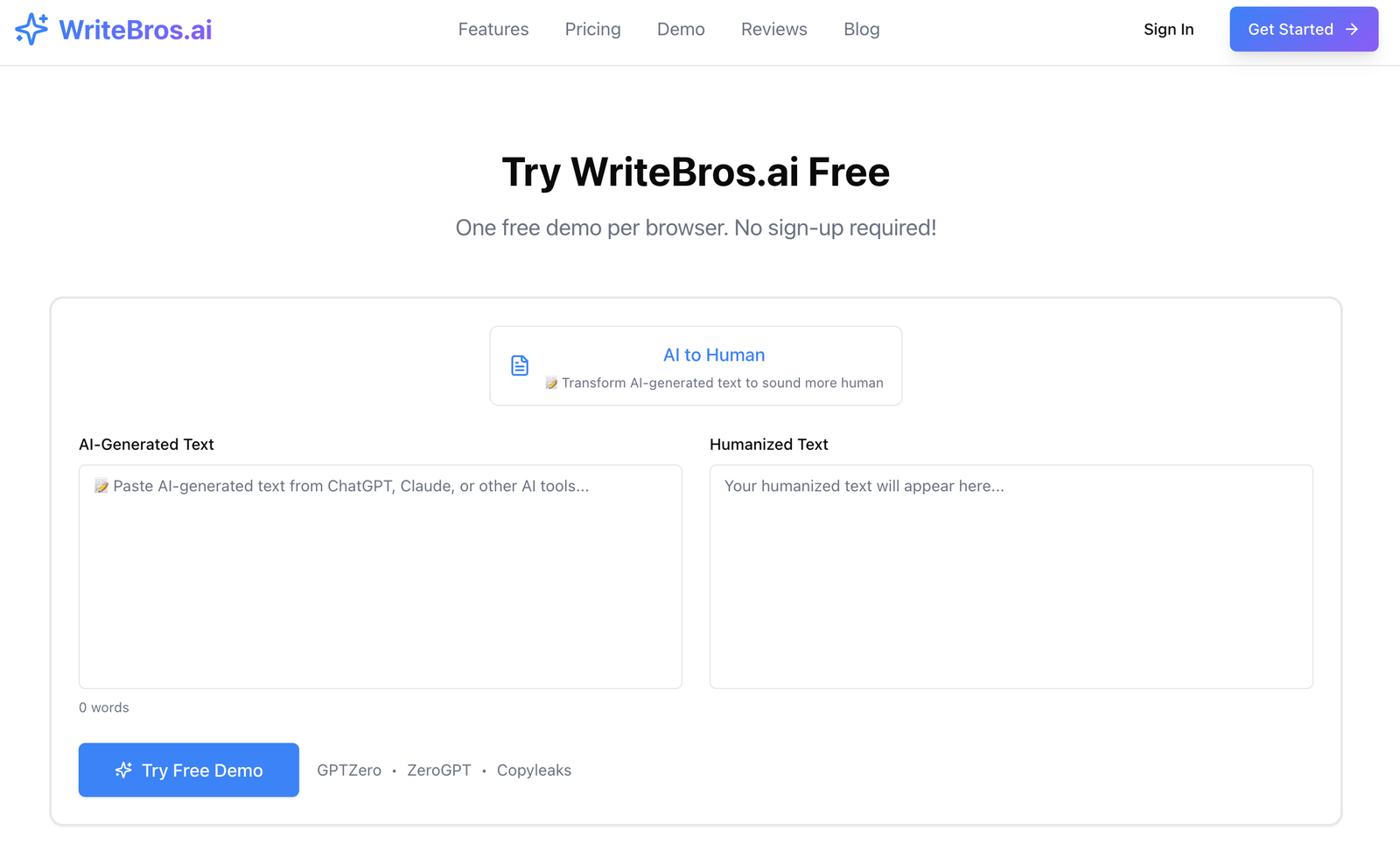
Best use case: Tightening client-ready copy while keeping structure, tone, and claims stable.
What it does well: Preserves meaning with small phrasing upgrades that feel editorial rather than generated.
Where it falls short: Less useful for drafts that need big re-ordering or a full tone reset.
Who should skip it: Anyone wanting aggressive paraphrasing or heavy creative variation in one pass.
Best AI Rewriting Tools for Low-Risk Content Edits #2. QuillBot AI Humanizer
QuillBot’s AI Humanizer is comfortable for quick cleanup, especially when the goal is smoothing stiffness rather than changing the message. It tends to swap phrasing in a way that keeps sentences readable, and it can be handy when a section sounds repetitive or overly template-like. The whole thing works best in small chunks, because the more you feed it, the more likely it is to introduce a slightly different cadence from paragraph to paragraph. A real caveat is that it can sometimes “help” too much by introducing synonyms that are technically fine but feel a bit off-brand. Exactly because it moves fast, it rewards someone who will scan for odd word choices and keep terminology consistent. It is a solid pick for low-risk edits, but it is not a set-and-forget workflow.

Best use case: Refreshing short sections that feel robotic without changing the underlying meaning.
What it does well: Produces clean, readable alternatives quickly, which helps reduce repetitive phrasing.
Where it falls short: Occasional synonym swaps can drift from house style or precise terminology.
Who should skip it: Teams that require strict vocabulary control and zero tolerance for subtle drift.
Best AI Rewriting Tools for Low-Risk Content Edits #3. Grammarly AI Humanizer
Grammarly’s AI Humanizer feels like an extension of its editing mindset, which makes it naturally suited to low-risk polishing. It tends to favor clarity, grammar stability, and sentence-level upgrades, so the output rarely looks like it came from a radical rewrite engine. That predictability is useful, because editorial teams often want the same text, just cleaned up and easier to read. The tradeoff is that it can lean toward a slightly standardized voice, especially in marketing or opinionated copy that needs personality. It also may under-deliver if the issue is structural flow across paragraphs, since it tends to work locally rather than holistically. Sort of like a dependable copy editor, it improves what is there, but it will not invent a better argument. For low-risk edits, that is often exactly the point.
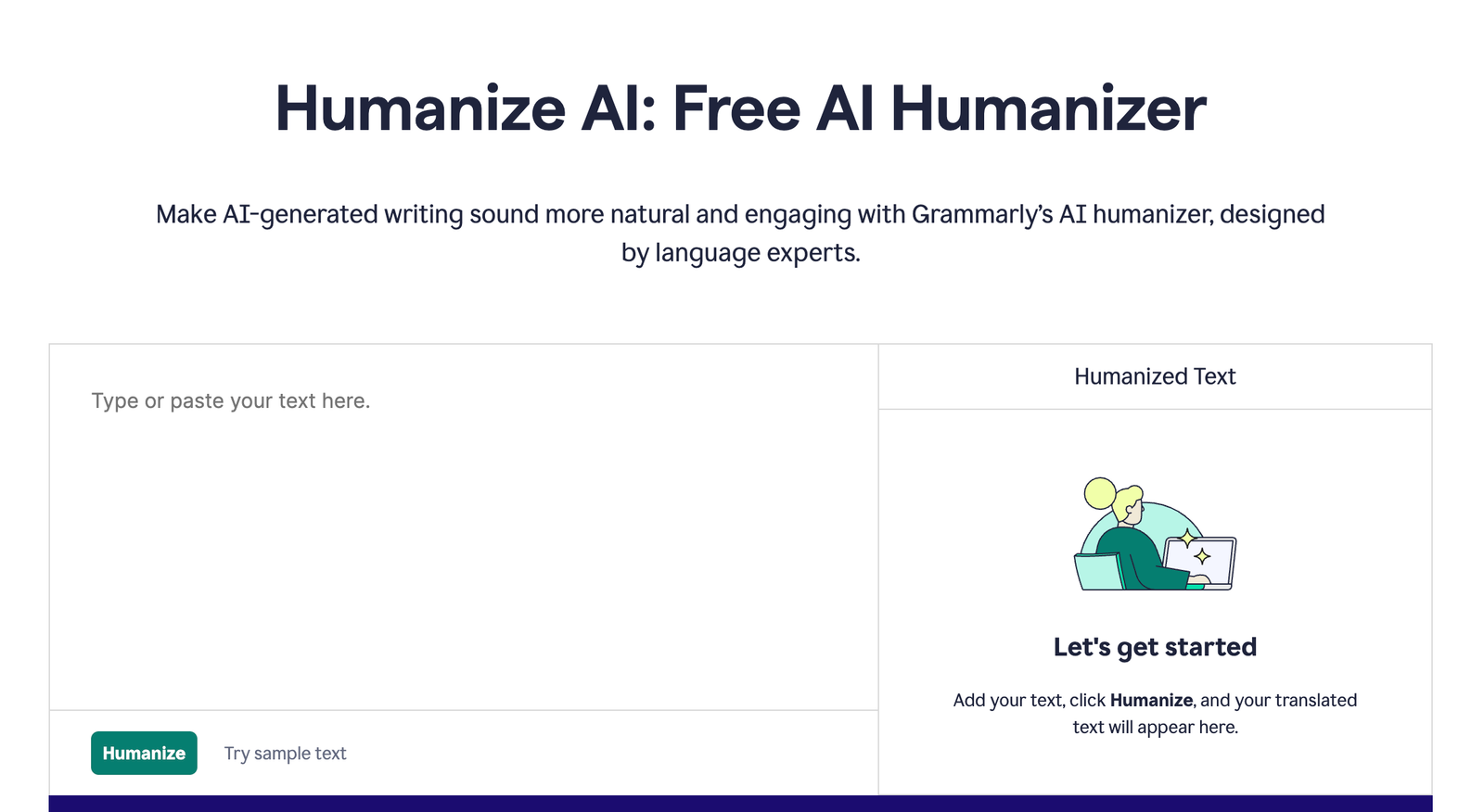
Best use case: Line editing for clarity and consistency across stakeholder-reviewed content.
What it does well: Cleans up phrasing while keeping grammar and readability steady.
Where it falls short: Can flatten distinctive voice if the draft relies on personality and rhythm.
Who should skip it: Writers who want bold stylistic rewrites rather than measured refinement.
Best AI Rewriting Tools for Low-Risk Content Edits #4. Scribbr’s AI Humanizer
Scribbr’s AI Humanizer sits in a more academic lane, which can be useful for low-risk edits that need to sound careful and well-shaped. It tends to favor straightforward clarity and avoids slangy rewrites, so the output often reads like a tidy revision rather than a flashy rewrite. That makes it a good fit for student-facing materials, policies, and research-adjacent writing that needs neutral tone. The caveat is that it may feel a bit restrained for brand marketing copy, since it can steer toward formality even when the draft is meant to be conversational. It also expects the writer to keep an eye on domain terms, because “simplifying” can sometimes soften specificity. Basically, it is a steady tool for safe edits, as long as the target voice is not too stylized. It is the sort of choice that prioritizes low drama over novelty.
Best use case: Academic or policy-style edits that need clear, neutral phrasing.
What it does well: Produces clean revisions that read like careful human editing.
Where it falls short: Can skew formal, which may not match brand-forward or playful voice.
Who should skip it: Teams writing punchy marketing copy that depends on distinct tone.
Best AI Rewriting Tools for Low-Risk Content Edits #5. Writesonic AI Humanizer
Writesonic’s AI Humanizer is useful when the draft is mostly fine, but the sentences feel a little stiff or over-optimized. It tends to add a bit of softness and variation, which can make a paragraph read more naturally without changing the point. That said, low-risk editing is sensitive to micro-choices, and this tool can sometimes introduce slightly more movement than expected across a longer section. The tradeoff is manageable if the editor is willing to pick the best phrasing and keep the rest unchanged. It also works better when the input is already coherent, because it does not always fix underlying logic the way a human editor would. Honestly, it is a practical “smooth and settle” option rather than a deep rewrite system. Exactly because it is fast, it fits a workflow that expects a final human pass. If the team wants a single-click final draft, it may feel inconsistent.
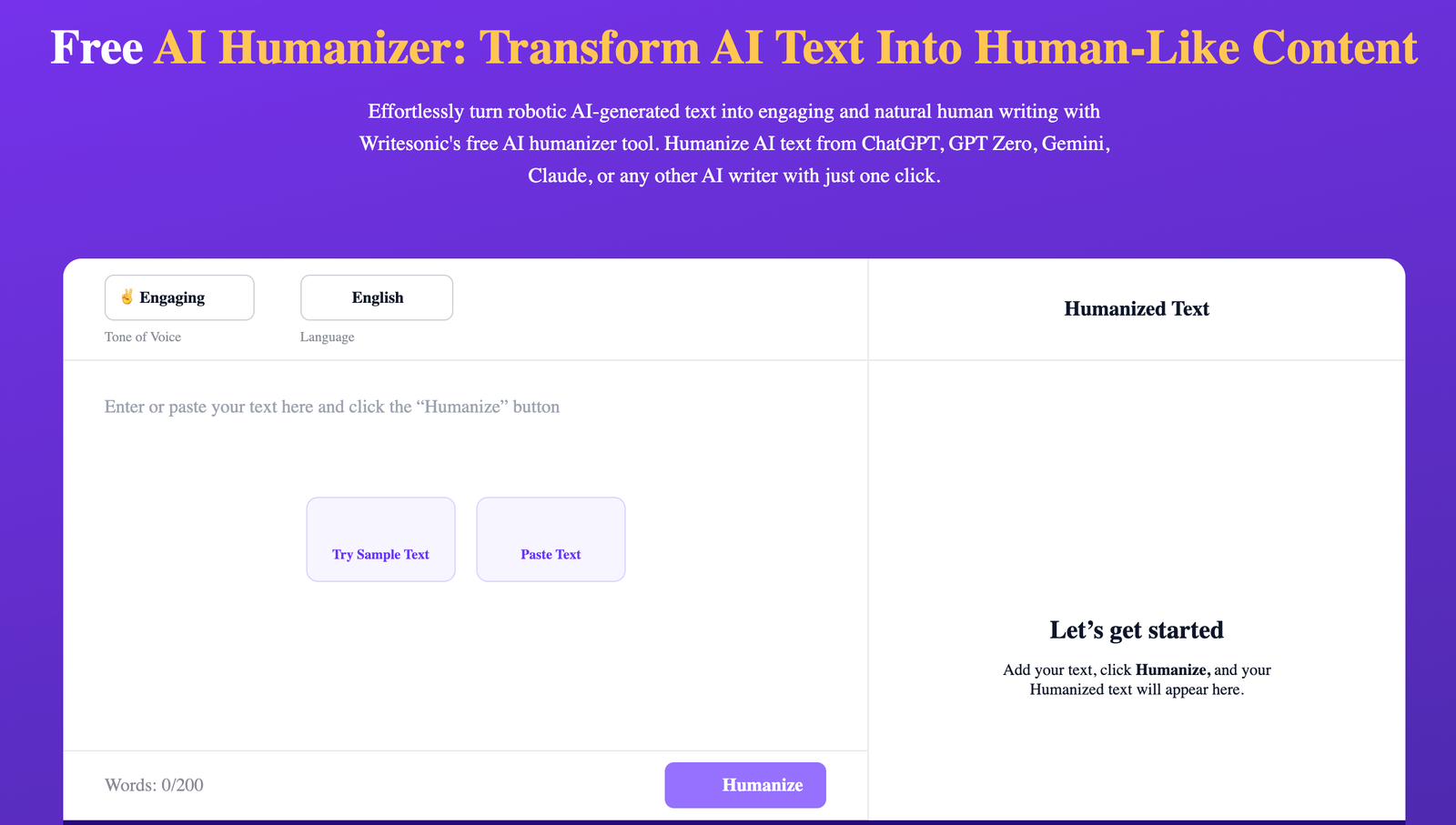
Best use case: Softening robotic phrasing in marketing and product copy that must stay accurate.
What it does well: Adds natural variation without pushing into heavy paraphrase territory.
Where it falls short: Longer passages can end up with uneven cadence if left unchecked.
Who should skip it: Editors who need strict sentence-by-sentence control with minimal variation.
Best AI Rewriting Tools for Low-Risk Content Edits #6. Uncheck AI
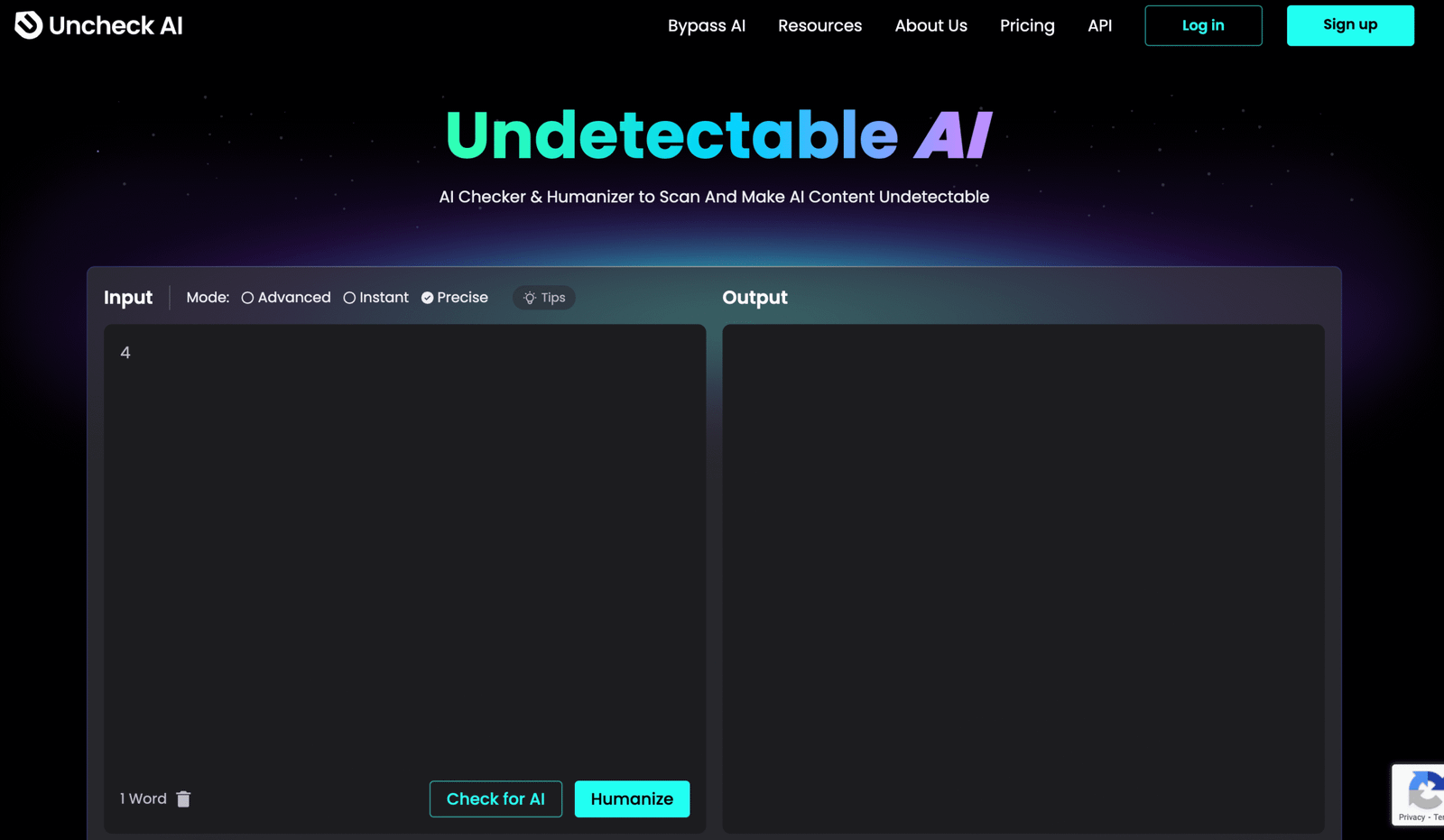
Uncheck AI is oriented around detection-aware rewriting, which makes it appealing for low-risk edits that still need to read convincingly human. It often pushes text away from repeated patterns and overly uniform sentence shapes, which is a common reason drafts feel machine-made. The caveat is that any tool that targets detection signals can drift into edits that feel slightly too “engineered,” especially if it is allowed to rewrite large sections without supervision. That is not always a problem, but it means the editor should check that meaning did not shift in small, quiet ways. It also may not be the best fit for brand voice work, because it prioritizes signal reduction over stylistic intent. Basically, it can be helpful for safety, but it is not the same as careful editorial polish. Exactly because it is detection-minded, it benefits from a conservative setting and a short feedback loop. Low-risk edits still need to feel like the same author.
Best use case: Reducing obvious AI patterns in drafts that must stay close to original claims.
What it does well: Breaks up repetitive structures and smooths sentence uniformity.
Where it falls short: Detection-driven rewrites can feel slightly overworked without editor control.
Who should skip it: Teams focused on brand voice nuance rather than detector-oriented edits.
Best AI Rewriting Tools for Low-Risk Content Edits #7. Clever AI Humanizer
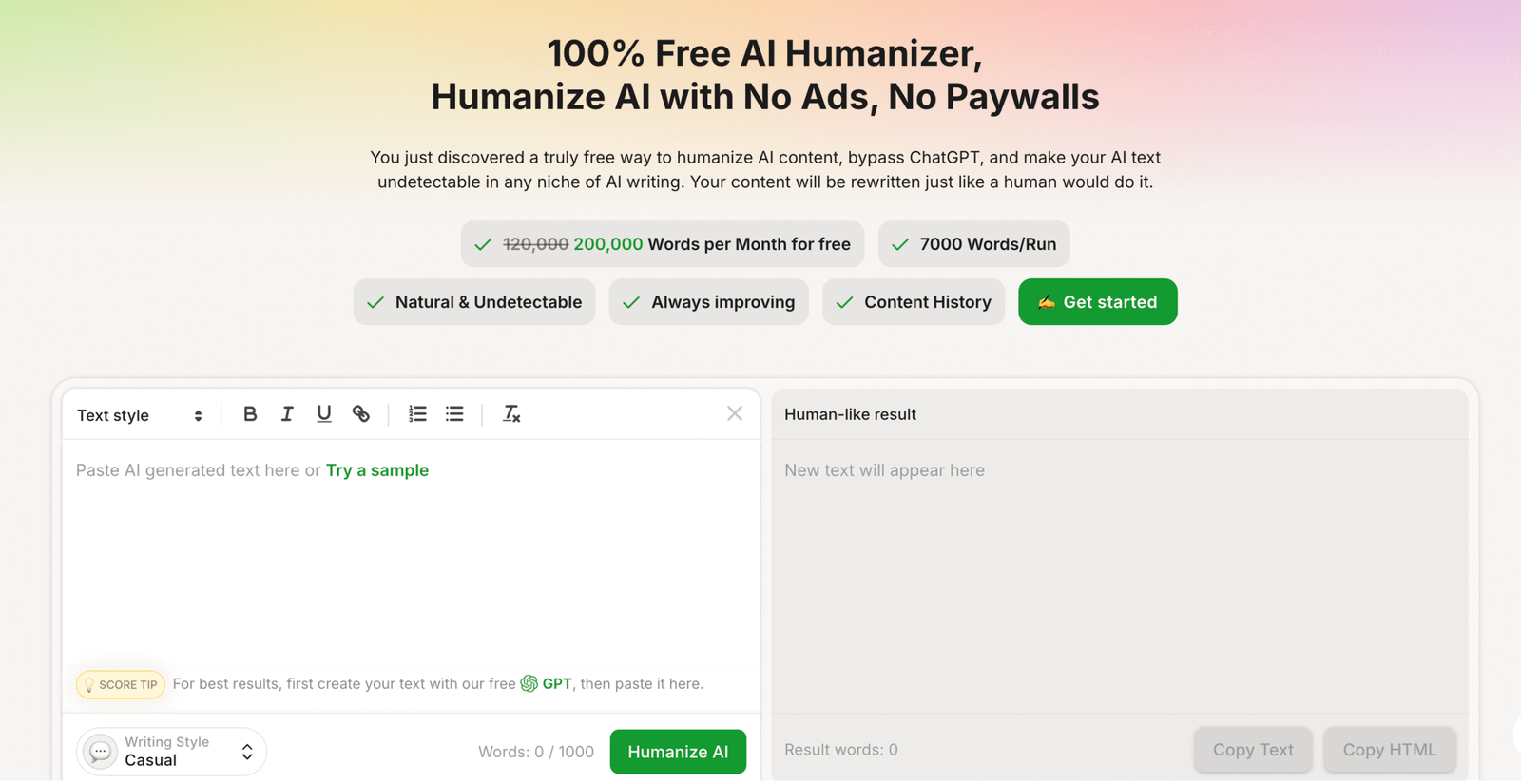
Clever AI Humanizer is a straightforward option for making AI drafts read less rigid, which can suit low-risk editing when the content is already correct. It generally focuses on readability and flow, so the edits often land in the “cleaner sentence” category rather than the “new paragraph” category. That predictability is useful, because low-risk work rarely needs dramatic change. The tradeoff is that it may feel limited when a section needs a more deliberate editorial hand, since it tends to apply general smoothing rather than context-specific decisions. It also asks the editor to watch for occasional phrasing that feels a bit generic, which can happen when tools aim for broad compatibility. Honestly, it works best as a pass that removes stiffness before a human does the final voice check. Sort of like a pre-edit, it takes the edge off, but it does not finish the job alone. If the team has strict style rules, it needs a careful review.
Best use case: Light readability edits on drafts that are accurate but sound stiff.
What it does well: Produces smoother sentences that remain easy to scan and approve.
Where it falls short: Less dependable for nuanced voice, terminology discipline, or complex structure.
Who should skip it: Writers needing high-control edits aligned to strict brand or legal style guides.
Best AI Rewriting Tools for Low-Risk Content Edits #8. GPTInf
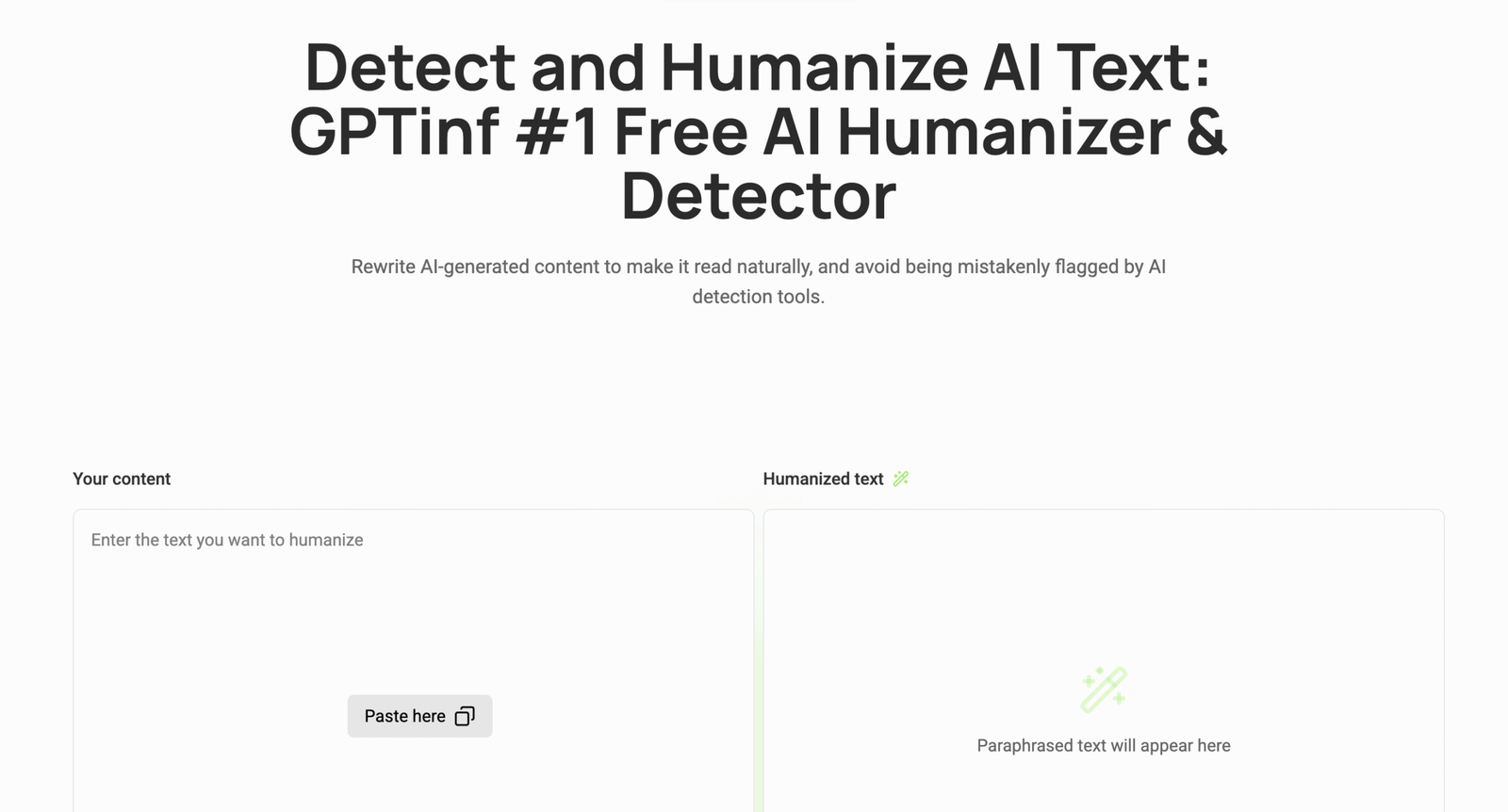
GPTInf tends to be chosen for “make this feel less generated” edits, and it can work well when the goal is minimal disruption. It often nudges phrasing toward more natural rhythm, which helps when sentences look too evenly constructed or overly tidy. The caveat is that rhythm fixes can come with small meaning changes if the editor is not watching closely, especially around qualifiers and numeric claims. It also may encourage a slightly different voice from paragraph to paragraph if the input is inconsistent, which can be a quiet risk in low-risk workflows. Basically, it is useful when the text is almost there and needs a subtle lift in human texture, not a rewrite that rethinks the point. Exactly because it aims at human-like flow, it rewards short inputs and quick review cycles. It is less comfortable as a bulk-processing machine. If accuracy is the priority, the editor has to stay in charge.
Best use case: Subtle rewrites that improve cadence without restructuring the document.
What it does well: Adds human rhythm and variation that can reduce uniform AI tone.
Where it falls short: Small changes around qualifiers can introduce meaning drift if unchecked.
Who should skip it: Teams that need guaranteed precision on regulated or highly technical wording.
Best AI Rewriting Tools for Low-Risk Content Edits #9. EssayDone.ai
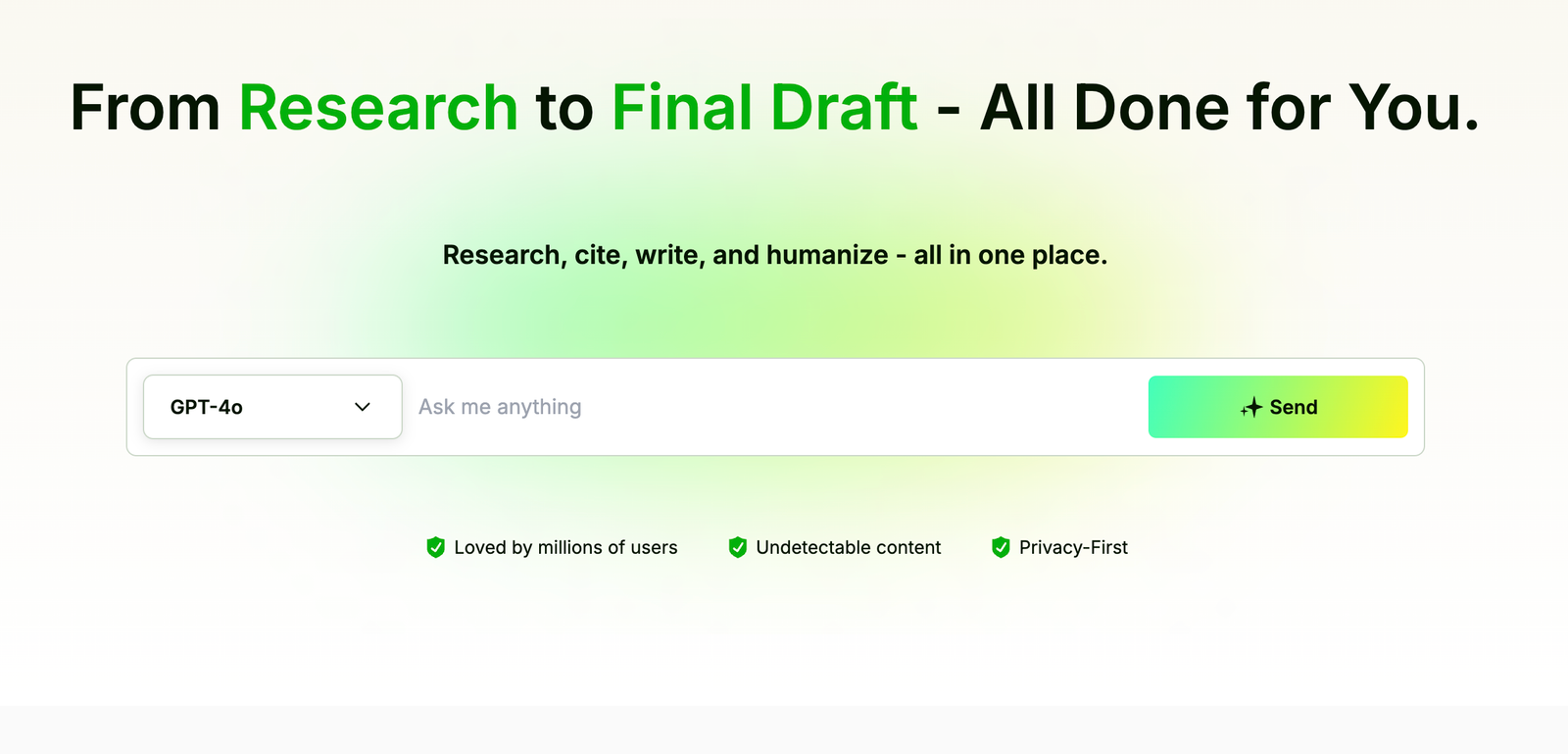
EssayDone.ai sits closer to an academic workflow, which means it often prioritizes readability and “submission-ready” polish. For low-risk edits, that can be helpful, because it tends to keep the argument intact while cleaning sentence friction and awkward transitions. The tradeoff is that academic polish can sometimes feel a bit heavy for brand writing, since it may favor formality and fuller sentences. It also can encourage a more “complete” rewrite than some editors want, which makes it important to limit scope and keep the edits conservative. Honestly, it works best when the text already has a clear structure and just needs smoothing, not when the content is still being debated. Sort of like a standardization pass, it makes things coherent, but it may sand down personality along the way. Exactly because it aims for safe submission, it is a good fit for low-risk academic edits, not playful copy. A final human check is still needed for tone and citations.
Best use case: Academic-style revisions that must stay coherent and conservative in tone.
What it does well: Smooths transitions and cleans phrasing while keeping structure readable.
Where it falls short: Can over-formalize voice and reduce personality in brand writing.
Who should skip it: Marketing teams that need lively cadence and distinctive tone control.
Best AI Rewriting Tools for Low-Risk Content Edits #10. uPass
uPass is aimed at detection-aware rewriting, so it tends to push text away from the patterns that get flagged, even when the draft is otherwise fine. That can make it attractive for low-risk edits that still need a safety layer, especially when the editor is working with AI-assisted drafts that feel too uniform. The caveat is that detector-focused tools sometimes choose changes for “signal reasons” rather than editorial reasons, which can introduce subtle awkwardness. It also means the output should be reviewed for terminology discipline, because swapping a few words can change how precise a statement feels. Basically, it is a tool that can help reduce risk, but it should be treated like a rough pass that still needs editorial judgment. Honestly, the best results come from keeping the input short and rerunning only the lines that look too synthetic. Exactly because the tool is trying to avoid patterns, it can occasionally overcorrect and make sentences longer than necessary. If the goal is pure style, it may not be the right fit. If the goal is conservative human texture, it can be useful.
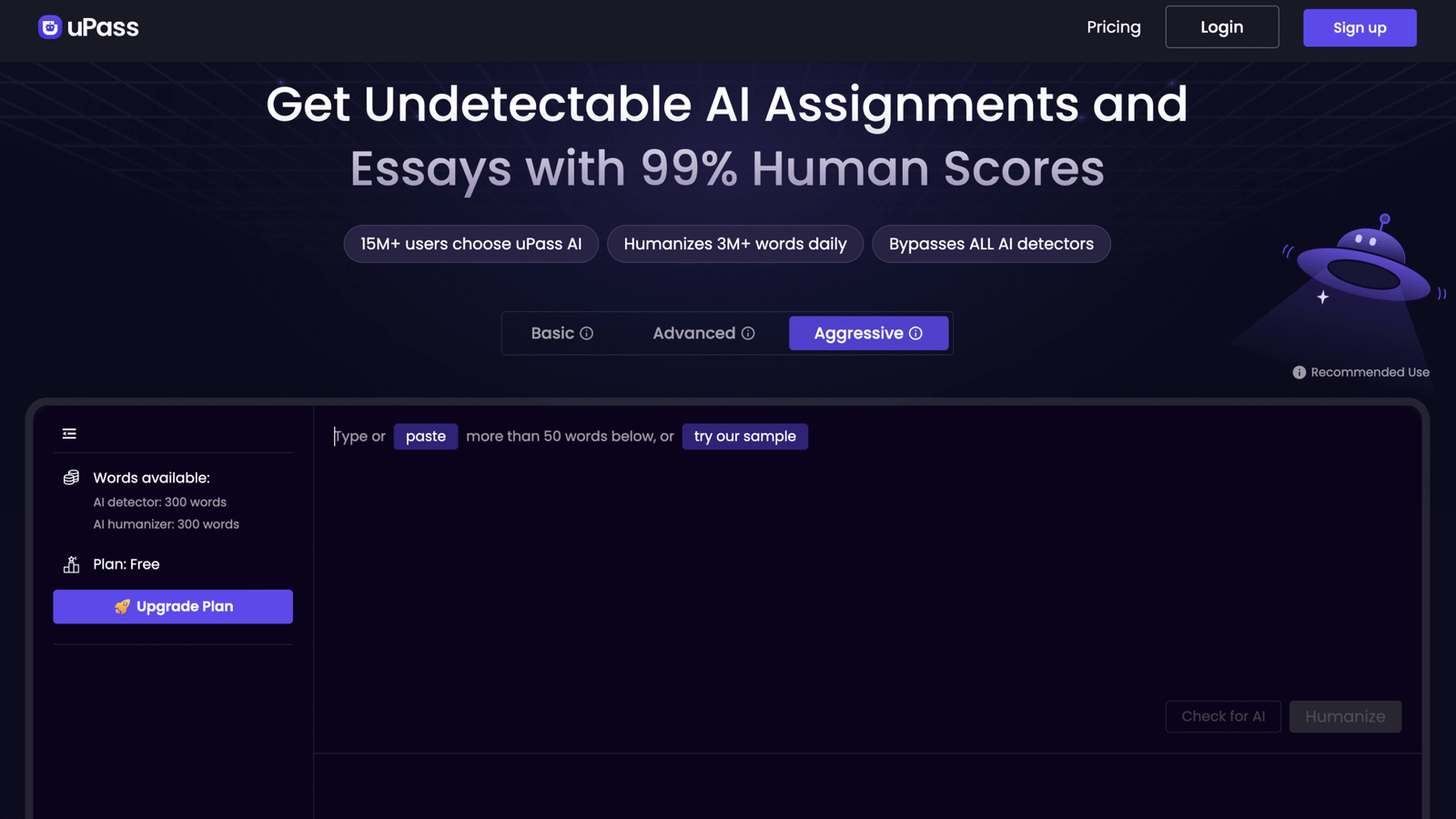
Best use case: Detection-conscious rewrites for drafts that need safer human texture with minimal meaning change.
What it does well: Breaks predictable patterns and reduces uniform AI cadence in short sections.
Where it falls short: Can overcorrect and introduce phrasing that feels engineered rather than edited.
Who should skip it: Anyone seeking pure brand voice refinement rather than detector-oriented adjustments.
Tool Selection Guide for Best AI Rewriting Tools for Low-Risk Content Edits
Light structural polish
WriteBros.ai and Grammarly AI Humanizer are suited to drafts that already have strong structure but need phrasing refinement. They tend to preserve paragraph order and argument flow while reducing stiffness. This works well when stakeholder approval depends on keeping wording close to the original.
Controlled variation
QuillBot AI Humanizer and Writesonic AI Humanizer introduce slightly more visible shifts in cadence. They help break repetition patterns without fully reframing the draft. Careful review ensures terminology and emphasis remain aligned with the original intent.
Detection-focused rewrites
Uncheck AI, GPTInf, and uPass lean into reducing detectable AI patterns. They are appropriate when rhythm uniformity or phrasing predictability is the main concern. Editors should verify that factual nuance and qualifiers remain intact.
Academic or policy copy
Scribbr’s AI Humanizer and EssayDone.ai prioritize clarity and formal tone. They are useful for academic drafts, research summaries, and compliance documents that demand precision. Their outputs generally limit stylistic experimentation.
Marketing content
Writesonic AI Humanizer and Clever AI Humanizer can soften robotic phrasing in brand messaging. They refresh cadence while keeping the message direction consistent. A final editorial pass helps retain distinct brand voice.
Client-facing reports
WriteBros.ai and Grammarly AI Humanizer work well for client deliverables that require measured tone and minimal drift. They refine readability without altering claims or structure. This reduces risk in externally reviewed documents.
Minimal meaning drift
Grammarly AI Humanizer, WriteBros.ai, and Scribbr’s AI Humanizer generally stay closest to original structure. Their outputs focus on clarity rather than novelty. This is helpful in regulated or academically sensitive contexts.
Balanced human texture
GPTInf and QuillBot AI Humanizer add subtle rhythm variation that can reduce uniform AI cadence. They work best when applied in smaller sections. Editors maintain control over tone consistency.
High-speed review cycles
Clever AI Humanizer and Writesonic AI Humanizer are practical for quick turnaround edits. They improve readability and pacing without heavy restructuring. A brief manual review ensures alignment with project standards.
Choosing the Right Level of Risk in AI Rewriting
Low-risk editing is less dramatic than it sounds, which is precisely why it matters. The goal is not to disguise a draft but to steady it, refine it, and remove the signals that feel mechanical without distorting meaning.
The best AI rewriting tools for low-risk content edits tend to reward restraint. They work well when the structure is already sound and the task is to reduce stiffness, repetition, or detection-sensitive phrasing rather than to reinvent the argument.
Tradeoffs are unavoidable, because tools that prioritize safety may sacrifice personality, and tools that emphasize variation may introduce subtle drift. The whole thing comes down to how much change the draft can tolerate before it stops sounding like the original author.
Used carefully, these tools function more like editorial assistants than rewrite engines. In 2026, that distinction is exactly what separates a safe polish from a risky transformation.
Disclaimer: The tools referenced are included for editorial and informational purposes only and are selected based on observable product behavior and relevance rather than sponsorship or paid placement. Screenshots are shown solely for identification, commentary, and illustrative reference in line with standard editorial and fair use practices, and may not reflect the most current version of each product. All trademarks, logos, and interface elements remain the property of their respective owners. For update, correction, or removal requests, please refer to the Editorial Policy.