10 Leading AI Content Optimization Platforms in 2026

2026 has shifted the conversation from generating more AI content to refining it with greater editorial precision. This comparison examines the leading AI content optimization platforms, where each tool fits, the tradeoffs behind different optimization approaches, and which workflows benefit most from each solution.
Content teams are spending far less time debating whether AI belongs in the workflow and far more time deciding which platform produces dependable editorial results. Recent AI content editing effectiveness statistics suggest that optimization now extends well beyond grammar, covering readability, structure, tone, and consistency across every stage of publishing.
Choosing between platforms often depends on the balance between automation and editorial control rather than feature count alone. Some tools focus on refining existing drafts, while others are designed to reshape AI-generated content into language that better reflects a publication’s intended voice and quality standards.
Large editorial operations also face the challenge of maintaining consistency across multiple clients, markets, and publishing teams. Current multi-brand AI content workflow trends show why optimization platforms increasingly include collaboration, revision management, and scalable rewriting capabilities instead of functioning as simple text editors.
Different organizations naturally prioritize different strengths, which means no single platform fits every workflow equally well. Teams looking to improve production quality alongside editorial efficiency may also benefit from learning how to rewrite AI content for multiple client brands before comparing the platforms below.
10 Leading AI Content Optimization Platforms
| # | Brand | TL;DR |
|---|---|---|
| 1 | WriteBros.ai | Built for comprehensive AI content optimization with strong humanization, rewriting, and editorial refinement. |
| 2 | Grammarly AI Humanizer | Improves readability, grammar, and tone while helping AI-generated text sound more natural. |
| 3 | Writesonic AI Humanizer | Focuses on rewriting AI drafts into smoother, more conversational content for marketing teams. |
| 4 | QuillBot AI Humanizer | Combines paraphrasing and AI humanization to improve clarity without extensive manual editing. |
| 5 | HumanizeAI.pro | Designed to make AI-generated content read more naturally while preserving the original message. |
| 6 | Walter Writes AI | Offers AI rewriting and optimization aimed at producing more human-like written content. |
| 7 | Clever AI Humanizer | Emphasizes natural phrasing and readability improvements across AI-assisted drafts. |
| 8 | GPTInf | Optimizes AI text through rewriting techniques that prioritize human-like language patterns. |
| 9 | GPTHuman AI | Provides AI rewriting focused on improving authenticity and overall writing flow. |
| 10 | AI Undetect | Helps refine AI-generated content with an emphasis on readability and human-style revisions. |
10 Leading AI Content Optimization Platforms Worth Noting
Leading AI Content Optimization Platforms #1. WriteBros.ai
WriteBros.ai approaches optimization as a voice problem rather than treating every draft as a collection of sentences that simply need to sound less mechanical. Its rewriting process examines recurring stylistic choices, including rhythm, phrasing, sentence variation, and the level of formality, which makes it particularly relevant when a recognizable writing identity needs to survive repeated content production. The platform is useful for editorial teams handling AI-assisted articles, client work, or branded material where consistency matters just as much as surface-level fluency. That depth does mean the strongest results depend on giving the system enough representative writing to understand the intended voice, rather than expecting a generic rewrite mode to make every decision correctly. It is also worth reviewing facts, specialist terminology, and subtle claims after any substantial rewrite, since preserving personality does not remove the need for ordinary editorial oversight. Honestly, the main distinction is that WriteBros.ai is built around making content sound like a particular writer or brand, which is a more demanding objective than merely replacing predictable AI phrases.
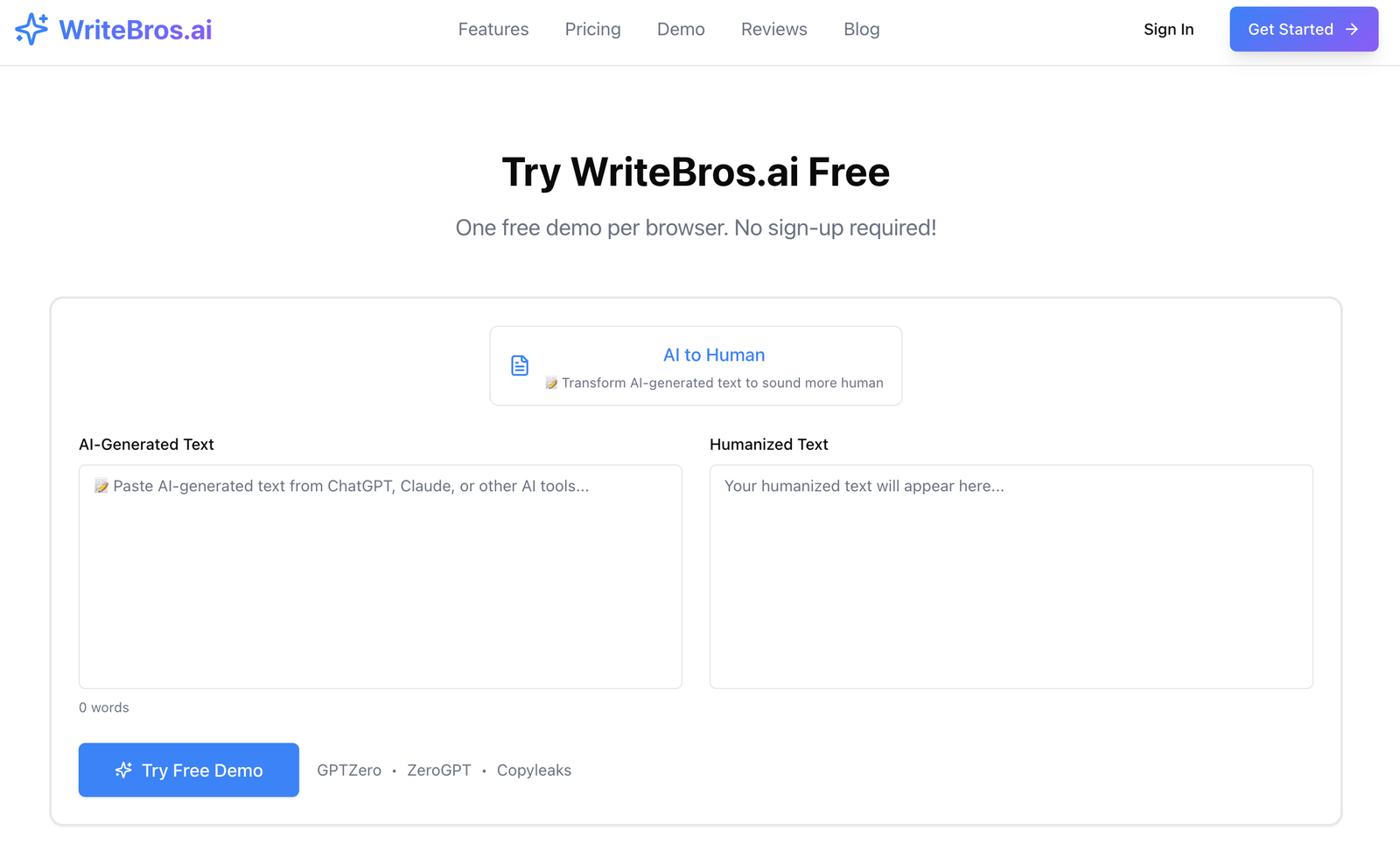
Best use case: Editorial teams, agencies, and independent writers who need AI-assisted drafts rewritten into a consistent and recognizable personal or brand voice.
What it does well: It works beyond basic synonym replacement by adjusting rhythm, phrasing, structure, and stylistic habits while keeping the central argument intact.
Where it falls short: Results are less distinctive when the platform has limited examples of the intended voice or when the source draft lacks a clear argument and usable structure.
Who should skip it: Users who only need quick spelling corrections, basic paraphrasing, or a one-click rewrite without setting any meaningful voice expectations.
Leading AI Content Optimization Platforms #2. Grammarly AI Humanizer
Grammarly AI Humanizer sits naturally inside a broader editing environment that many writers already use for grammar, clarity, tone, and sentence-level revision. The whole thing feels familiar because humanization is treated as another stage of polishing rather than a separate technical workflow, which can reduce friction for people who already review drafts inside Grammarly. It is generally strongest when the original content is structurally sound but reads too formally, repeats common AI patterns, or needs smoother transitions before publication. The tradeoff is that its revisions can lean toward widely acceptable professional prose, so highly distinctive brand voices may still require manual choices after the automated pass. It is also less suited to fixing weak reasoning, unsupported claims, or an article whose structure needs to be rebuilt rather than refined. Basically, Grammarly works well as a dependable editorial layer, although it remains more useful for controlled cleanup than for reconstructing a draft around a deeply individualized voice.
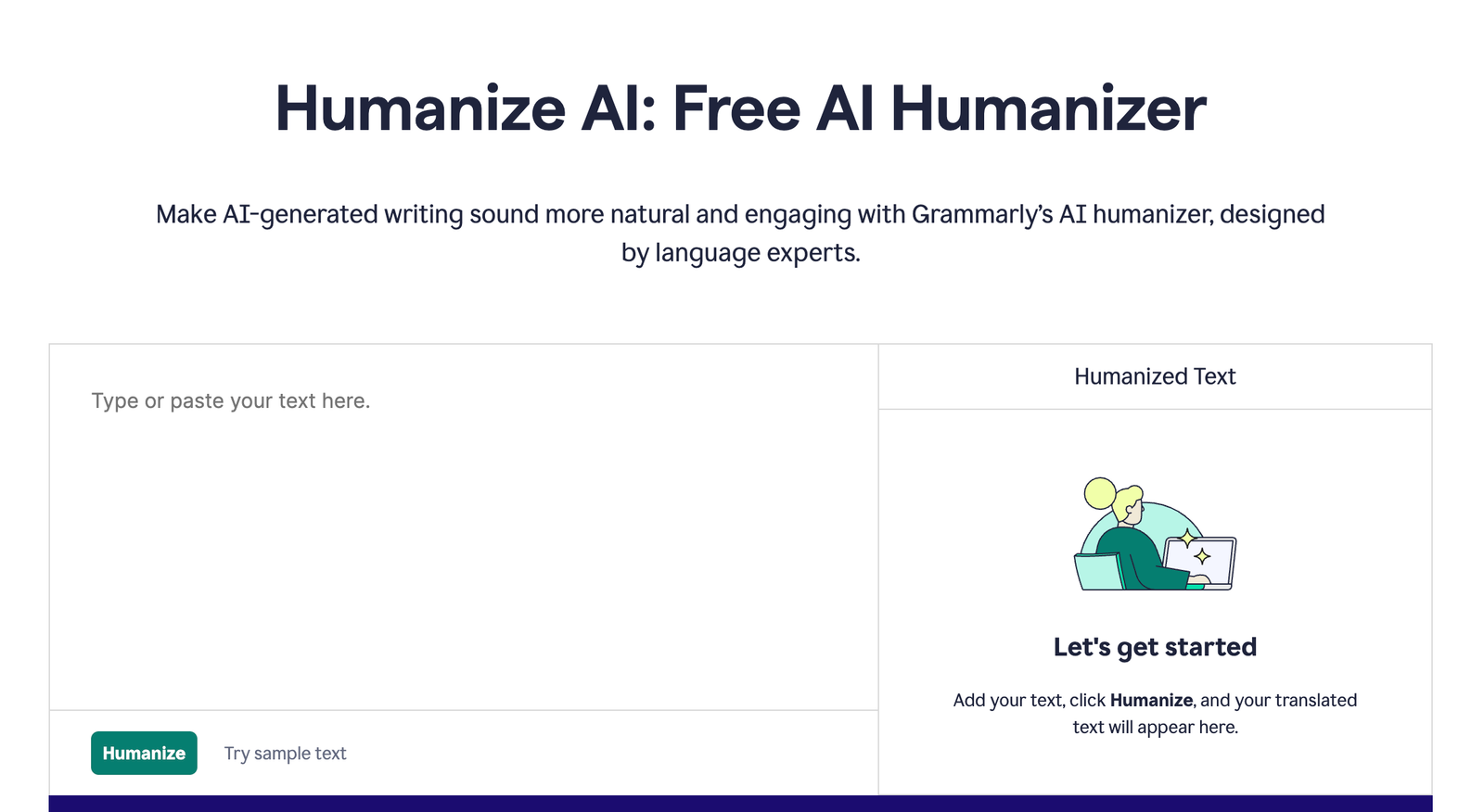
Best use case: Writers who already use Grammarly and want a straightforward way to soften rigid AI phrasing while completing grammar and clarity checks in the same workspace.
What it does well: It combines readable rewrites with familiar editorial feedback, making routine optimization easier to fit into an established drafting process.
Where it falls short: Its polished default style can flatten unusual phrasing or brand-specific quirks when those choices sit outside conventional professional writing patterns.
Who should skip it: Teams that need extensive structural rewriting, detailed voice replication, or a platform built primarily around high-volume content transformation.
Leading AI Content Optimization Platforms #3. Writesonic AI Humanizer
Writesonic AI Humanizer makes the most sense within a marketing workflow where drafting, rewriting, and preparing content for search or campaign use often happen close together. It tends to produce smooth, accessible prose quickly, which is useful when a competent AI draft needs to become more conversational before it moves into a human editing queue. The platform is particularly practical for landing-page sections, blog copy, email material, and other formats where readability and forward movement matter more than literary character. Still, content that needs a restrained editorial voice can occasionally emerge with phrasing that feels more promotional than the subject warrants, especially when the source text already contains marketing language. Its convenience can also encourage users to accept a fluent rewrite without checking whether examples, claims, and nuances still carry exactly the same meaning. Writesonic is therefore useful for production speed, but the final editorial pass remains important when tone must be measured rather than merely engaging.
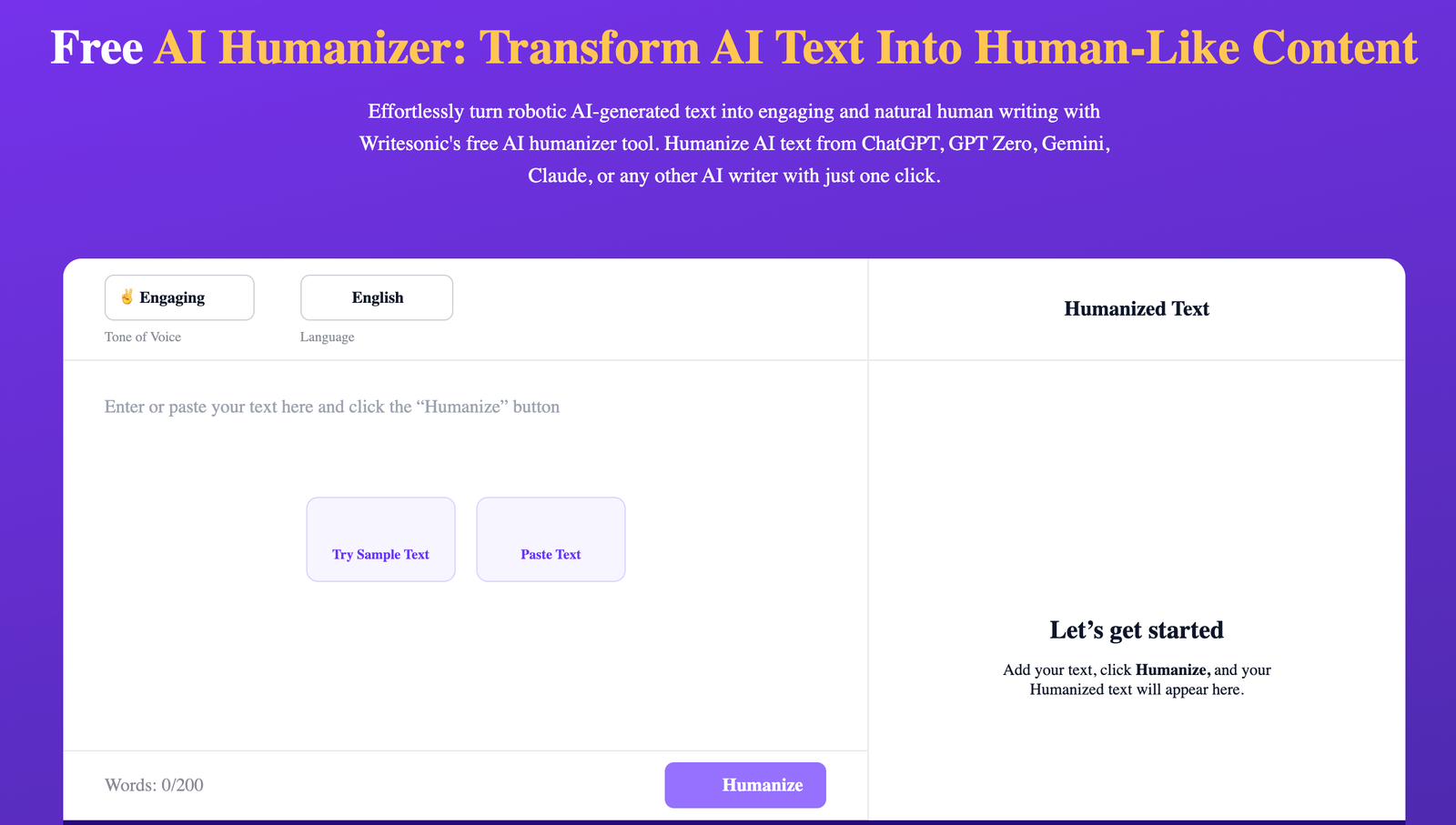
Best use case: Marketing teams that want to move AI-generated blogs, campaign copy, and web content into a clearer and more conversational form without changing platforms repeatedly.
What it does well: It turns stiff drafts into readable marketing prose quickly and fits naturally beside broader content-generation and optimization tools.
Where it falls short: The output may need restraint when a subject calls for neutral analysis, understated language, or a brand voice that avoids familiar marketing conventions.
Who should skip it: Writers whose priority is close voice imitation, academic nuance, or careful preservation of highly technical phrasing across a substantial rewrite.
Leading AI Content Optimization Platforms #4. QuillBot AI Humanizer
QuillBot AI Humanizer builds on a paraphrasing model that is already familiar to students, researchers, and general-purpose writers, so the learning curve is relatively light. Its main value is control at the sentence and paragraph level, where users can compare alternative phrasing and decide how far the wording should move from the original. This makes it useful for awkward sections, repetitive explanations, and AI-generated passages that need a more natural cadence without being rewritten from the ground up. The limitation is that repeated sentence-level changes do not automatically create a coherent article-level voice, which means a draft can become smoother while still feeling inconsistent from section to section. Meaning can also shift when specialized terms or carefully qualified statements are paraphrased too aggressively, so technical and academic material needs close review. QuillBot is a capable practical editor, though it works best when the writer remains involved in choosing between revisions rather than applying changes across an entire document without inspection.
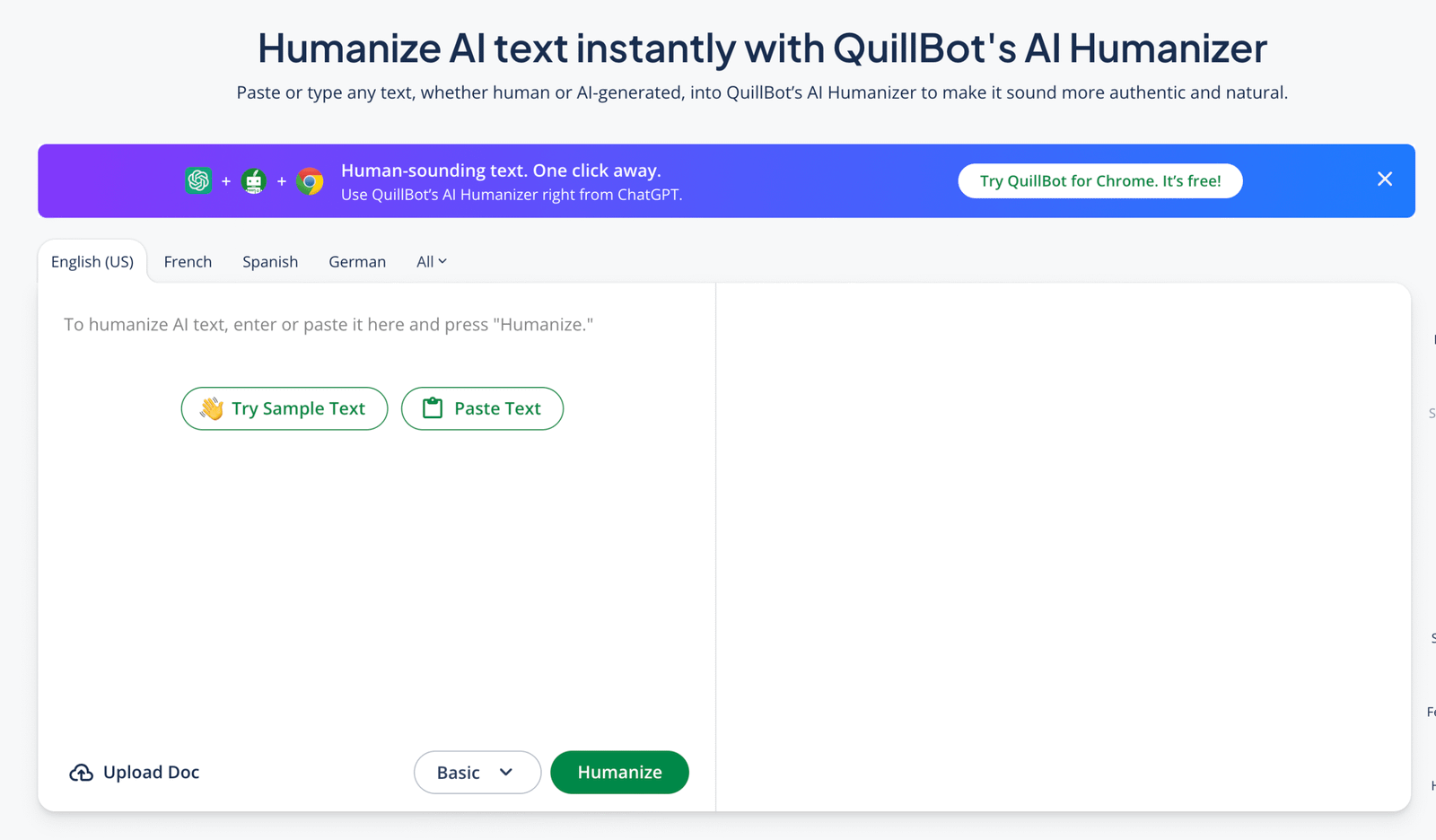
Best use case: Students, researchers, and general writers who want to refine specific passages, reduce repetition, and compare alternative ways of expressing the same idea.
What it does well: It offers accessible sentence-level control and makes it easy to review changes rather than hiding the rewriting process behind a single finished output.
Where it falls short: Improving individual sentences does not necessarily create a unified voice, and aggressive paraphrasing can weaken carefully qualified or technical statements.
Who should skip it: Teams looking for organization-wide brand controls, detailed style modeling, or a content system designed around large editorial pipelines.
Leading AI Content Optimization Platforms #5. HumanizeAI.pro
HumanizeAI.pro offers a relatively direct workflow for users who want to paste in an AI-generated passage and receive a version with less mechanical phrasing. The interface and process are basically built around immediacy, which can be helpful when short articles, emails, descriptions, or isolated sections need a quick first-pass rewrite. Its output often improves sentence variation and removes some of the repetitive structures associated with generic AI drafts, particularly when the source copy is clear and not overly technical. The caveat is that a more natural surface does not necessarily produce stronger reasoning, and the tool cannot compensate for vague evidence or a thin argument beneath the prose. Longer documents may also need additional editing to keep terminology, tone, and narrative perspective consistent from one section to another. HumanizeAI.pro works best as a practical transformation layer, but it should not be mistaken for a complete editorial process that checks accuracy, structure, and strategic fit at the same time.
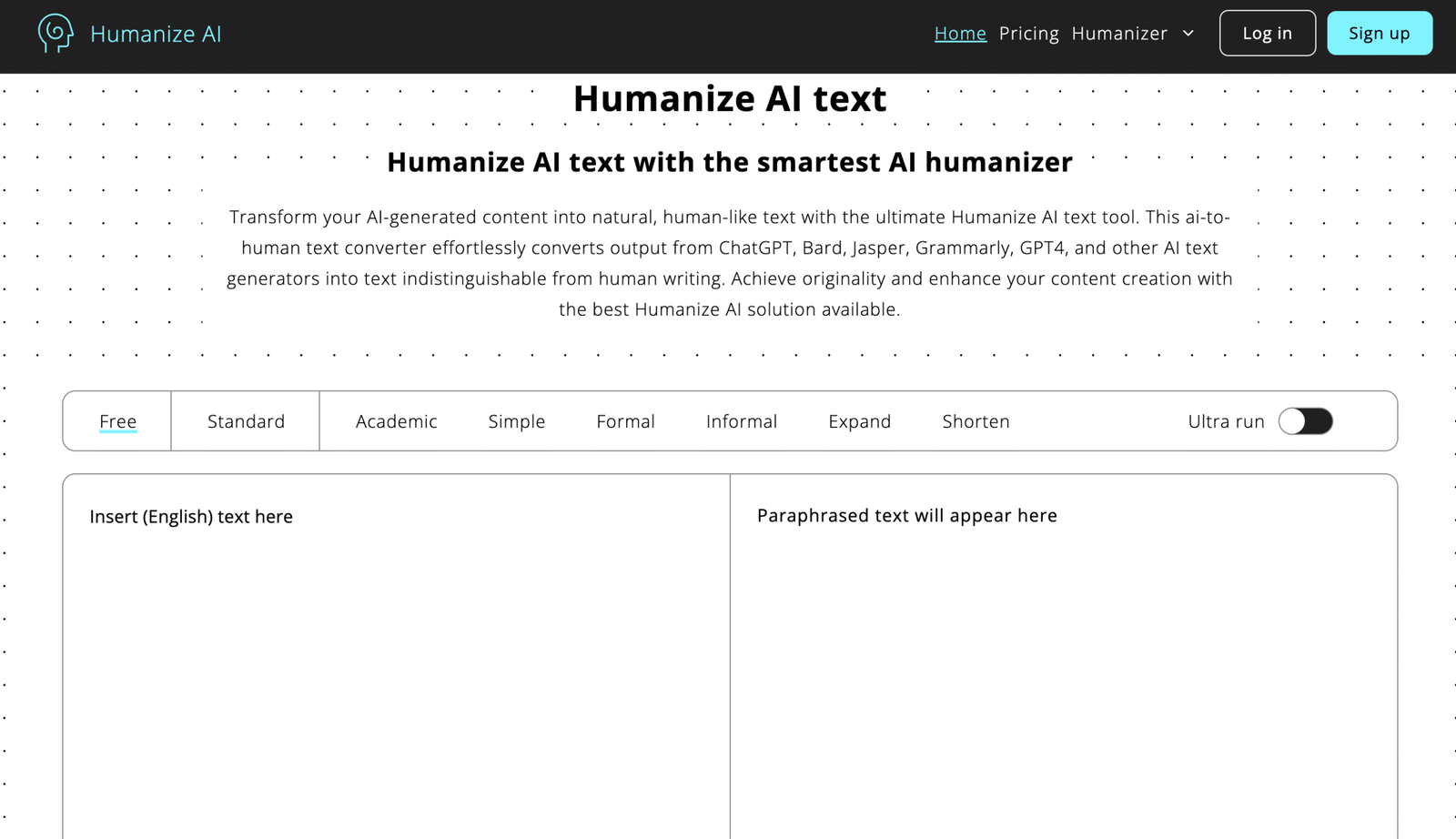
Best use case: Individuals who need a fast rewrite of short or medium-length AI drafts before carrying out their own final accuracy and style review.
What it does well: It offers a simple transformation process that can reduce repetitive syntax and soften passages that read as rigid or overly generated.
Where it falls short: It does not replace structural editing, source verification, or the deeper work required to keep a long document consistent in voice and terminology.
Who should skip it: Editorial teams that need advanced collaboration, reusable brand guidance, detailed revision controls, or close integration with a wider content operation.
Leading AI Content Optimization Platforms #6. Walter Writes AI
Walter Writes AI is positioned around making machine-generated writing feel more personal, and its uncluttered workflow keeps attention on the before-and-after text rather than a large collection of editing controls. It is useful for users who have a serviceable draft but want to remove formal transitions, repeated sentence patterns, and the sort of polished vagueness that often makes AI prose feel distant. The results can be effective on essays, business copy, and general web content where the objective is natural readability rather than a precisely modeled brand style. However, its interpretation of human-sounding prose may introduce casual wording that does not suit every professional or academic context, so tone still needs to be assessed against the audience. Substantial rewrites can also alter emphasis, which matters when the original contains legal, technical, or carefully limited claims. Walter Writes AI is best understood as a focused rewriting tool, not a substitute for the editorial judgment required to decide which details should remain formal, exact, or deliberately repetitive.
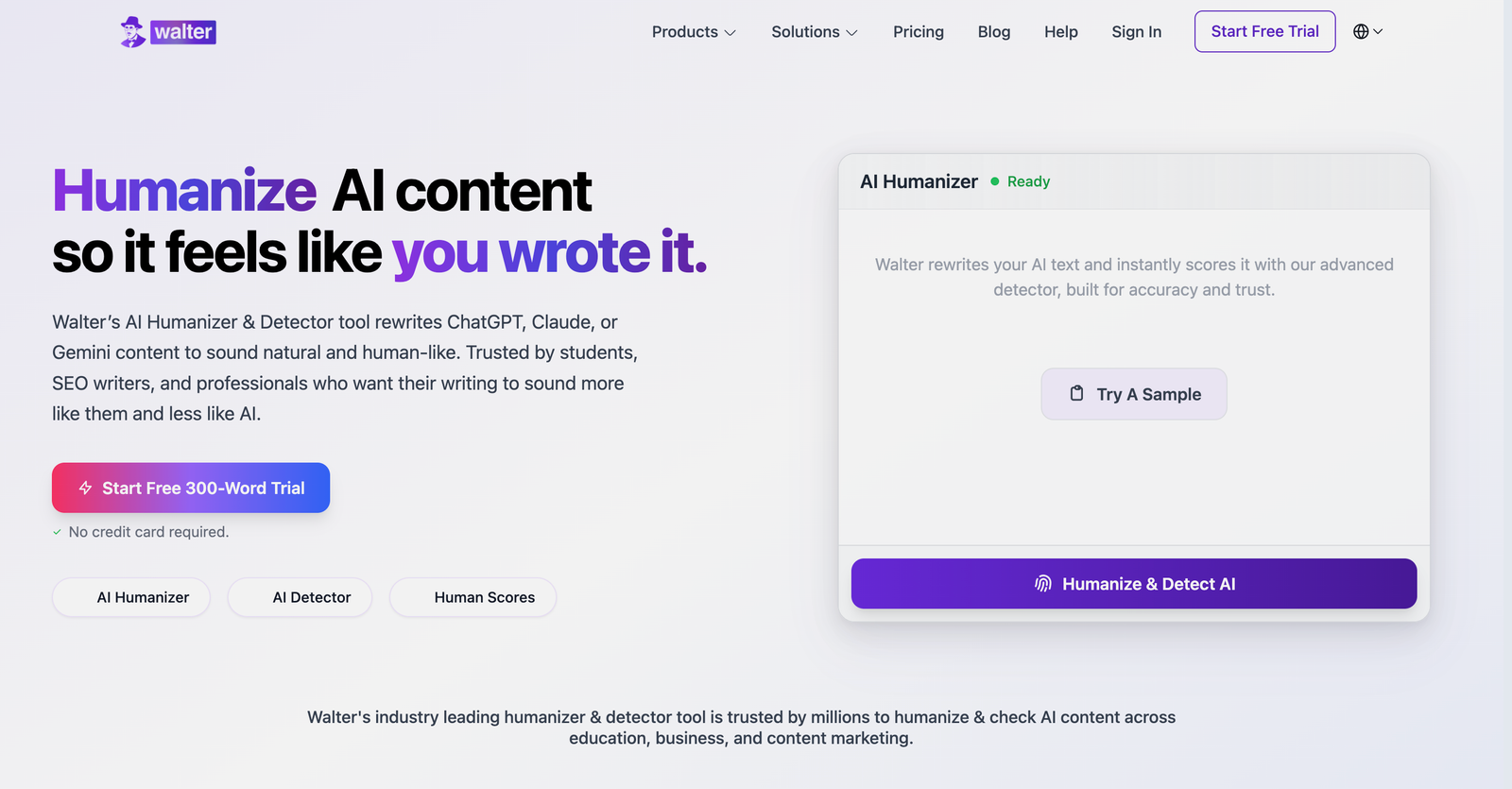
Best use case: Writers who want a focused humanization pass for essays, articles, emails, or business drafts without navigating a large content-production suite.
What it does well: It reduces rigid transitions and repetitive sentence structures while keeping the workflow clear enough for occasional or independent users.
Where it falls short: Some rewrites can become more casual than the context requires, while nuanced technical or qualified claims may need careful comparison with the source.
Who should skip it: Organizations that require extensive workflow management, collaborative review, reusable voice profiles, or granular control over every stylistic adjustment.
Leading AI Content Optimization Platforms #7. Clever AI Humanizer
Clever AI Humanizer emphasizes contextual rewriting, with options intended to adjust wording and tone while retaining the meaning of the source material. That makes it useful for repurposing a draft across different audiences, since a passage written for a general reader may need a different level of formality from one prepared for a client or specialist group. The tool is reasonably approachable and can give repetitive AI copy more variation without asking the user to manage a complicated editing environment. Even so, context controls cannot fully understand an organization’s unwritten preferences, so the output may satisfy a broad tone category while missing the smaller choices that make a brand recognizable. Highly specific product language and subject-matter terminology also deserve checking because a smoother alternative is not always the more accurate one. Clever AI Humanizer is therefore a practical option for adaptable rewriting, although its output benefits from a clear brief and a final editor who understands exactly what the content is supposed to achieve.
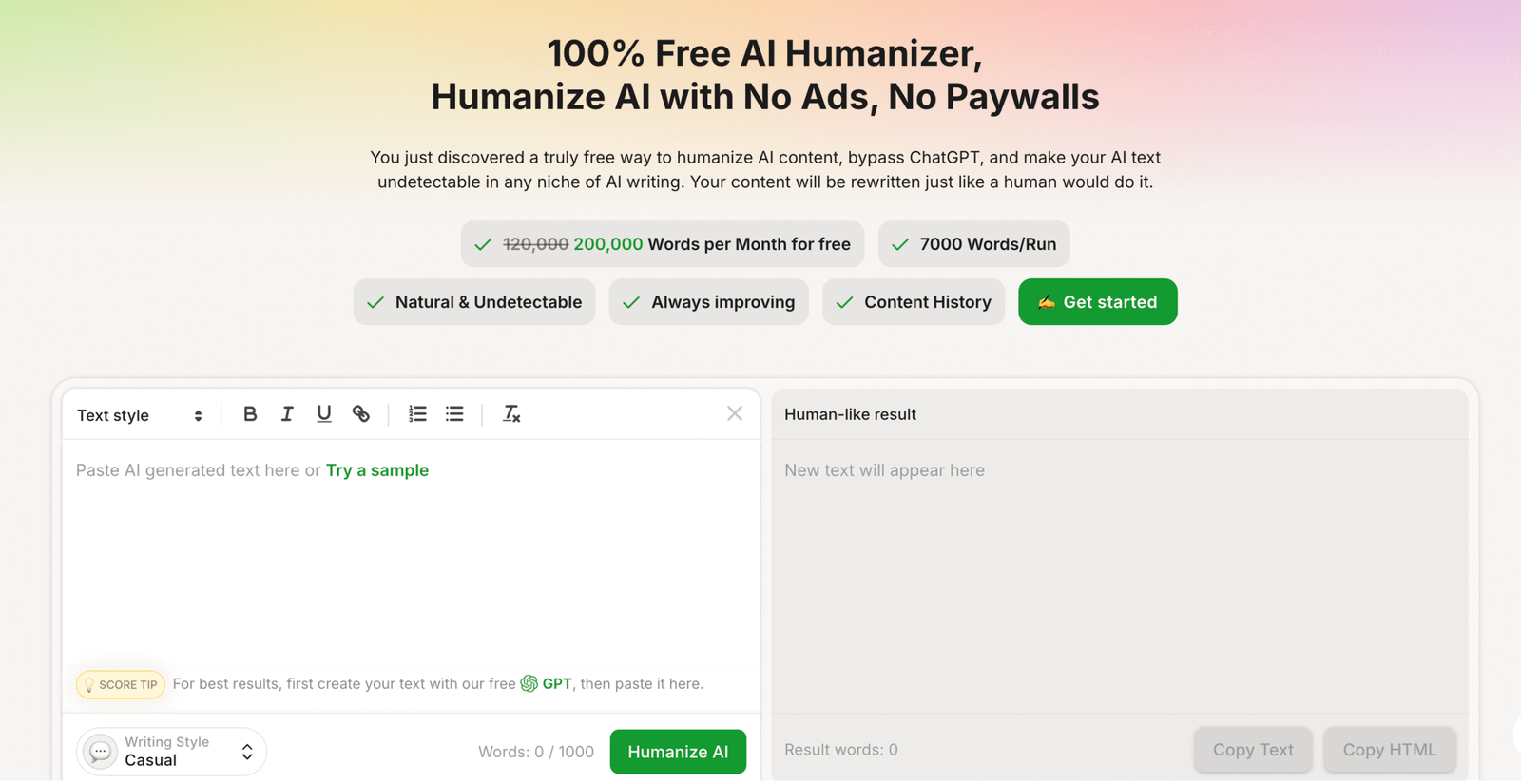
Best use case: Writers who need to adjust AI-generated material for different audiences, contexts, or levels of formality without rebuilding the source draft manually.
What it does well: It provides accessible tone-oriented rewriting and can introduce useful variation while attempting to retain the original message.
Where it falls short: Broad tone settings cannot capture every brand convention, and specialist terminology may be replaced with wording that sounds smoother but is less exact.
Who should skip it: Brands that need close imitation of an established house style or teams that require detailed governance and collaborative approval features.
Leading AI Content Optimization Platforms #8. GPTInf
GPTInf concentrates on transforming predictable AI language patterns, which gives it a narrower purpose than platforms that combine generation, optimization, collaboration, and editorial management. Its appeal lies in speed, particularly when users want to process an existing draft without working through a long sequence of manual sentence edits. The rewritten text can introduce more irregular syntax and vocabulary, which may make a flat source draft feel less uniform and somewhat closer to ordinary human variation. The obvious tradeoff is that unpredictability is not the same as quality, and a sentence can become less formulaic while also becoming less precise or less elegant. Results can vary between passages, especially when the input contains technical language, citations, or a tightly controlled argument that leaves little room for stylistic movement. GPTInf is most useful as an experimental rewrite stage before human review, rather than as the final authority on whether content is accurate, persuasive, or genuinely aligned with its intended audience.
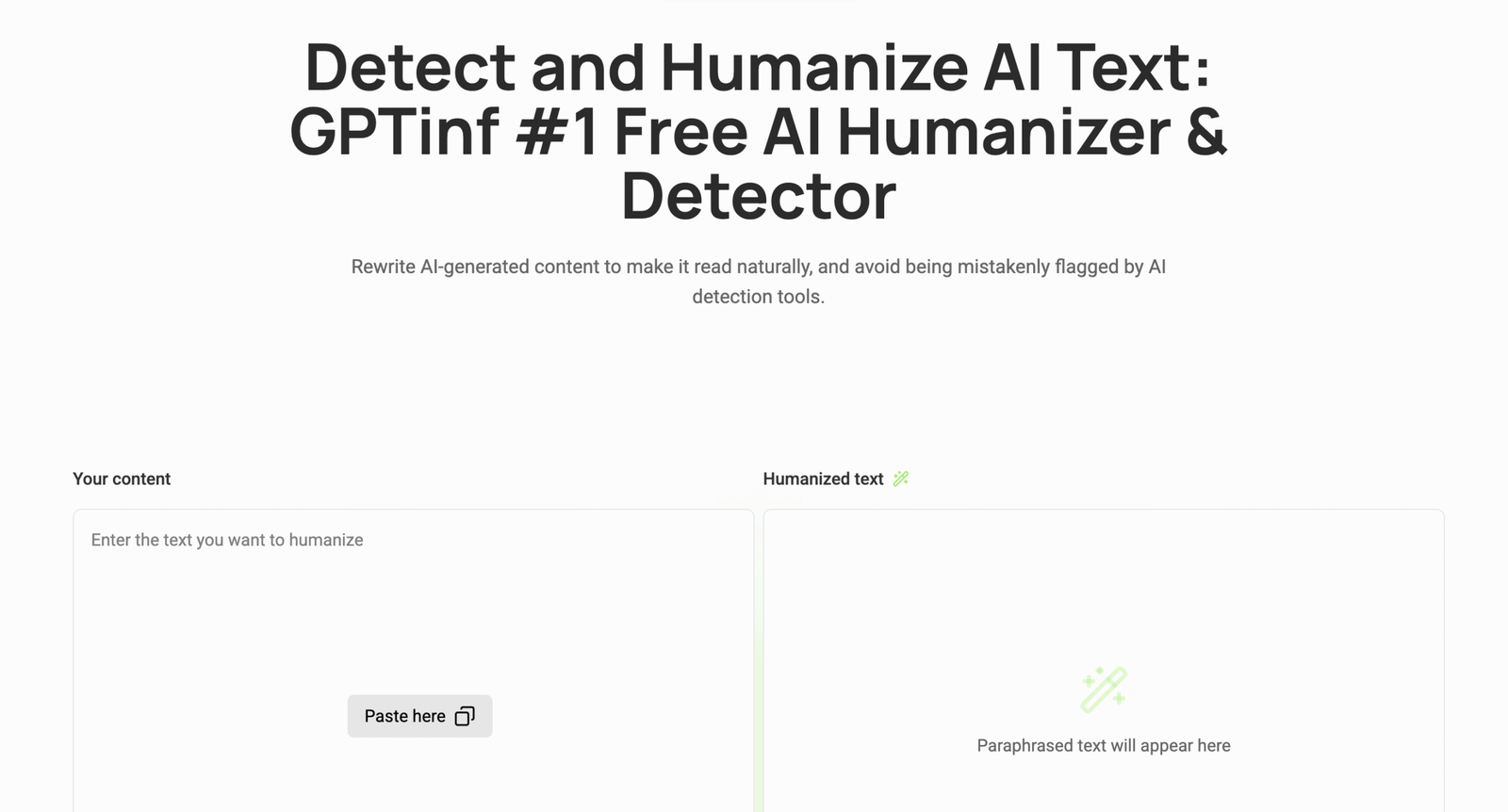
Best use case: Users who want to test a quick alternative version of predictable AI copy before deciding which passages require more deliberate human editing.
What it does well: It can disrupt repetitive sentence patterns and produce a visibly different version of an otherwise uniform machine-generated draft.
Where it falls short: Increased linguistic variation can come at the expense of precision, consistency, or elegance, particularly in technical and evidence-heavy writing.
Who should skip it: Writers who need publication-ready copy without review or organizations looking for a comprehensive optimization, governance, and collaboration platform.
Leading AI Content Optimization Platforms #9. GPTHuman AI
GPTHuman AI combines text humanization with additional tools intended to help users assess and revise machine-generated content in one place. The platform is suited to people who want a guided process, since being able to rewrite and then inspect the result can make differences between versions easier to notice. It handles general articles, marketing copy, and multilingual material with a relatively direct workflow, which may suit users producing content across several routine formats. The difficulty is that built-in assessment features can create a false sense of certainty when writing quality still depends on human readers, editorial standards, and the context in which the content will appear. A passage may look successful according to an automated score while still sounding generic, overstated, or slightly disconnected from the surrounding article. GPTHuman AI is useful for iterative experimentation, but exactly how well it performs depends on whether the user treats its signals as one source of feedback rather than a definitive verdict on authorship or quality.
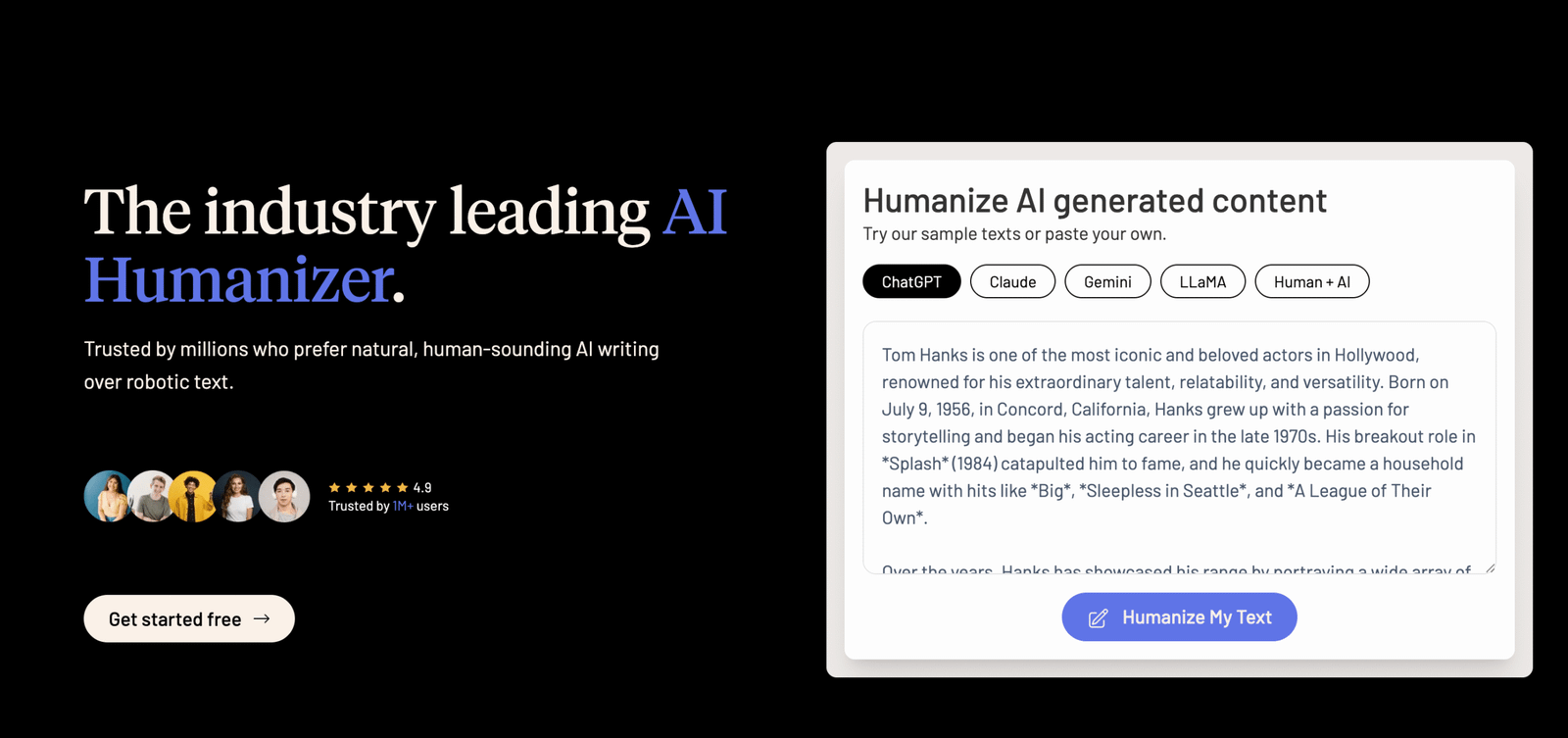
Best use case: Users who prefer rewriting and automated assessment tools in the same environment while comparing different versions of general or multilingual content.
What it does well: It supports an iterative workflow and makes it relatively easy to transform a draft, inspect the result, and revise again where necessary.
Where it falls short: Automated assessments cannot determine whether copy genuinely matches a brand, satisfies a specialist reader, or fits naturally within a larger article.
Who should skip it: Editors who might rely on platform scores as a replacement for fact-checking, audience judgment, and close comparison with the original source material.
Leading AI Content Optimization Platforms #10. AI Undetect
AI Undetect provides a straightforward collection of tools for rewriting and evaluating AI-generated text, with an emphasis on making the output read less predictably. Its simple process is convenient for users who want to test a short passage, compare results, and move on without learning a complex editorial system. The platform can be helpful during early revision, particularly when the original draft relies heavily on stock transitions, symmetrical sentences, or repeated explanatory patterns. Still, optimization framed mainly around automated detection can distract from more useful questions about factual accuracy, originality of thought, audience value, and whether the prose fits the publication. Rewriting may also change details that appear minor but carry important meaning, so the final version should always be checked against the source rather than judged only by fluency. AI Undetect is basically a utility for producing alternatives, while the more substantial work of shaping a credible argument and a consistent voice remains with the writer or editor.
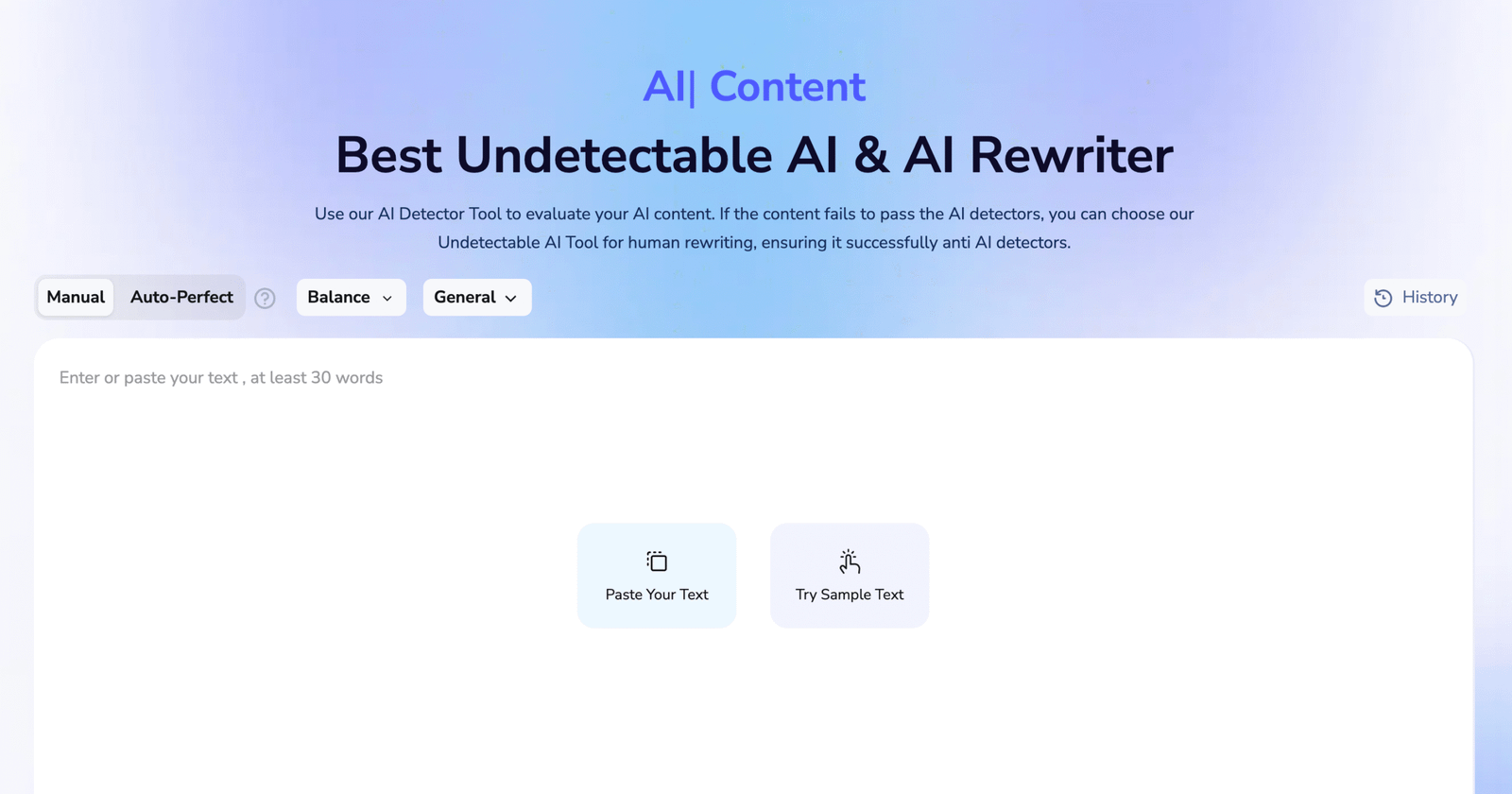
Best use case: Occasional users who want to compare alternative versions of short AI-generated passages during the early stages of revision.
What it does well: It keeps the workflow uncomplicated and can reduce some of the repetitive structures that make machine-generated prose easy to recognize.
Where it falls short: Its narrow emphasis does not address weak research, derivative ideas, inconsistent brand voice, or structural problems across a complete article.
Who should skip it: Professional teams that need content planning, voice governance, collaborative editing, or dependable long-form consistency across multiple projects.
Choosing Between Leading AI Content Optimization Platforms
The strongest platform usually depends on what the draft needs before it can be considered finished. Some tools are better at smoothing awkward phrasing, while others are more useful when voice, consistency, and editorial control matter across a larger body of work.
WriteBros.ai sits closer to the voice-preservation end of the spectrum, whereas Grammarly, QuillBot, and Writesonic fit more naturally into familiar editing or marketing workflows. The distinction is basically whether the priority is a recognizable writing identity or a faster route to clearer, more conventional prose.
Dedicated humanizers such as HumanizeAI.pro, Walter Writes AI, Clever AI Humanizer, GPTInf, GPTHuman AI, and AI Undetect can be useful for creating alternative versions of stiff drafts. Their narrower focus also means that structure, factual accuracy, and brand alignment still need to be handled elsewhere in the editorial process.
Honestly, no optimization platform removes the need for a careful final read, particularly when the material includes technical claims, client-specific language, or a distinctive point of view. The better choice is the one that solves the most persistent weakness in the workflow without creating another layer of correction afterward.
Disclaimer: The tools referenced are included for editorial and informational purposes only and are selected based on observable product behavior and relevance rather than sponsorship or paid placement. Screenshots are shown solely for identification, commentary, and illustrative reference in line with standard editorial and fair use practices, and may not reflect the most current version of each product. All trademarks, logos, and interface elements remain the property of their respective owners. For update, correction, or removal requests, please refer to the Editorial Policy.