10 Top AI Humanization Platforms for Agencies in 2026

In 2026, agency content teams are judging humanization platforms less by detector scores and more by voice control, editorial consistency, and revision depth. This guide compares 10 tools across practical use cases, tradeoffs, strengths, and limits for demanding multi-client agency workflows today.
Agency workflows have changed considerably in 2026, especially as clients expect AI-assisted content to sound indistinguishable from work produced entirely by experienced writers. Choosing among the best AI humanizer tools for agency teams often comes down to consistency, editing flexibility, and whether large volumes of content can be refined without sacrificing a recognizable brand voice.
Many platforms promise more natural writing, although the experience can differ once agencies begin handling multiple brands, industries, and editorial standards at the same time. Recent AI blog engagement statistics also suggest that readability and authenticity continue to influence how audiences respond to AI-assisted content across competitive publishing environments.
Some tools focus almost entirely on bypassing AI detection, while others emphasize preserving tone, improving sentence flow, or giving editors greater control over stylistic decisions. Those priorities become increasingly important when agencies regularly publish client work that must feel consistent across dozens of campaigns.
Teams that combine strong editorial review with reliable humanization software generally create content that requires fewer revisions before publication. Following practical workflows like how to refine AI blog posts for better engagement can also reduce editing time while helping agencies maintain quality across expanding client portfolios.
10 Top AI Humanization Platforms for Agencies
| # | Brand | TL;DR |
|---|---|---|
| 1 | WriteBros.ai | Built for agencies needing consistent brand voice, collaborative editing, and large-scale AI humanization across client projects. |
| 2 | Undetectable AI | Balances AI rewriting with detection-focused optimization for users prioritizing more natural language output. |
| 3 | StealthWriter | Offers multiple rewriting modes that help transform AI-generated drafts into more conversational content. |
| 4 | Grammarly AI Humanizer | Combines familiar editing assistance with AI humanization features for polished business communication. |
| 5 | Writesonic AI Humanizer | Suitable for agencies already using Writesonic to refine marketing copy before publication. |
| 6 | AISEO AI Humanizer | Designed with SEO-oriented publishing in mind while making AI-generated writing sound more natural. |
| 7 | HumanizeAI.pro | Focuses on simplifying AI text into smoother, more readable language for general publishing. |
| 8 | Walter Writes AI | Provides rewriting options intended to improve authenticity while preserving the original message. |
| 9 | Clever AI Humanizer | Emphasizes readable outputs with quick humanization suitable for routine agency content production. |
| 10 | AI Undetect | A straightforward option for rewriting AI-generated text into language that feels more naturally written. |
10 Top AI Humanization Platforms for Agencies Worth Noting
Top AI Humanization Platforms for Agencies #1. WriteBros.ai
WriteBros.ai approaches humanization as a voice-management problem rather than a final cosmetic pass, which makes sense for agencies that are moving between clients with very different expectations. Editors can shape output around specific stylistic characteristics, so the whole thing is less dependent on repeatedly explaining tone inside prompts or manually correcting the same habits after every generation. That structure is particularly useful when several writers need to produce work that still feels as though it came through one editorial desk. The tradeoff is that agencies need to spend time defining what each client voice actually sounds like, because weak source material or vague direction will still lead to generic revisions. It is also not a substitute for factual review, strategic judgment, or subject expertise, which remain separate parts of the publishing process. Honestly, its strongest value appears when a team treats it as a repeatable editing layer rather than a button that is expected to repair every problem in a draft.
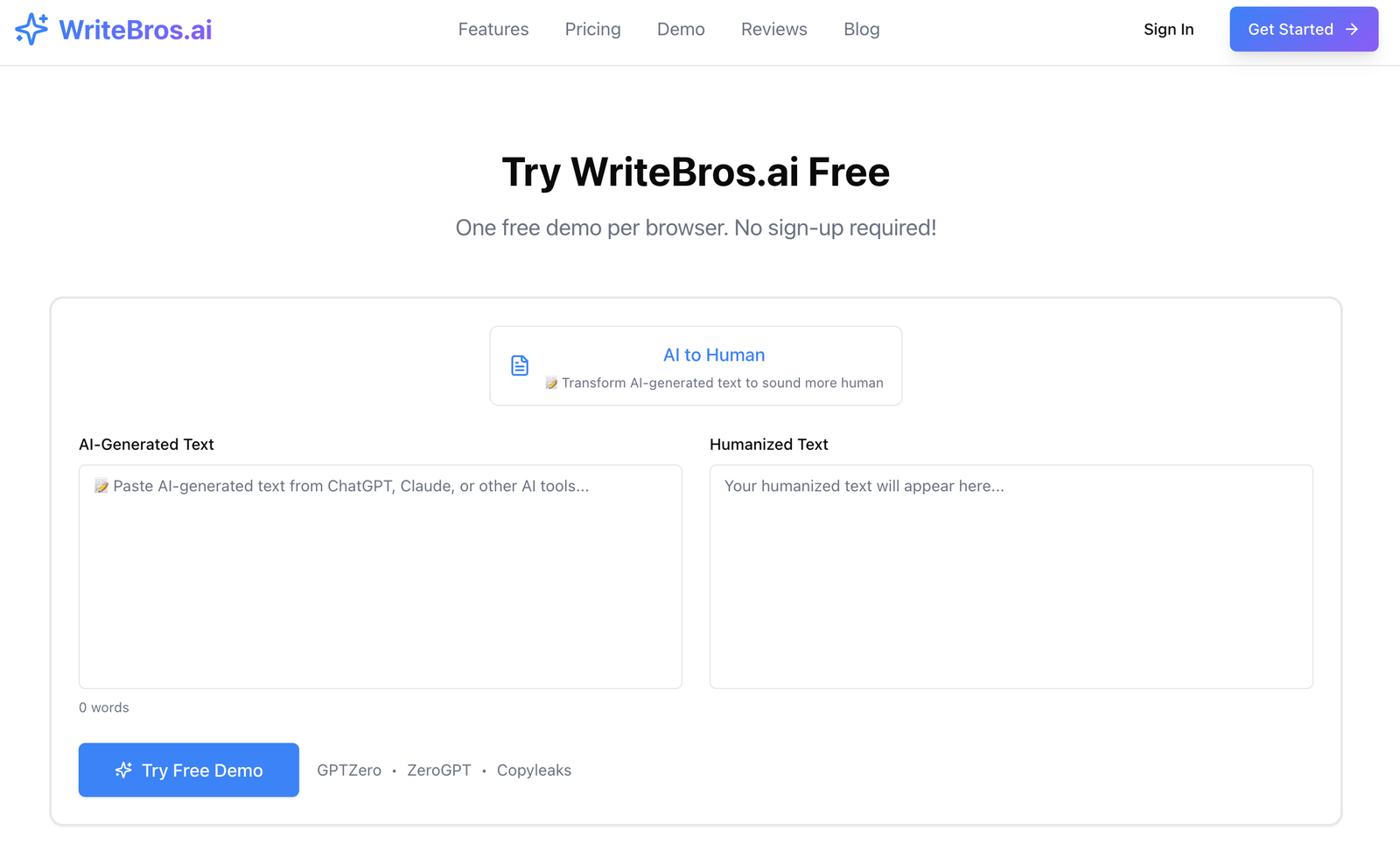
Best use case: Agencies managing recurring content for several clients that each require a recognizable and consistently applied voice.
What it does well: It gives editorial teams more control over stylistic patterns, which can reduce the repetitive cleanup that tends to accumulate across high-volume accounts.
Where it falls short: The quality of the result still depends on how clearly the agency defines the client’s voice and how strong the original draft is.
Who should skip it: Teams looking only for a one-click detector bypass without any interest in building a more deliberate editorial process.
Top AI Humanization Platforms for Agencies #2. Undetectable AI
Undetectable AI is built around a fairly direct proposition, taking machine-written text and altering its patterns so that the result appears less obviously generated. For agencies, that can be practical when a draft arrives with repetitive syntax, predictable transitions, or the polished but oddly vacant rhythm that AI tools often produce. Its interface keeps the process accessible, which helps when junior staff or occasional users need something that does not require a long setup period. The limitation is that reduced detectability is not the same as stronger writing, and a passage can become less machine-like while still remaining bland, imprecise, or strategically weak. Some revisions may also shift emphasis or introduce phrasing that feels less faithful to the original brief, so careful comparison is still necessary. Basically, it works best as an early cleanup stage before a human editor restores nuance, checks claims, and makes sure the content still sounds appropriate for the client.
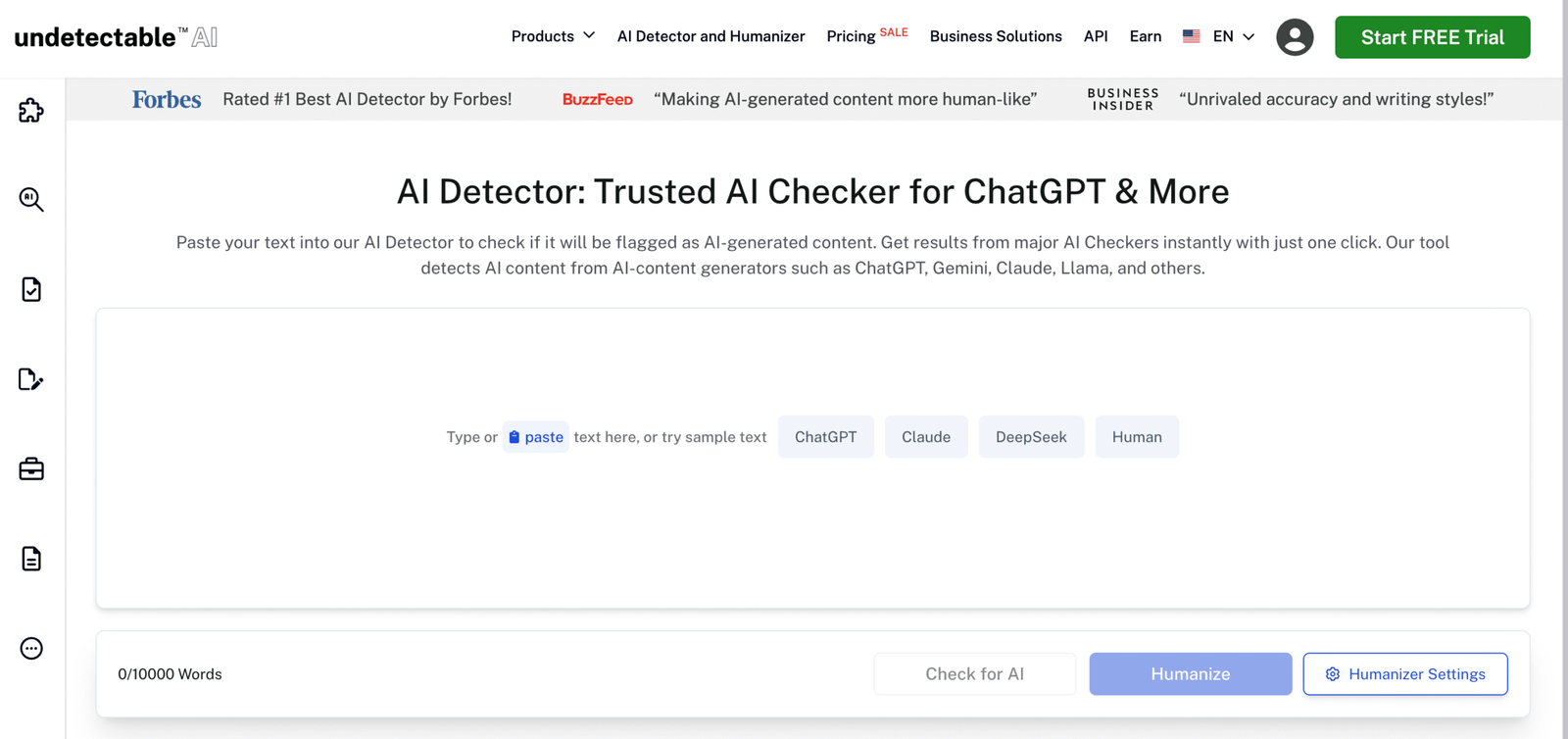
Best use case: Agencies that receive visibly formulaic AI drafts and need a fast first pass before deeper editorial work begins.
What it does well: It quickly varies predictable sentence structures and makes heavily generated text feel less mechanically uniform.
Where it falls short: A lower likelihood of detection does not guarantee better argumentation, clearer positioning, or stronger brand alignment.
Who should skip it: Agencies that need detailed voice controls, collaborative brand governance, or reliable preservation of highly technical wording.
Top AI Humanization Platforms for Agencies #3. StealthWriter
StealthWriter gives agencies several ways to reshape generated text, which is useful when one assignment needs only light smoothing while another requires a more noticeable reconstruction. The different rewriting levels make it easier to balance fidelity against variation, especially when teams are working with blog posts, outreach copy, and supporting website content in the same production queue. Its output can remove some of the rigid sequencing and repetitive phrasing that tends to expose automated drafts. However, stronger rewrite settings can move further from the source than an editor expects, which creates additional checking when precise wording, legal sensitivity, or client-approved terminology matters. The platform can also produce sentences that are technically different without being especially distinctive, so brand character may still need to be added manually. Exactly where it fits depends on the account, but it is generally more convincing as a flexible rewriting utility than as a complete agency voice system.
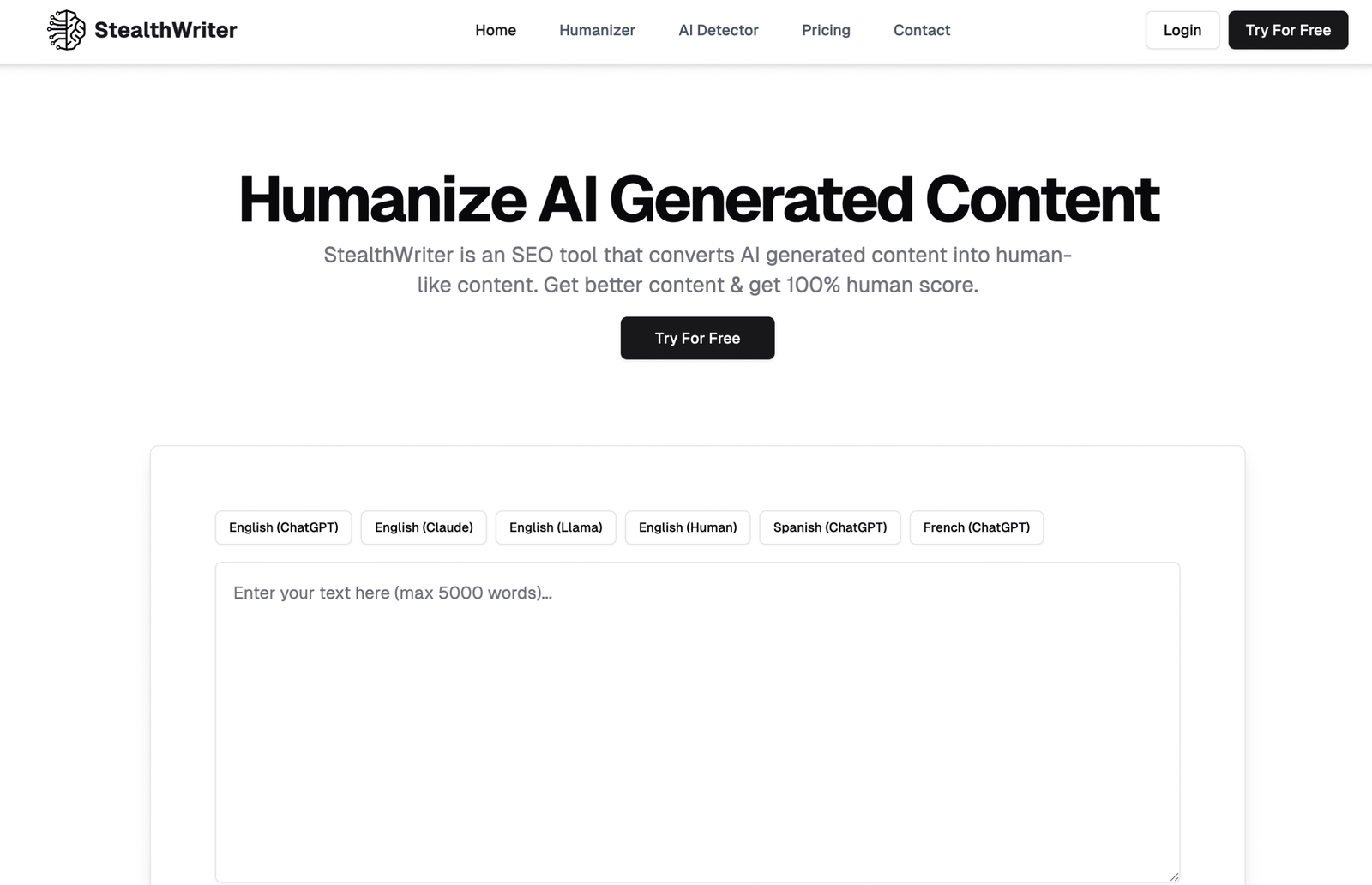
Best use case: Production teams that need adjustable rewriting strength across several content formats and risk levels.
What it does well: It provides enough variation in its rewrite modes to handle both restrained edits and more substantial restructuring.
Where it falls short: Aggressive transformations may change emphasis or dilute approved terminology, which increases the need for line-by-line review.
Who should skip it: Agencies that require tightly governed brand profiles rather than flexible but comparatively general rewriting options.
Top AI Humanization Platforms for Agencies #4. Grammarly AI Humanizer
Grammarly AI Humanizer sits inside an editing environment that many agency writers already understand, which reduces the friction of adding another review step. It is most useful when a draft is basically sound but feels stiff, impersonal, or overly uniform, because the surrounding grammar and clarity tools make it easy to continue refining the text in one place. For internal communication, client emails, and conventional marketing copy, that familiarity can matter more than having dozens of specialized controls. The compromise is that Grammarly tends to favor broadly professional readability, which can flatten unusual voices or make different brands sound more alike than intended. It is also less suited to large-scale transformation when the original draft has structural problems, thin reasoning, or an inaccurate understanding of the brief. Sort of predictably, the platform is strongest when the agency needs disciplined polish rather than radical rewriting or detector-focused manipulation.
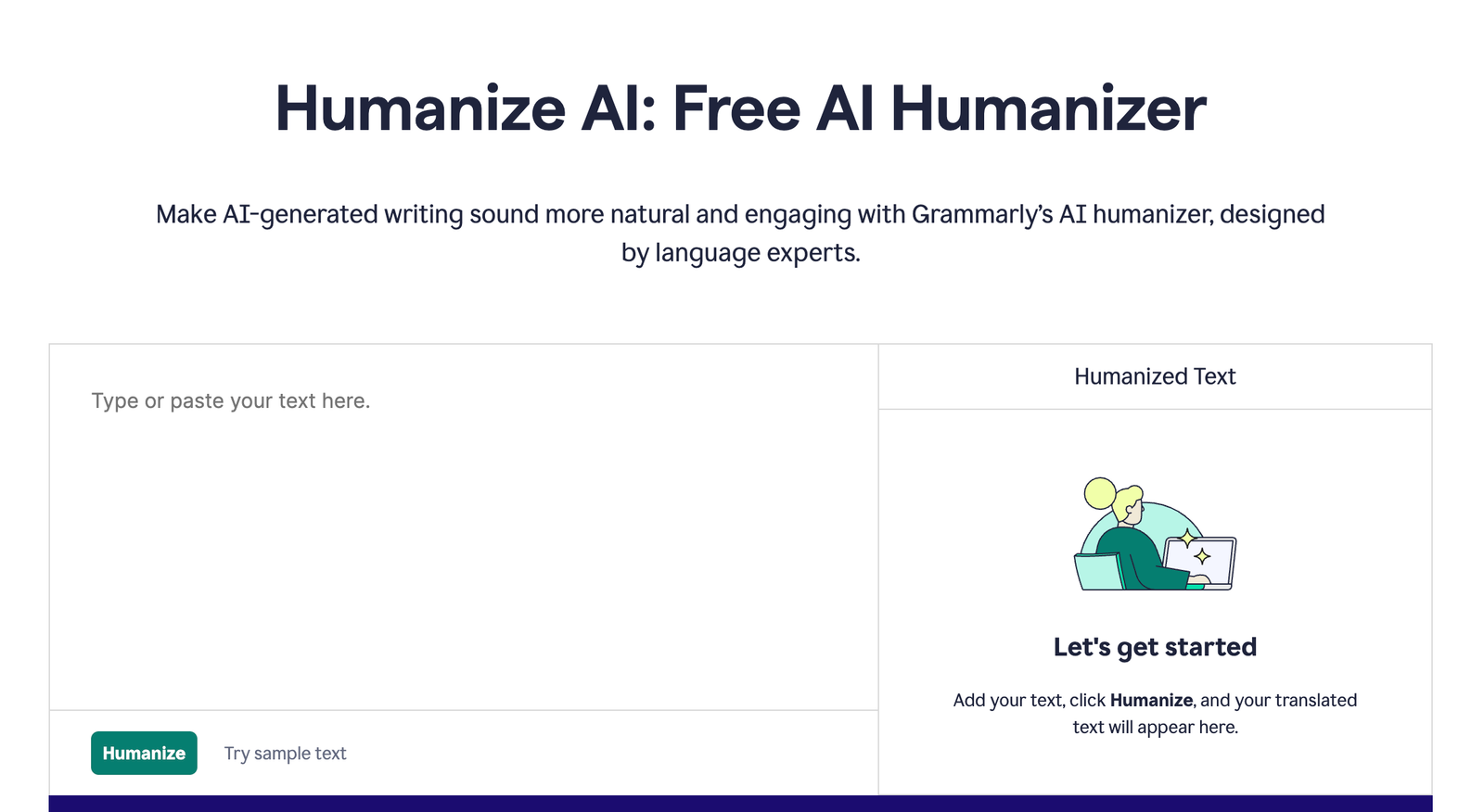
Best use case: Agencies already using Grammarly that want humanization to sit alongside familiar grammar, clarity, and tone checks.
What it does well: It makes moderate, readable improvements without forcing writers into a separate or unfamiliar production environment.
Where it falls short: Its preference for broadly polished prose can soften distinctive brand traits and make unconventional voices feel more generic.
Who should skip it: Teams needing heavy rewrites, advanced voice modeling, or a workflow built primarily around AI-detector outcomes.
Top AI Humanization Platforms for Agencies #5. Writesonic AI Humanizer
Writesonic AI Humanizer is a logical addition for agencies already producing drafts inside the wider Writesonic environment, because it keeps generation and refinement relatively close together. It can smooth marketing copy, reduce repetitive phrasing, and make fast-turnaround content feel less like an untouched model response. The connection to a broader content suite is useful when teams are moving between ideation, SEO preparation, drafting, and revision without wanting a separate subscription for every stage. That convenience can also encourage teams to accept the platform’s default style too readily, which is a problem when a client voice depends on sharper opinions, unusual rhythm, or industry-specific restraint. Rewritten content still needs verification because humanization does not resolve weak research, unsupported claims, or an angle that was wrong from the beginning. Honestly, the value is clearest for agencies that already use Writesonic heavily and need a practical refinement step rather than a completely independent editorial system.
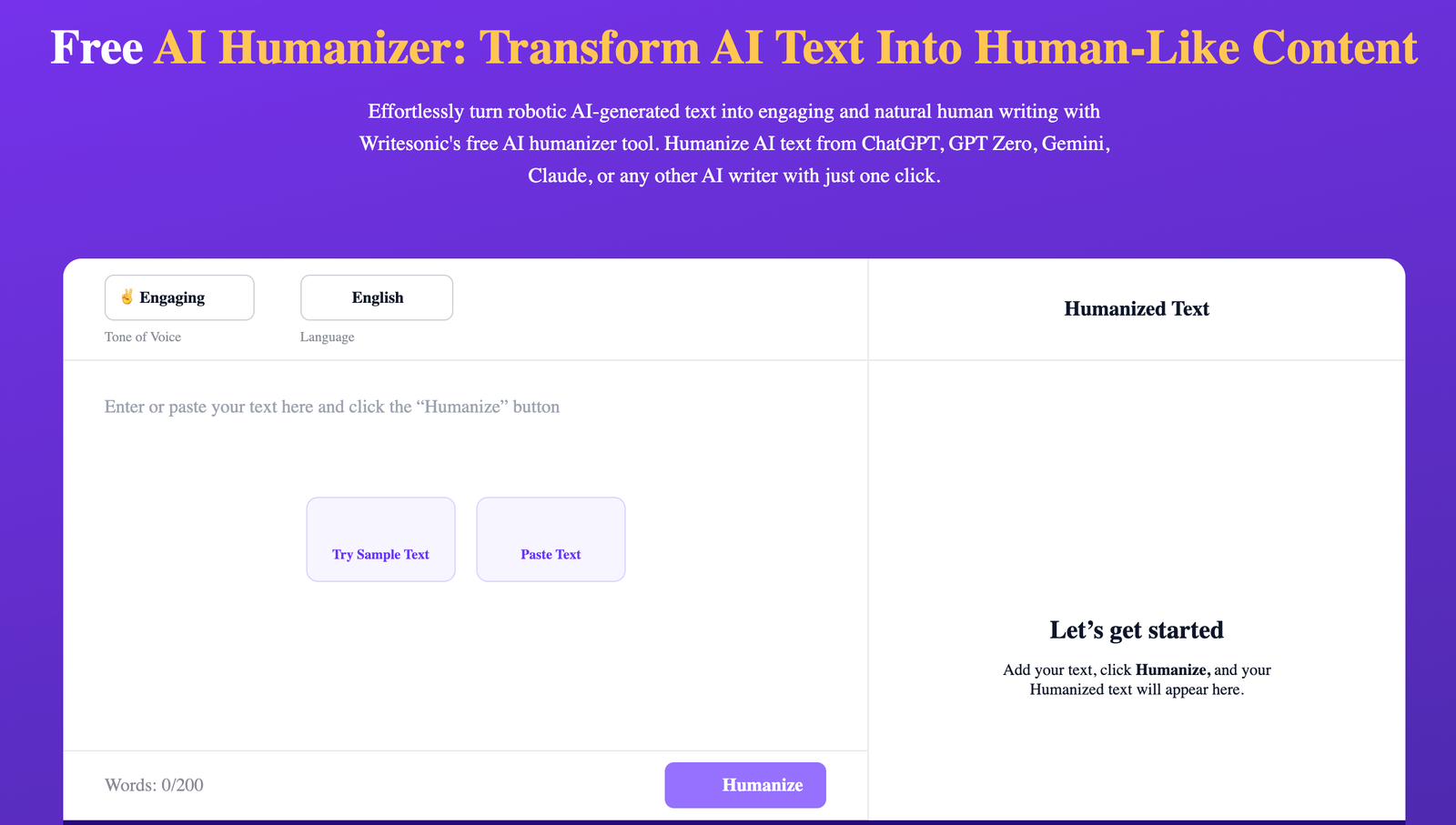
Best use case: Agencies using Writesonic for content production that want a connected humanization stage within the same general workflow.
What it does well: It streamlines the movement from AI-generated marketing drafts to cleaner, more readable versions without much operational friction.
Where it falls short: Its convenience can lead to fairly standardized output unless editors deliberately reintroduce the client’s sharper stylistic traits.
Who should skip it: Agencies that do not use the wider Writesonic suite or that require highly granular control over individual brand voices.
Top AI Humanization Platforms for Agencies #6. AISEO AI Humanizer
AISEO AI Humanizer is aimed at content teams that need natural-sounding revisions without losing sight of search-oriented publishing requirements. For agencies producing article clusters, landing pages, and supporting SEO assets, it can make generated prose less repetitive while keeping the workflow tied to practical content production. The platform is particularly relevant when teams want humanization and optimization to sit beside each other rather than being handled through unrelated tools. The difficulty is that SEO considerations can sometimes pull language toward familiar formulas, which may improve structural consistency while doing little for originality or genuine authority. Highly specialized clients may also need more careful manual editing because terminology, evidentiary standards, and subject nuance cannot be safely handled through stylistic rewriting alone. Basically, AISEO is a useful production tool for scalable search content, although agencies still need a strong editorial layer to prevent optimization from becoming the dominant voice.
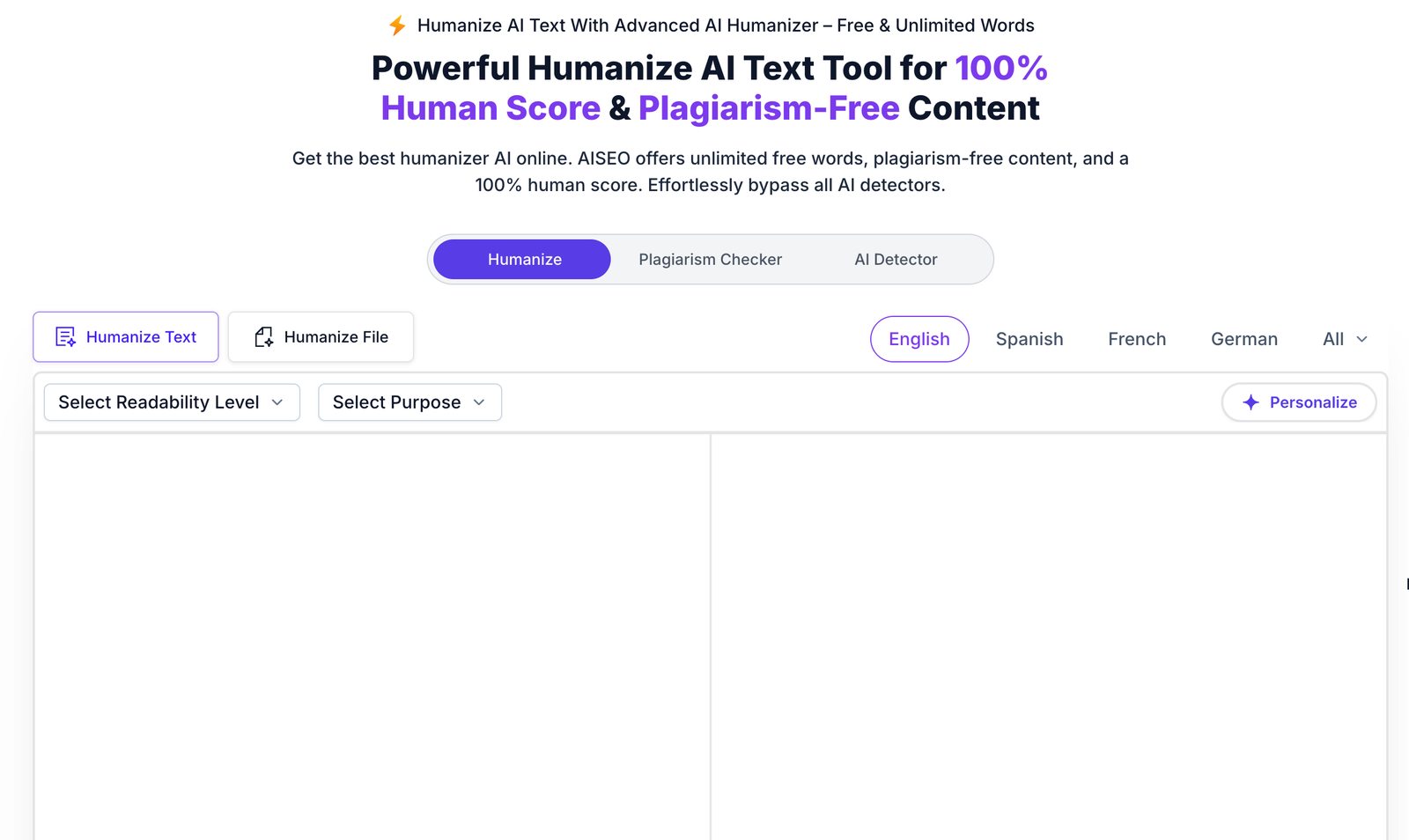
Best use case: SEO agencies refining large volumes of AI-assisted articles and landing pages within an optimization-focused workflow.
What it does well: It combines readability improvements with the practical needs of teams producing search content at a steady pace.
Where it falls short: Search-oriented structure can still become formulaic, particularly when editors rely too heavily on default recommendations.
Who should skip it: Brand agencies whose main priority is distinctive creative voice rather than scalable, SEO-led content production.
Top AI Humanization Platforms for Agencies #7. HumanizeAI.pro
HumanizeAI.pro keeps the experience fairly simple, which can be helpful for agencies that need to process straightforward drafts without introducing a complicated setup. It is capable of loosening rigid sentence patterns, replacing some of the stock phrasing associated with AI output, and producing text that feels easier to read on a first pass. That accessibility suits occasional users, subcontractors, or small teams that do not need an elaborate content platform around the rewriting function. The simplicity also creates limits, because agencies receive less control over how voice, formality, rhythm, and client-specific habits are preserved across repeated assignments. Longer or more technical pieces may require substantial checking when the system changes wording that carries precise meaning. The whole thing is best understood as a convenient general humanizer, not a replacement for the documented style guides and editorial judgment that keep agency accounts distinct from one another.
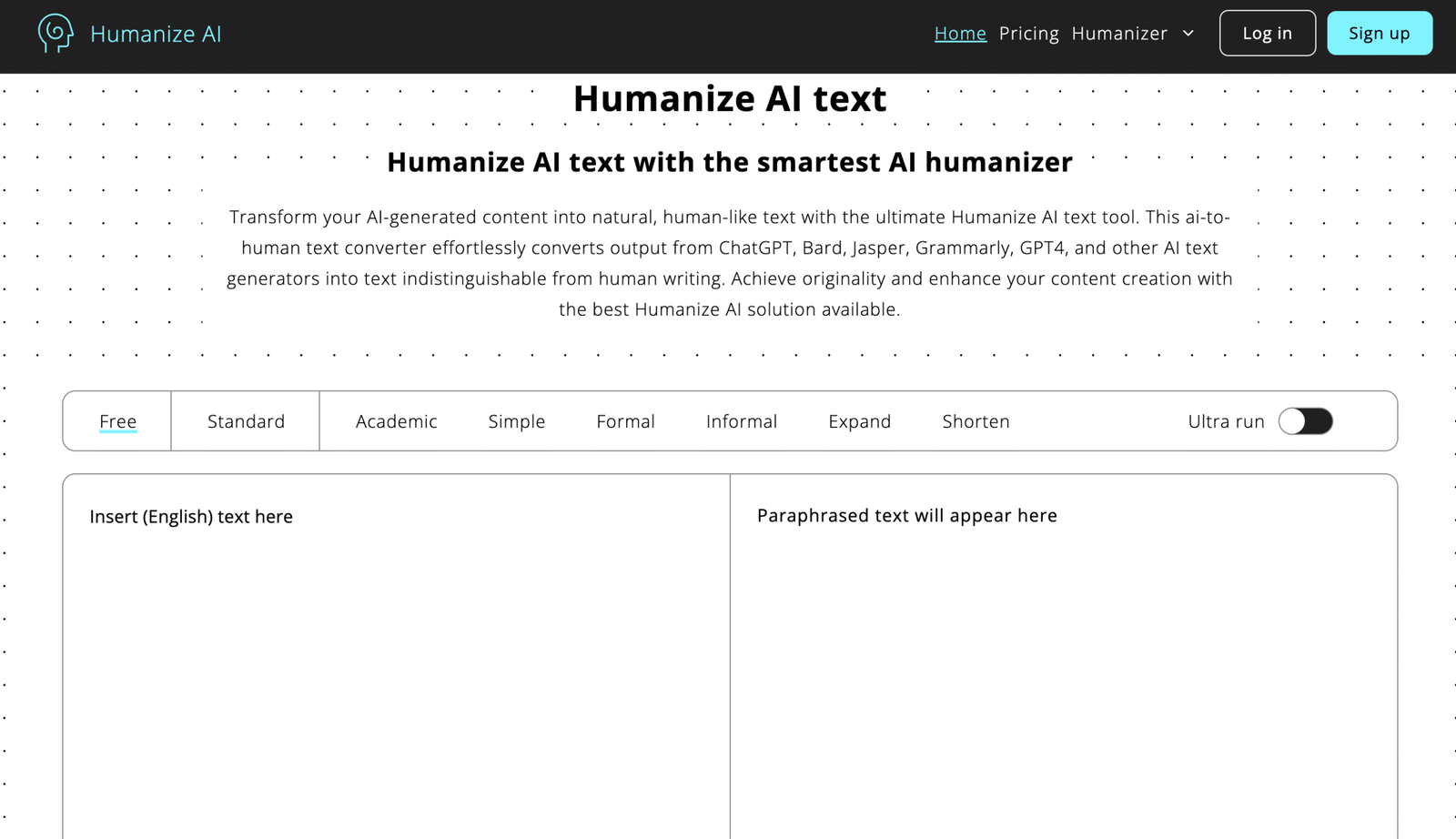
Best use case: Small agencies and contractors that need quick, uncomplicated rewriting for relatively low-risk general content.
What it does well: It lowers the barrier to humanizing routine drafts and produces smoother language without a demanding configuration process.
Where it falls short: Limited voice control makes it harder to maintain meaningful differences between clients across recurring content programs.
Who should skip it: Agencies handling technical, regulated, or strategically sensitive work that requires exact wording and detailed editorial oversight.
Top AI Humanization Platforms for Agencies #8. Walter Writes AI
Walter Writes AI focuses on making generated writing feel more natural while keeping the original message recognizable, which is useful when agencies cannot afford a rewrite that wanders too far from approved copy. Its approach suits drafts that need variation in rhythm, less predictable sentence construction, and a more ordinary conversational texture. For teams handling educational content, blog posts, or general client materials, that balance can reduce the amount of obvious machine residue without forcing a complete restart. Even so, preserving the message does not necessarily preserve the brand, and the resulting prose may still require manual work to capture a client’s preferred level of confidence, humor, or formality. The platform may also be less compelling for agencies that need shared profiles, approval workflows, or detailed controls across multiple accounts. Exactly how useful it becomes depends on whether the team needs a focused humanizer or a broader operating system for editorial consistency.
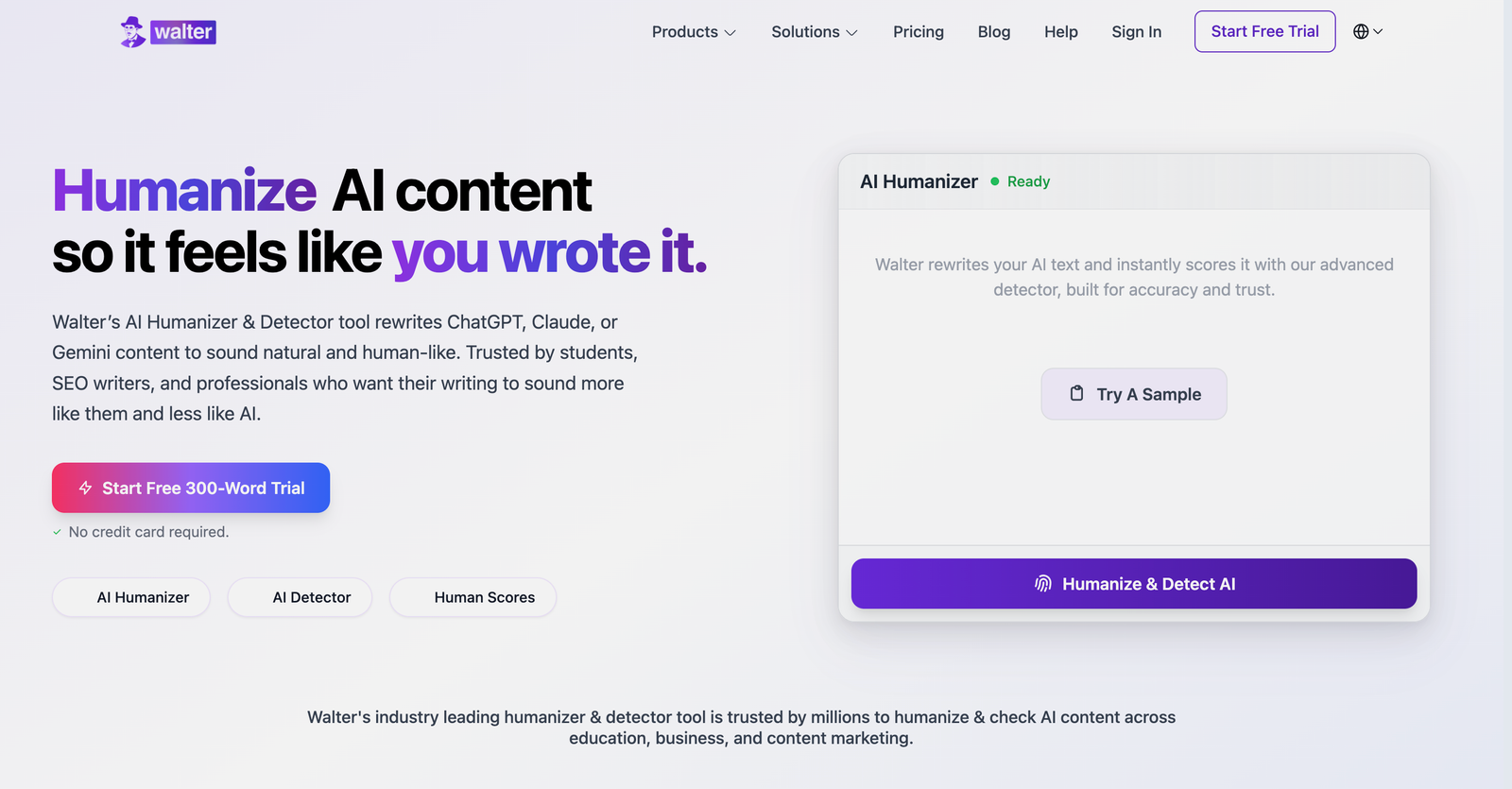
Best use case: Agencies refining general-purpose drafts where the original meaning should remain stable while the phrasing becomes less mechanical.
What it does well: It introduces more natural variation without routinely rebuilding the entire passage or abandoning its central message.
Where it falls short: Message preservation does not guarantee accurate brand imitation, particularly when a client has an unusual or tightly controlled voice.
Who should skip it: Larger agencies that need account-level style governance, collaborative review features, and repeatable controls across many clients.
Top AI Humanization Platforms for Agencies #9. Clever AI Humanizer
Clever AI Humanizer is positioned as a direct way to turn stiff generated passages into writing that feels less patterned and more comfortable to read. Agencies can use it when they need to move quickly through short blog sections, social copy, supporting web text, or other assignments where the main issue is mechanical phrasing rather than strategic depth. Its straightforward workflow makes it easy to test several versions and compare how much of the original structure should be retained. The drawback is that speed-oriented tools often make local sentence improvements without addressing the larger shape of an argument, so a weak section can remain weak even after it sounds more natural. There is also a risk of tonal drift when the system replaces intentionally precise language with something more casual or generic. Sort of inevitably, it is more dependable for surface refinement than for the deeper editorial decisions that determine whether agency content is persuasive, accurate, and genuinely specific.
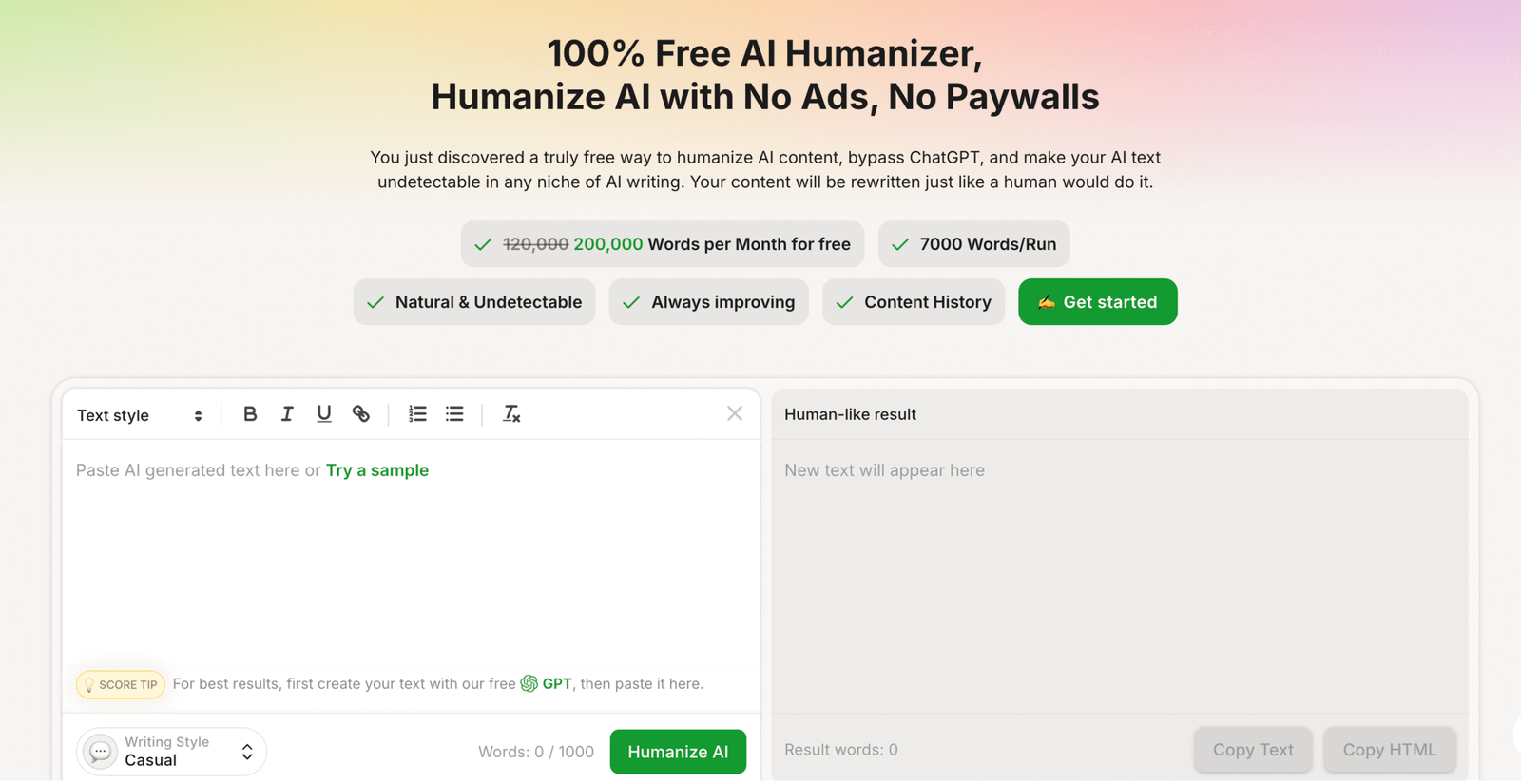
Best use case: Agencies needing rapid sentence-level cleanup for shorter, lower-complexity content that already has a sound underlying message.
What it does well: It makes visibly mechanical passages easier to read and allows editors to compare alternative phrasings without a long setup.
Where it falls short: It does not necessarily repair weak reasoning, poor structure, or an angle that fails to address the client’s actual audience.
Who should skip it: Teams working on high-stakes thought leadership, regulated copy, or campaigns that depend on unusually precise tonal control.
Top AI Humanization Platforms for Agencies #10. AI Undetect
AI Undetect offers a focused rewriting process for users who want generated text to display fewer of the patterns associated with automated production. For agencies, that can be useful when dealing with raw supplier drafts, internal first versions, or high-volume content that needs an initial pass before an editor begins more deliberate work. The platform is uncomplicated, which allows teams to process text without building a broader workflow around the tool. That narrow focus is also the main constraint, because reducing detectable patterns does not establish a client voice, improve the credibility of an argument, or confirm that the content is factually sound. Rewrites may need close review when the original includes technical distinctions, carefully approved claims, or language that must remain legally conservative. Honestly, AI Undetect is most sensible as a utility within a layered agency process, rather than the point where a draft is considered complete and ready for publication.
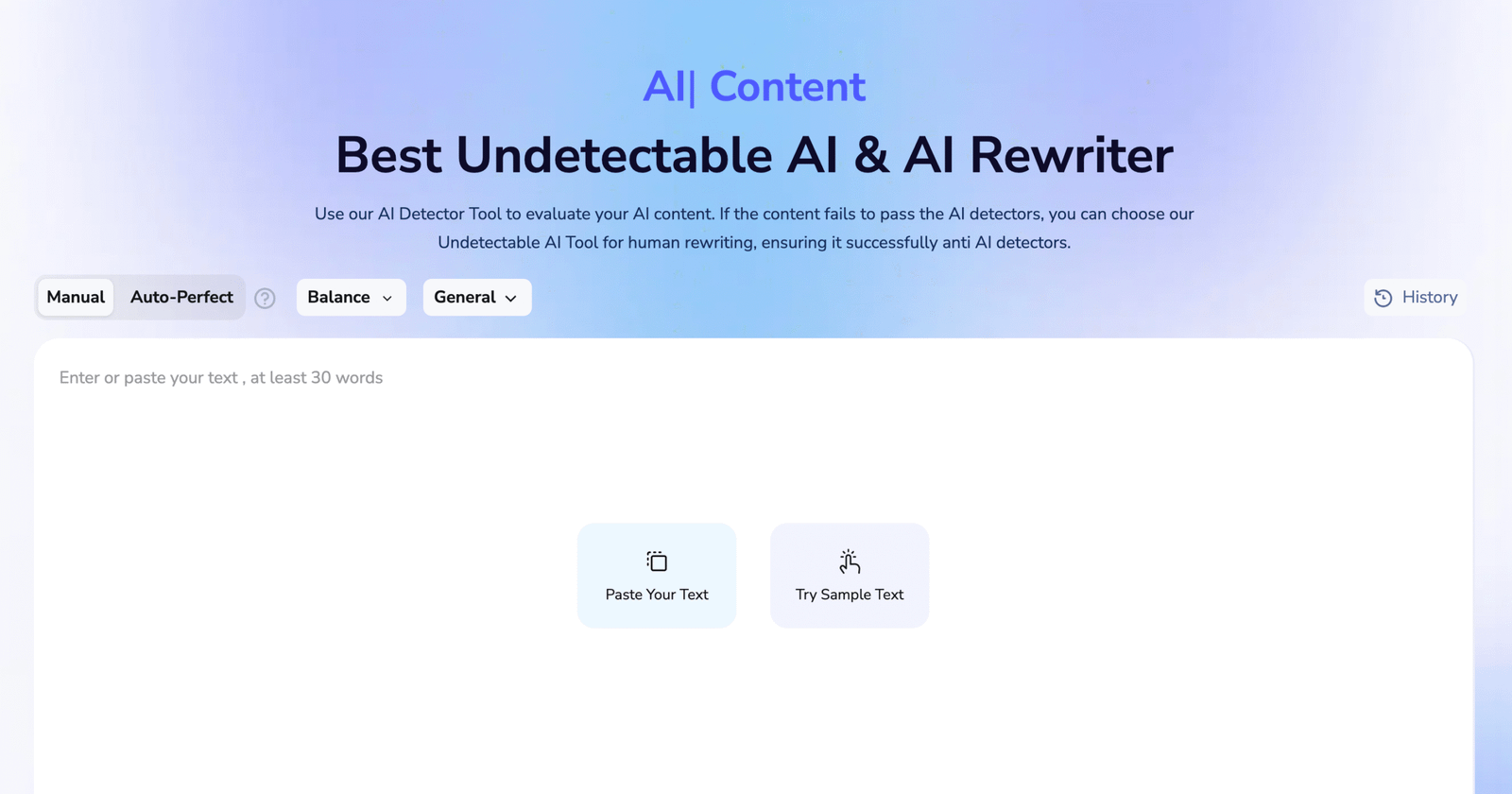
Best use case: Agencies that need a simple first-pass rewrite before experienced editors handle voice, evidence, positioning, and final quality control.
What it does well: It reduces obvious AI patterns quickly and keeps the process accessible for occasional or non-specialist users.
Where it falls short: Its detector-oriented focus leaves broader questions of originality, brand consistency, accuracy, and strategic value unresolved.
Who should skip it: Agencies expecting a single platform to manage client voices, editorial collaboration, and publication-ready quality without further review.
Choosing Among Top AI Humanization Platforms for Agencies
The right platform depends less on which tool produces the most dramatic rewrite and more on how well it fits the agency’s existing editorial process. A tool that works for quick blog cleanup may feel inadequate once several clients require distinct voices, approval standards, and subject-specific language.
WriteBros.ai is the strongest fit for agencies that treat humanization as an ongoing voice-management task rather than a final attempt to disguise AI involvement. Undetectable AI, StealthWriter, and AI Undetect are more directly useful when the immediate concern is reducing predictable machine-written patterns, although that narrower focus leaves more work for editors afterward.
Grammarly, Writesonic, and AISEO make more sense when teams already use their wider writing or optimization environments, because the whole thing stays relatively contained. The tradeoff is that convenience can produce fairly standardized prose, which means unusual brand voices still need deliberate human attention.
Basically, none of these platforms removes the need for factual checking, strategic judgment, or a clear understanding of what each client should sound like. The better choice is the one that reduces repetitive editing without flattening the distinctions that make agency work feel specific, credible, and properly considered.
Disclaimer: The tools referenced are included for editorial and informational purposes only and are selected based on observable product behavior and relevance rather than sponsorship or paid placement. Screenshots are shown solely for identification, commentary, and illustrative reference in line with standard editorial and fair use practices, and may not reflect the most current version of each product. All trademarks, logos, and interface elements remain the property of their respective owners. For update, correction, or removal requests, please refer to the Editorial Policy.